
Hotels run on tight margins, tighter schedules, and a web of small rules that never make it onto glossy booking pages. The “secrets” below aren’t usually sinister. They’re operational shortcuts, revenue policies, or industry habits that only become painful when no one explains them.
These are common hotel practices, not universal rules. Brands, owners, and locations vary, so if something matters to your stay, confirm it with your specific property.
A smoother trip comes down to knowing where surprises hide. Fees, holds, room assignments, and housekeeping routines are far more predictable once you know what to ask at check-in and what to verify before checkout.
1. The Headline Rate Might Not Be the Real Total

Mandatory fees can sit outside the nightly number until the final screen, especially charges labeled “resort fee,” “destination fee,” “amenity fee,” or “mandatory service fees.” The FTC has taken action aimed at “junk fees” and stronger upfront price disclosure, including in travel and lodging (see the FTC’s Rule on Unfair or Deceptive Fees FAQ).
Treat the first price you see as a draft until you confirm the full breakdown. Ask for the all-in total per night before you book, including every mandatory charge. Screenshots help if something changes later, and one calm question up front beats an argument at the front desk.
2. Your Card Can Show a Scary “Extra Charge” That Is Not a Purchase

That “extra charge” at check-in is often an incidentals hold, even if your room is prepaid. It’s a preauthorization, meaning the funds are reserved temporarily rather than captured as a final payment.
Debit cardholders can feel this more sharply because their available balance may drop immediately. Ask the exact hold amount and the typical release timing before you tap or insert your card. A credit card often makes this less stressful because it doesn’t drain your spending cash.
3. Overbooking Is a Real Strategy, Not a Rumor

Hotels sometimes sell more rooms than they physically have, betting on cancellations and no-shows. If a hotel has to “walk” someone to another property, late arrivals and one-night stays are often at higher risk than early check-ins and longer reservations.
Check in earlier when you can, especially during big events. If you’ll arrive late, message the property and ask them to note a late arrival on your reservation. If relocation happens, push for written details covering the alternate room and transport before you leave the desk.
4. The Room You Booked Is Often Not Assigned Until Arrival

Many systems reserve a category, not a specific door number, until check-in day. That gives staff flexibility, but it also means your requests can matter more than most people assume. Quiet floors, corner placement, or distance from elevators are often doable if you ask early.
Send one short message before arrival with two priorities, not ten. A polite request like “higher floor and away from lift doors” usually translates cleanly into the reservation notes. Late, demanding speeches at the desk rarely help.
5. “Free” Upgrades Are Usually a Math Problem, Not a Favor

Upgrades happen when inventory allows, not because someone is magically convinced. A hotel might have only a handful of suites, and those rooms are often held for longer stays, paid upgrades, or special situations. Status and direct bookings can improve the odds, but they don’t create rooms out of thin air (loyalty programs also spell out that upgrades are generally subject to availability).
Ask once, then accept the answer without drama. Short stays and midweek arrivals tend to have more upgrade slack than holiday Saturdays. When the hotel is packed, the best “upgrade” is often a quieter room location.
6. The Third-Party Booking Discount Can Reduce Flexibility Later

Online travel agencies can lock in strict terms that the property can’t override without penalties. Changes sometimes have to go through the platform, which can slow fixes when something goes wrong. When inventory gets tight, third-party reservations may also have fewer options for changes or compensation depending on the terms (here’s a clear explainer on booking direct vs. third-party).
Direct reservations often simplify problem-solving because the hotel controls the record end-to-end. If you use third-party deals, confirm cancellation terms and name matching before you finalize. Also confirm the hotel has your email and phone number, not just the platform’s relay.
7. Housekeeping May Not Be Daily Anymore

Many brands shifted cleaning schedules to “on request” or reduced frequency, especially for multi-night stays. That saves labor and supports sustainability goals, but it can surprise guests who expect fresh towels every afternoon (this shift is widely discussed in coverage like AARP’s look at post-pandemic housekeeping).
Ask at check-in how service works for your length of stay. If you want a full clean, say that, since “towels only” is often a separate option. If you need a specific day, put the request in writing through the app or a quick note, and remember that a “Do Not Disturb” sign usually blocks service entirely.
8. The Minibar Might Charge You for Moving Items
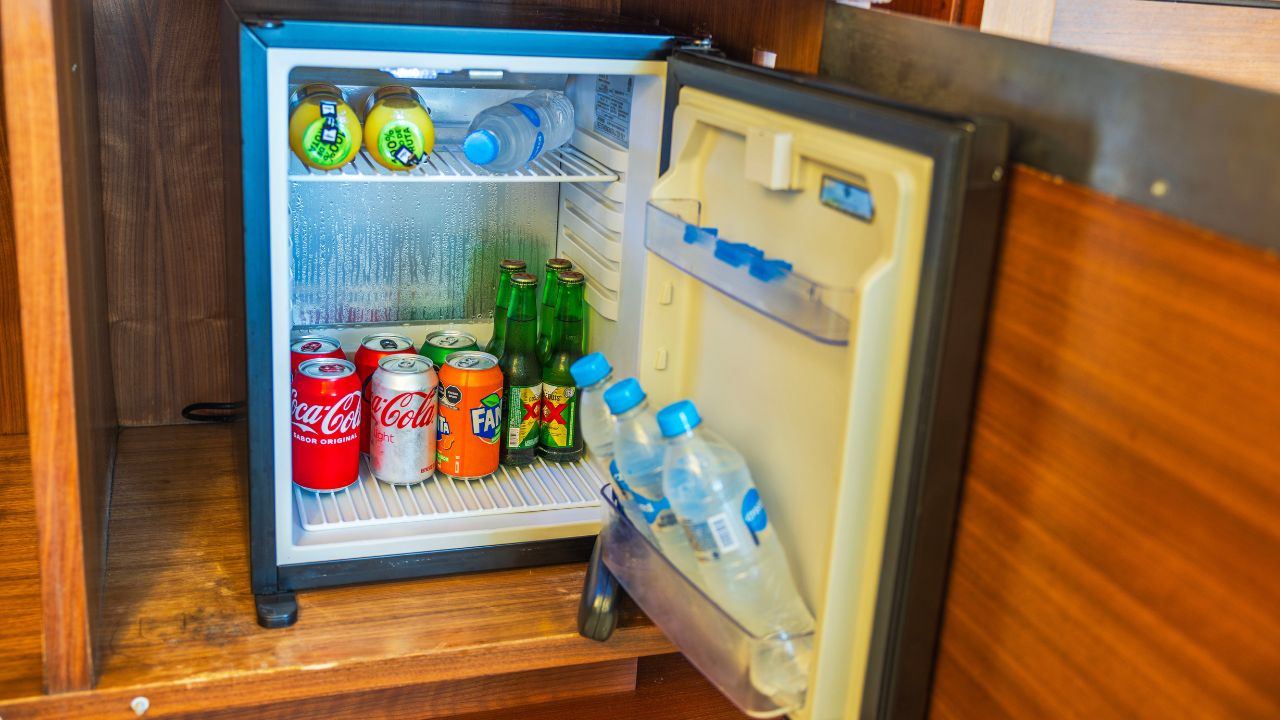
Some hotels use sensor minibars that can auto-post charges if items are removed for more than a few seconds. Accidental lifts happen when someone tries to make space for a water bottle or just checks what’s inside (a quick overview of how these minibar charges can happen: NerdWallet).
If you don’t plan to use it, ask whether the minibar is sensor-based. Request removal of items or a manual check option when possible. If you see a minibar charge you don’t recognize, flag it immediately while you’re still on the property, and always review your folio line by line before you leave.
9. Your Keycard Probably Does Not Store Personal Data
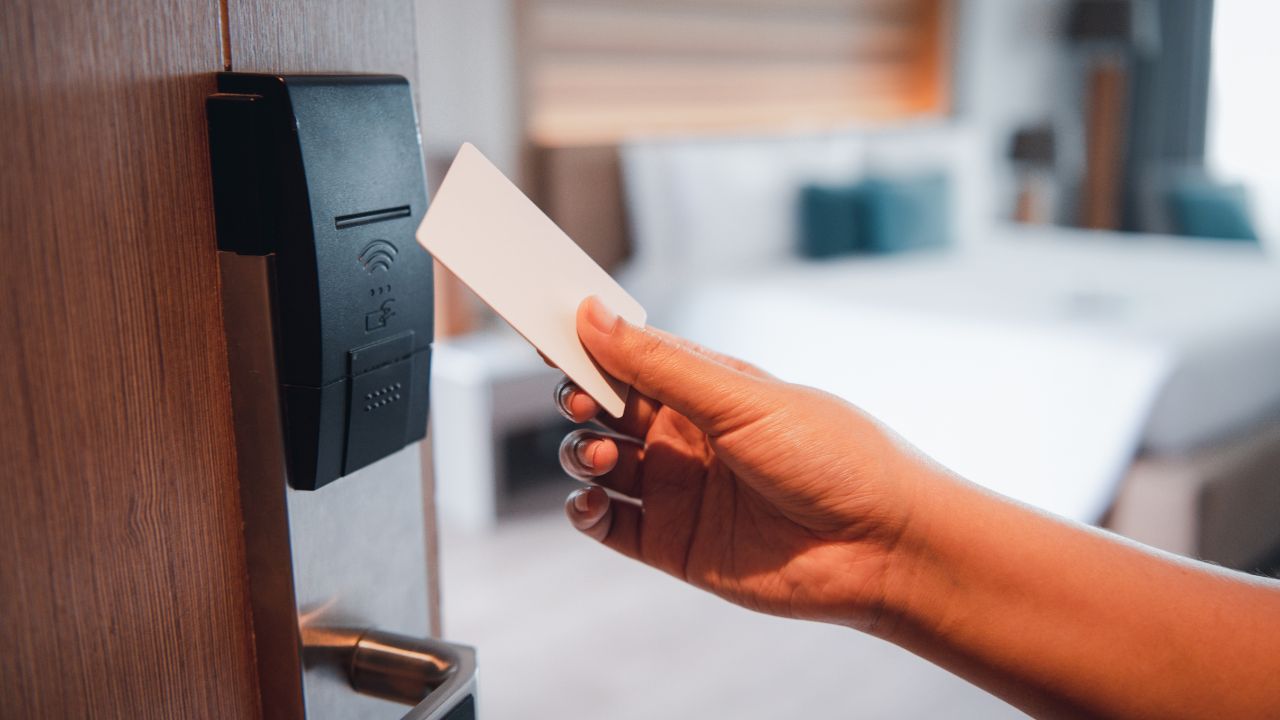
A common myth claims your keycard contains sensitive identity details. In most hotels, the card mainly holds an encoded identifier used for access, not your address or card number (see: Snopes). The bigger risk is losing a card in a sleeve that shows the hotel name and your room number.
Keep the sleeve separate or discard it after you memorize the room. If the card goes missing, ask for a reissue and deactivation right away. If you’re worried, ask for a new key entirely rather than just a re-encode.
10. The Remote and Light Switches Are Among the Germiest Surfaces

Multiple hotel hygiene studies and media tests have repeatedly found TV remotes and bedside switches among the highest-touch, least-detailed-cleaned items. Housekeeping prioritizes visible mess, while small plastic controls can get a quicker wipe than you’d expect.
Pack a small disinfecting wipe packet and hit the remote, switches, and handles first. A quick wipe is plenty. You’re aiming for lower risk, not a sterile lab. Guests with allergies may also want to remove decorative runners or extra pillows, since those aren’t always cleaned as often as sheets.
11. Early Check-in and Late Checkout Are Rarely “Free” Anymore

Hotels used to grant flexible timing more casually, but tighter housekeeping schedules and high occupancy mean early arrivals or late departures often come with fees (CBS has reported on the growing trend of early check-in and late check-out charges). Rooms must be cleaned, inspected, and released on strict timelines, especially in busy city hotels or resorts with rapid turnover.
If timing matters, request it in advance rather than at the desk with luggage in hand. Loyalty status or midweek stays can improve your chances, but nothing is guaranteed. If the room is not ready, ask whether the hotel can store bags or offer access to facilities while you wait.
12. The “Quiet Room” Promise Usually Depends on Location, Not Soundproofing

Many guests assume modern hotels are fully soundproof, but most buildings rely more on room placement than heavy acoustic construction. Elevators, ice machines, service corridors, and street-facing rooms tend to generate the most noise complaints.
If quiet matters, request a room away from elevators, vending areas, and major roads rather than simply asking for “a quiet room.” Higher floors and interior-facing rooms often reduce hallway and traffic noise. Staff can usually help if they know the exact source you want to avoid.
13. Wi-Fi Quality Can Change Dramatically by Room Position

Hotel Wi-Fi rarely performs the same in every corner of the building. Older properties, large resorts, and historic hotels often have uneven signal strength because routers sit in corridors or technical rooms, not evenly across floors.
If you rely on stable internet for work or streaming, mention it at check-in. Rooms closer to elevator cores or central hallways often receive stronger signals. If the connection is weak, ask whether the hotel can reset access or move you before unpacking fully.
14. Staff Often Know Which Rooms Guests Complain About Most

Front desk teams usually track informal patterns, even if they never advertise them. Certain rooms might face loud streets, sit above kitchens, or have awkward layouts that generate repeat complaints. These details rarely appear on booking websites but live permanently in staff experience.
A simple polite question at check-in can help:
“Are there any rooms you’d personally avoid for noise or location?”
Framed respectfully, this often gets you better placement than silent check-in ever would.