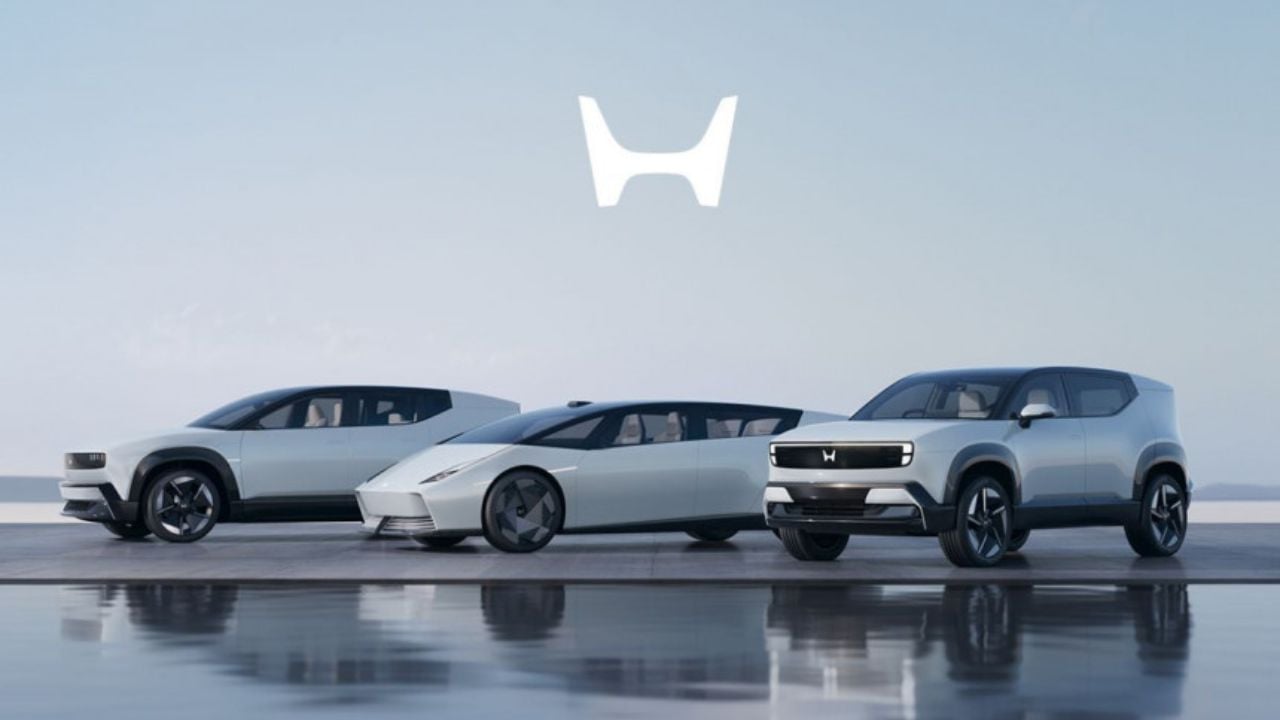
Honda just released its fiscal third-quarter results, covering the nine months ended December 31, 2025, in a fiscal year that closes on March 31. The headline for the company’s car business is not pretty.
Honda reported that its automobile division swung to an operating loss of ¥166.4 billion, roughly $1.1 billion at recent exchange rates, compared with an operating profit of ¥402.6 billion, about $2.6 billion, in the same period a year earlier.
Honda pointed to two main drivers behind the reversal. One was the impact of U.S. tariffs, which Honda said amounted to roughly ¥280 billion in negative profit impact across the nine-month period.
The other was a large block of one-time EV-related expenses and impairments, totaling ¥267.1 billion, about $1.7 billion.
The GM-Based EV Program Has Been Costly
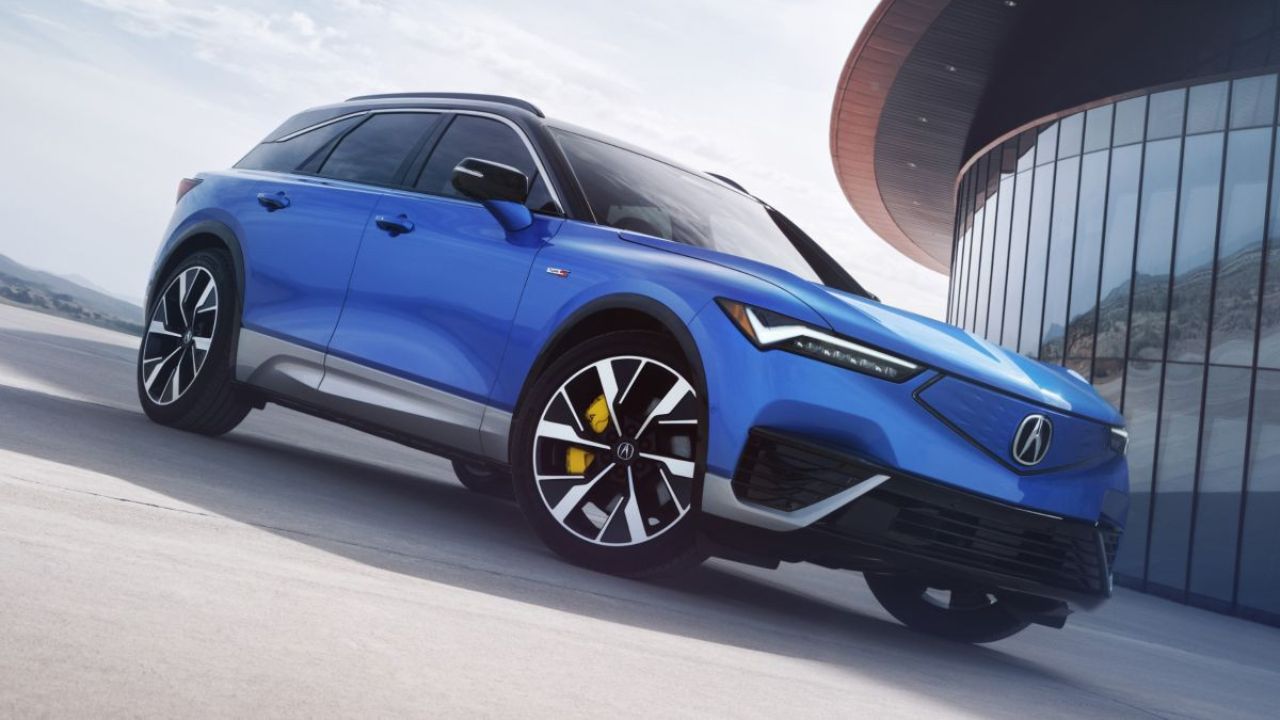
Honda broke out part of its EV pain around its U.S. program tied to General Motors’ Ultium architecture. Honda’s Honda Prologue and Acura ZDX were the key products of that partnership, but Honda has been rethinking the approach as demand has cooled and costs have risen.
Importantly, Honda and GM did not abandon every shared EV effort, but they did scrap a separate $5 billion plan to co-develop more affordable EVs, a program the companies canceled in late 2023. That cancellation is one of the clearest signals of how quickly the economics of mass-market EV rollouts can shift.
On the Acura side, the ZDX program also got cut back. Honda confirmed it would discontinue the Acura ZDX, which was assembled by GM in Tennessee, as the market for higher-priced EVs softened and the business case weakened.
Honda’s Next EV Wave Is Sliding To The Right
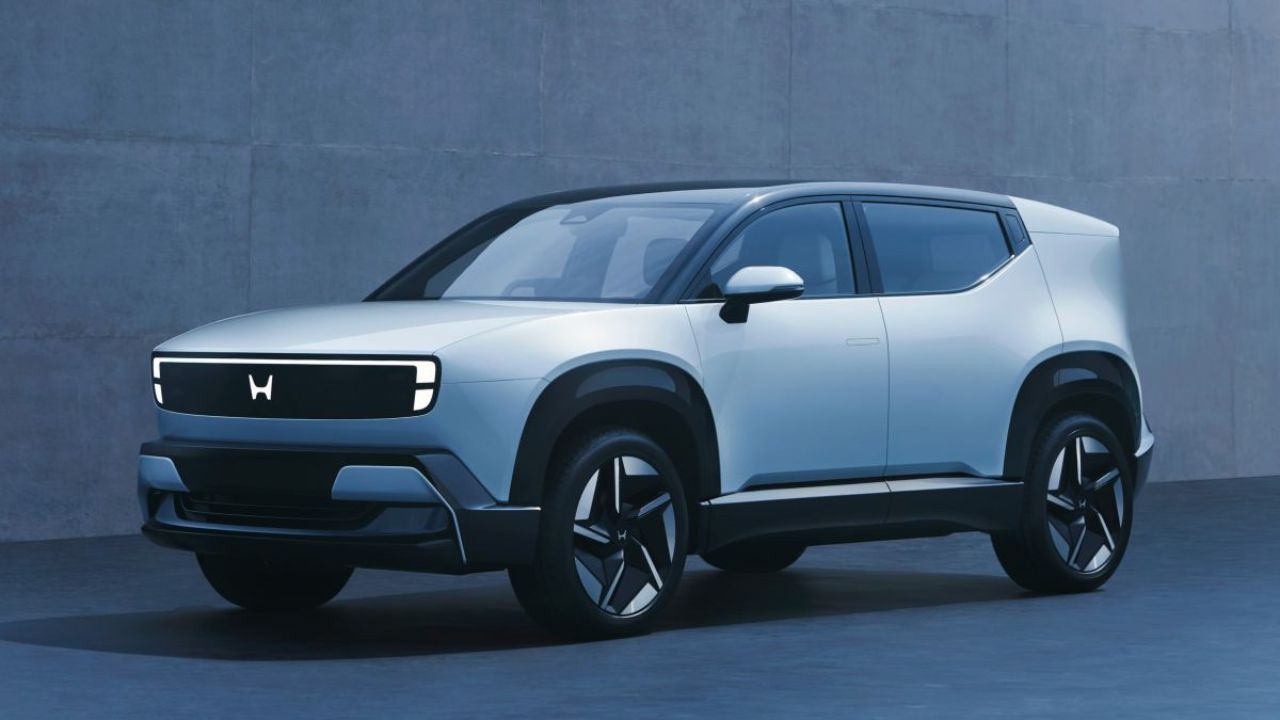
Honda is also absorbing costs tied to investments it already made for its next-generation in-house EV push. The company has been promoting its Honda 0 Series as the foundation for a new family of battery EVs, but the timing is starting to move.
Reporting and company statements indicate at least some 0 Series products have been pushed back, with the 0 Saloon now expected later than initially implied.
Honda’s EV workload is also spread across multiple regions and partnerships. In China, Honda has been reworking its strategy with dedicated EV lines for local demand, while also trying to stay competitive on software, features, and pricing in the world’s most aggressive EV market.
Sales Volumes Are Down, EV Growth Is Modest

The revenue side is not providing much relief. Honda reported global automobile unit sales of 2.561 million vehicles for the nine months ended December 31, 2025, down from 2.82 million in the prior-year period. EV volume did rise, but only slightly, from roughly 58,000 to 65,000 units, a pace that underscores how far Honda still has to go relative to its longer-term EV ambitions.
Strategy Changes Are Coming
Honda has already signaled that an update is coming. With the auto business in the red for the period and EV-related restructuring costs still flowing through the income statement, management has indicated it will revisit the current strategy and outline adjustments alongside the full-year results.
This article originally appeared on Autorepublika.com and has been republished with permission by Guessing Headlights. AI-assisted translation was used, followed by human editing and review.