
Quality-of-life rankings look at far more than salaries or scenery. Big international datasets like the OECD Better Life Index and the UN Human Development Index (HDI) weigh everyday factors such as healthcare access, work-life balance, safety, education, transit, and environmental standards. Countries that land near the top tend to pair strong public services with reliable infrastructure and steady governance.
Personal priorities still shape how anyone reads these comparisons. Some people care most about shorter workweeks, others focus on universal medical coverage, clean urban design, or family benefits. The seven places below show up again and again across major global measures as countries many analysts rate highly for overall living conditions—especially when you compare the “daily life” basics to the United States.
1. Norway
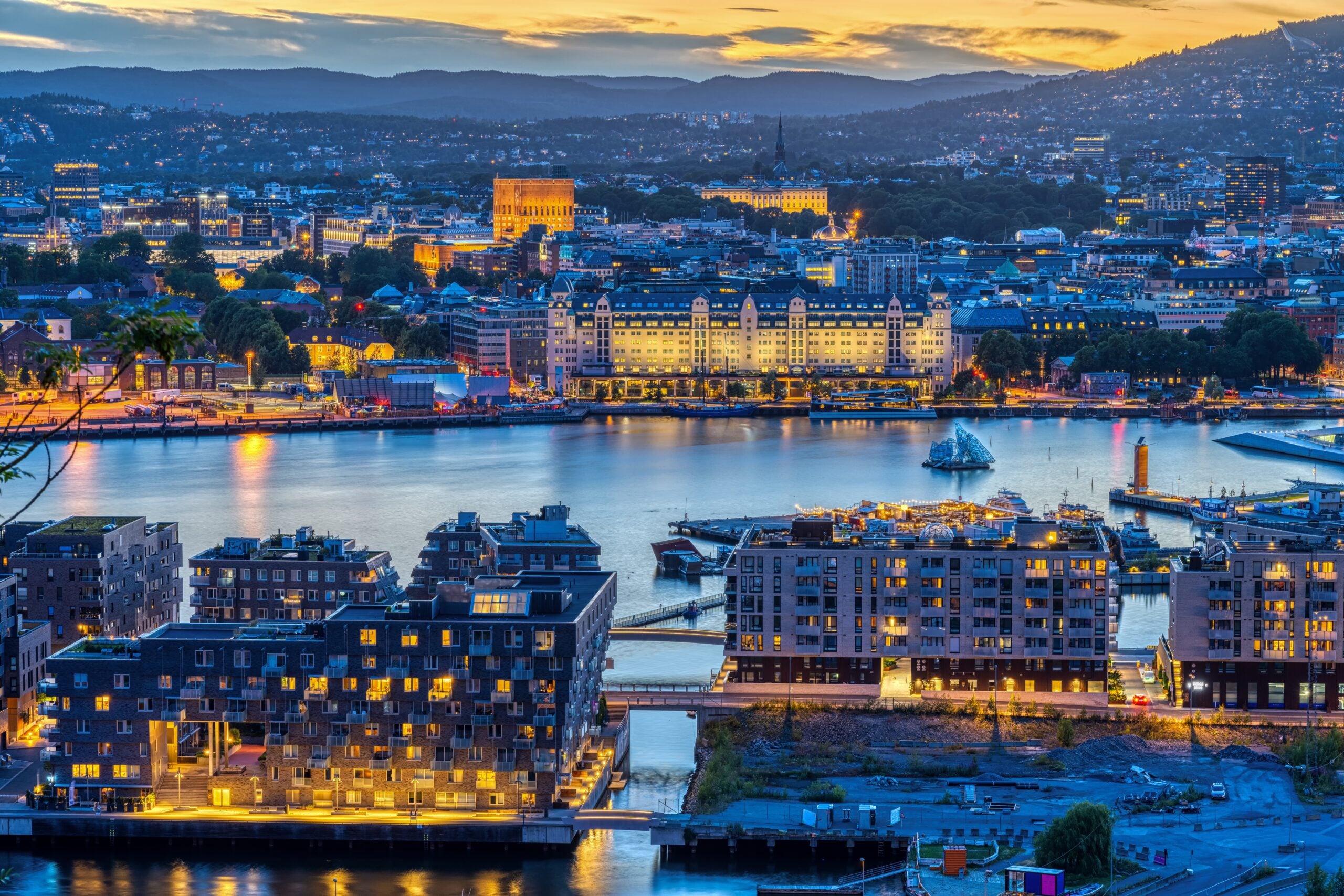
Norway is one of those countries that keeps popping up near the top of the UN’s HDI rankings, and it also tends to perform strongly in global well-being research like the World Happiness Report. High incomes pair with universal healthcare, long parental leave, and strong worker protections, and public investment helps services run smoothly even in smaller, remote communities.
Day-to-day life often leans toward balance rather than constant overtime. Nature is close—coastal walks, protected forests, and winter sports are part of normal routines in many places. Taxes are high, but many residents see it as a tradeoff for stability and long-term security.
2. Switzerland
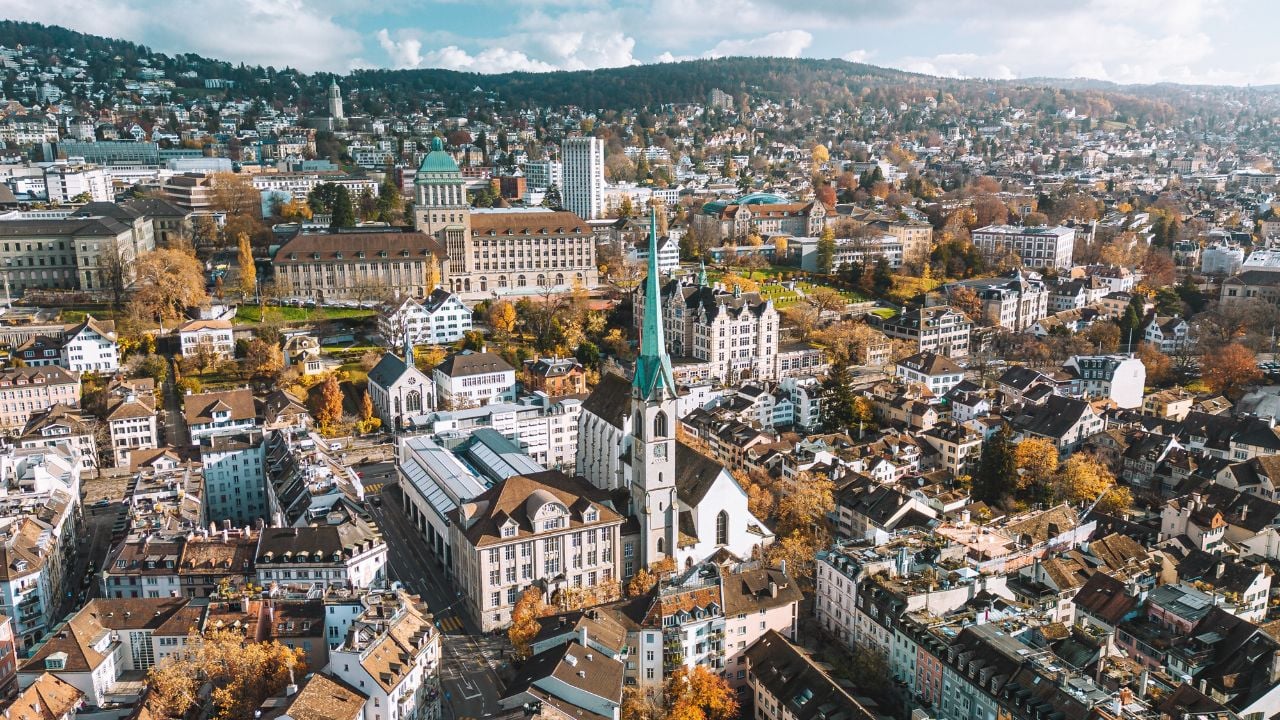
Switzerland’s “everything works” reputation comes from the basics: reliable public services, clean cities, and an excellent rail network that makes commuting and day trips feel easy. It also tends to rank highly on safety and income stability in international comparisons that track quality of life, including the Quality of Life Index-style summaries (good for a quick overview, not the only source).
The catch is cost. Housing, dining, and transit can be expensive, especially in major hubs and resort towns. Most visitors worry more about sticker shock than serious safety problems—though crowded trains and stations can still be a petty-theft hotspot.
3. Denmark

Denmark shows up in well-being rankings thanks to a strong safety net and a work culture that’s less “live to work” than many Americans are used to. Universal medical coverage, subsidized childcare, and broad access to higher education reduce long-term financial stress for many households. Public higher education is tuition-free for Danish and EU/EEA students, while most non-EU/EEA students pay tuition.
Urban planning is part of the appeal: bikes, pedestrian streets, and reliable regional trains make car-free living realistic in and around Copenhagen. Surveys often link Denmark’s high life-satisfaction scores to trust in public institutions and day-to-day stability.
4. Netherlands
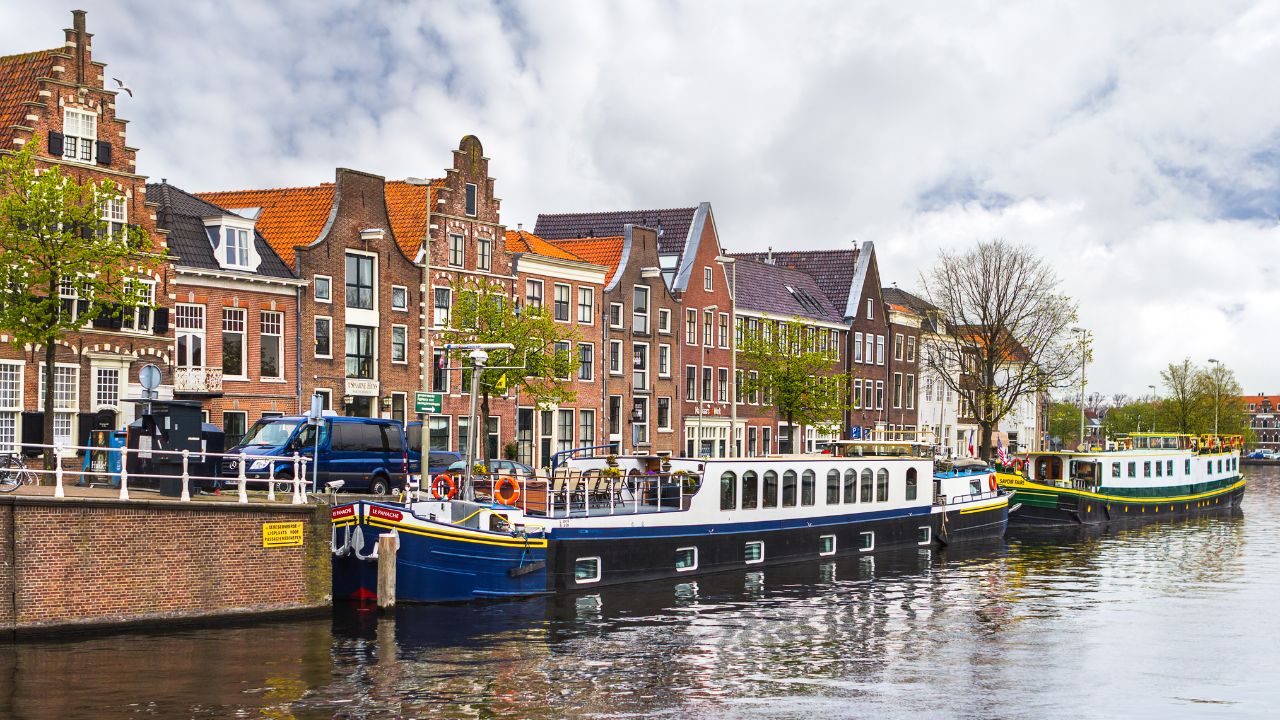
The Netherlands earns high marks for infrastructure quality, healthcare access, and international job mobility. English proficiency is also notably high by international benchmarks like the EF English Proficiency Index, which can make day-to-day integration easier for newcomers. Compact cities and dense rail networks also reduce dependence on private cars.
Work culture often emphasizes predictable hours and protected personal time. Long-term planning shows up everywhere, from flood-control engineering to urban water management. Many expat surveys also note that administrative systems feel relatively transparent and efficient compared with larger bureaucracies.
5. Sweden

Sweden mixes modern public services with strong environmental standards and a work culture that generally protects personal time. State-supported healthcare, long parental leave options, and extensive childcare programs help households plan with fewer surprises, while Stockholm and Gothenburg offer strong job markets in tech and industry.
Nature access is woven into daily life through the Right of Public Access, which gives people broad freedom to roam responsibly. It’s one reason city life doesn’t feel “boxed in”—trails, lakes, and countryside escapes stay within easy reach for many residents.
6. Canada

Canada ranks well in many comparisons thanks to universal healthcare coverage, strong education outcomes, and generally high perceptions of safety. It also attracts newcomers through established immigration pathways and diverse job markets in cities like Vancouver, Toronto, and Montreal. For the data-nerds, Canada’s HDI profile sits among the stronger performers on the UNDP country rankings page.
Outdoor access is a major lifestyle selling point: national parks, freshwater reserves, and protected wilderness are part of the country’s identity. Winters can be demanding, but many new residents find the infrastructure and seasonal “rhythm” makes it manageable once you’re set up properly.
7. New Zealand

New Zealand often shows up in lifestyle comparisons for its mix of environmental quality, public safety, and accessible healthcare. Auckland and Wellington offer stable employment sectors while keeping nature close—beaches, trails, and viewpoints are part of normal weekend life for many residents.
Governance scores also tend to run strong by international standards. Transparency International’s Corruption Perceptions Index consistently places New Zealand among the better-rated countries, which supports day-to-day confidence in public systems. Earthquake-focused building standards and preparedness planning add another layer of institutional resilience, though distance from major markets can raise import prices.