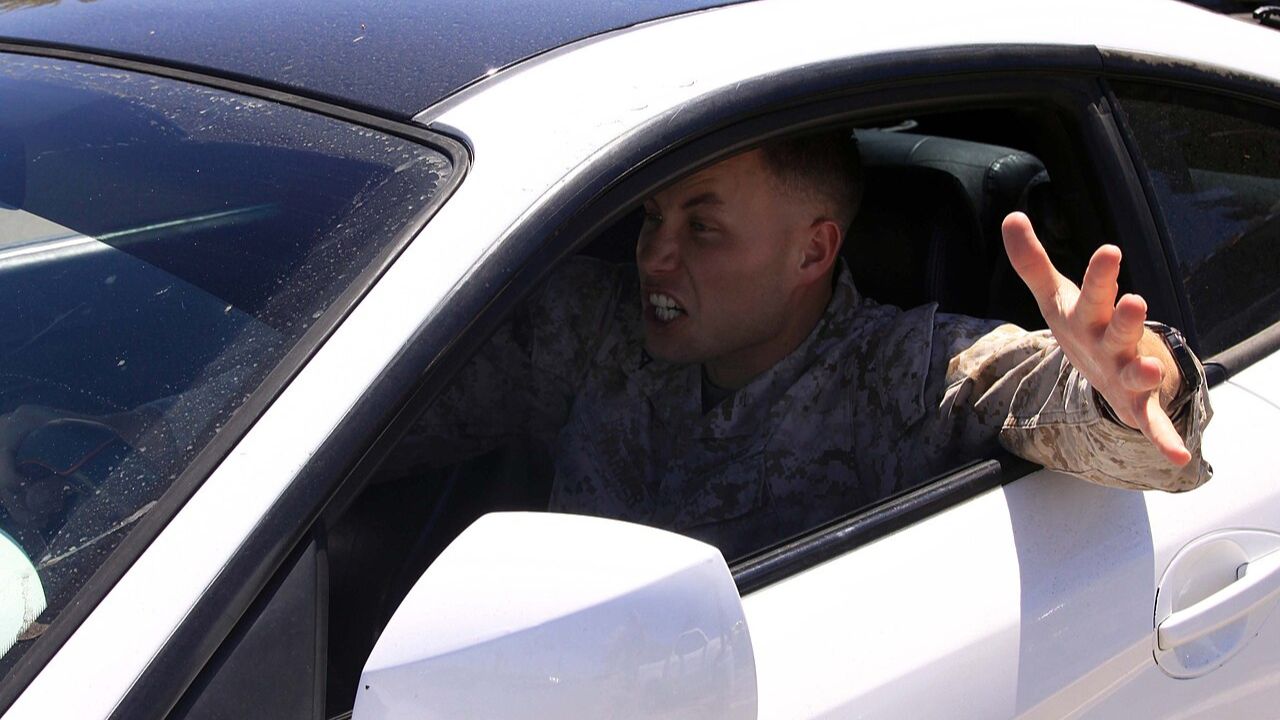

In this part of the world, where highways and city streets are nothing short of arteries of daily life, the Americans driving style can reveal more about national attitudes than just traffic statistics. That’s why we think this new comprehensive study surveying drivers in 40 of the largest U.S. cities is worth a discuss.
The survey paints a picture of widespread irritation, everyday danger, and deeply personal frustrations behind the wheel. The Lemon Law Experts study asked drivers not only what behaviors they witness on the road, but also what behaviors they admit to themselves.
The answers drawn from this dataset open a window into driving culture across the nation. The results are as troubling as they are revealing.
At the heart of the analysis lies a strongly ranked list of the most annoying drivers in America. Topping the chart with an astonishing score of 98.50 out of 100 was Miami, Florida, where a clear majority of residents agreed that local motorists are persistently irritating.

An overwhelming 86 percent of Miami drivers rated their fellow citizens as a seven or higher on a ten-point annoyance scale. That level of consensus is rare in national surveys of this type and breath.
Breaking Down the Worst Offenses
To understand what such a ranking really means, the study broke behaviors into categories. In aggressive driving, actions like excessive honking, tailgating, and verbally confronting other motorists were included.
Here again, Miami led the nation, followed closely by Philadelphia, Pennsylvania, where more than six in ten residents reported witnessing rude gestures and shouting matches between drivers. Some respondents even reported seeing drivers exit their vehicles to confront others.
Other categories shed light on different kinds of frustrations experienced on the road. In reckless driving, which includes cutting across lanes without signaling and rolling through stop signs, Las Vegas, Nevada dominated the rankings.
Residents there reported universally high rates of risky behaviors like using phones while driving, speeding on major roads, and illegal U-turns.
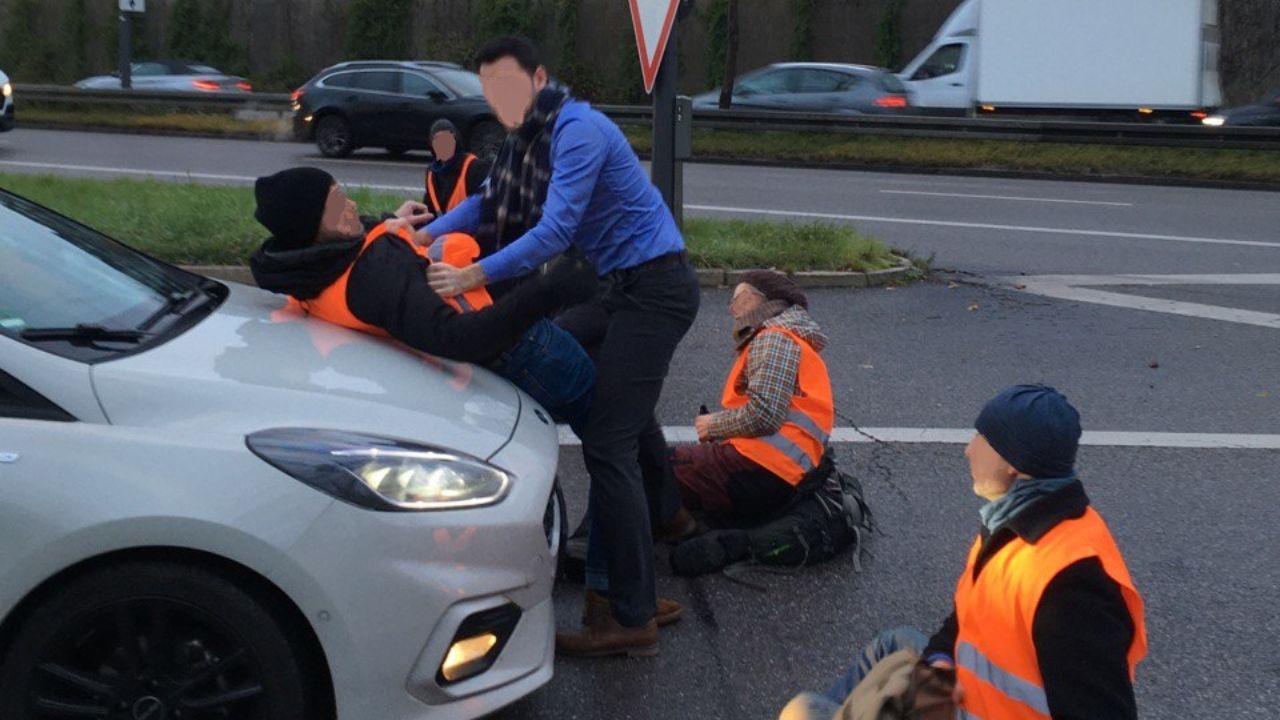
Meanwhile, distracted driving was especially pronounced in places like Oklahoma City, Oklahoma and Orlando, Florida, where nearly half of drivers admitted to using their phones when they were behind the wheel.
The survey’s title is about “annoying drivers,” but the results pose a grave safety concern, given that the National Highway Traffic Safety Administration linked distracted driving to more than 3,200 deaths on U.S. roads in 2023 alone.
Entitlement on Wheels
The study also looked at behaviors that fall into social categories such as entitlement and rudeness. In the former, behaviors like double parking and blocking crosswalks surfaced at high rates in New Orleans, Louisiana.
In the latter, Sacramento, California took a leading position, with many reporting drivers littering from moving vehicles. In terms of obnoxious parking, both San Francisco and Los Angeles registered high levels of complaints from residents who frequently saw curbside pickups used as regular parking spaces without regard for others.
Beyond behaviors witnessed in others, the survey also asked drivers what they themselves admit to doing. Two in five Americans said they had speeded on major roads, and nearly 40 percent confessed to using their phones while driving.
Roughly one quarter admitted to rolling through stop signs and making illegal U-turns. These self-reported habits paint an uncomfortable portrait: many drivers recognize the problem, and many contribute to it.
Confession Time
These findings — national at scale — are particularly compelling considering how they intersect with everyday life. Something as seemingly simple as failing to signal a lane change or neglecting to dim high beams when another car approaches may appear trivial on its face.
But when such behaviors are routine across a population, they contribute to stress, risk, and diminished civility on roads that millions of people rely on each day.
What we see in this study is a snapshot of why drivers across the country complain so bitterly about their peers. It reveals how common these behaviors are and how deeply they affect perceptions of driving.
Do drivers see these habits as annoying, normal, or dangerous? The data confirms that the road ahead for American driving culture is one that must reckon with both personal responsibility and shared courtesy.
Sources: The Lemon Law Experts