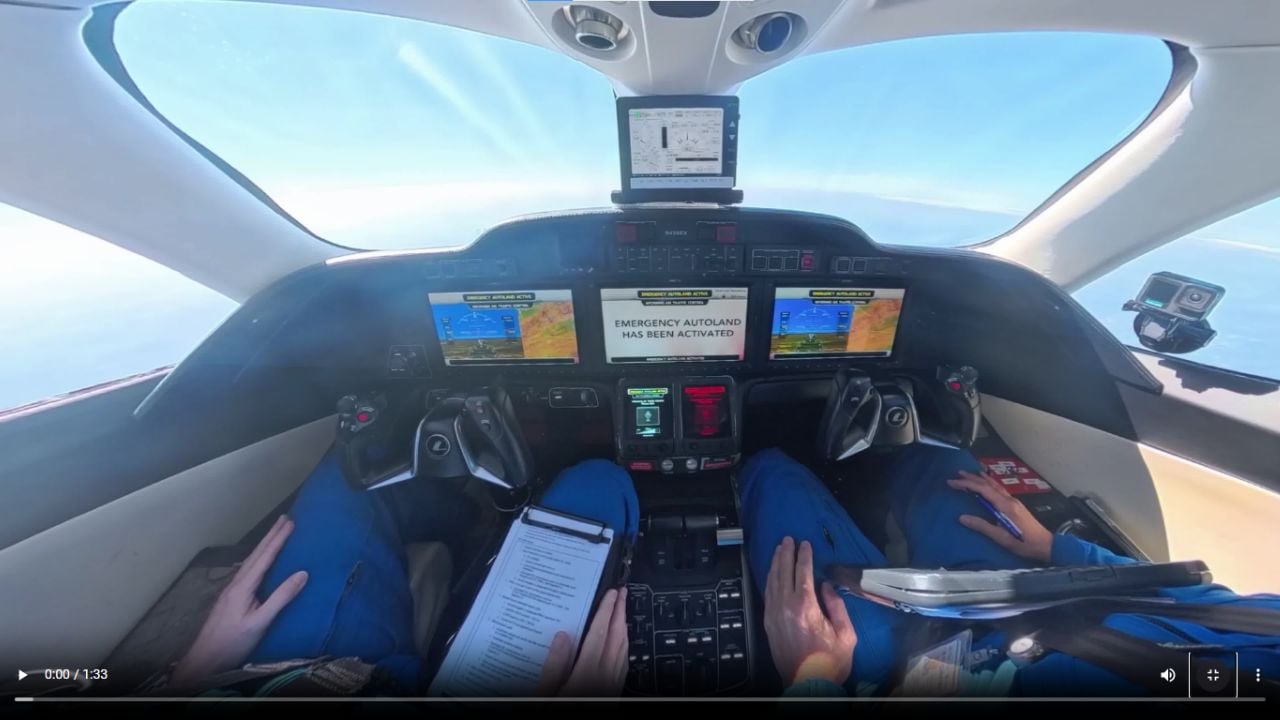

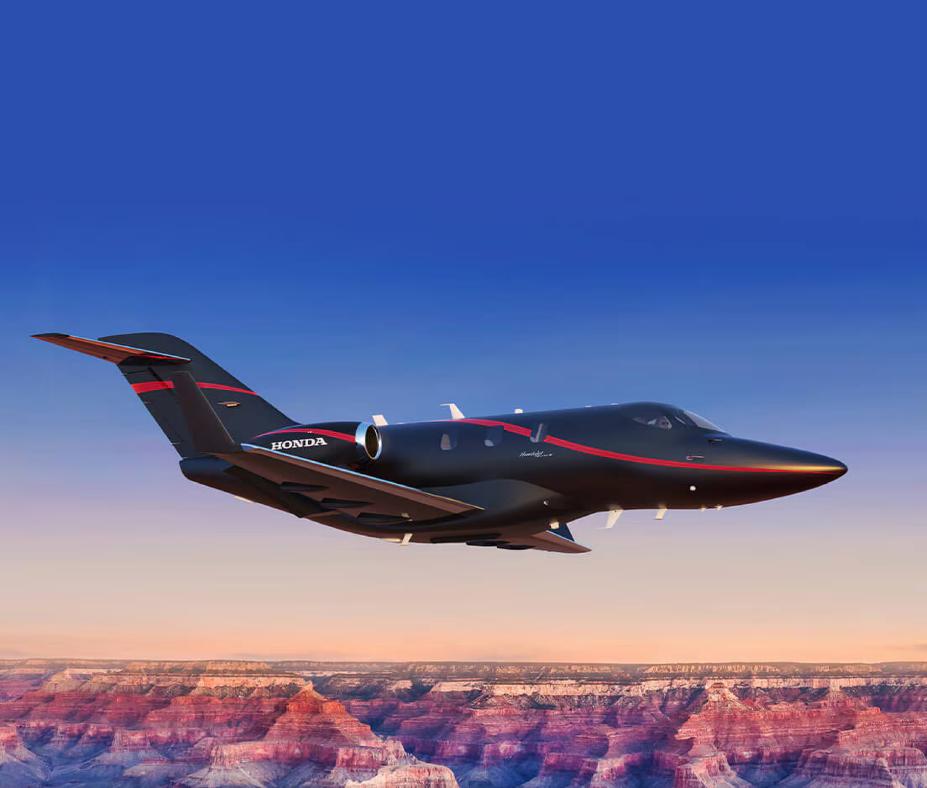
In a step that may reshape expectations for safety automation in business aviation, Honda Aircraft Company’s HondaJet Elite II has received Federal Aviation Administration certification to equip the Garmin-powered Emergency Autoland system.
The FAA’s nod makes this aircraft the first production twin-turbine very light business jet certified to offer autonomous emergency landing capability as an option for owners and operators in the U.S.
Self-Landing Business Jet
Emergency Autoland is designed to take complete control of a jet in the event the pilot cannot fly.
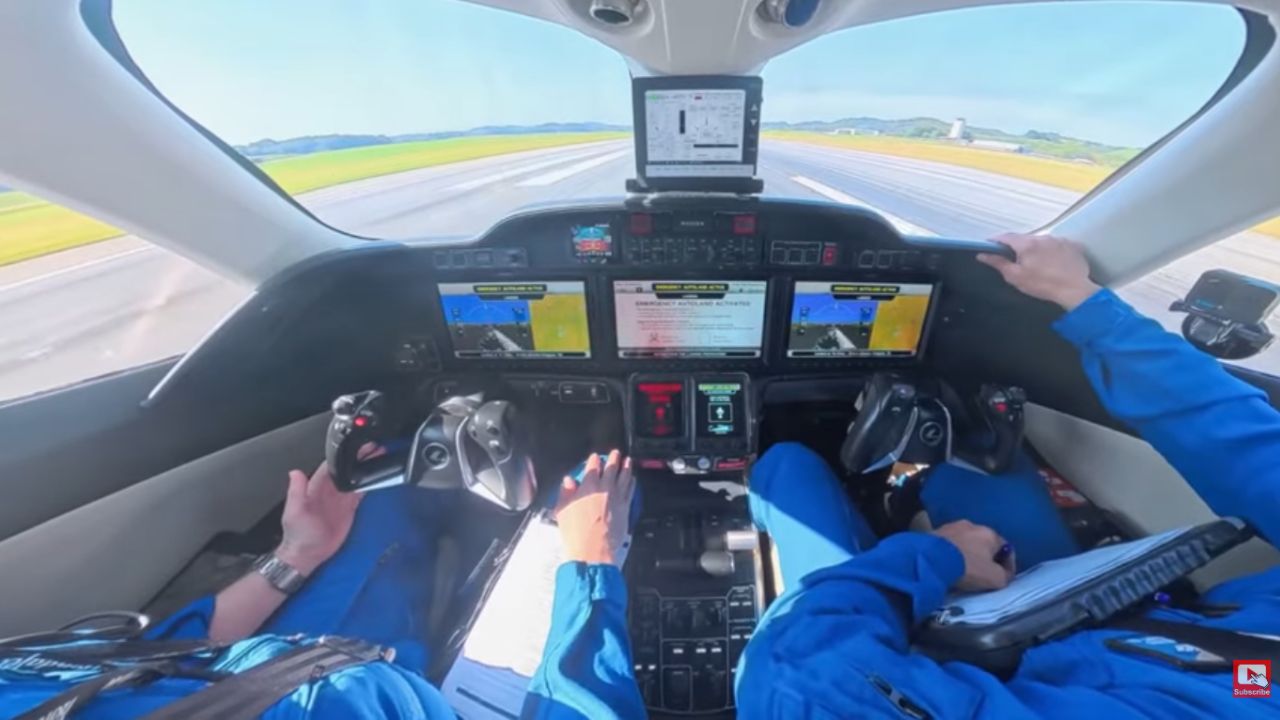
Once activated — either by the pilot pressing a dedicated control, by monitoring systems detecting an incapacitated pilot, or through cockpit automation — the system transmits necessary distress signals to air traffic control, navigates to the most suitable airport, manages communications, follows published approach procedures and executes the full landing sequence with no human input.
This is a significant achievement for Honda Aircraft, a subsidiary of Honda Motor Company that began producing light business jets in the 2010s.
The Elite II builds on a lineage of innovation from the original HondaJet, launched in 2015, and incorporates a high-technology Garmin G3000 avionics suite, autothrottle systems, and advanced flight control automation developed over years of certification and flight testing.
How Emergency Autoland Works
At the core of the HondaJet Elite II’s new system is Garmin’s Emergency Autoland technology, which has been in FAA certification pipelines for several years and is the same family of automation used in other general aviation aircraft. Once engaged, Emergency Autoland will autonomously:
- Establish radio communications, transmitting emergency codes and alerts
- Select an appropriate nearby airport with sufficient runway
- Navigate terrain and weather data
- Fly a stabilized instrument approach
- Descend and touchdown
- Apply brakes and bring the aircraft safely to a stop
Pilots can engage the system manually, granting passengers or crew a simple way to trigger landing assistance, or it can engage based on sensor input if a pilot becomes unresponsive.
The HondaJet Elite II isn’t the first aircraft to adopt autonomous landing technology. Garmin’s Autoland system has been certified on general aviation aircraft like the Piper M600/SLS featuring the HALO Safety System, and numerous single-engine airplanes and turboprops.
The Cirrus SR Series G7+ with Safe Return Emergency Autoland, for example, incorporated similar technology certified by the FAA earlier, allowing passengers to engage the system in emergencies on a piston-powered aircraft. That system automatically flies to and lands at the nearest suitable airport.
The technology’s real-world deployment has moved beyond controlled tests. In late 2025, a Beechcraft Super King Air B200 equipped with an Autoland system automatically landed after pilots reported a loss of cabin pressure/. That incident demonstrated the technology’s potential life-saving capability outside simulations or demonstrations.
Context and Implications for Aviation Safety
Business jets have historically relied on pilot skill and redundancy in crew for safety. Emergency Autoland adds a new layer of risk mitigation, particularly valuable for single-pilot operations or situations where sudden incapacitation might otherwise lead to disaster.
The HondaJet Elite II’s certification formalizes the technology’s acceptance in a turbine-powered business aircraft category that often flies at high altitudes and over inhospitable terrain.
The Elite II’s certification flight testing for Autoland wrapped up in late 2025 and follows the Elite II’s earlier approval for autothrottle functions — a critical foundation for full autonomous landing capability.
Beyond HondaJet, other OEMs are preparing to integrate similar systems into upcoming business jet variants, including next-generation versions of the Cessna Citation family, expanding the reach of autonomous safety automation in higher performance aircraft.
What’s Next?
Honda Aircraft is now pursuing additional international regulatory certification to make Emergency Autoland available globally on HondaJet Elite II aircraft, as part of a broader strategy to enhance safety and customer confidence worldwide.
CEO Hideto Yamasaki framed the achievement as more than a milestone in hardware or software. In his words, it reflects Honda’s commitment to “delivering new value to customers,” offering peace of mind for every flight.
We’ll be watching closely to see how these systems evolve and how regulators, pilots, and passengers adapt to a future where jets might safely land themselves when humans cannot.