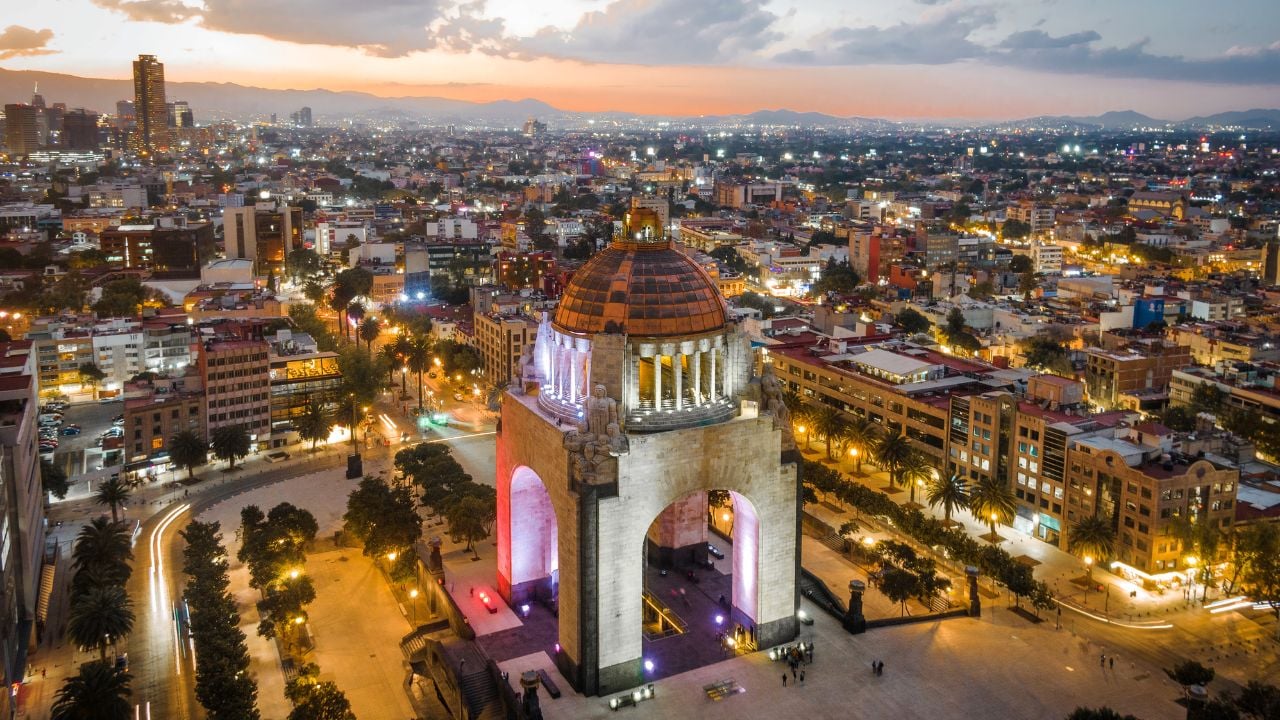
Mexico’s best meals often happen in ordinary-looking spots: a busy stall with three items on the menu, a family dining room that fills at noon, a market counter where the cook knows everyone’s order. The easiest way to taste widely is to pick a strong base, then eat by neighborhood, not by “top ten” lists. One great breakfast, one memorable midday meal, one simple supper, and the trip already works.
For a smoother experience, follow crowds that look local, carry small cash, and show up early for places known to sell out. Regional specialties change by state, climate, and history, which is why Mexican cuisine is recognized by UNESCO as a living cultural tradition tied to farming, technique, and community. Use this slideshow as a map for where those traditions show up on the plate.
1. Mexico City
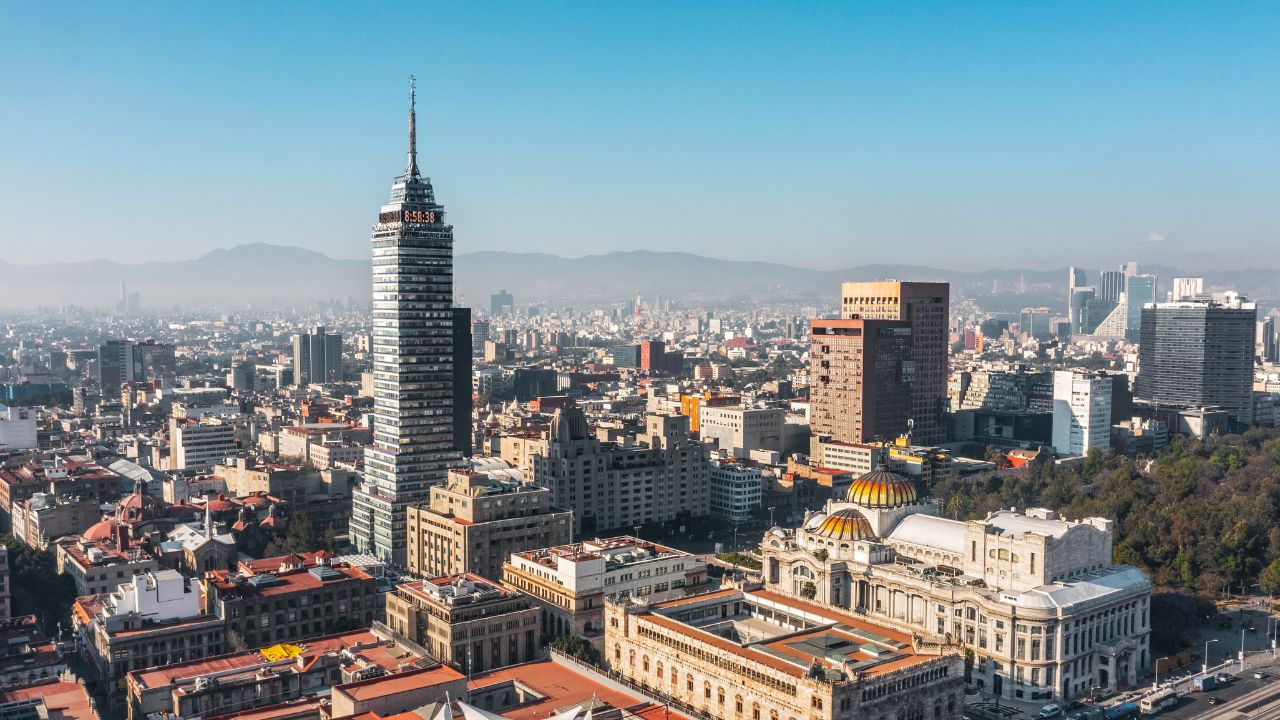
Start with the capital’s public markets, where snack culture lives at full volume. La Merced Market is described by the city’s tourism guide as the largest “traditional market” in town, and it’s the kind of place where you can taste your way through produce, chiles, and prepared foods in a single walk. Nearby, Mercado de San Juan (Ernesto Pugibet) leans gourmet and is known for unusual ingredients and serious shoppers.
Anchor the morning around one market, then switch to a single neighborhood for an afternoon crawl. Tacos de guisado, tlacoyos, tamales, and bowls of pozole can all show up within a short radius if you keep walking. Late-night cravings are easy to satisfy, but a midday reset helps you pace yourself for round two.
2. Oaxaca City
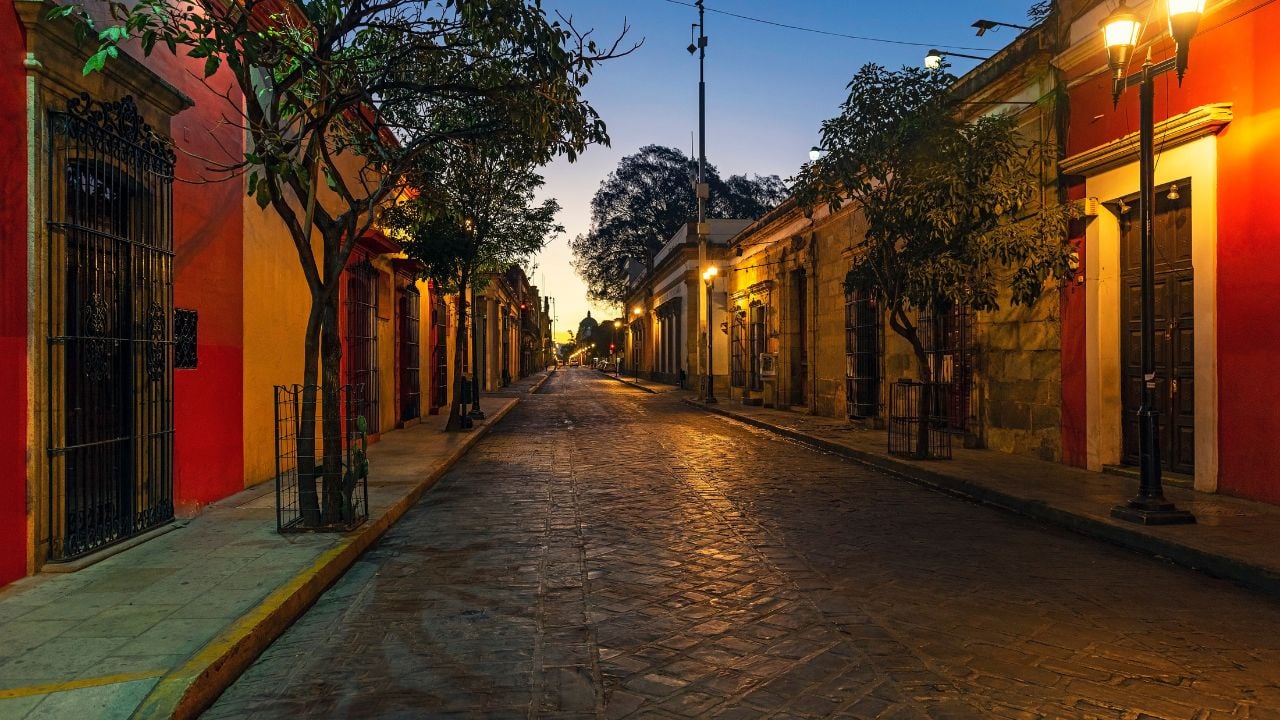
Oaxaca’s reputation comes from deep sauces, smoky grilling, and corn-based street classics that stay consistent year after year. The city works well as a base because markets and sidewalk grills are central, not an “activity,” so tasting feels natural rather than staged. Tlayudas are one signature, widely described as a traditional Oaxacan dish closely tied to the region.
Arrive hungry to a market aisle, then pick one stand and order the house specialty instead of sampling randomly. Mole variations can be complex and filling, so splitting portions helps the day stay balanced. When evening settles in, grilled meats and toasted corn aromas start drifting through the streets, which is your cue to choose one unforgettable plate.
3. Puebla

Puebla earns its culinary fame through dishes tied to seasonal ingredients and celebratory traditions. Chiles en nogada are strongly associated with the state, and many descriptions note they show up most often in August and early September, when pomegranates are in season. That timing matters if you want the classic version rather than a year-round imitation.
Treat the historic center as your walking dining room: breakfast in a market, lunch at a long-running restaurant, then a pastry stop before dinner. If you spot cemitas on a menu, consider one as a portable, satisfying option between bigger meals. Leave the afternoon loose, because Puebla is the kind of place where you will want to linger when you find a perfect mole or a great sweet.
4. Guadalajara
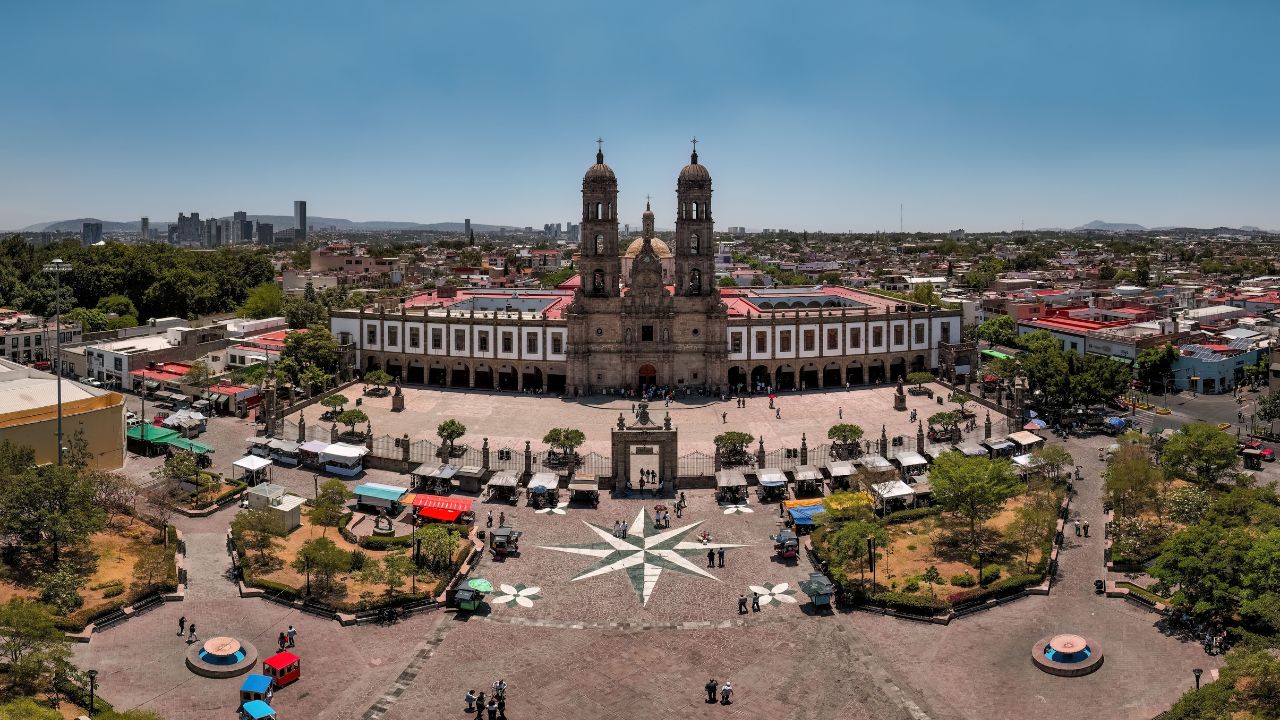
Jalisco’s capital is a heavyweight for comfort foods that feel built for sharing. Birria and tortas ahogadas are repeatedly cited as regional standouts linked to the state’s culinary identity. A good first day here is basically a guided tour of broth, salsa, and bread.
Go early for birria, then save the sandwich for later, since a torta ahogada is proudly messy and very filling. Neighborhood exploring pairs well with snacking, especially in areas known for cafés and casual dining. Tequila country is within reach for a low-effort bonus, but you can also stay in town and eat brilliantly without leaving the city grid.
5. Mérida
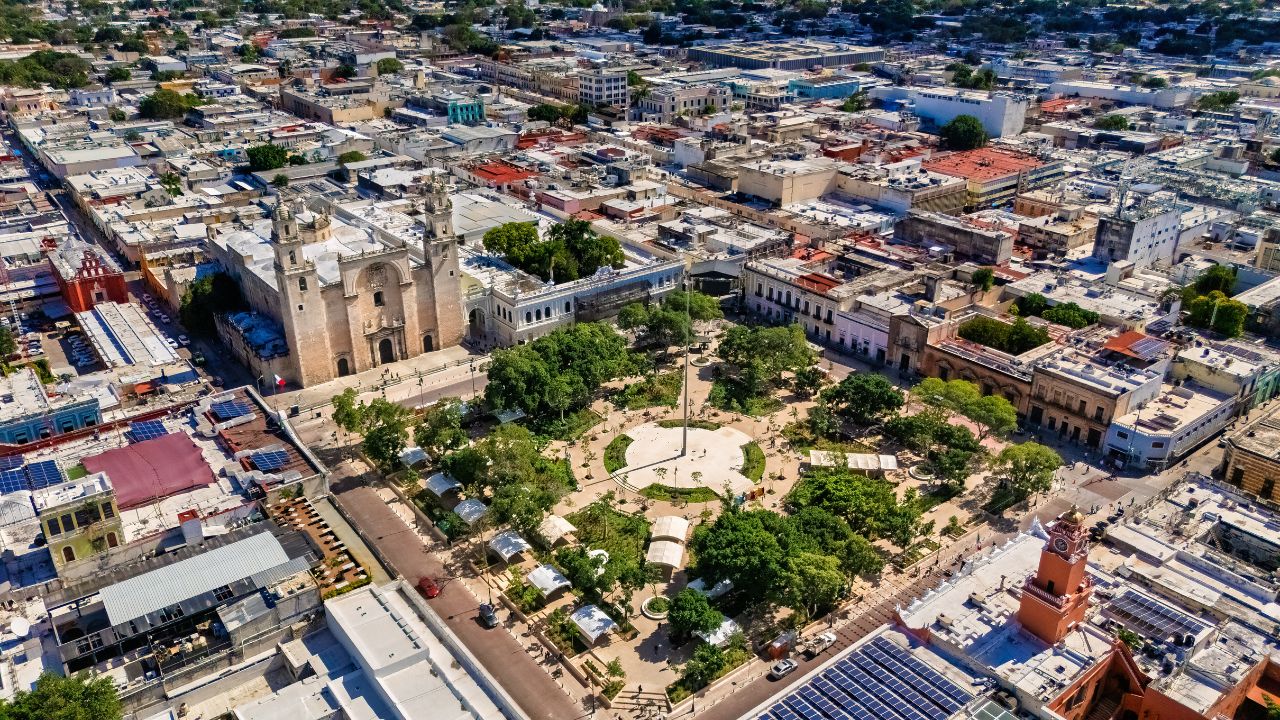
Yucatán cooking has a distinct personality, built around achiote, citrus, and slow-cooked meats that show up in tacos, tortas, and plates meant for long lunches. Cochinita pibil is one of the best-known examples, often described as pork cooked slowly after being marinated with achiote and sour orange-style flavors. Mérida is an ideal base because you can taste widely in the center, then retreat for a midday break when the heat peaks.
Look for panuchos, salbutes, and sopa de lima as easy “order and learn” entries into the regional repertoire. Markets and casual restaurants often deliver the most satisfying versions, especially at breakfast and lunch. In the evening, a slower meal fits the city’s rhythm, with dessert and coffee turning into a long conversation.
6. Veracruz
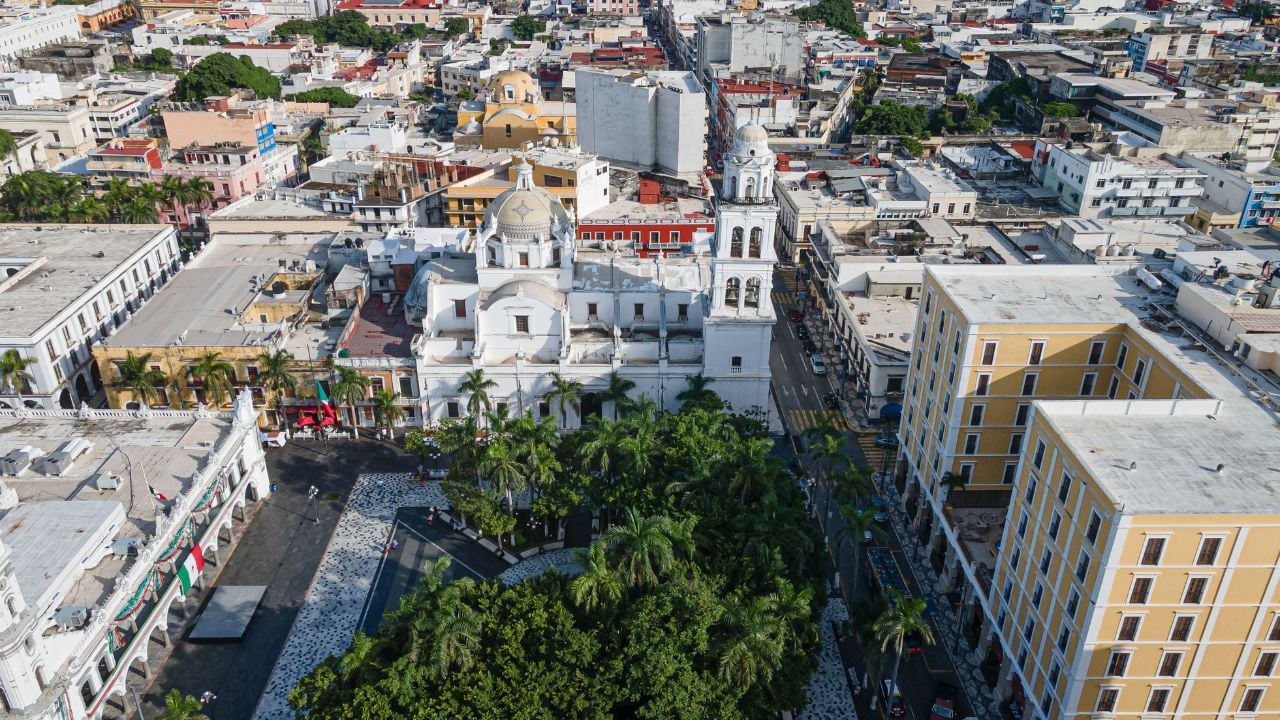
On the Gulf Coast, seafood and Afro-Caribbean-influenced flavors shape the table in ways that feel different from inland classics. A hallmark dish to watch for is pescado a la veracruzana, commonly described as fish in a tomato-based sauce with ingredients like olives and capers. That salty, briny profile is a welcome change of pace if your trip has leaned heavy on grilled meats and rich sauces.
Take a waterfront walk between meals and let the harbor set the mood. Coffee culture is also part of the experience in this region, so a café stop can double as both a snack and recharge. When the sun drops, pick one seafood spot, order simply, and let freshness do the talking.
7. Ensenada
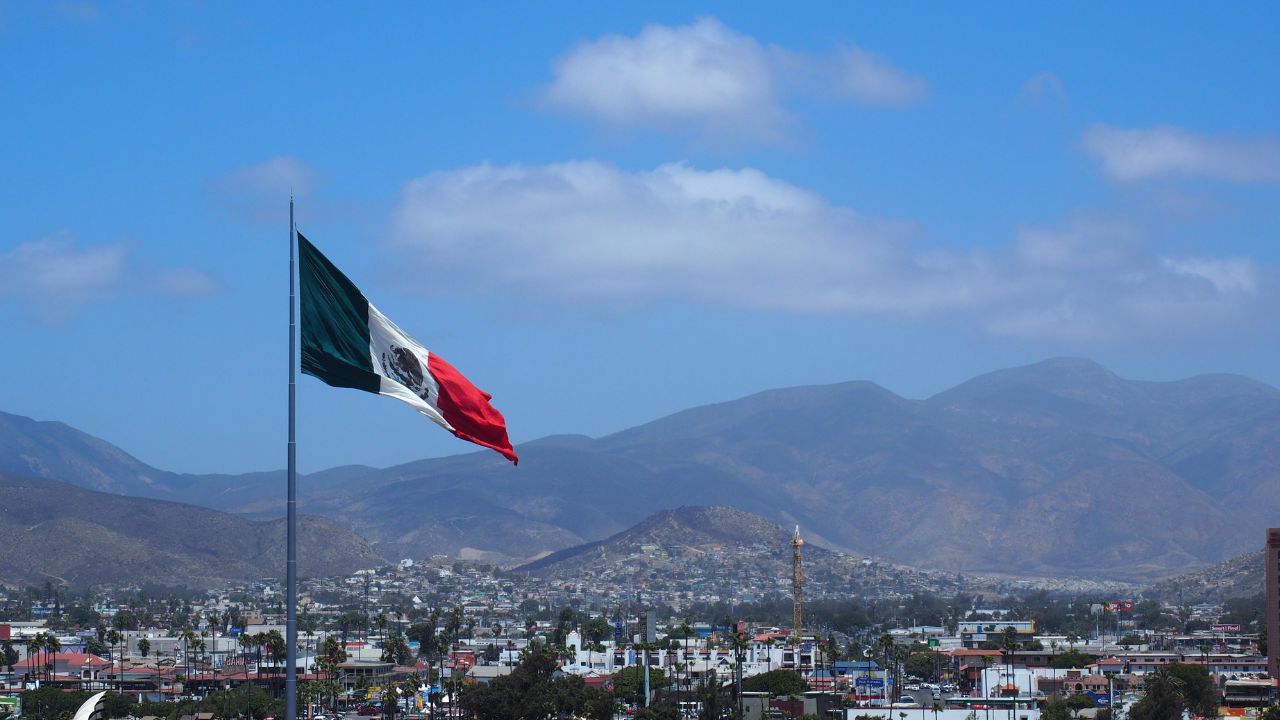
Ensenada is a dream for anyone who wants sea-to-table flavors without fuss. The city is closely tied to Baja’s fish taco story, and Rick Bayless notes that historians agree fish tacos originated around the “Mercado Negro” fish market in Ensenada. Beyond tacos, raw bars and street carts can deliver oysters, clams, and sea urchin that taste like pure coastline.
Keep the day light and eat in short bursts rather than doing one huge sit-down meal. A quick detour toward Valle de Guadalupe can add wine and farm-to-table menus, yet the town itself already covers plenty. Sunset is prime time for a seaside snack, with salty air doing half the seasoning.
8. San Cristóbal de las Casas
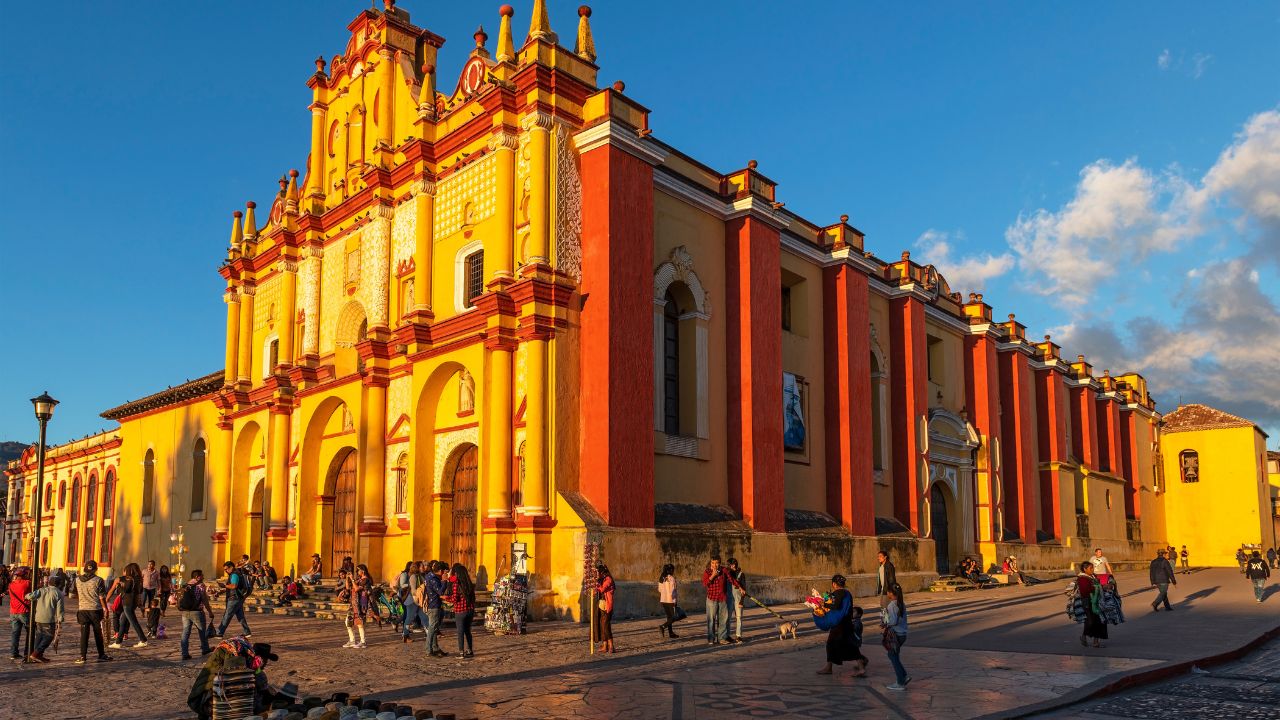
Highland Chiapas brings cooler evenings, strong coffee, and comforting dishes built around corn and herbs. Chipilín tamales are a classic example, frequently described as masa parcels studded with chipilín leaves. In San Cristóbal, cafés and small restaurants make it easy to taste slowly, which suits the altitude and the laid-back pace.
Start with a warm breakfast, wander artisan markets, then come back for something hearty at lunch. Local cheeses and hot drinks often show up alongside regional staples, so plan an afternoon pause. When night arrives, a soup or tamal-focused supper feels exactly right in the cool air.
9. Morelia
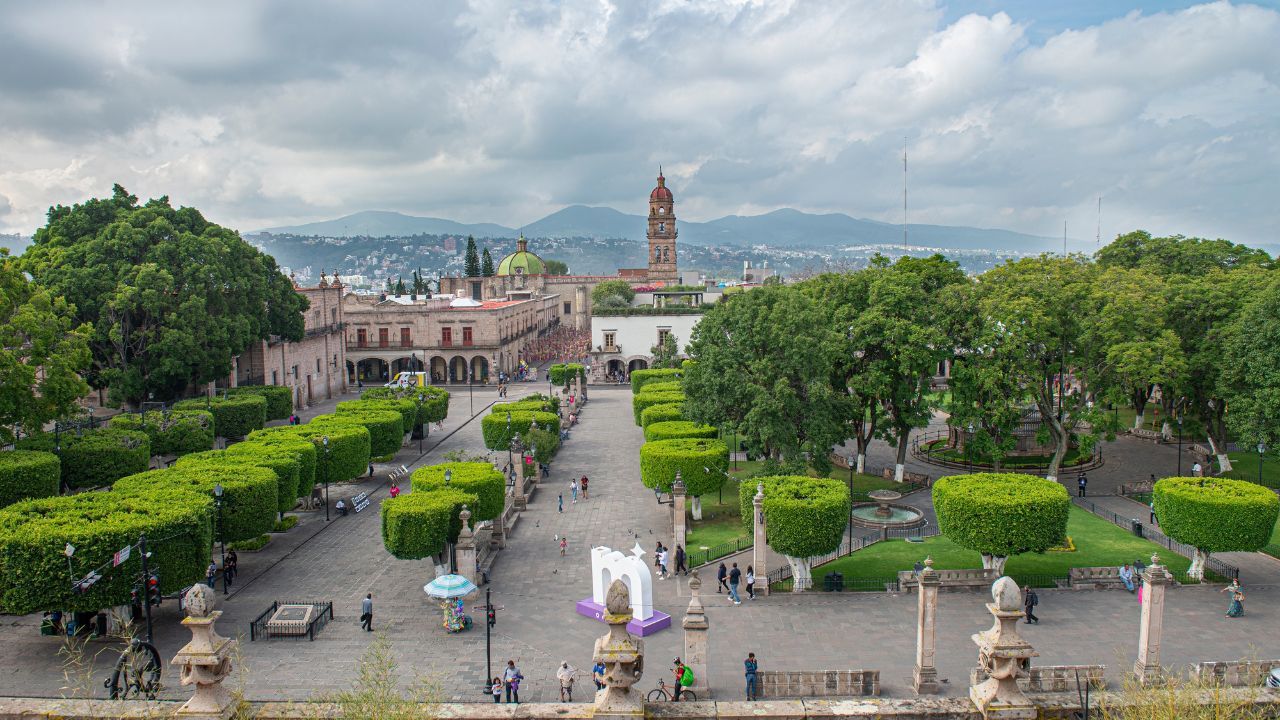
Michoacán holds a special place in Mexico’s culinary identity, including the well-known “Michoacán paradigm” referenced in UNESCO’s recognition of traditional Mexican cuisine. Morelia makes a comfortable base for tasting, with walkable streets and plenty of places to sample regional staples without constant transit. The state is especially linked with carnitas culture, which is part of why food-focused travelers make a point of eating here.
For a classic carnitas detour, many references credit Quiroga as a key place tied to the dish’s story and reputation. Back in town, look for corn-based snacks and sweets that balance richer meats. A relaxed café break helps because Michoacán cooking can be indulgent in the best way.
10. Monterrey

Northern Mexico has its own flavor logic, and Monterrey is the name most travelers associate with fire and smoke. Cabrito is regularly described as a regional specialty of Monterrey and Nuevo León, which is why it appears on so many must-try lists. Pairing roasted goat with salsas and warm tortillas turns a straightforward meal into a full event.
Make lunch the centerpiece, then go lighter later so you do not burn out on heavy plates. Carne asada culture also runs strong in this region, so sharing works better than solo ordering. End with something sweet and a slow walk, letting the city settle after a bold, satisfying day.