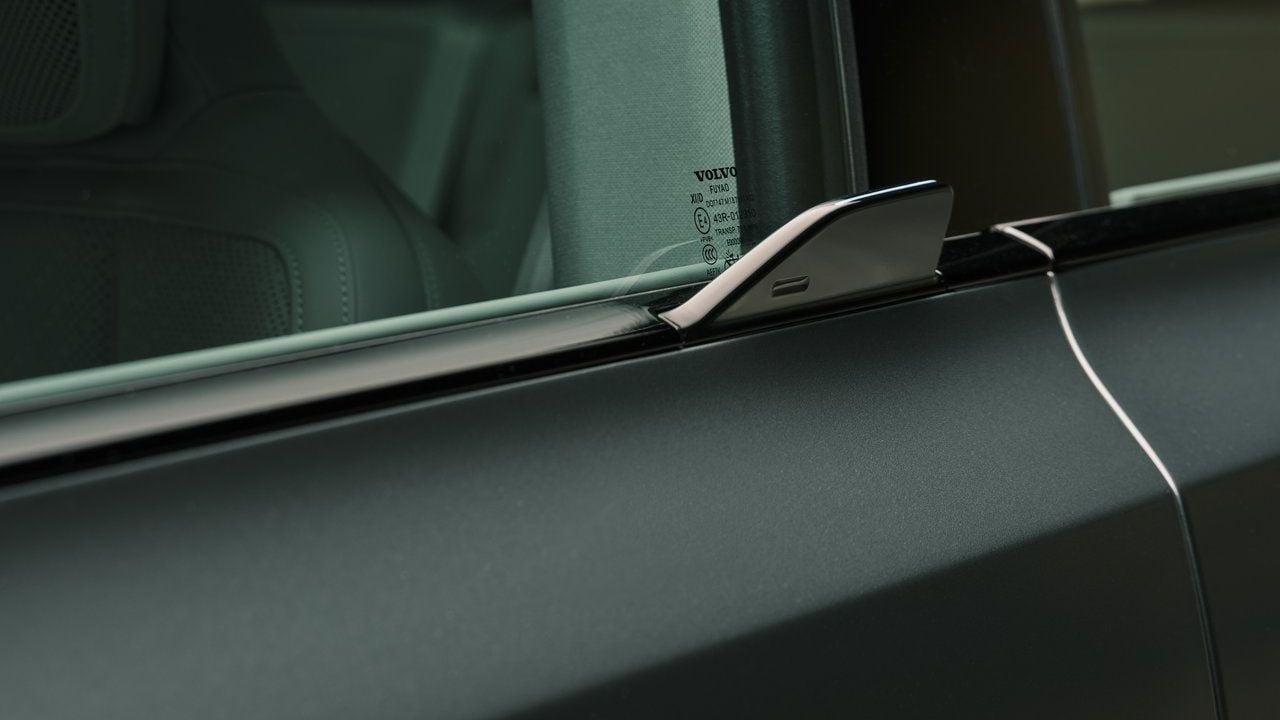

Volvo’s all-new EX60 electric SUV just fanned the flame of an ongoing, contentious industry debate by embracing electronic exterior door handles while addressing the underlying safety concerns that have dogged similar designs from competitors.
The Swedish automaker’s solution centers on system redundancy and intuitive mechanical backups so occupants and first responders can reliably open doors even when traditional power sources fail.
The Promise and Peril of Electronic Handles
Electronic door handles have become commonplace in electric vehicles because of their aerodynamic advantages and modern aesthetic.
On the EX60, Volvo uses shark-fin-style handles mounted in the window trim. Pressing a rubberized button on the back of each fin triggers the electronic latch to open the door. This design helps reduce drag and improve efficiency, a key consideration as manufacturers pushes for longer electric range.
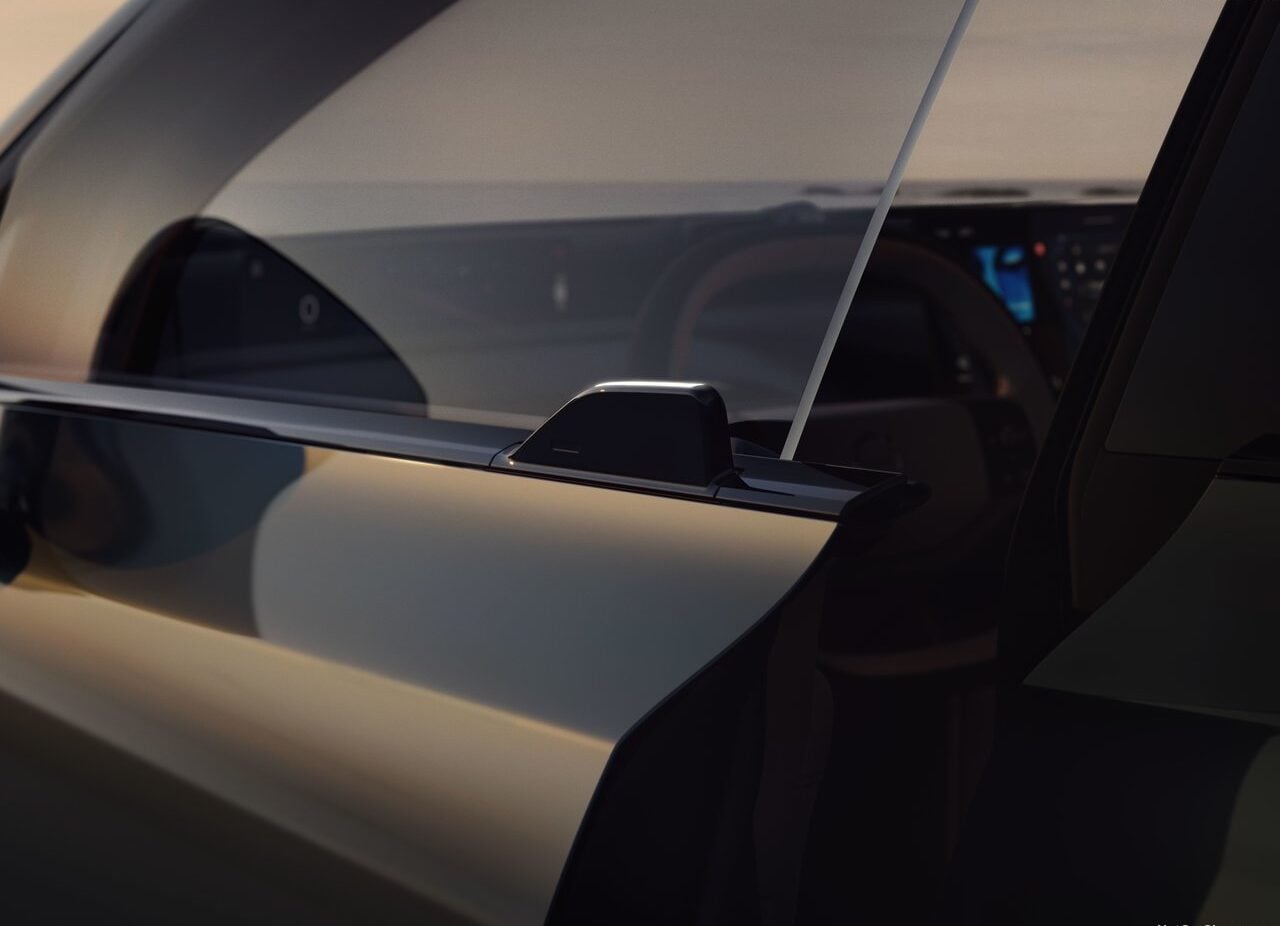
Despite these benefits, electronic door handles have drawn scrutiny from regulators and the general public. The core concern is the so-called “extraction problem.” Unlike traditional mechanical handles, electronic latches rely on power to operate. If a vehicle’s electrical system is compromised – for example after a crash or when a 12-volt battery fails – occupants may be unable to open doors, even in emergency situations.
In past cases involving other brands, some drivers and passengers were left struggling to exit vehicles because they could not locate or operate backup mechanisms.
Volvo’s answer to this challenge focuses on eliminating single points of failure. The company integrated redundancy into both the power supply for emergency systems and the interior door release mechanism itself. According to Anders Bell, Volvo’s Chief Technology Officer, the design intent is to ensure that a panicked passenger can escape in any scenario where the car’s power might be compromised.
Redundancy is Key
One of the most significant elements of Volvo’s solution is dual redundant DC-to-DC converters. Unlike many EVs that have a single converter to step high-voltage battery power down to 12-volt systems, the EX60 has two independent converters located under the rear seats.
Each converter can supply the essential low-voltage systems, including door mechanisms, lighting, and safety electronics. The converters are cross-linked so that if one fails or is damaged in a collision, the other can still provide sufficient power to operate emergency features.
Volvo engineers chose this configuration because the rear under-seat area is one of the most protected zones in the vehicle structure, making it unlikely that both converters would be knocked out in a crash.
Volvo also rethought the interior door release. Inside the EX60, the normal door handle serves both as the electronic release and the mechanical backup. A gentle pull activates the electric latch as usual. If the electronic system is unavailable, a firmer pull on the same handle mechanically engages a cable that opens the door.
This approach avoids the confusion that can arise with separate or hidden emergency releases found in some other EVs, where users must locate a distinct lever or button during stressful situations.
Exterior access after a crash is another key consideration. The EX60 is programmed to automatically unlock doors when a collision is detected so that rescue personnel can gain access as quickly as possible. Even if the conventional 12-volt battery is completely dead or destroyed, the redundant power architecture ensures the exterior handles remain functional for those needing to exit the vehicle or assist others.
A Proactive Answer to a Regulatory Debate
Volvo’s focus on redundancy and intuitive design comes at a time when regulators in some regions are reviewing electronic handle designs more closely.
Several high-profile incidents involving fully electric door mechanisms have prompted legislative proposals to mandate mechanical overrides or redesigns that ensure occupants can exit safely without specialized knowledge of hidden latches.
Volvo’s approach may help pre-empt regulatory pressure by addressing the root safety concerns rather than merely modifying the shape or placement of the handle itself.
With the EX60 scheduled to reach showrooms later this year and expected to compete with a wave of new electric SUVs from rival brands, Volvo’s door handle solution could set a new benchmark for marrying modern EV design with uncompromised safety.
Sources: InsideEVs