
As the dust settles on the Ford Escape’s retirement, dealers across the U.S. are confronting a stark new reality: one of the brand’s top bread-and-butter vehicles is gone, and with it goes a reliable pipeline of showroom foot traffic and future sales.
For 25 years, the compact SUV known simply as the Escape was one of Ford’s most dependable sellers. The world’s first-ever production hybrid SUV and Ford’s first hybrid offering — a versatile, affordable, and everyday choice for families, commuters and value-conscious buyers.
But with production ending at Ford’s Louisville Assembly Plant in December 2025 as the automaker pivots production lines toward its next generation of electric vehicles, a big empty space now sits on dealer lots.
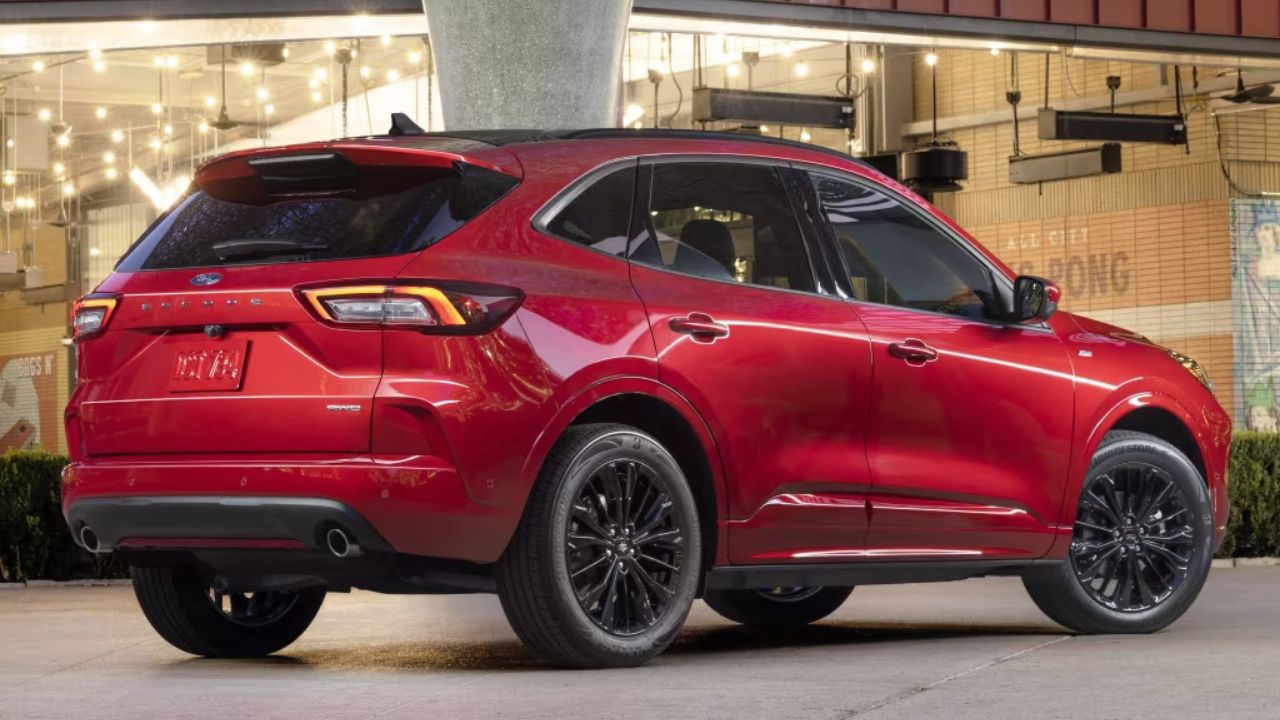
According to Automotive News, that gap has dealers nervous. Without a direct Escape successor, dealers fear customers may simply drift away — either to competing brands with strong compact-SUV portfolios or to crossover variants that don’t quite scratch the same itch.
As one Ford National Dealer Council board member told Automotive News, keeping those customers “in the Ford family” is now front and center.
“We have a strategy to retain Edge and Escape customers with a targeted marketing and incentive plan. We need to keep those customers in the Ford family,” said Steve Blasing, chairman of the council. “We need a good mix of more affordable packages, and we have to offer very attractive payments.”
A Model That Drove Loyalty
The Escape was more than just another SKU in Ford’s lineup. It was often the first step in a long customer relationship.
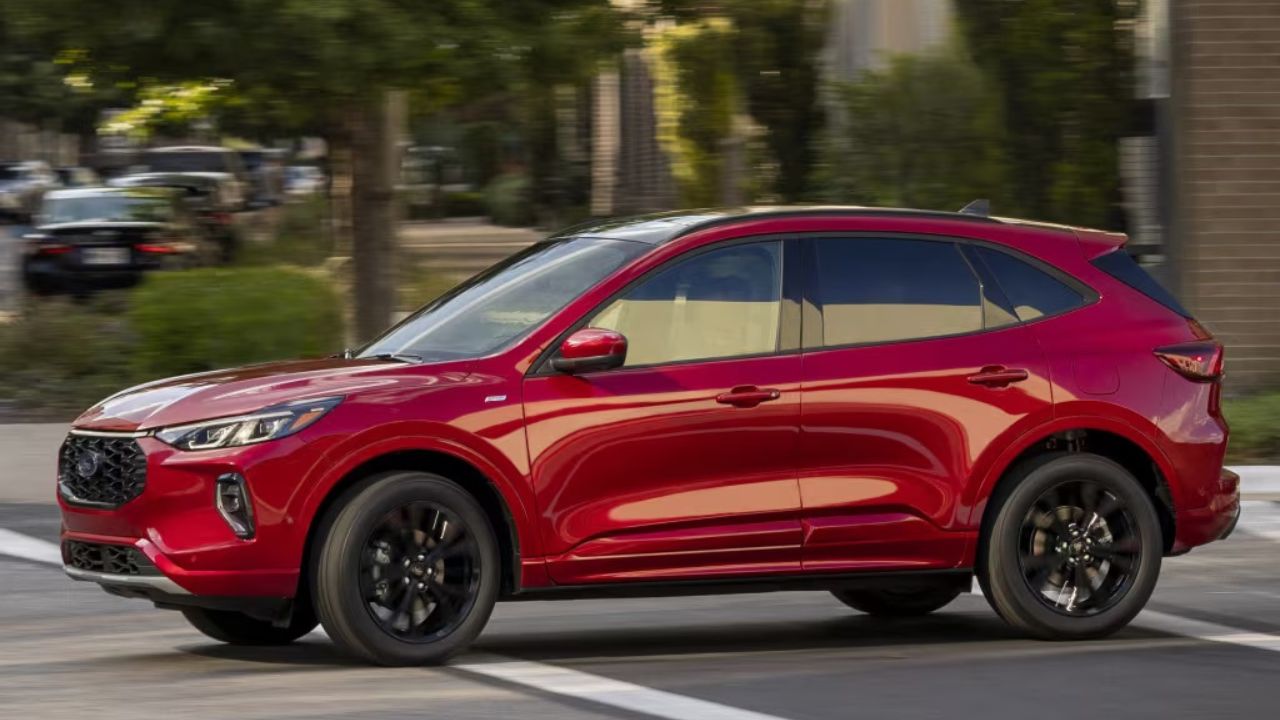
Sales records from recent years showed the compact SUV frequently ranked among Ford’s top sellers, trailing only larger nameplates such as the Explorer. Its blend of SUV practicality, reasonable pricing, and fuel-efficient powertrains made it a go-to choice for first-time SUV buyers and a reliable repeat purchase for long-term Ford owners.
Dealers now say that void in the entry SUV segment risks more than lost revenue because it jeopardizes the long-term customer relationship funnel. “It gets new buyers in, and it gives us the ability, after a while, to move them into an Explorer,” said one dealer interviewed by AutoNews, echoing a common refrain from retailers still adjusting to life without Escape.
Counteroffers and Crossovers — Not the Same Thing
Ford’s corporate playbook for filling the hole left by Escape sees the company leaning hard into other products, specifically the Bronco Sport and the Maverick compact pickup, as ways to keep buyers engaged. Ford executives have pointed out that competitive lease deals, zero-percent APR financing, and times-limited incentives are part of broader efforts to make those alternatives more appealing.
Yet many dealers aren’t convinced the logic holds up in showrooms. For one, Bronco Sport, despite similar pricing when incentives are applied, targets a different customer base.
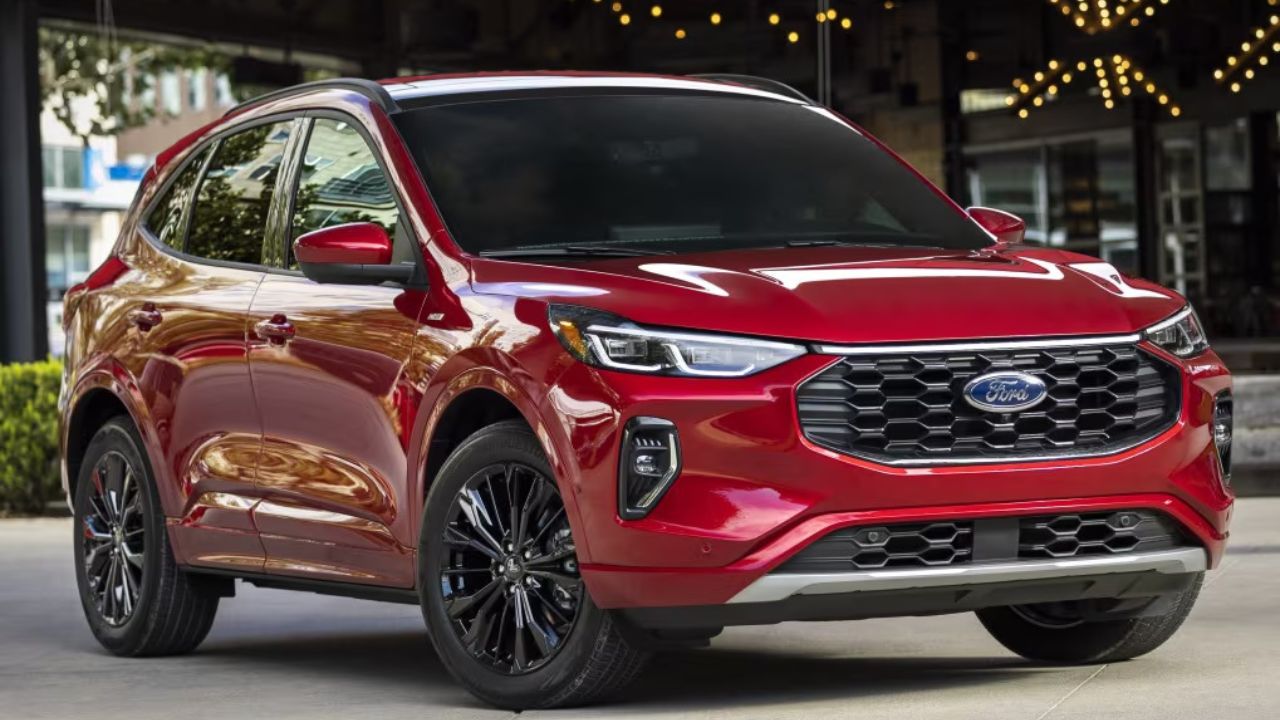
Where Escape appealed to suburban families and practical buyers, Bronco Sport has more off-road, lifestyle branding that doesn’t resonate with every Escape owner. Likewise, Maverick, while a strong seller, is a pickup first and foremost — often not an apples-to-apples substitution for a compact SUV.
“I’ve yet to come across a customer that’s cross-shopping an Escape and a Maverick,” one general manager told Automotive News. “The Bronco Sport is a decent fill-in, but they’re two different types of buyers.”
Pressure from Competitors
Across the broader market, the compact SUV segment remains fiercely competitive. Rivals such as the Honda CR-V, Toyota RAV4 and Hyundai Tucson continue to dominate sales charts, offering strong value and broad dealer networks. With no direct Ford competitor currently in that category, brands like Honda and Toyota can’t wait to convert driven-away Escape loyalists into long-term customers.
@Automotive_News Read the edited excerpts here: https://t.co/Lm82BBkNjX
— Automotive News (@Automotive_News) January 28, 2026
That prospect keeps dealers up at night. As one Sacramento retailer put it bluntly: without a direct replacement, “Where do they go? If you lose that entry-level buyer, you lose a generation of buyers.”
Ford executives insist that strategic incentives will hold water, and that the company’s broader portfolio still offers plenty of value to consumers. Still, the Escape’s absence leaves a conspicuous hole in Ford’s mass-market lineup, one that dealers now must navigate creatively through targeted offers, customer outreach, and cross-selling strategies.