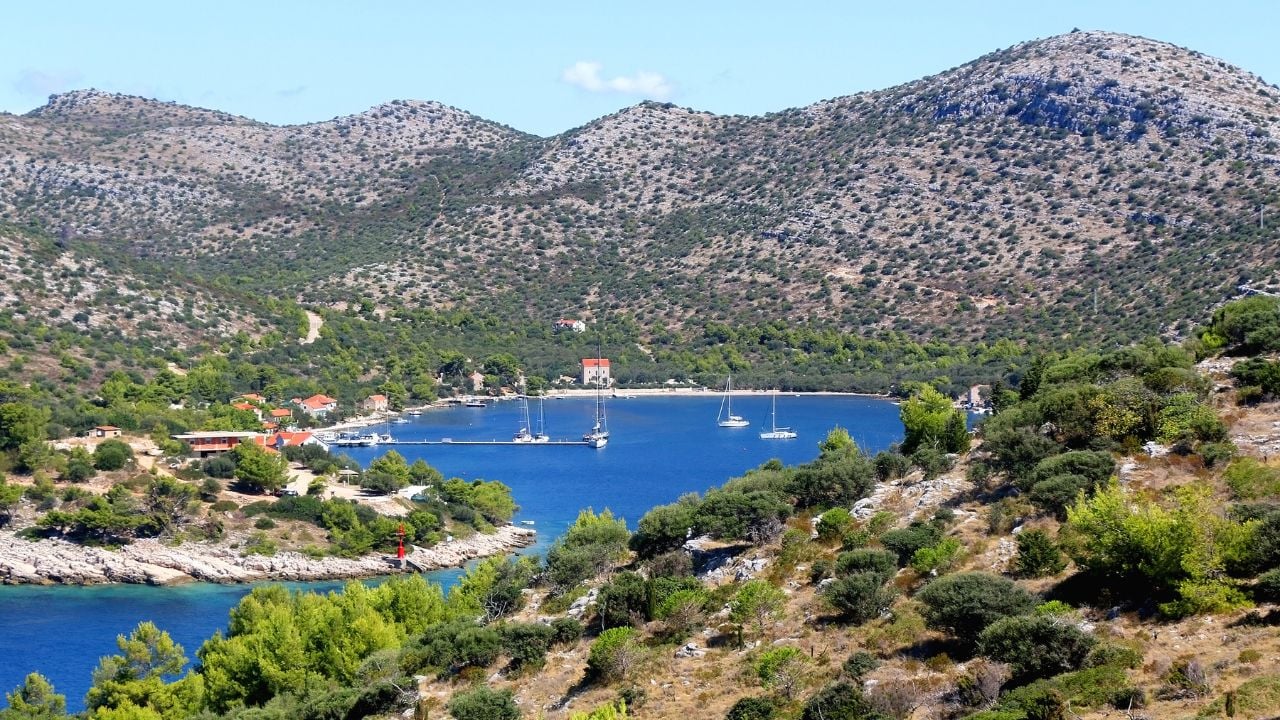
Big-name coastlines can be amazing, but they come with a soundtrack of traffic, queues, and reservation anxiety. This list leans toward places where the scenery still feels personal, shaped by footpaths, small harbors, and long meals that do not need a schedule.
Think practical: check sailing days early, pack light, and treat weather as part of the adventure. Shoulder-season timing helps, and arriving midweek often starts the trip on the right note.
1. Nisyros
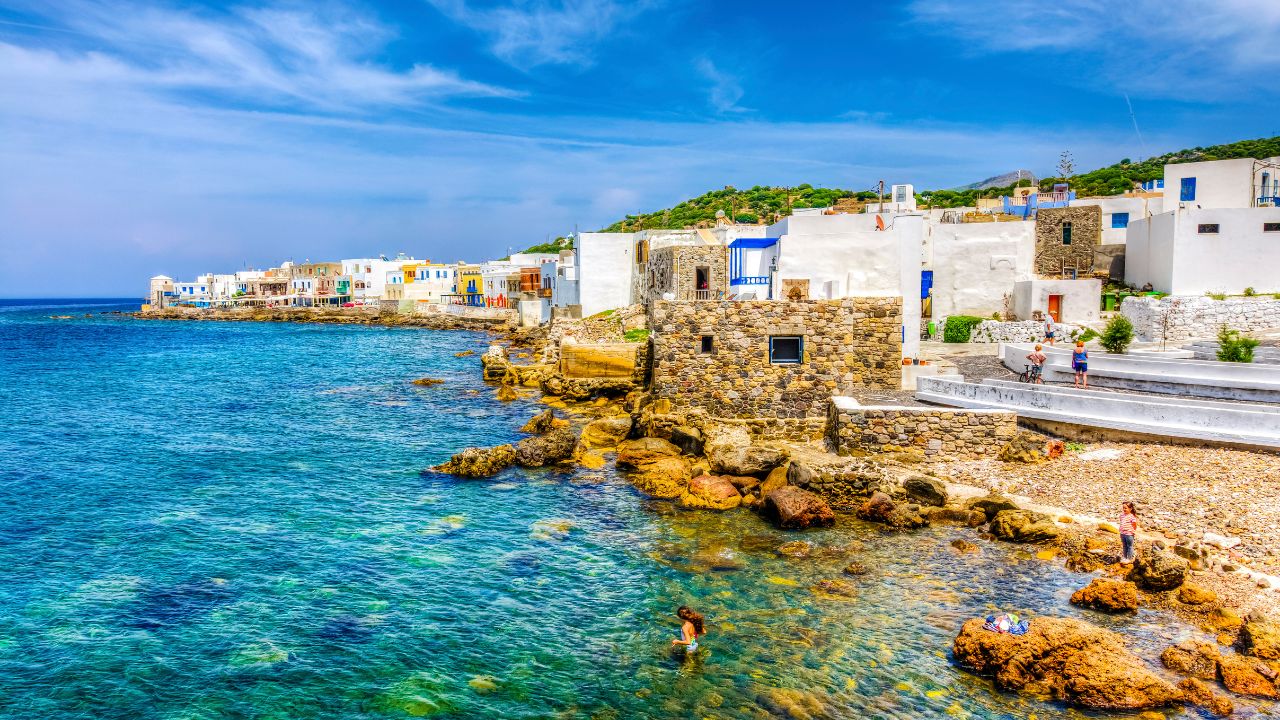
A living volcano defines Nisyros, with a wide caldera and fumaroles that make the landscape feel almost lunar. Stefanos Crater is a standout, noted by the island’s geopark as one of the world’s largest phreatic craters.
Mandraki works well as a base, with short drives to viewpoints and tucked-away coves. Give active vents plenty of space, follow posted guidance, and go earlier in the day for softer light. Nisyros remains volcanically active but is not currently erupting, so the drama stays visual rather than disruptive.
2. Anafi
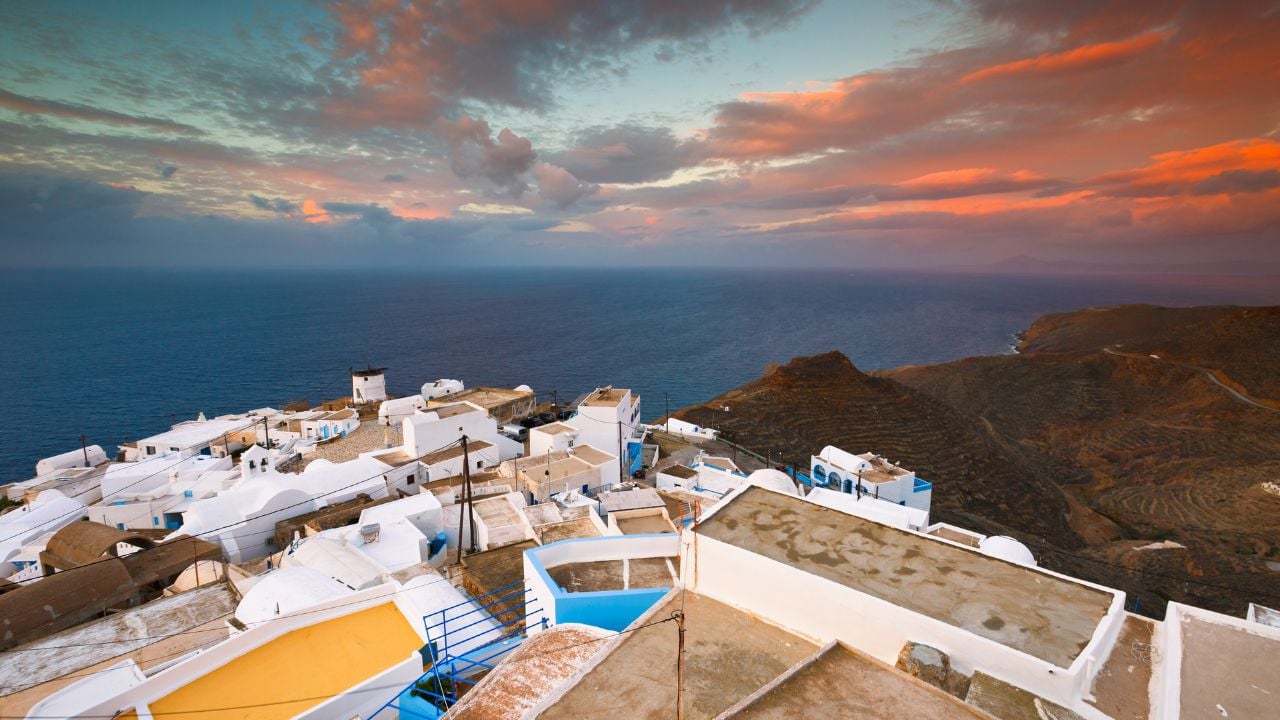
East of Santorini, Anafi feels like a quieter footnote to the Cyclades, with a tiny population and a walk-first vibe. Its eastern peninsula is dominated by Mt. Kalamos, a striking monolith that rises above sea level and draws hikers who want big views without city noise.
Roukounas and Klisidi are often mentioned among the go-to swimming spots, and the lanes between them reward unhurried wandering. Bring shoes that handle stone, because routes can be rough even when distances stay short. Ferry schedules matter here, so treat the timetable as a planning tool, not an afterthought.
3. Donoussa
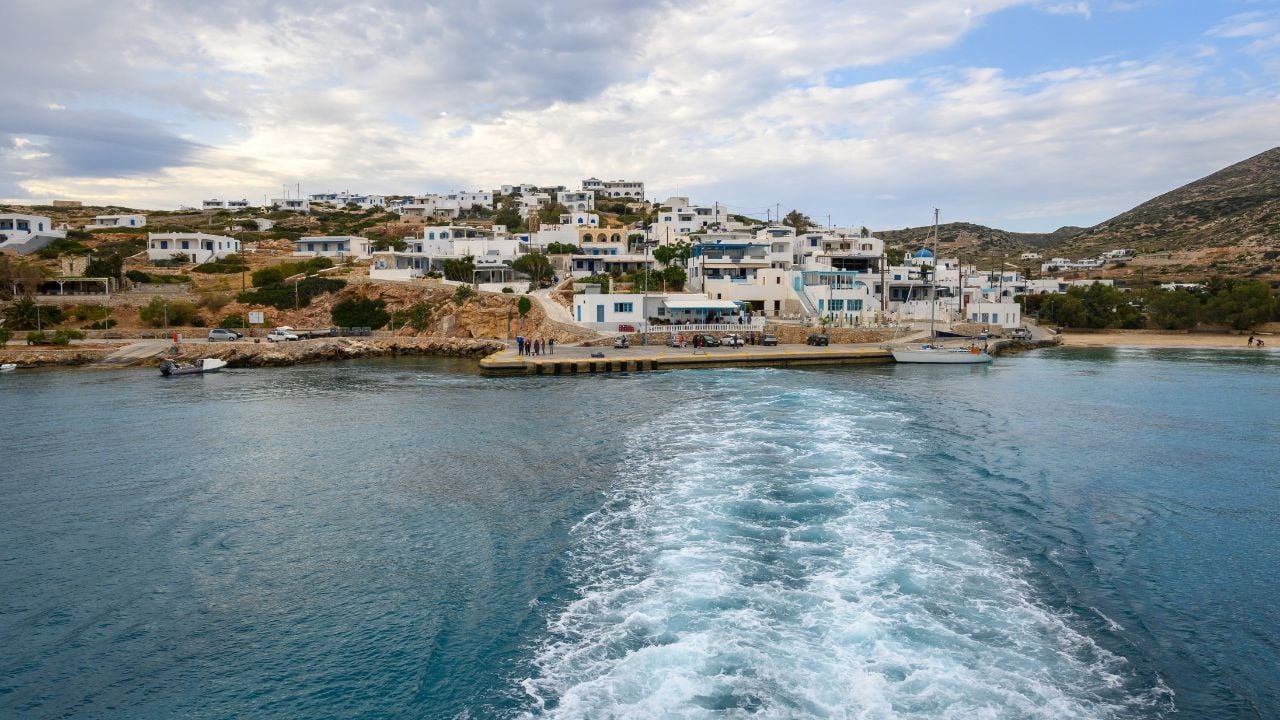
Donoussa sits in the Small Cyclades cluster, with Stavros as the port and main settlement. The scale is friendly: most lodging is close to the harbor, and the pace is shaped by boats rather than buzz.
Kedros is frequently highlighted for clear water and a sheltered bay, plus a World War II wreck offshore that is often noted in ferry and travel listings. Expect fewer services than larger neighbors, which is part of the point, so pack essentials and leave room for spontaneity. Connections vary by season and operator, often linking through Naxos, Amorgos, and nearby smaller islands.
4. Tilos
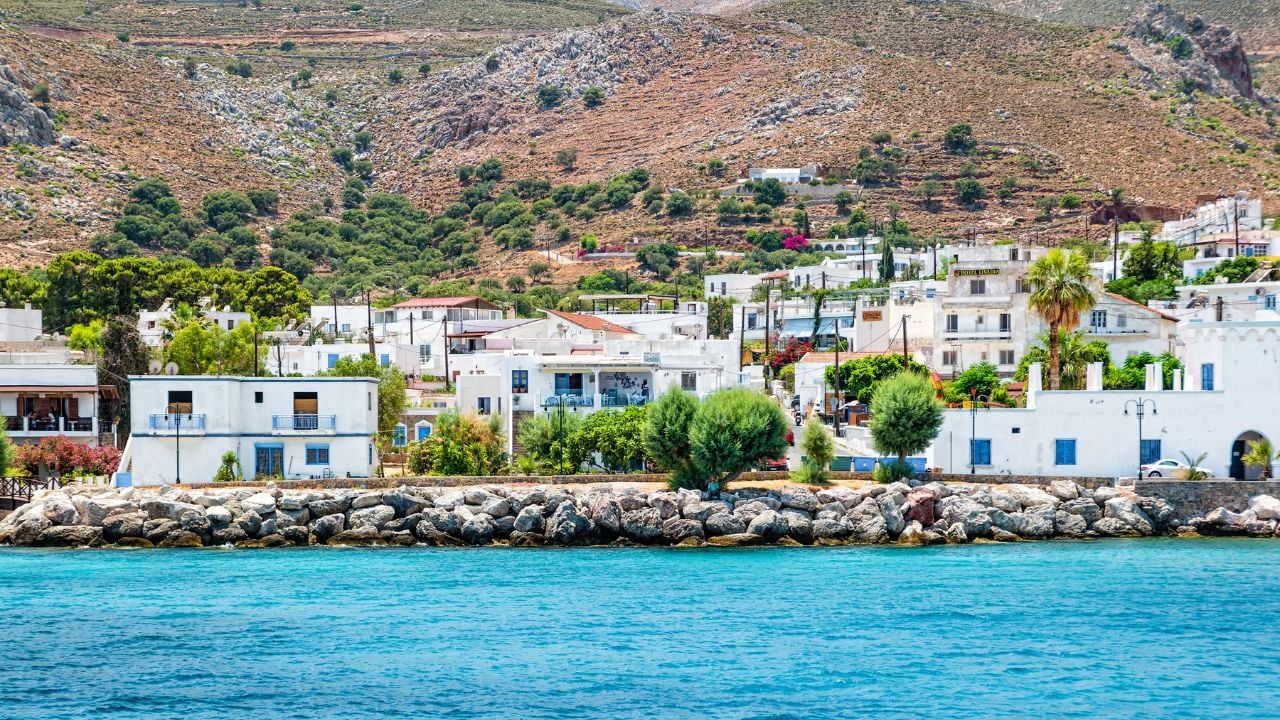
Tilos lies between Rhodes and Kos in the Dodecanese, and it attracts travelers who prefer nature and low-key villages over nightlife. The island’s landscapes mix mountains, plains, and rocky shoreline, giving plenty of variety without long drives.
A memorable cultural stop is Charkadio Cave, associated with rich fossil finds of dwarf elephants and documented by local sources. Pair that with a coastal swim and an early dinner, and the day feels satisfyingly full. Ferry timing shapes everything, so build the itinerary around arrivals and departures instead of fighting them.
5. Samothrace
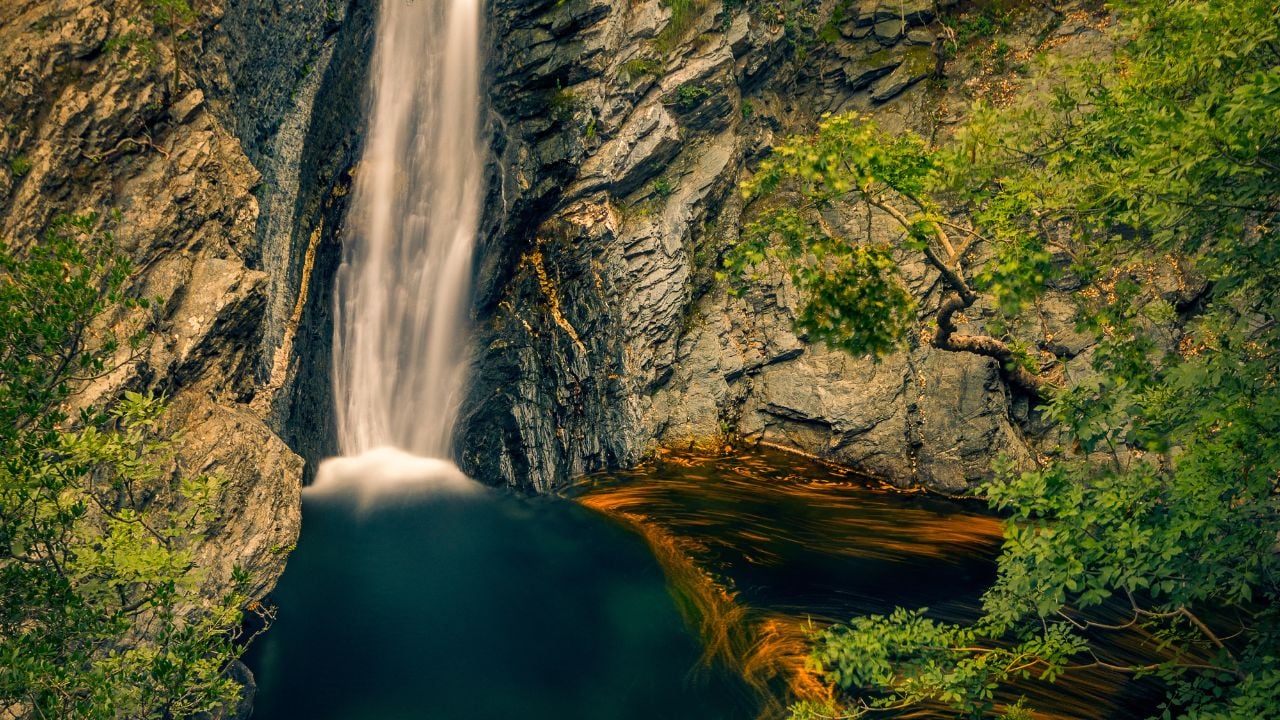
In the North Aegean, Samothrace is often described as unspoiled, with streams, cascades, and rock pools that stay inviting even when summer lingers. Mountain terrain dominates the backdrop, which keeps the atmosphere wilder than many beach-forward destinations.
Fonias is the famous waterfall route, with the first section reachable on a marked path that starts near the river crossing by Therma. Balance that outdoor energy with the Sanctuary of the Great Gods, a major archaeological site tied to the Samothracian Mysteries and the discovery of the Nike of Samothrace. One active morning and a restful later stretch usually fit best.
6. Kythira
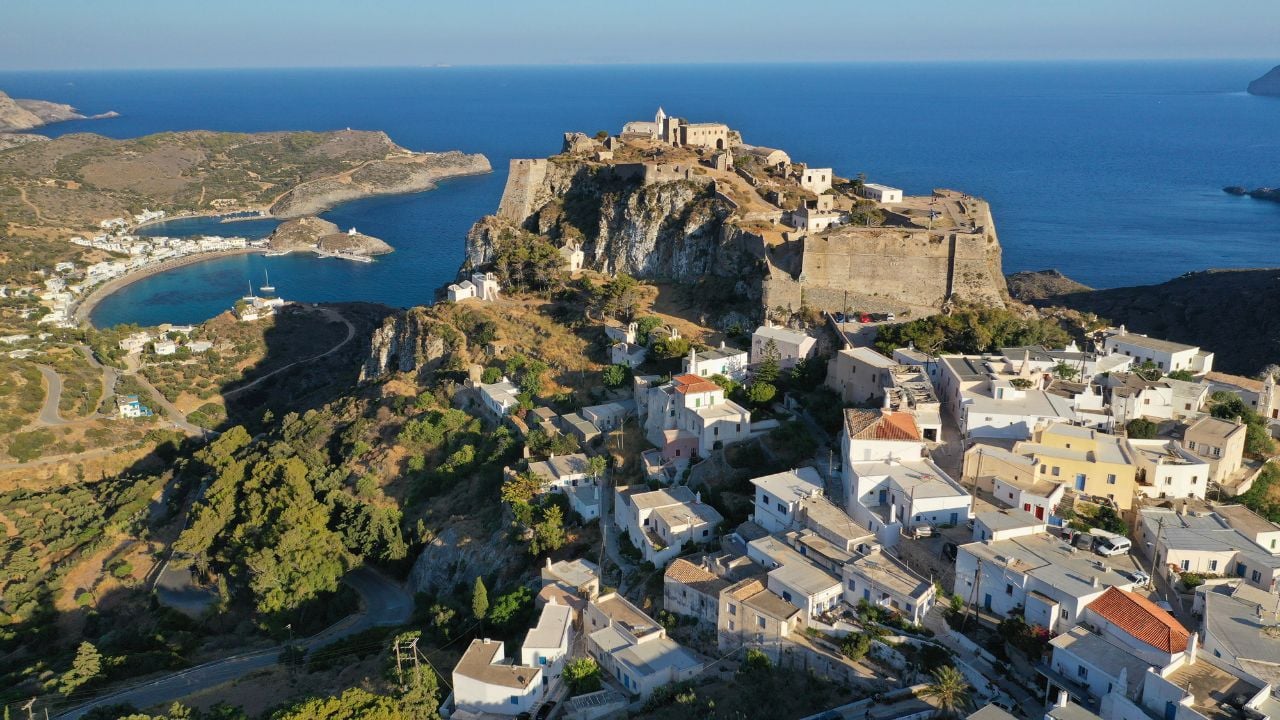
Kythira sits between the Peloponnese and Crete, and it feels like a meeting point of different Greek styles and histories. Travel coverage often highlights its Venetian-era layers and its reputation as a quieter alternative to headline islands.
For a green inland break, head toward Mylopotamos for the “Neraida” or “Fonissa” waterfall area, where local sources note a drop of about 20 meters and a cool pool beneath plane trees. Add one beach day, one village evening, and one gentle hike, and you get a full trip without overplanning. Bring a layer for breezes, because conditions can change quickly even on warm days.
7. Marettimo
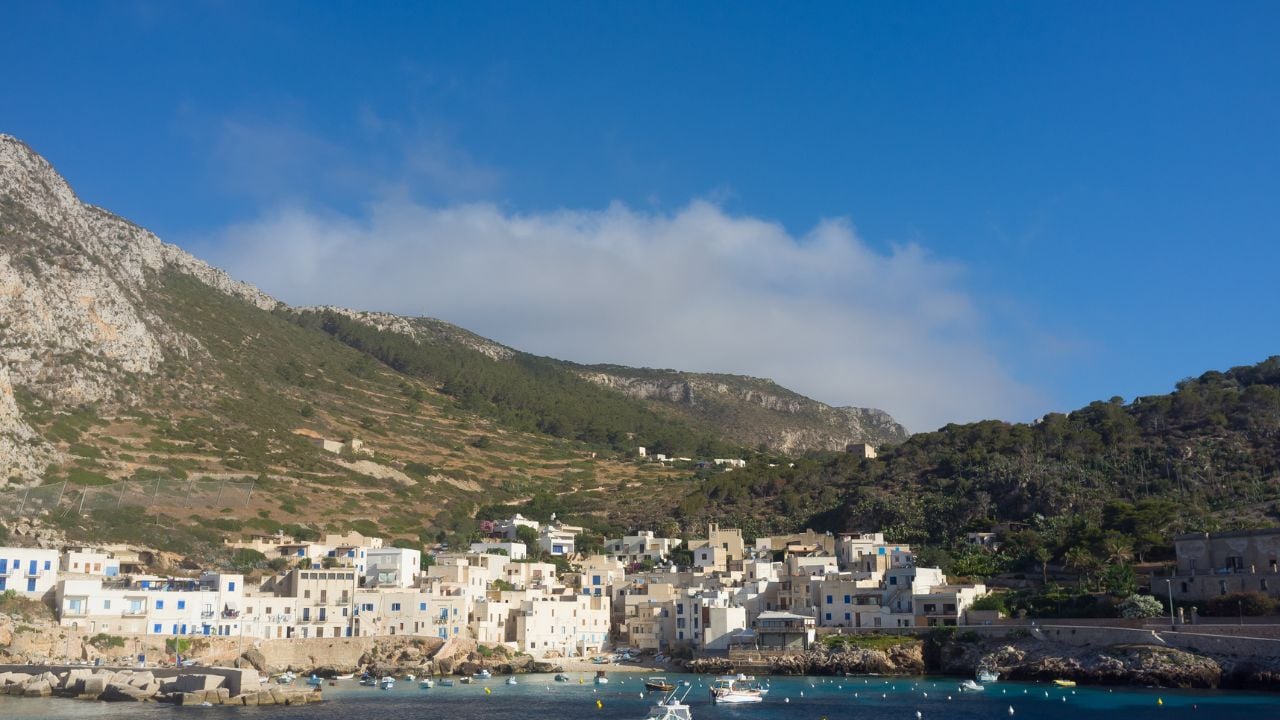
Marettimo is the rugged outpost of the Egadi archipelago, west of Sicily, and it is wrapped by a major marine protected area (MPA). The Egadi MPA is described as established in 1991 and includes Marettimo alongside Favignana and Levanzo.
Sea caves are a classic draw here, usually explored by boat in calm conditions, with stops for swimming when the water cooperates. Aim for a straightforward day: a village loop, a cove, a sea-facing lunch, then a short circuit on foot. Protected-zone rules can affect where boats anchor, which helps keep the coastline healthy.
8. Ventotene
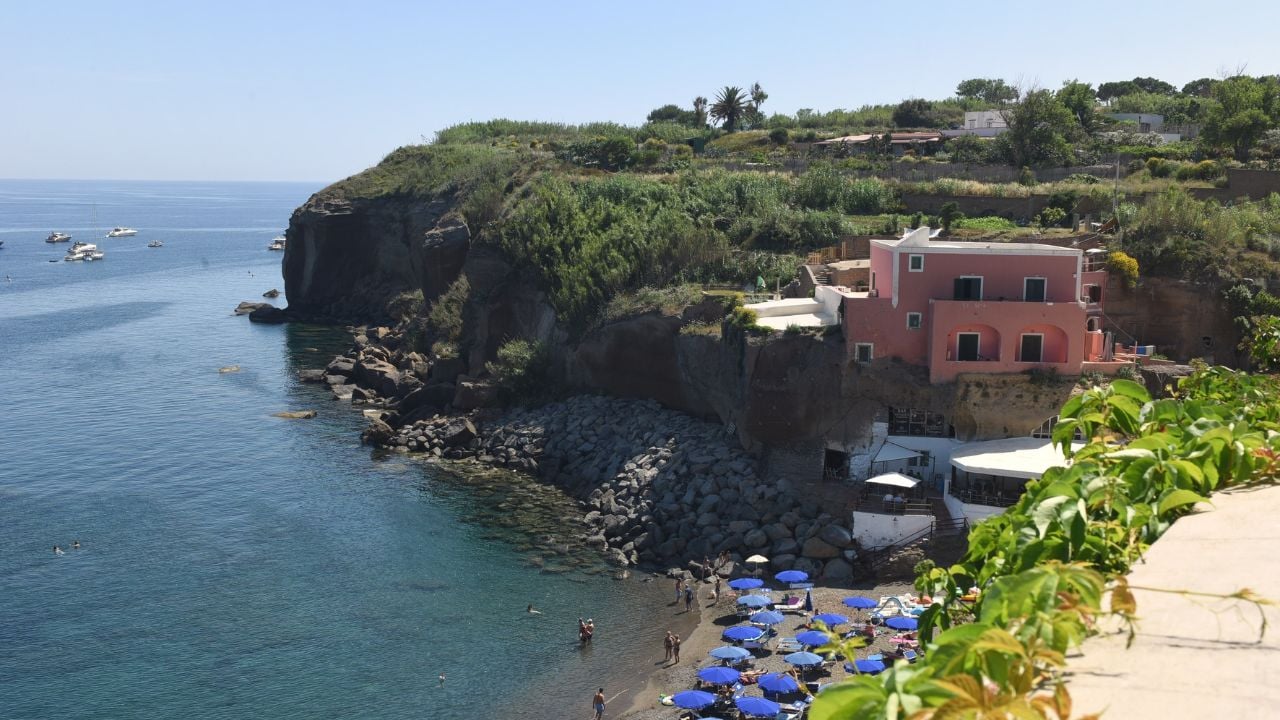
Tiny Ventotene in the Tyrrhenian Sea has a strong conservation identity, including a marine protected area for Ventotene and nearby Santo Stefano. Many directories and local tourism pages cite 1997 as the establishment year for that protected zone.
Snorkeling and calm-water swims can be excellent when conditions align, and the compact size makes car-free days realistic. Spend the morning on the waterfront, save the hotter hours for a long lunch, then return to the sea later. Bring reef-safe habits with you, because the point here is leaving the place looking the same when you go home.
9. Ustica
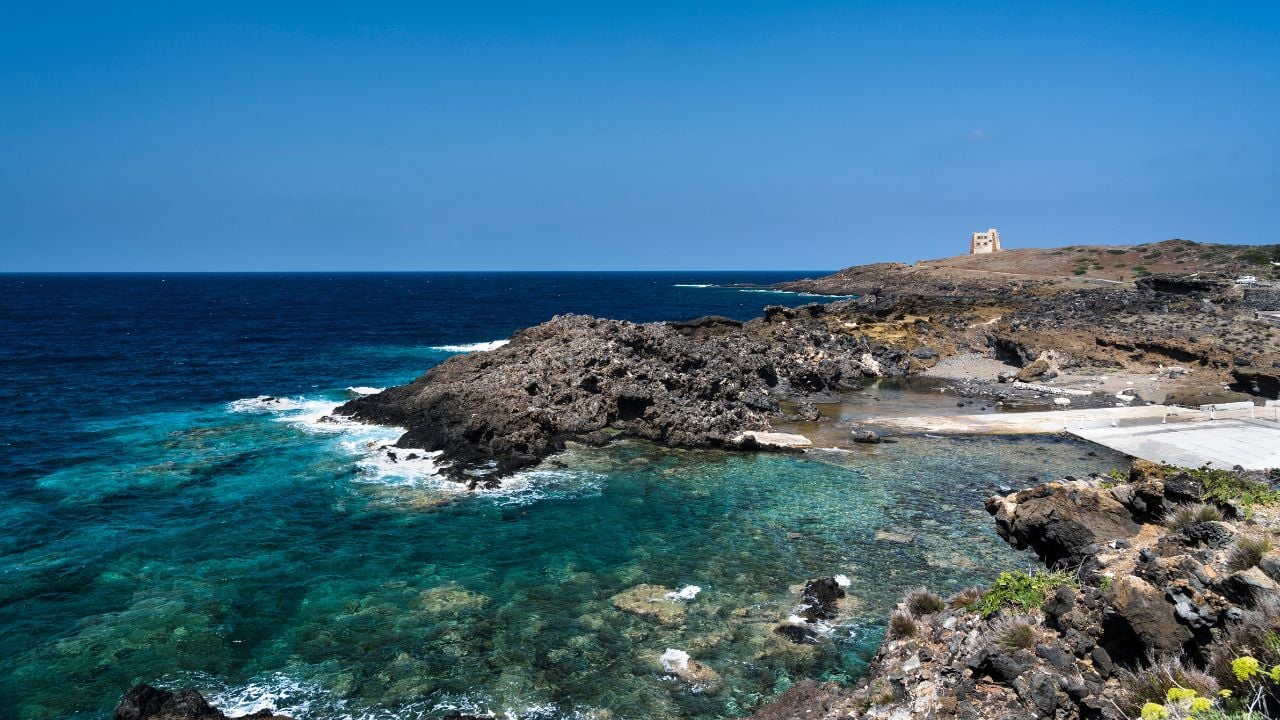
Ustica rises from a submarine volcano north of Sicily, and its underwater visibility is the headline. Official MPA references note that the Marine Protected Area around Ustica was established in 1986.
Local and regional descriptions often point out its early role in Italy’s marine conservation story, commonly citing it as one of the country’s first MPAs alongside Miramare. Structure the day in easy blocks: mask and fins in the morning, a long lunch, then a second dip before sunset. If the sea is choppy, swap in a coastal walk and save the swim for calmer hours.
10. Linosa
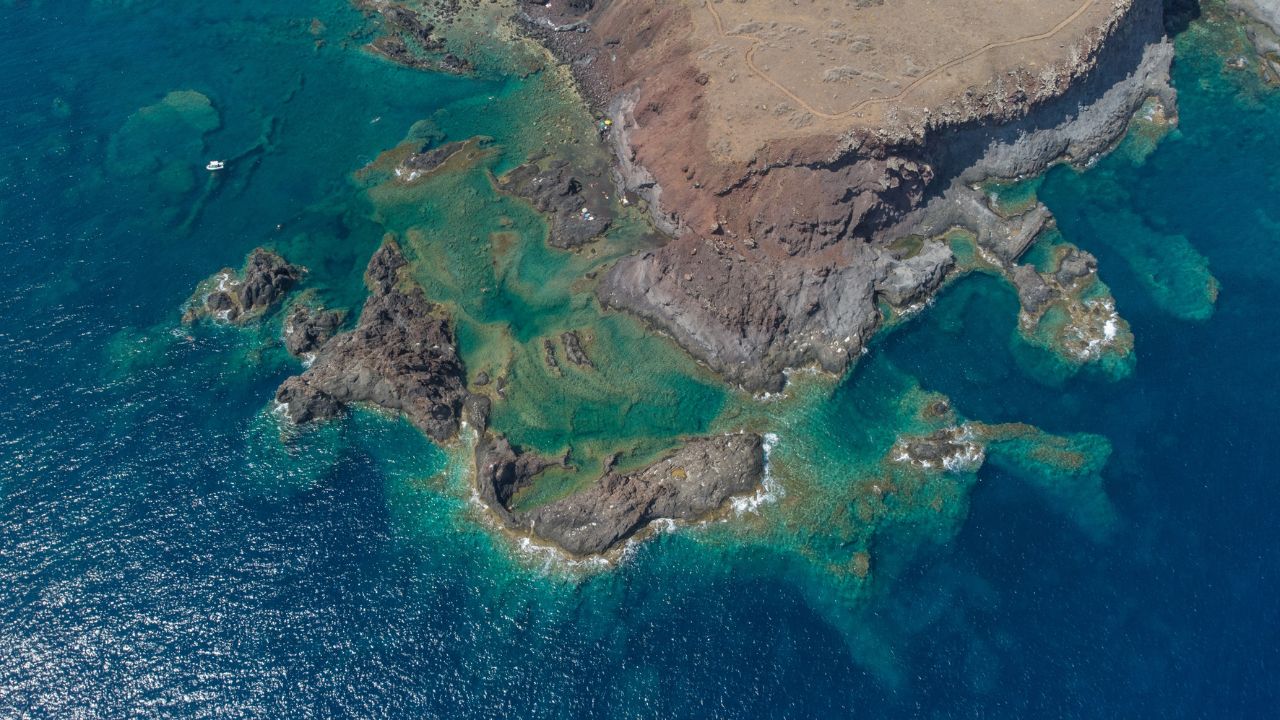
Linosa, part of the Pelagie group, is a volcanic speck with black rock textures and a quieter feel than its better-known neighbor Lampedusa. Tourism and conservation sources describe its coastline as a regular nesting area for loggerhead sea turtles, which is a good reason to treat beaches respectfully.
A warm afternoon here works best as a light circuit: a swim, a short climb for views, then an easy dinner back in town. During nesting season, use low lights at night and follow local guidance near marked areas. Small rules matter, and the island rewards anyone who moves gently through it.
11. Lastovo
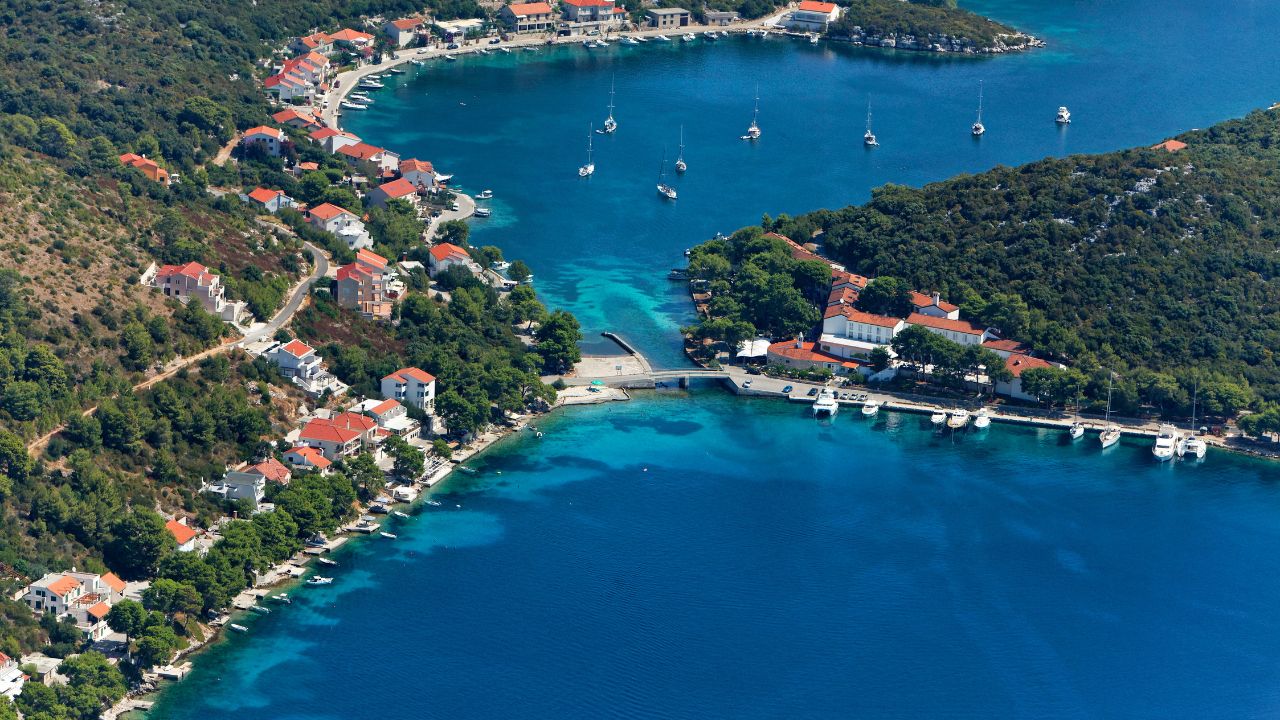
Lastovo is one of Croatia’s most remote inhabited island groups, and it was declared a nature park in 2006. Multiple official and local references underline that protected status.
The payoff is a mix of forested land, quiet bays, and night skies that feel properly dark when clouds stay away. Treat the archipelago like a sampler: one swim spot, one viewpoint, one simple meal, then repeat. Limited connections help hold the mood intact, so plan around the sailing calendar and embrace the quieter pace.
12. Silba
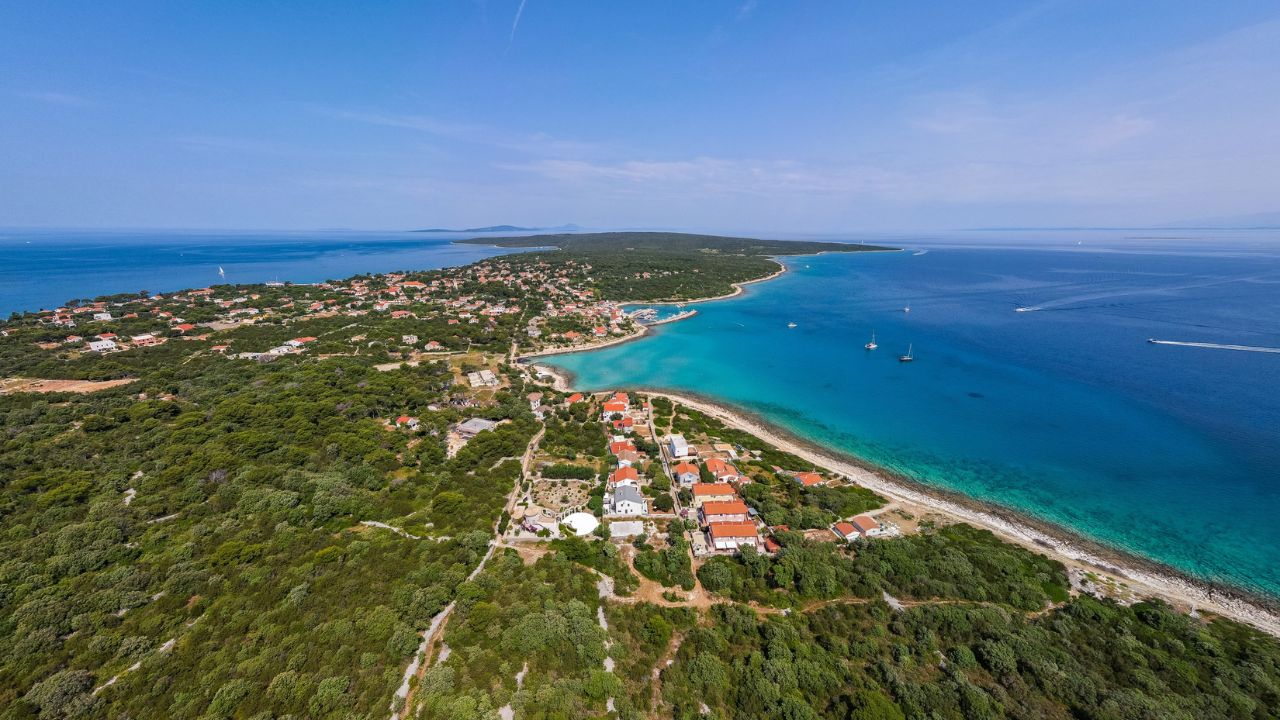
Silba is known for a car-free way of life, which changes the entire feel of a summer day. Croatia’s official island information often highlights that quieter identity and points visitors toward the Toreta, sometimes called the Tower of Love.
Without engines, the soundtrack becomes footsteps, cicadas, and the sea, which is exactly what many travelers are chasing. Climb the Toreta for a wide Adriatic view, then spend the rest of the afternoon doing very little on purpose. A small place rewards small plans, so leave the schedule loose and let the island do the calming.