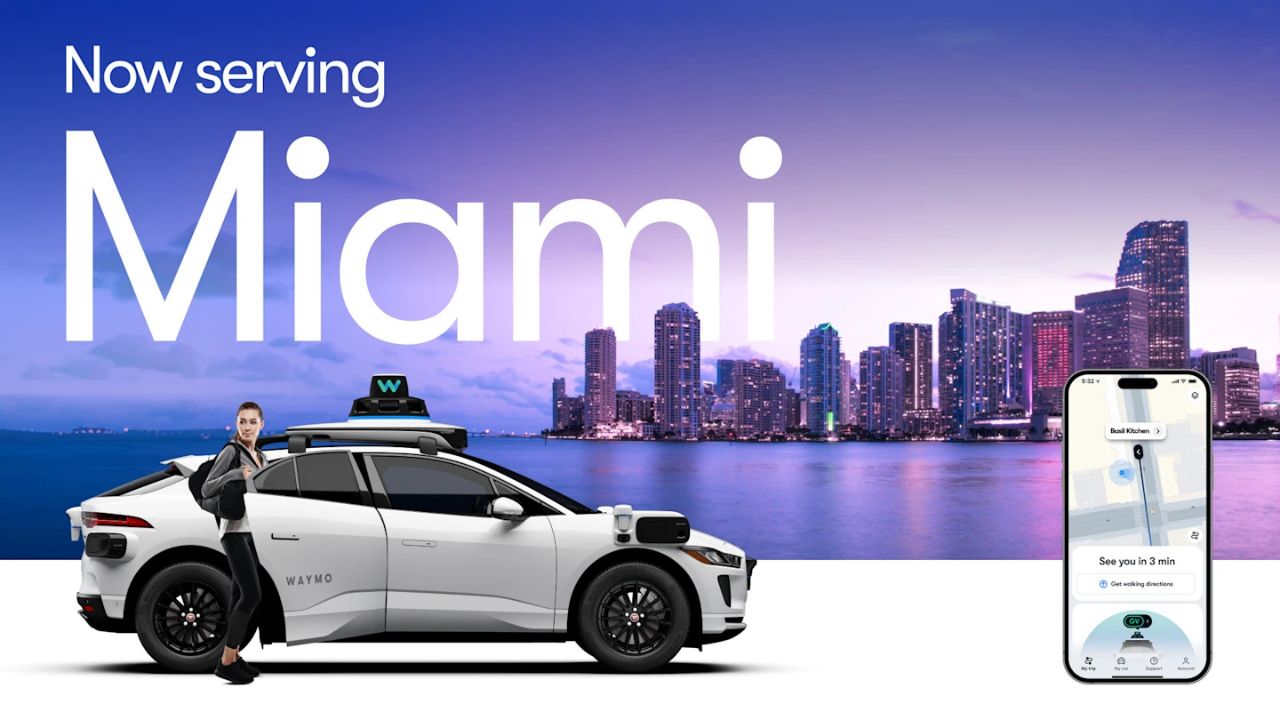

Waymo, the autonomous vehicle subsidiary of Alphabet, officially opened its robotaxi service to the public in Miami on January 22, 2026, a move that both underscores its leadership position in autonomous ride-hailing and highlights widening gaps with competitors such as Tesla and Amazon-owned Zoox.
The South Florida rollout elevates the vision of self-driving transportation from experimental concept to everyday reality in one of the fastest growing tech and cultural hubs in the United States.
The newly launched service covers approximately 60 square miles of Miami’s urban core, including iconic neighborhoods such as the Design District, Wynwood, Brickell and Coral Gables.
Initial access to the fully autonomous fleet is limited to roughly 10,000 people who signed up in advance, with invitations being issued gradually through the Waymo app. Expansion to wider parts of the city and major hubs like Miami International Airport is expected later in the year.
A Sixth City and a Growing Lead
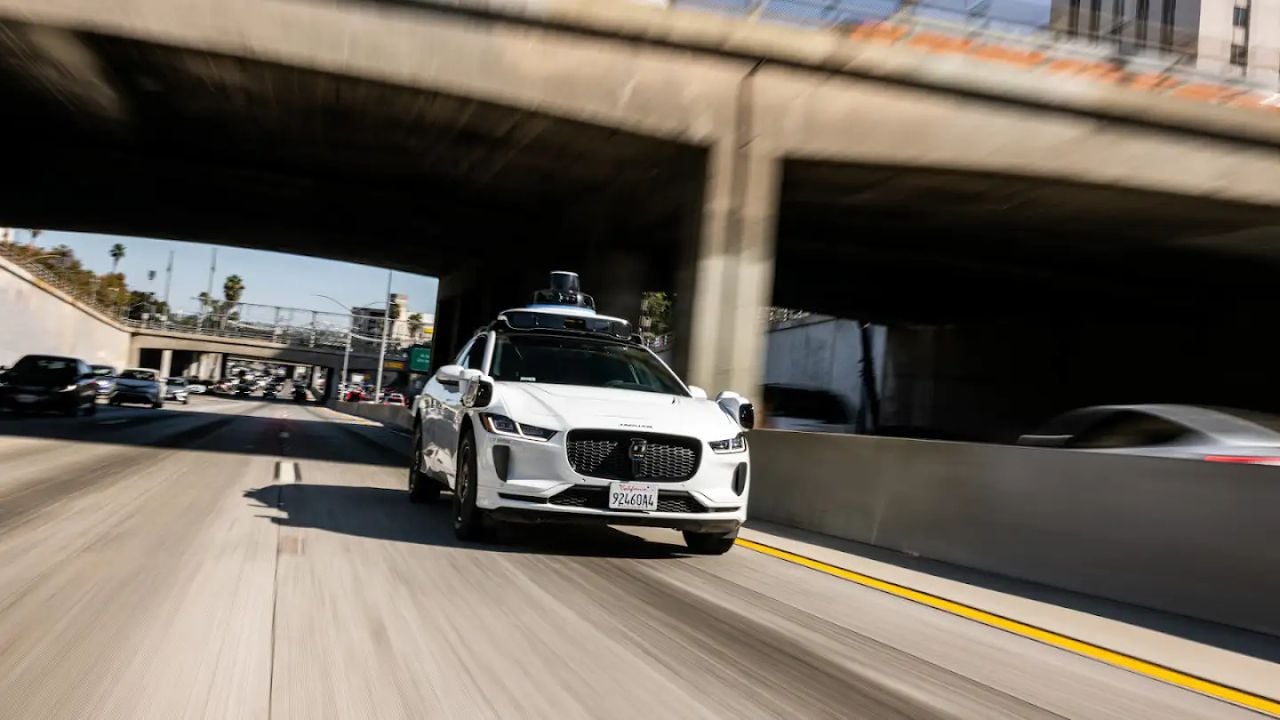
Miami is Waymo’s sixth U.S. market, offering truly driverless rides to paying customers. Prior deployments in cities such as Phoenix, San Francisco, Los Angeles, Austin and Atlanta mean the company has gathered valuable real-world experience in the varied terrains of American streets.
In its previous markets, Waymo vehicles have logged hundreds of millions of autonomous miles while carrying tens of millions of passengers. These metrics factor into the company’s argument that its autonomous system is more mature than rivals, including Tesla’s robotaxi initiatives.
The broader context of this launch shows how far Waymo has separated itself in practical deployment from its competitors. Tesla, led by Elon Musk, has made bold promises over the years about a future where everyday cars function as autonomous robotaxis.
In fact, the Tesla CEO is now looking forward to a real-life Star Trek experience, where his company builds spaceships that ferries people to-and-fro other planets.
Musk’s initial claim that Tesla would deploy one million robotaxis by 2020 did not materialize, and the company has since faced repeated delays and scaled-back timelines for its Full Self Driving technology.
Recent Tesla robotaxi tests in Austin, Texas, have begun operating without a person physically behind the wheel, but these vehicles still involve remote support and safety monitoring that technically prevent them from being classified as true Level 4 autonomy.
The Tech Behind the Taxi: LiDAR vs. Cameras
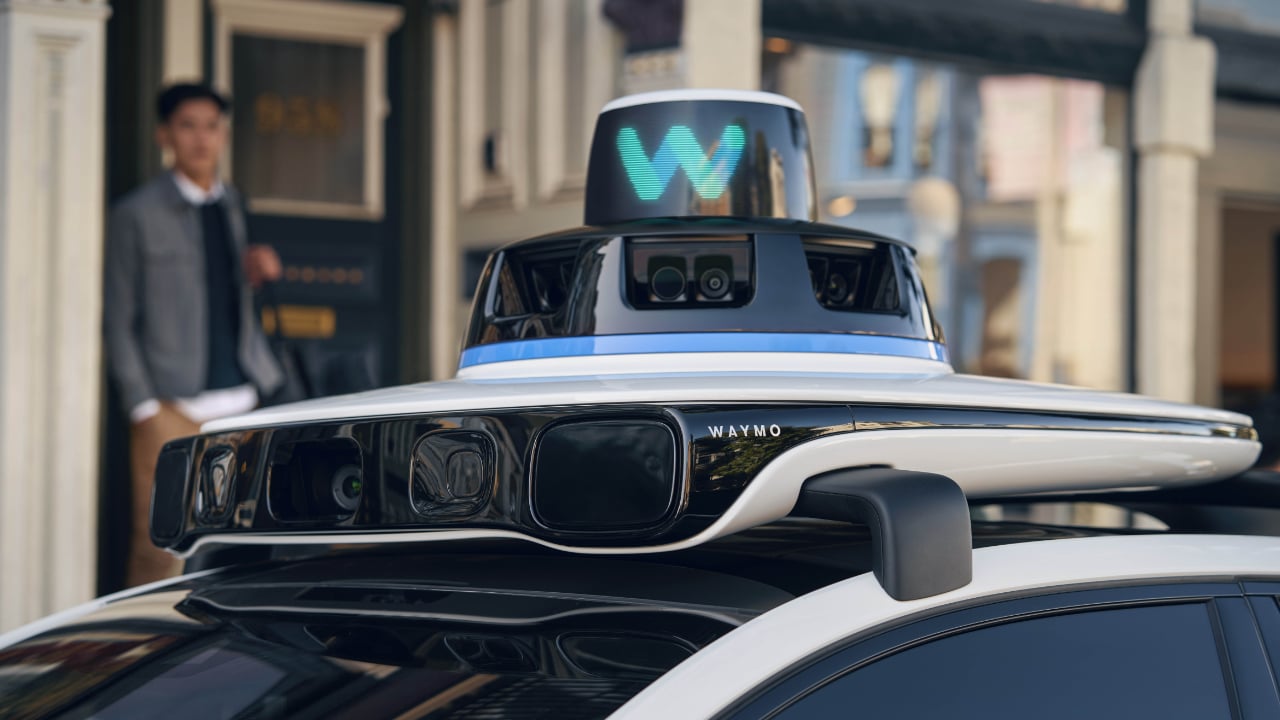
By contrast, Waymo’s platform uses a blend of sensors including LiDAR, radar and cameras, and that design has allowed it to achieve operational autonomy in complex urban environments without a safety driver in the vehicle.
This fundamental difference in approach has helped Waymo secure regulatory approval for live services in multiple cities and accumulate data that feeds into continuous improvement of its systems. Industry observers argue that this combination of data and operational history gives Waymo a growing advantage in both safety and scalability.
In Miami, city officials and local stakeholders greeted the robotaxi rollout with optimism about the potential for innovation while stressing the importance of safety and integration into existing mobility systems.
Waymo co-CEO Tekedra Mawakana emphasized the company’s goal of providing a safe, reliable, and user-friendly transportation option that reflects Miami’s dynamic urban character. Community leaders have also highlighted the accessibility benefits of autonomous transport, particularly for residents who may lack traditional mobility options.
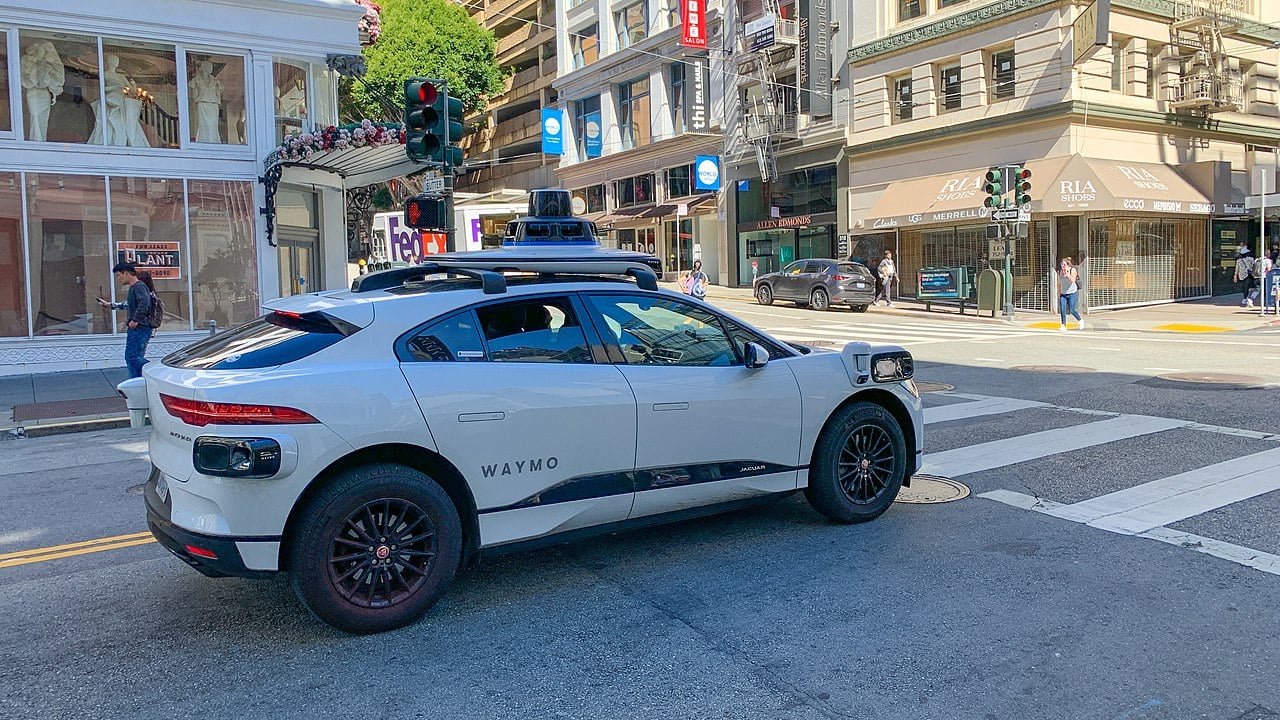
AV (autonomous vehicles) critics note that real-world deployments are still evolving and that the technology must contend with unpredictable elements such as heavy rainfall, complicated intersections and unique local traffic patterns.
Videos shared by residents in various cities have shown Waymo vehicles hesitating or stopping in unusual situations, prompting questions about how such systems balance caution and efficiency. Waymo acknowledges these challenges and points to its ongoing software updates and testing as mechanisms to refine performance over time.
Expansion Ambitions and Street-Level Reality
The Miami launch also reflects broader strategic priorities. Alphabet’s robotaxi division has laid out ambitious expansion plans for 2026, targeting more than a dozen additional cities including Dallas, Houston, Orlando and others.
Some analysts believe that by building both technical depth and geographic breadth, Waymo is strengthening its competitive position not only against Tesla but also emerging players like Zoox and WeRide.
For riders, the era of driverless transport is shifting from novelty to normality. Early adopters in Miami will soon be defining how autonomous vehicles fit into daily life there, whether for commuting, airport rides or simple errands.
Waymo’s success or setbacks in this deployment will send strong signals about how autonomous mobility can scale across diverse cities and regulatory environments. The robotaxi race is no longer theoretical. It is on the streets, in the streets and in the hands of riders who are now booking a trip without a human driver behind the wheel.
Sources: Business Insider