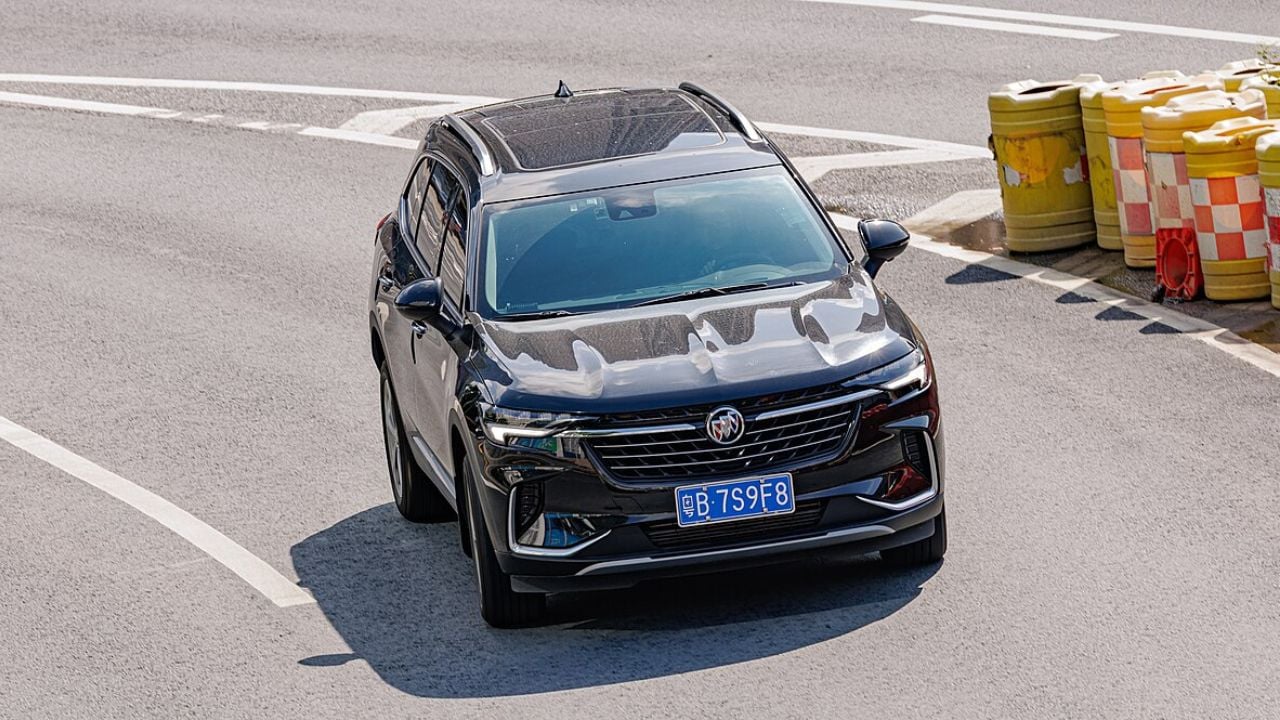

General Motors is undertaking a quietly seismic shift in its global manufacturing strategy after confirming that the next generation of its Buick compact SUV, long built in China for the U.S. market, will move to American soil.
The Detroit automaker said the vehicle will be assembled at its Fairfax Assembly plant in Kansas City, Kansas, starting in 2028, marking a rare reversal of decades-long globalization trends and a major reshaping of North American supply chains.
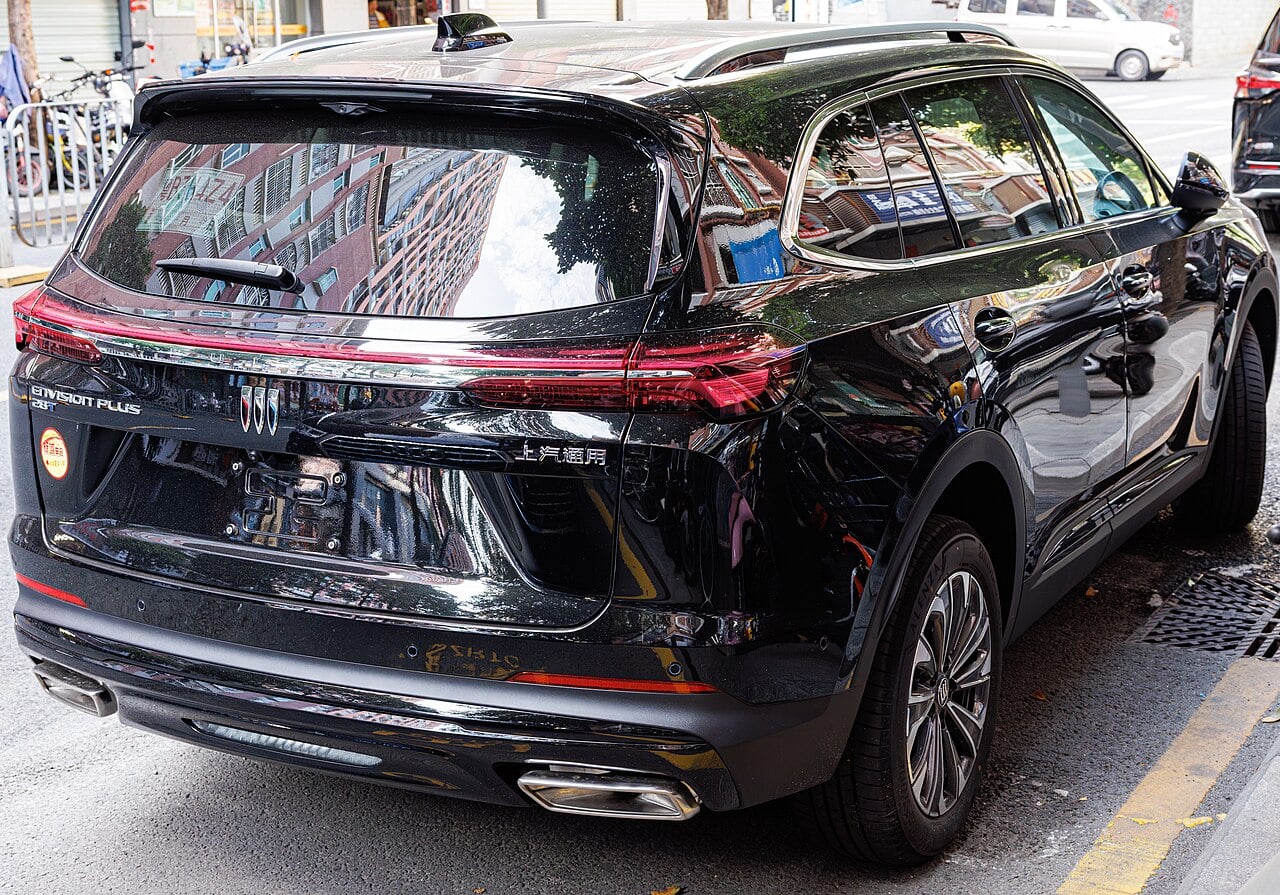
For years, the Buick Envision compact crossover has stood out in GM’s lineup as the lone vehicle imported from China. Introduced to North American buyers in 2017, it was built by the SAIC-GM joint venture and shipped across the Pacific to avoid domestic production costs.
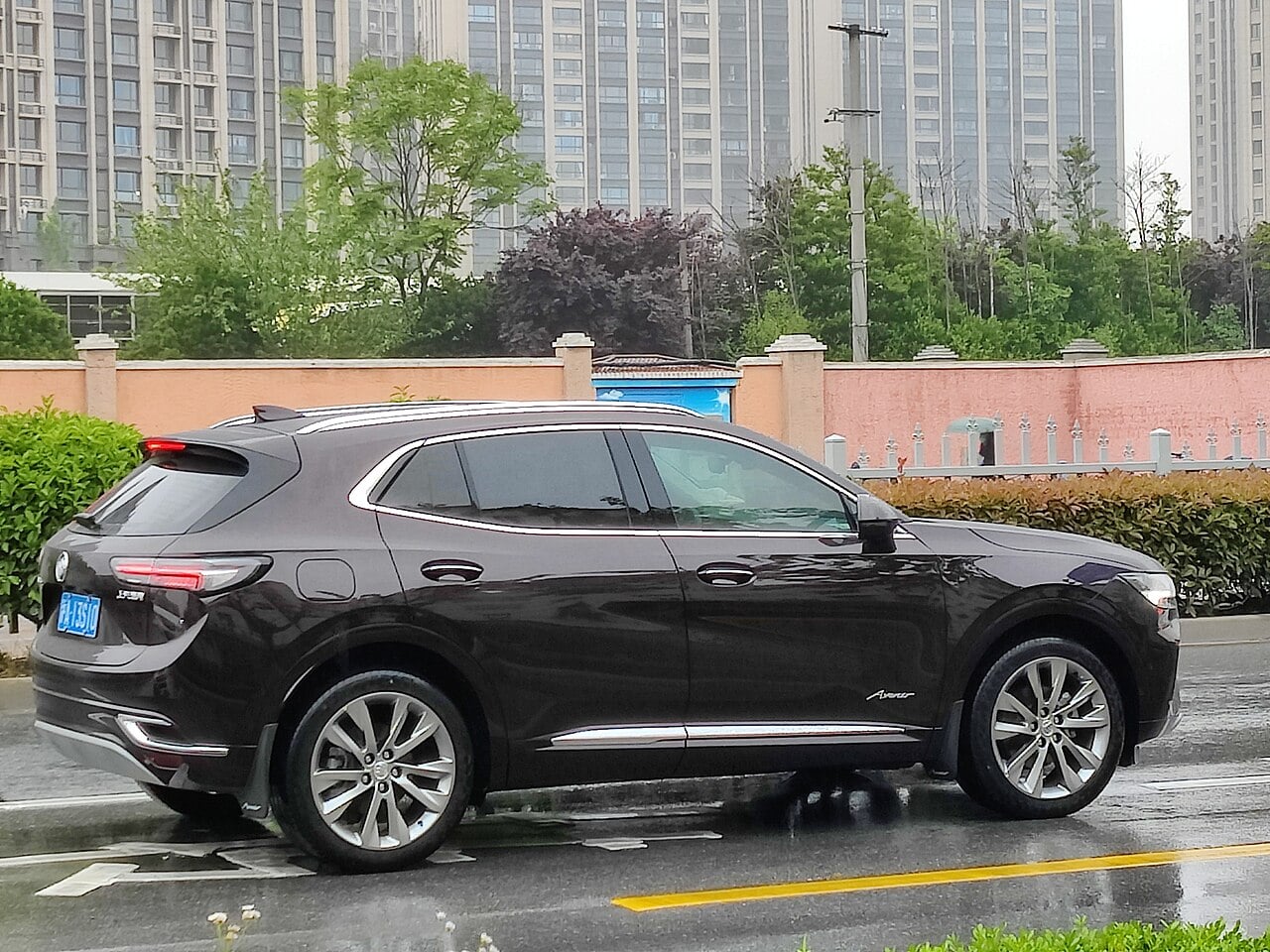
But import tariffs of 25 percent on Chinese-made vehicles, imposed under previous U.S. trade policies, have increasingly eaten into margins and made the old model a political and economic target.
For Us By Us
In a terse statement accompanying the announcement, GM said the decision’s intent is to “strengthen GM’s domestic manufacturing footprint and support U.S. jobs.” It aligns with broader industry pressures to onshore production, driven by rising trade tensions with China, union pushes for local work, and political advocacy for reshoring American manufacturing.
Moving the Buick’s production back to the US is significant on several fronts. Fairfax Assembly, one of GM’s oldest U.S. plants, has been only intermittently active in recent years after the company transferred production of some models to Mexico and other overseas sites.
The planned start of Buick compact SUV assembly there will come alongside other reshoring moves, including shifted production of the Chevrolet Equinox and the Chevy Blazer from Mexico to U.S. plants, and further efforts to consolidate manufacturing closer to major markets.
GM’s decision can be viewed through the lens of a broader reevaluation of global supply chains that became urgent after tariffs were first implemented in 2018 and later increased amid geopolitical tensions.
Automakers have felt the pinch not only from direct duties but from the political and consumer backlash against foreign production of vehicles sold in the United States. Domestic assembly is now a tangible selling point for many brands, particularly in key swing states where labor unions and political leaders have lobbied aggressively for factory jobs.
The Vision for the Envision
GM’s plan also comes against the backdrop of shifting market preferences. Compact SUVs remain one of the fastest-growing segments in the U.S., and keeping production within North America could improve delivery times, reduce exposure to shipping volatility, and help GM adapt more responsively to demand.
The Envision has historically been a solid performer for Buick. It has consistently ranked among the brand’s top sellers with annual U.S. deliveries well into the five figures.
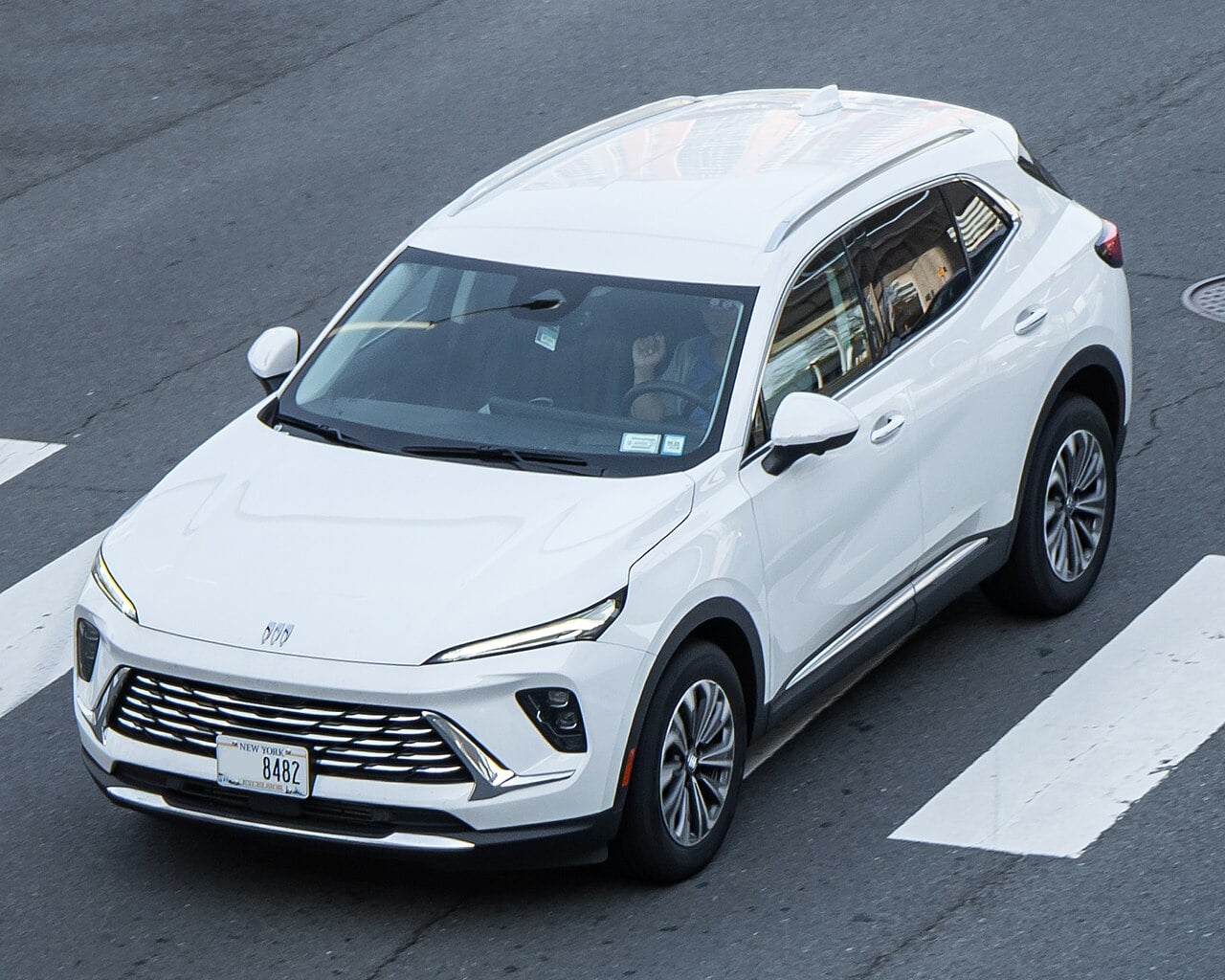
Despite its popularity, the Envision’s China origins drew criticism from labor advocates and policymakers positing that American brands should make American jobs a priority.
The United Auto Workers union, which has campaigned for increased domestic production across several manufacturers, welcomed the announcement as a “win for American manufacturing” and a boost for workers after years of plant closures and offshoring.
In any case, the reshoring effort comes with challenges. Reviving a large-scale production line at Fairfax will require significant investment, workforce training, and supplier coordination. Electric vehicles and advanced manufacturing technologies are reshaping the industry, and GM must balance the shift with its ambitious electrification strategy.
Fairfax, for example, is currently building the Chevrolet Bolt EV under a limited run, and its eventual transition to combustion engine SUV assembly must be carefully managed to preserve quality and efficiency.
Trouble in Paradise
This production shift also underscores a broader transformation in GM’s operations in China, where the company has been restructuring amid intensifying competition from domestic EV makers and slower growth in traditional market segments.
While China remains a crucial market in terms of scale and future innovation, some of GM’s global manufacturing footprint is being rebalanced to reflect geopolitical realities and evolving economic incentives.
For Buick, the new compact SUV slated for Fairfax may carry forward the Envision name, although GM has not confirmed that branding. Observers note that retaining an established nameplate could help bridge the transition for dealers and customers.
It also keeps Buick squarely in the highly competitive compact niche, where rivals like the Toyota RAV4 and Honda CR-V continue to dominate.