Some places have a reputation for being easy, friendly, and low-stress. Then you arrive and realize the safety vibe depends heavily on where you are, what time it is, and how you move around. That gap between “safe on paper” and “messy in real life” is where travelers get caught off guard.
This list is not here to scare you out of a trip. It’s a reality check on destinations that feel carefree until you run into pickpockets, robberies, break-ins, or sketchy nightlife situations. With the right habits, many of these spots are still totally doable. Just don’t travel on autopilot.
1. The Bahamas (Nassau and Freeport)
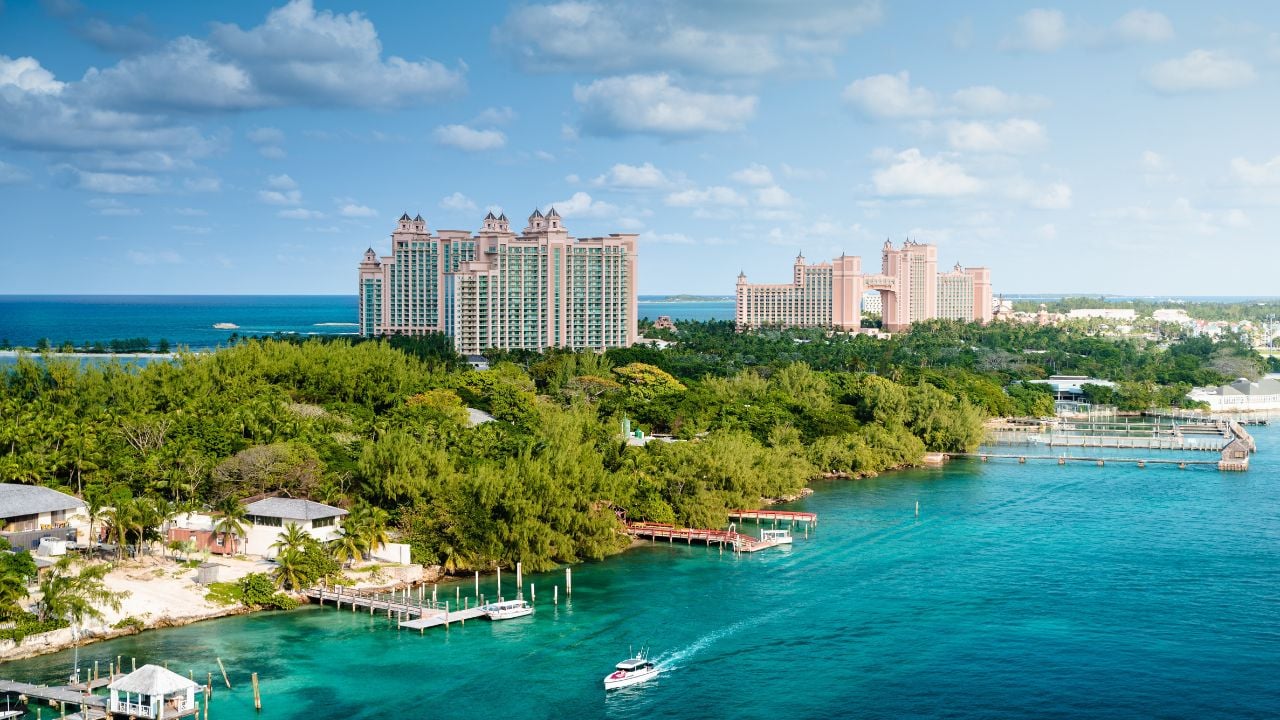
The Bahamas sells a postcard version of the Caribbean: calm water, bright resorts, and cruise-friendly streets. The tricky part is that a large share of reported crime is concentrated in Nassau and Freeport, where visitor areas sit close to neighborhoods with higher risk. Even short errands can feel different once you’re a few blocks away from the usual tourist routes.
Local guidance often highlights increased risk in parts of Nassau like the “Over the Hill” area south of Shirley Street. Vacation rentals can also be a weak point if they don’t have solid security. If you’re going out at night, stick to busy areas, use reputable transport, and keep your plans simple.
2. Jamaica (Montego Bay and Kingston)
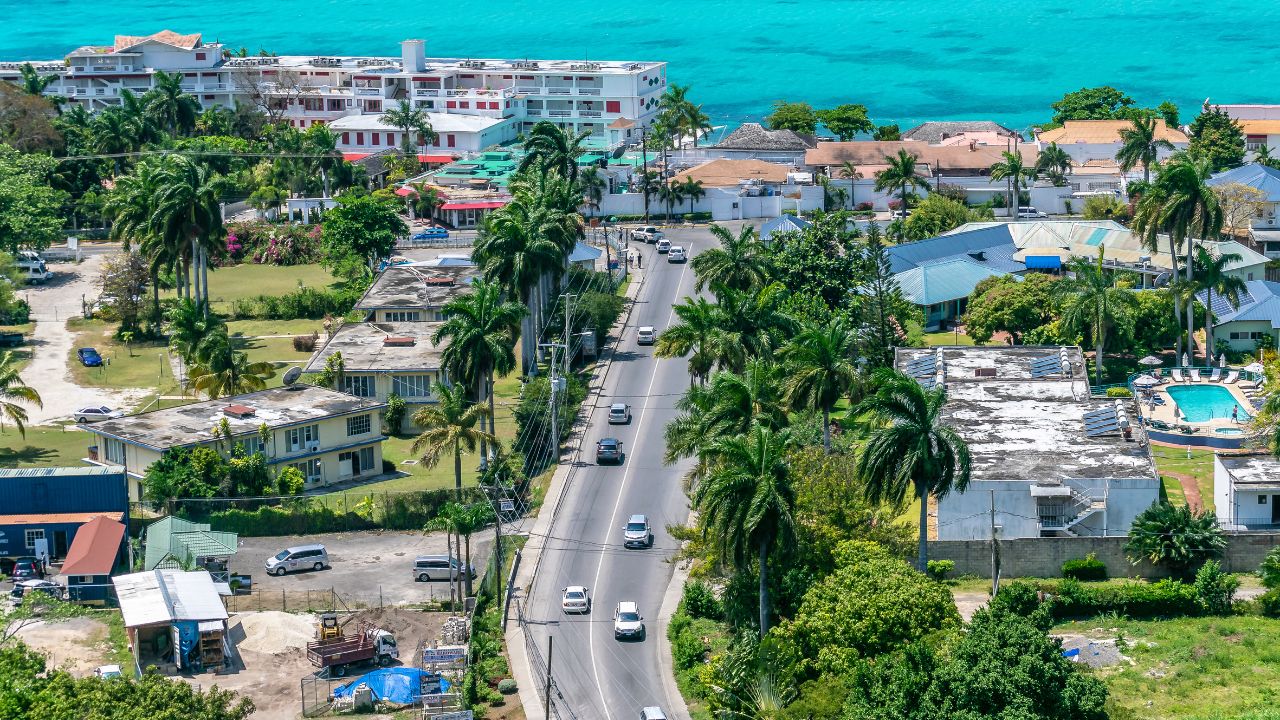
Jamaica is one of the most loved beach getaways in the Caribbean, especially for all-inclusive travelers. That resort bubble can feel extremely relaxed, but official advisories still warn about serious violent crime in parts of the country. The contrast can be jarring: the hotel feels dreamy, while the wrong turn outside it can feel tense.
The biggest mistakes visitors make here are wandering without a plan and assuming “tourist town” means “risk-free.” Book transportation through trusted providers, avoid isolated roads, and keep nightlife decisions conservative. Jamaica can be amazing, but it rewards travelers who move smart.
3. Costa Rica (San José, Jacó, and popular beach hubs)
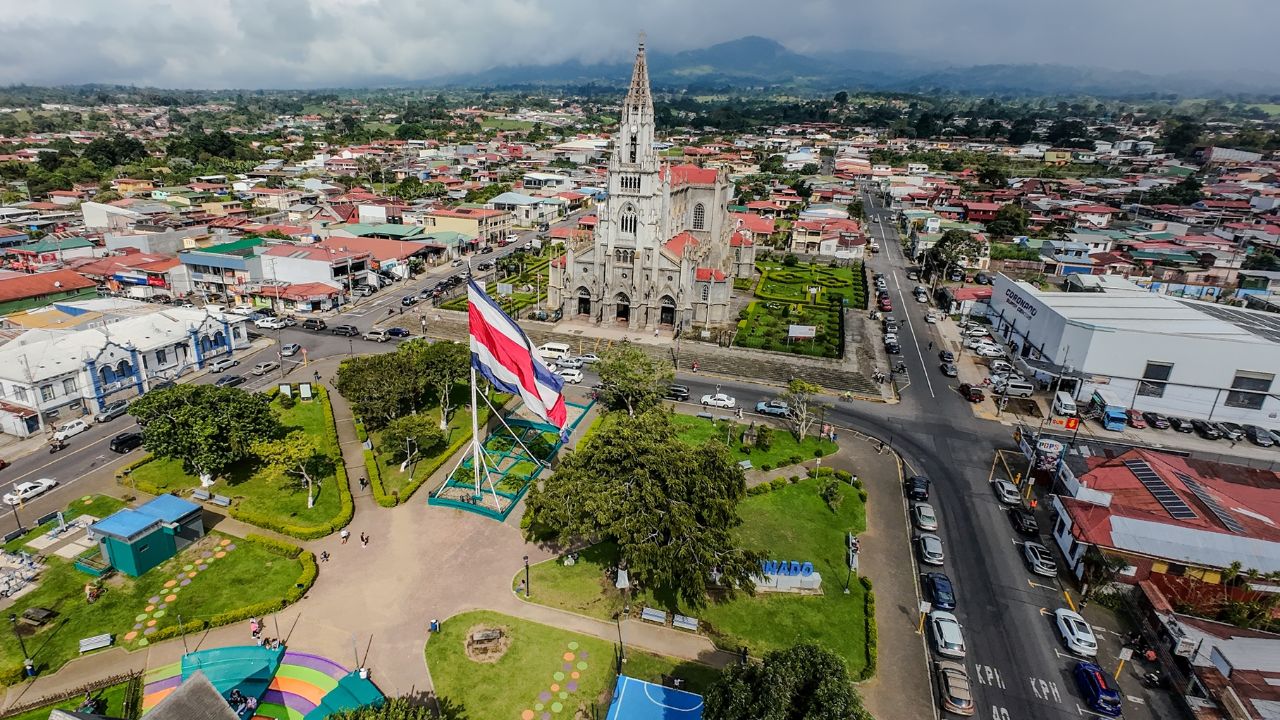
Costa Rica has a gentle, nature-first image, so people often arrive with their guard completely down. In reality, theft and robberies are common enough that embassies regularly warn tourists to stay alert, especially in busy areas and near beaches. It’s a classic case of a “nice place” that still has opportunistic crime.
Financial scams and property crime can spike around crowded hotspots, airports, and nightlife zones. Don’t leave bags unattended even for a minute, and be careful using ATMs in quiet spots. A small routine like keeping phones out of sight while walking can make a big difference.
4. Belize (Belize City)
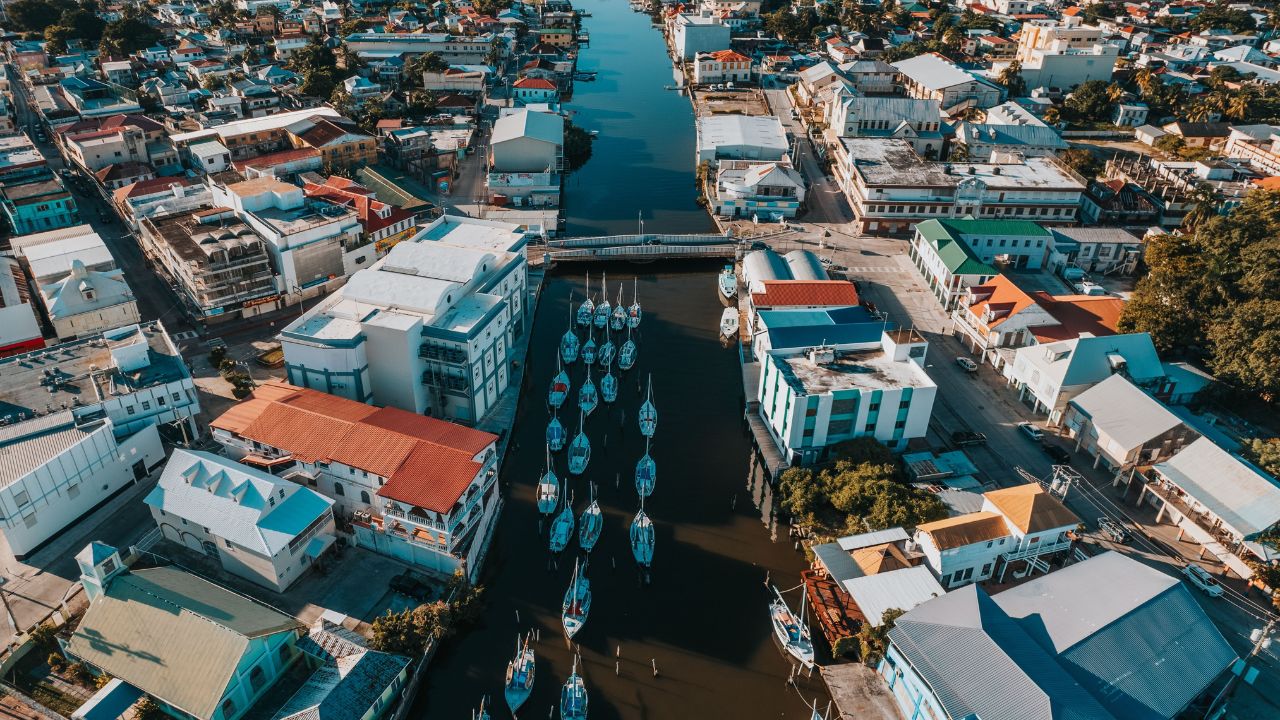
Belize is famous for reefs, snorkeling, and quick island escapes that feel low-key and friendly. The catch is that Belize City has a long-standing crime problem, and travel guidance often recommends avoiding parts of it. Many visitors pass through without issues, but it’s not a place to wander casually.
Violent incidents are often linked to gang activity in the Southside, which typically sits outside the main tourist flow. Still, tourists can get pulled into the chaos if they roam aimlessly or flash valuables. If you need to transit Belize City, do it during daytime hours and keep your route direct.
5. Dominican Republic (Punta Cana and Santo Domingo)

The Dominican Republic markets itself as effortless beach time, especially in Punta Cana. Even with extra police presence near popular resorts, violent crime is still listed as a concern in official guidance. That doesn’t mean every trip is dangerous. It means visitors should avoid sloppy decisions.
Resort areas can feel controlled, but problems can pop up during nightlife outings, informal taxi rides, or meetups arranged online. Keep your plans public, skip deserted areas, and avoid carrying anything you’d hate to lose. The DR is easiest when you treat it like a real city-country mix, not a theme park.
6. Mexico (Cancún, Playa del Carmen, and Tulum)

Mexico’s Caribbean coast has a “safe vacation zone” reputation, which is exactly why people take risks there. Official travel guidance warns that crime, including violent crime, can occur even in popular destinations. Visitors tend to run into trouble through nightlife, drugs, or wandering far outside the main areas late at night.
A common mistake safety step here is simple: don’t chase sketchy fun. Use licensed transport, keep drinking under control, and avoid buying anything illegal because that’s where scams and extortion get ugly fast. You can still have an incredible trip, but the carefree version works best in daylight.
7. Colombia (Cartagena)
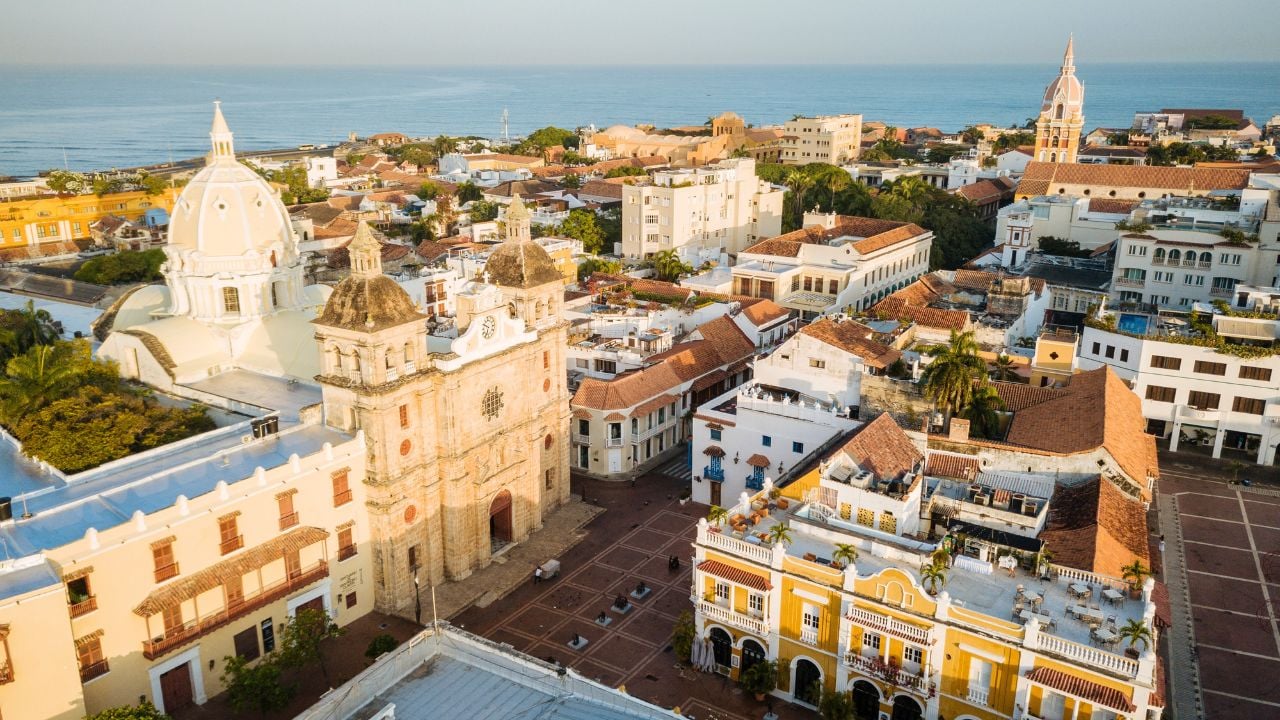
Cartagena is often seen as Colombia’s “easy mode” destination: beaches, history, and a steady tourist flow. Even so, Colombia’s broader travel alerts stay cautious due to crime risks in parts of the country. In Cartagena specifically, the most common problems are robberies, aggressive scams, and situations that go sideways after dark.
Tourists tend to get targeted in crowded plazas, nightlife districts, and near ATMs. Keep your phone secured, stay in groups at night, and avoid getting pulled into random conversations that feel too persistent. Cartagena can be gorgeous, but it’s a city where street smarts matter.
8. South Africa (Cape Town)

Cape Town looks like a dream destination: mountains, beaches, wine country, and dramatic coastal drives. It also has serious crime issues, including robbery and car-related attacks, and government safety advisories frequently call this out. Many travelers have great trips, but the risks are real enough that planning matters.
“Smash-and-grab” theft from cars is a known problem, especially when valuables are visible. Avoid leaving anything on seats, don’t stop in quiet areas with luggage in view, and use trusted ride services at night. Cape Town is stunning, but it’s not the place to freestyle your safety habits.
9. France (Paris)

Paris feels polished, iconic, and safe enough that tourists assume they can relax immediately. The reality is that the city has persistent pickpocketing and theft issues, especially on the Metro, RER lines, and major stations. It’s not usually violent, but it’s extremely efficient.
Pickpocket teams often use distractions: someone bumps you, someone “helps,” and your stuff vanishes. Keep bags zipped and in front of your body, and don’t hang phones on café tables like they’re decorations. In Paris, the smartest move is to stop acting like you’re in a movie instead of a major capital city.
10. Spain (Barcelona)

Barcelona is bright, walkable, and packed with visitors, which makes it a prime environment for street crime. Travel guidance often warns that thieves use distraction tactics and work in groups, especially in busy areas. It can feel harmless until you realize how fast a passport or phone can disappear.
Car-related scams also happen, including schemes aimed at rental vehicles. If someone flags you down claiming something is wrong with your car, stop only in a well-lit public place. The city is still fantastic, just treat your belongings like they’re trying to escape.
11. Italy (Rome)
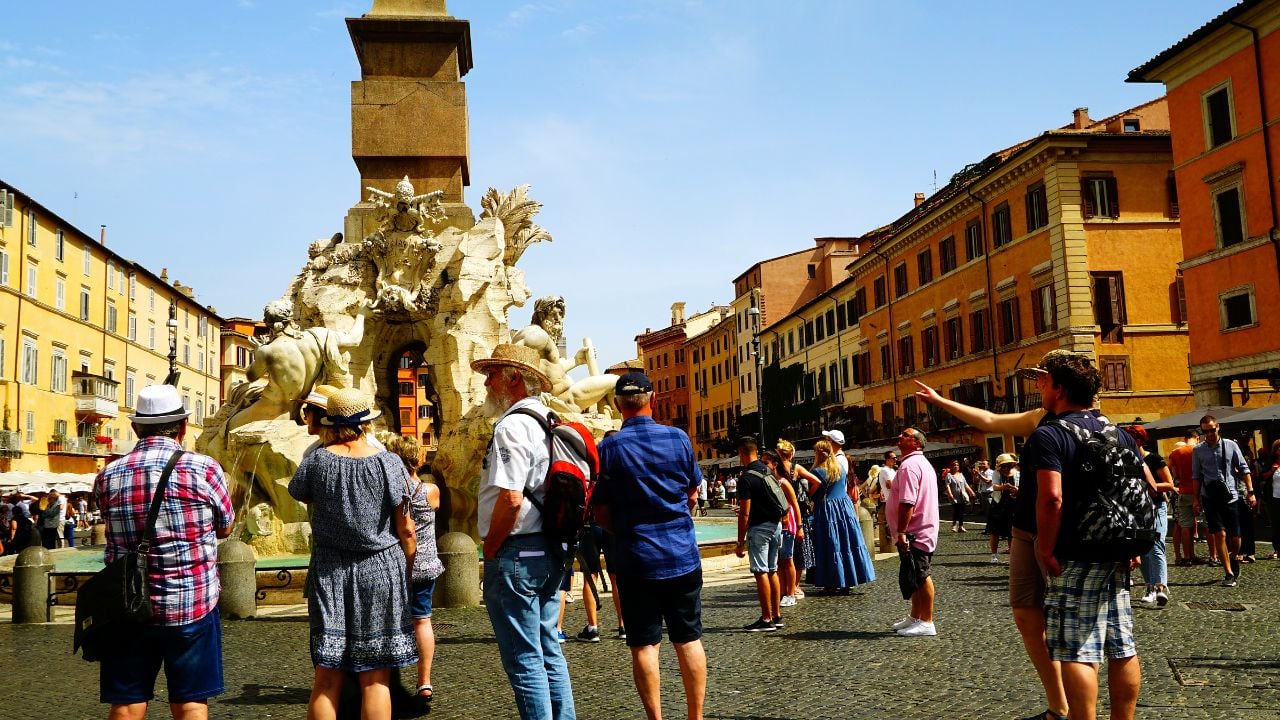
Rome is one of the world’s most visited cities, so people expect a smooth tourist experience. Instead, many visitors meet Rome’s famous pickpocket culture, especially around public transport, stations, and major sights. It’s less “dangerous” and more “constant low-level theft pressure.”
The typical pattern is crowded spaces where your attention is already split. Keep bags closed, don’t carry everything in one spot, and watch for anyone pressing too close for no reason. Rome is unforgettable, but it has a talent for teaching travelers the value of a crossbody bag.
12. Netherlands (Amsterdam)

Amsterdam’s calm reputation makes it feel like a low-risk European stop. But pickpocketing and bag-snatching are common in central areas and around Amsterdam Central Station, including trains and trams from the airport. Thieves often work in groups, using distractions.
Restaurants and cafés can also be trouble spots when bags are left hanging on chairs. Keep essentials on your body, and don’t get casual with your phone in crowded zones like markets. Amsterdam is chill, but tourists still get treated like easy targets.
13. United States (New Orleans)
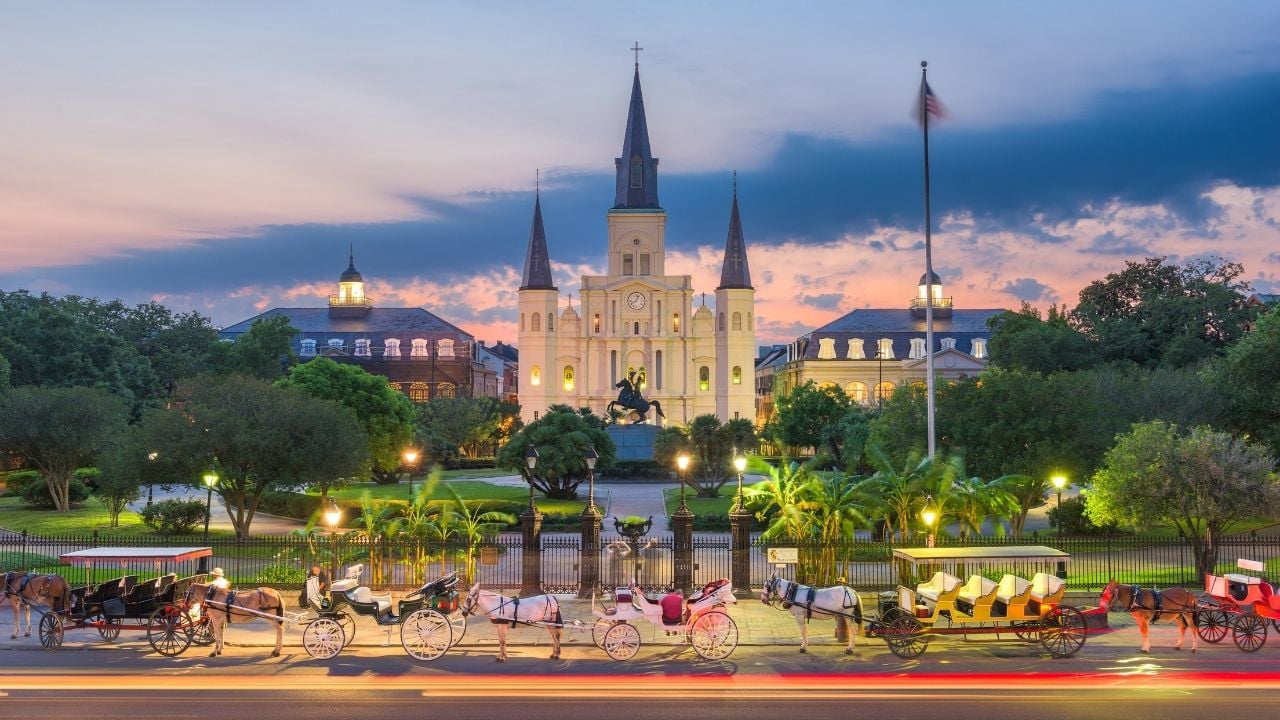
New Orleans is a bucket-list city for music, food, and late-night energy, so visitors often focus on fun first. The city has also struggled with high violent crime compared to many U.S. destinations, even though 2025 saw a major drop in murders and other violent offenses. That improvement is real, but it doesn’t erase the need for caution.
Tourist-heavy neighborhoods can feel safe, but change quickly a few streets over. Use rideshares at night, avoid quiet blocks after bar hours, and keep valuables minimal when walking. New Orleans is electric, just treat it like a big city with big-city rules.