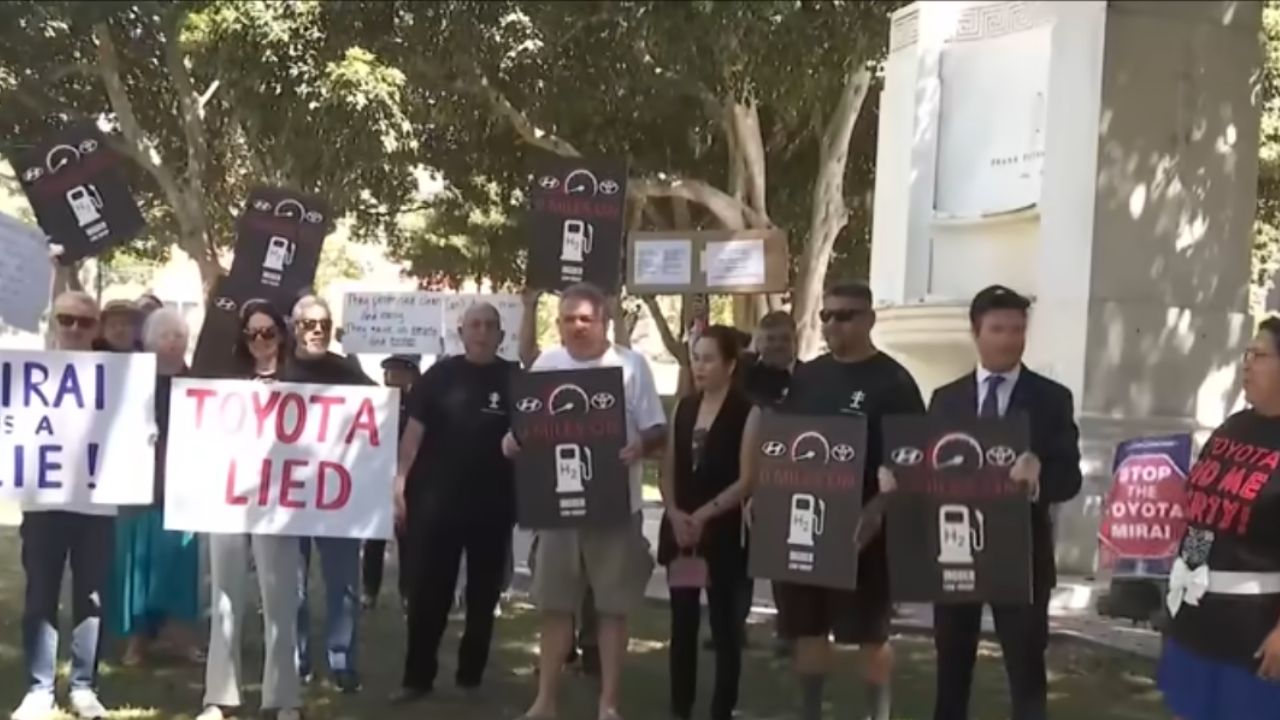

When Toyota faced a sweeping class action over its hydrogen-powered Toyota Mirai vehicles last year, many owners breathed a sigh of relief after the company told them in writing to pause their monthly car payments until the legal battle shook out.
What followed for some owners, however, was a nightmare that has now become its own headline: despite Toyota’s assurances, several were reported to credit bureaus as late on their payments and sent to debt collectors, according to lawsuits and owner accounts.
The credits and cancellations were supposed to be a temporary reprieve while Toyota answered claims that it misled buyers about how practical the Mirai would be in daily life. Named in a $5.7 billion RICO lawsuit filed in California, the company is accused of selling cars that owners now say are hard to fuel, overpriced to own, and built atop a refueling network that barely exists outside a patchwork of mostly unreliable stations.
Fiasco Within the Larger Fiasco
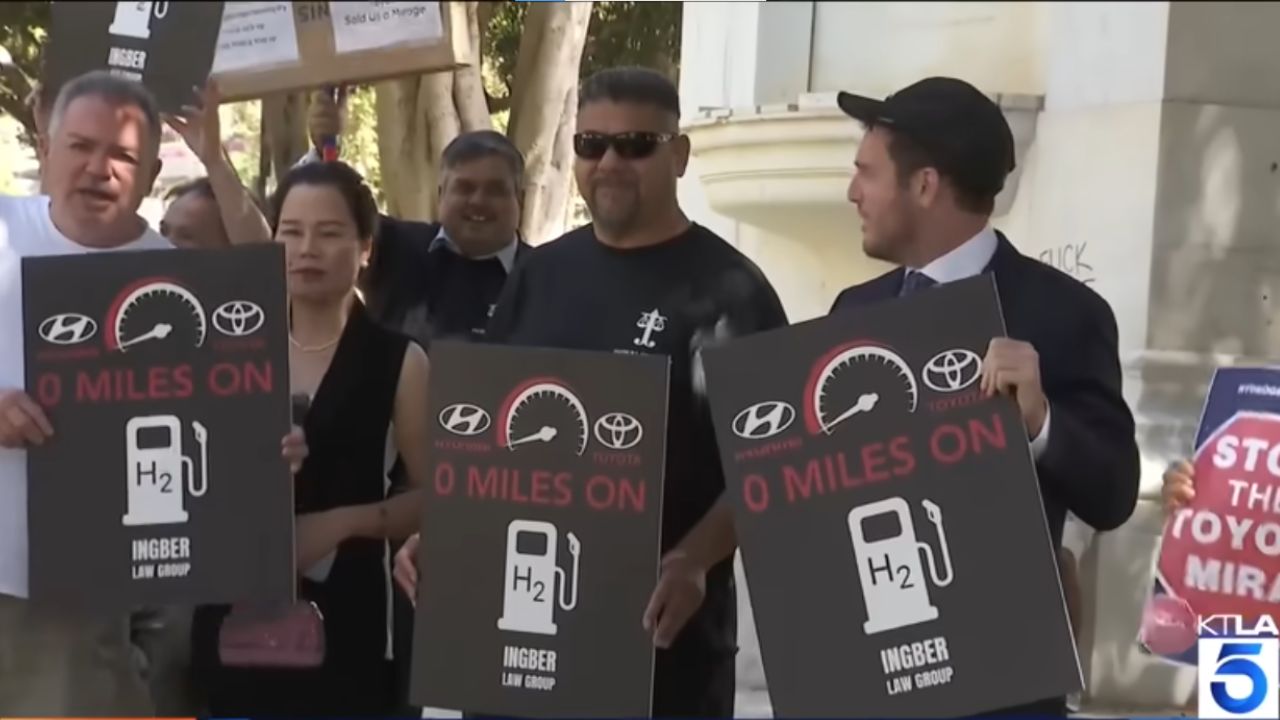
In what some call a fiasco within the larger fiasco, Toyota allegedly told owners it would not demand monthly payments on the vehicles while the case was active and even sent written assurances to that effect. That guidance, however, quickly became controversial once owners followed it and then learned their credit reports were being flagged for missed payments.
Attorney Jason Ingber, who represents many of the plaintiffs, told KTLA that the situation has left owners bewildered and angry. “This was a big relief, and then with the uncertainty of it, now some people have gone back to making payments,” he said. “Some people threw their arms in the air because they already got negative credit reported. This is a fiasco within the fiasco that’s really cruel, in my opinion.”
Owners like Anthony Escobedo and Julie Doumit say the credit damage has real-world consequences. Escobedo told reporters his credit score, once an 814 excellent score, tumbled about 100 points after he paused payments as instructed and was later sent to collections.
That drop kept him from qualifying for an interest-free loan he needed for his wife’s medical care and forced him to turn to high-interest credit cards instead. When Toyota eventually reversed the credit report, his score only partially recovered.
Depressing Credit Scores
Doumit’s experience was similar. After 46 months of on-time payments, she paused paying her Mirai and the very next month was reported for nonpayment. Her credit score dropped roughly 70 points. “Literally, the next month after they make this promise in writing that they will not debt collect … they reported me the very next month,” she said. “I’m like, really? I mean, I’m just kind of in disbelief on how poorly Toyota has treated their customers.”
Another owner, Alejandro King, said his credit score plunged by about 150 points — from a phenomenal 835 — a drop he described as devastating both financially and emotionally. “I’ve been building my credit since I was 18 years old. I have never missed a payment … And for me to see that happen, I was so depressed that I couldn’t sleep,” he told reporters.
Industry observers say whatever Toyota’s intentions; internal miscommunication appears to be part of the problem. Some accounts indicate Toyota staff missed notes on customer accounts indicating payments should be paused, causing automatic collection reports to be triggered. Where that breakdown happened and why it wasn’t fixed sooner is now part of what plaintiffs’ lawyers are probing.
Ahead of Its Time
This fresh controversy has deepened frustration among people who already say they were misled about the usability of hydrogen vehicles. Mirai owners have argued for months that Toyota overstated how practical and future-ready the hydrogen refueling network would become, especially outside California.
The lawsuit accuses Toyota and its financing arms of aggressive marketing and financial tactics that left owners holding vehicles they can barely use.
With a judge set to decide whether the broader lawsuit will proceed, the new allegations over credit reporting and collection actions have put additional pressure on Toyota. For drivers who bought into a clean-energy vision and trusted a global automaker, the fallout is proving far more personal than most anticipated.
Sources: DAX Street