

A Mesa, Arizona resident was sentenced last week to five years in federal prison for setting fire to a Tesla dealership and destroying a Cybertruck in a politically motivated arson attack that shocked law enforcement and the EV community.
The incident, which occurred in April 2025, did more than torch an electric pickup. It exposed deep fractures in public perceptions of Tesla products and foreshadowed growing challenges for Elon Musk’s once-high-flying EV maker.
The Crime
According to federal prosecutors, 35-year-old Ian William Moses approached the Tesla retail location in Mesa shortly before 2 a.m. on April 28th. Surveillance footage shows Moses carrying a gasoline can and a backpack.
Investigators say he poured gasoline on the building and on three vehicles parked outside, including a Tesla Cybertruck, then ignited the blaze with fire starter logs. Fire crews eventually extinguished the flames, but the Cybertruck was destroyed and the structure suffered significant damage. Moses fled on a bicycle and was arrested about a quarter mile from the scene.
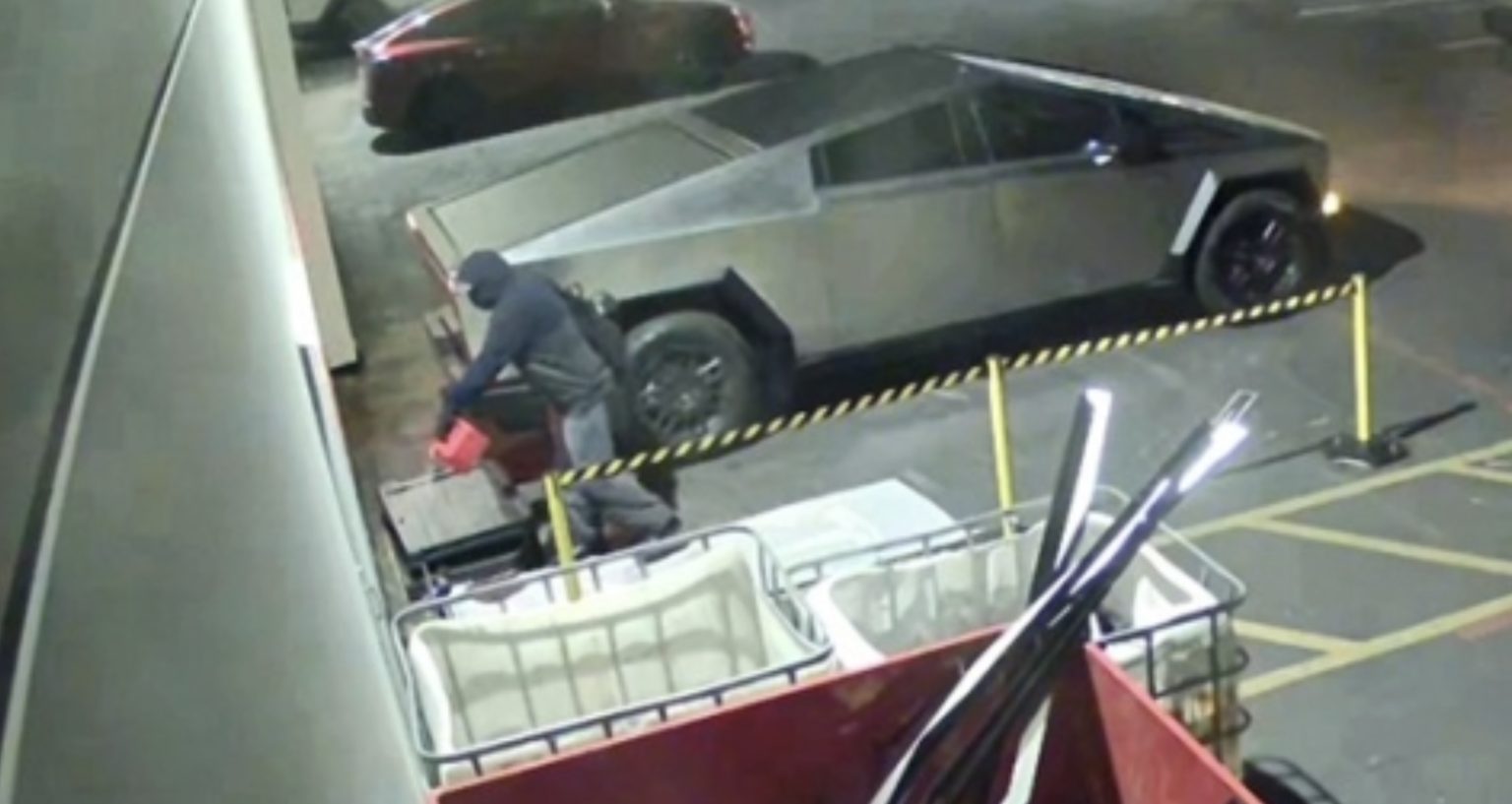
In U.S. District Court, Moses reportedly pleaded guilty to five felony counts earlier in October 2025. U.S. District Judge Diane J. Humetewa handed down a five-year prison term followed by three years of supervised release, with restitution to be settled in April 2026. Prosecutors emphasized that the crime was politically motivated, and that that’s an unacceptable escalation from protest to violent property damage.
U.S. Attorney Timothy Courchaine said the 5-year jail sentence reflects the severity of the offense and sends a message that violence or intimidation against businesses or communities has no place in public discourse. Local officials echoed that sentiment because arson endangered first responders and could have turned deadly.
A Symbolic Target
The Cybertruck that burned in Mesa was too hot buttoned to be just another vehicle on a dealership lot. Since its long-anticipated unveiling in 2019, the angular, stainless-steel-bodied pickup has become a lightning rod in automotive culture.
🔥Justice Served🔥
Ian William Moses sentenced to the 5 years in federal prison for the politically motivated arson that destroyed a Cybertruck at an Arizona Tesla dealership last April.
He should get an additional 5 years for not knowing how to spell the word “thief.” pic.twitter.com/XgHkrE2qkV
— Jay Gatling (@apinionsvary) January 15, 2026
At launch, Tesla touted the truck as rugged, futuristic, and on track to disrupt the traditional pickup market dominated by Ford, Chevy, and Ram. Musk projected annual sales in the 250,000 to 500,000 range, positioning the Cybertruck as a cornerstone of the company’s next chapter.
But those early hype figures have faded into a harsher reality. Despite more than a million reservations during the pre-order period, actual sales have lagged far behind expectations. Cox Automotive data released this month shows that Tesla sold just over 20,000 Cybertrucks in the U.S. in 2025, a dramatic 68 percent drop in the final quarter compared to the year before.
Tesla’s Cybertruck is falling far short of Elon Musk’s ambitious sales targets
byu/businessinsider inRealTesla
That figure pales in comparison to Musk’s original targets and underscores deepening demand weakness.
Analysts point to several factors behind the cooling interest. The Cybertruck’s price tag (often over $79,000) is far higher than the $40,000 Musk once floated, putting it out of reach for many buyers. The divisive design has polarized potential customers, and multiple recalls and quality issues have eroded confidence.
So far, Tesla has issued around 10 separate recalls related to various components, which doesn’t help public perception of a model marketed as rugged and durable.
Market Reality Check
Industry watchers also note that Tesla’s broader EV lineup, dominated by the Model 3 and Model Y, continues to outperform the Cybertruck by a wide margin. In the first nine months of 2025, Tesla delivered about 16,000 Cybertrucks, marking a 38 percent yearly decline compared to the same period in 2024.
That stands in stark contrast to Tesla’s overall production growth, with the company reporting increases in deliveries of more mainstream models.
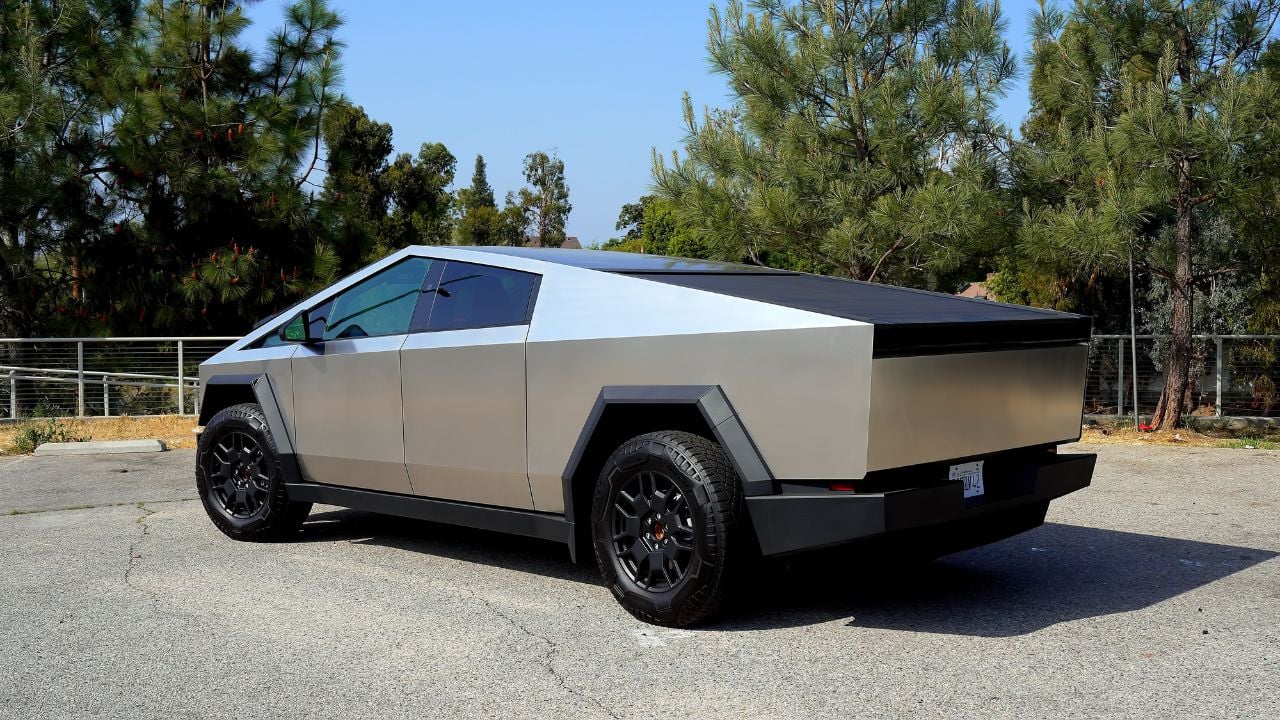
Inventory challenges have compounded the sales slump. Reports suggest that unsold Cybertruck stock at the Texas Gigafactory could amount to nearly two years’ worth of expected sales at current rates. Production has even been slowed at times, with some workers shifted to Model Y assembly lines to meet stronger demand.
Even as Tesla still touts growth in energy storage and autonomous tech, the Cybertruck’s struggles reflect a broader truth in the EV market: cutting-edge ideas still need wide consumer acceptance and reliable execution to succeed.
The arsonist’s act in Mesa may have made headlines, but the real challenge for the Cybertruck lies in convincing everyday drivers that the bold, futuristic pickup is worth their money. That might turn out to be Tesla’s bigger story.
Sources: TESLARATI