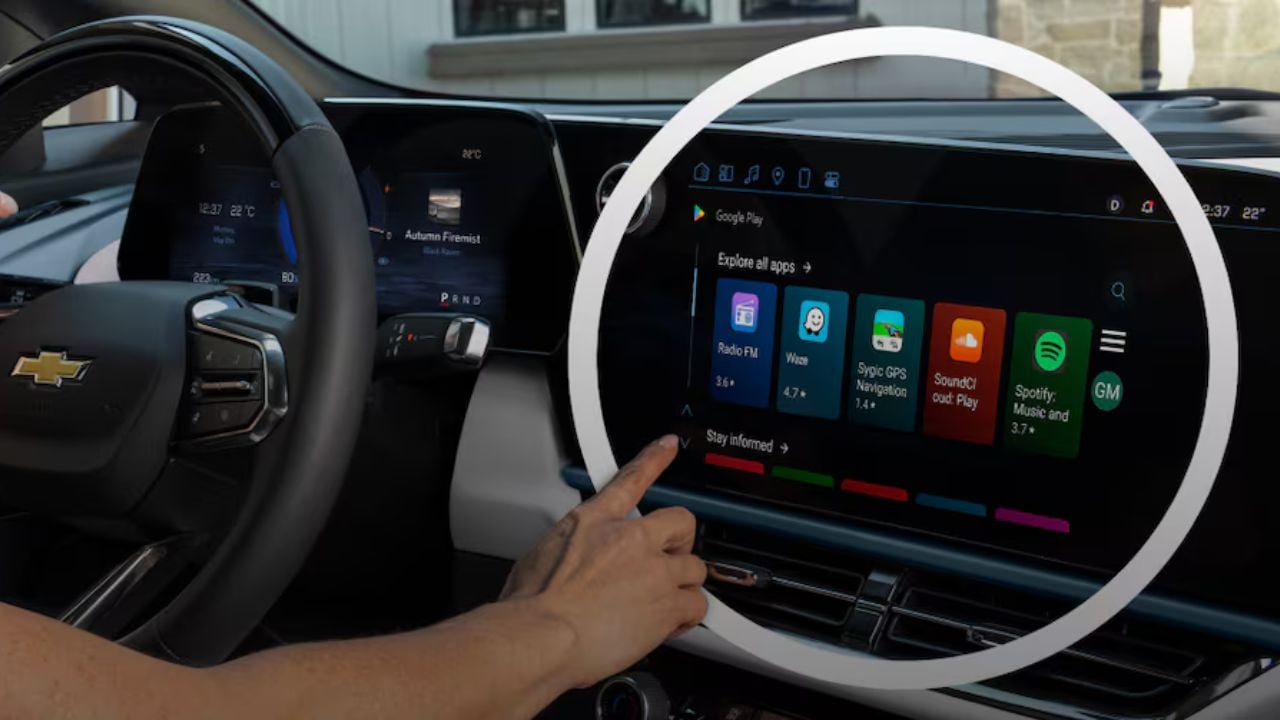

To protect driver privacy, the U.S. Federal Trade Commission has finalized an order restricting how General Motors and its telematics arm OnStar can collect and share data from vehicles. The decision, announced mid-January 2026, marks one of the most far-reaching regulatory actions against a major automaker’s handling of connected car data.
At the heart of the settlement is the conclusion that GM collected and shared detailed driving information without clearly telling customers what was happening or getting their explicit permission. Regulators say that data ranged from precise location to driving behavior such as hard braking, speeding and other habits that could be used to profile drivers. Critics have long warned that such information can be misused by insurers or other third parties.
The FTC
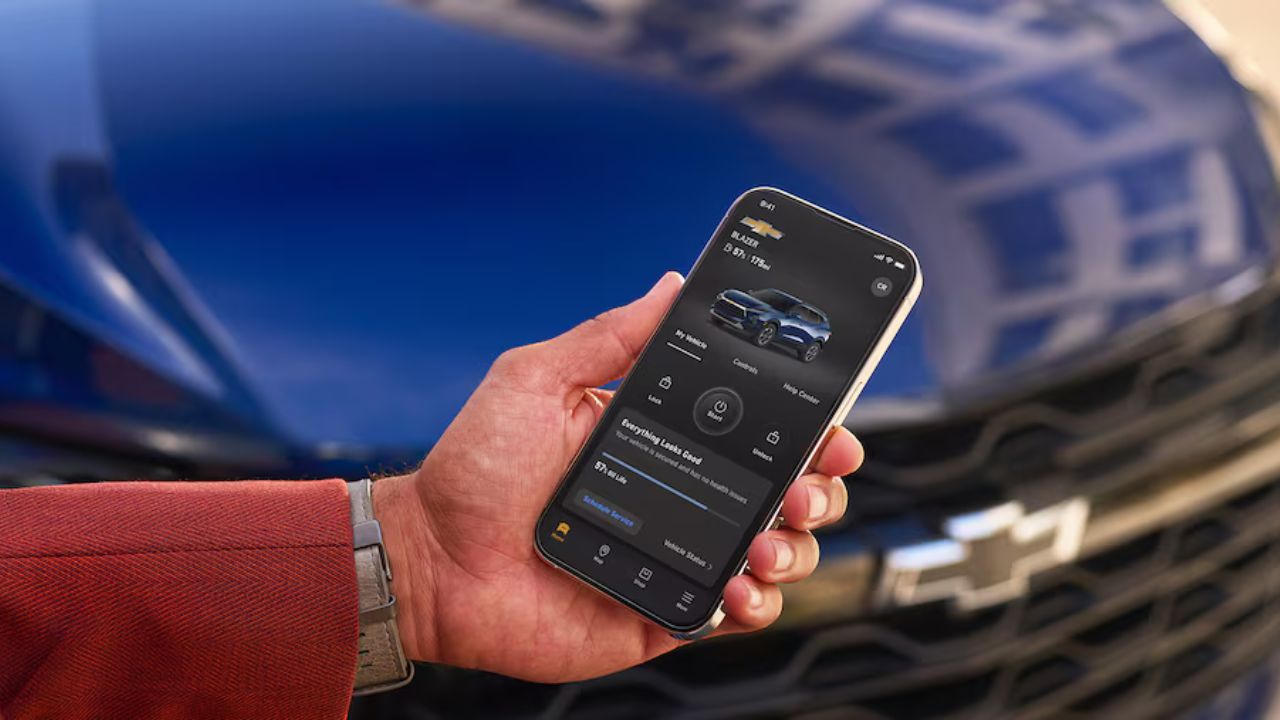
For the next five years, GM and OnStar are barred from disclosing consumers’ precise location and driving behavior data to consumer reporting agencies. These agencies include the kinds of firms that compile credit and insurance risk reports. The FTC said sharing driving data in that way without consent could harm consumers by affecting insurance outcomes or financial profiles.
That five-year block is only the first part of the FTC’s action. Under the final order, which will last two decades, GM must obtain explicit consent from every U.S. consumer before collecting, using or sharing connected vehicle data of this type. The consent requirement covers most non-emergency situations and must be granted affirmatively, not buried in fine print that most buyers never read.
The settlement also gives drivers new control over their data. GM is required to set up processes that let customers:
- Request and receive a copy of the data collected about their vehicle use.
• Ask for that data to be deleted.
• Turn off precise geolocation tracking entirely if their vehicle supports it.
• Opt out of driving behavior data collection altogether.
The Smart Driver Backstory

This action traces back to a complaint first made in January 2025, after investigations revealed that a feature inside GM’s OnStar suite known as “Smart Driver” was tracking drivers’ habits. The feature was marketed as a tool to help people improve their driving, but the FTC says the way consumers were signed up and the lack of clear disclosures misled many into sharing data they did not intend to provide.
Much of the data allegedly ended up with third-party data brokers, including LexisNexis and Verisk, who in turn passed the information on to insurance companies and other clients. The worry was not only that drivers did not know their habits were being logged every few seconds, but that such detailed profiles could quietly influence how much someone pays for insurance.
GM discontinued the Smart Driver program in April 2024, unenrolling participants and ending certain telematics partnerships. However, the FTC’s complaint says that was not enough to undo past practices that affected millions of drivers.
What This Means for Drivers

For everyday drivers, this ruling could change how connected car technology works in practice:
- More Transparency at Purchase: When buying a new GM-brand vehicle, customers will be asked at purchase whether they consent to data collection and sharing. Automotive analysts say this could catch many buyers off-guard if they are not used to explicit consent dialogs in cars.
- Better Opt-Out Tools: Previously, disabling telematics or data collection often meant diving into complex menus or missing critical consent steps during setup. The FTC order forces GM to make opt-out and control options far more visible and user-friendly.
- Insurance Rates and Privacy: If insurers can no longer access this data from GM for five years, some industry watchers expect a shift back to traditional methods of assessing risk. Whether this results in higher or lower premiums will vary by state and company.
Industry Impact
This FTC action shines a spotlight on automakers’ broader use of connected car data. Privacy advocates see it as a template for stronger regulation across the industry. Others, including some drivers, argue the limits should be even tighter because location and behavior data are fundamentally personal.
Still, regulators stopped short of banning all data collection. That means GM can still use certain data internally and share anonymized information in limited contexts, such as for emergency services or road safety research.
As cars become ever more connected, what started as a convenience feature is now a major battleground over consumer privacy. The FTC’s order against GM could redefine expectations of privacy on wheels for years to come.
Sources: The Register