

Ford did not abandon the Focus and Fusion because it forgot how to build sedans. It ended them because something else had to survive.
That is the uncomfortable truth revealed by Jim Farley’s comments, and it reframes one of the most controversial decisions in modern Ford history. The Focus and Fusion were not casualties of bad taste or lazy strategy. They were a deliberate sacrifice so the Bronco and Maverick could exist at all.
“We needed money to do that,” Farley said plainly. “We needed money to retool the Focus plant to make the Bronco.” That single sentence explains nearly a decade of anger, confusion, and nostalgia in one breath.
For years, Ford was bleeding quietly on cars Americans still loved. Farley admitted there is “definitely a market for sedans. Huge market.” He knows this personally. He fell in love with sedans as a young product planner at Toyota. The problem was not demand. The problem was math.
Harvesting Sedans to Seed Icons
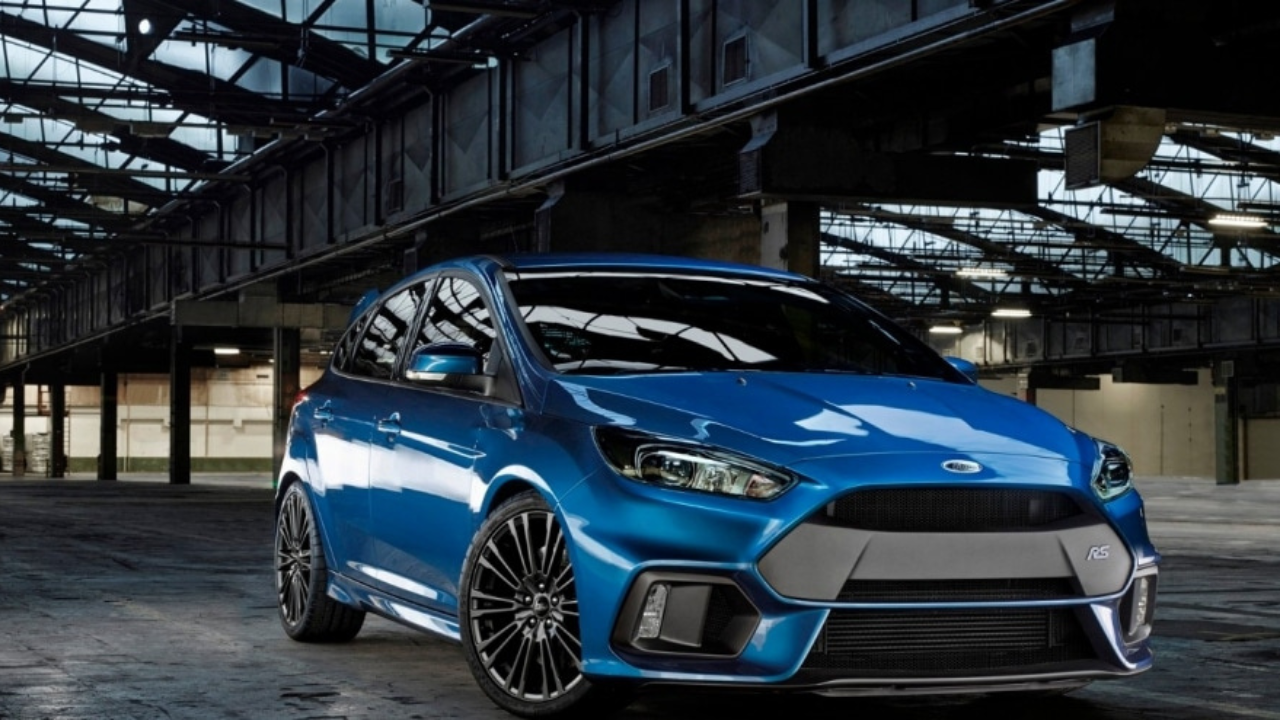
Ford made a hard commitment to build vehicles in the United States. Its sedans relied on European platforms like the Mondeo, engineered for markets where buyers accept prices three, four, or even five thousand dollars higher.
When those platforms were brought to the U.S., loaded with the sound deadening, dynamics, and refinement required to compete in Europe, they became “three or four thousand dollars way too expensive,” Farley admitted. Ford lost money on every one.
So, the Focus and Fusion were quietly draining resources while Ford faced a future that demanded massive capital. Trucks were getting smarter. Off-road vehicles were becoming lifestyle statements. Electrification and software were no longer optional.
Something had to give.
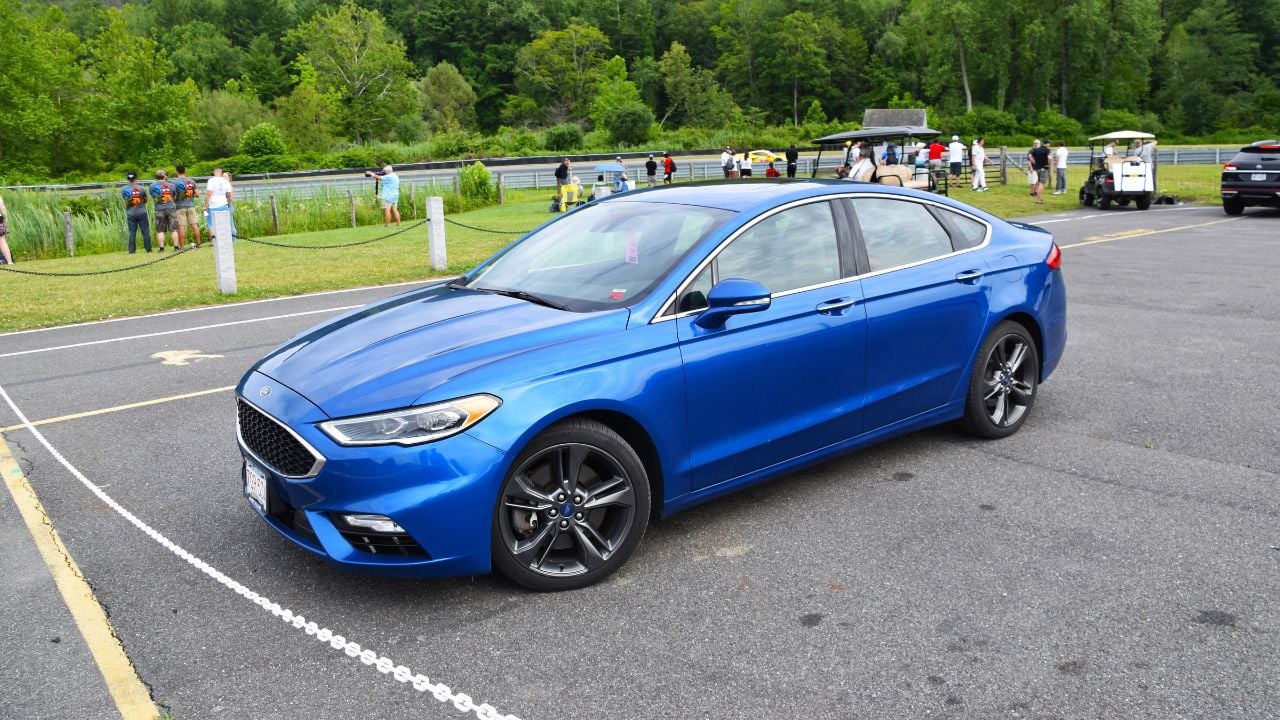
Farley wanted to keep Ford in its “sweet zone.” He said as much in this interview with Forrest’s Auto Reviews. Broncos. Mustangs. Raptors. Pro vehicles. Vehicles people did not just buy, but desired. But desire is expensive. Plants had to be converted. Engineering teams had to be reassigned. Billions had to be freed.
That money came from sacrificing long-running nameplates few believed Ford would ever abandon. Their names? Fusion. Focus.
“People don’t realize,” Farley said, “if you like Maverick, you like Bronco, those would have never happened if we kept making a Focus and a Fusion.” Ford did not simply stop building sedans. It harvested them. The profits, slim as they were, and the manufacturing capacity they occupied were redirected into something bolder.
Ruthless Triage, Uneven Results
We recently reported that Jim Cramer has praised Farley for “doing a great job” at Ford — a take likely to be met with skepticism by readers who have little patience for his leadership style. The backdrop for that skepticism is clear: under Farley’s watch, Ford has led the industry in recalls in recent years.
Cramer’s argument, however, is not about quality headlines or social media sentiment. It’s about the balance sheet. Investors, at least for now, appear satisfied.
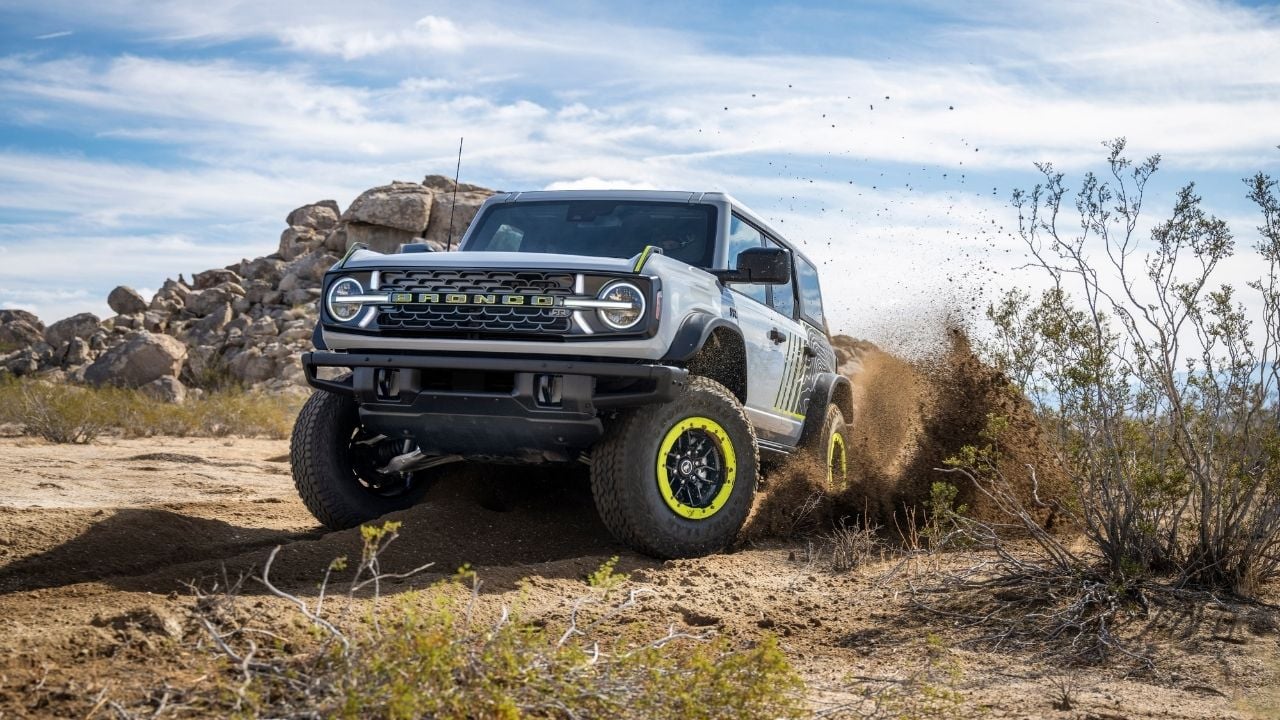
Back to the sacrificial lambs. The Bronco is proof that the strategy worked. The Michigan factory that once built the Focus now produces one of Ford’s most valuable modern nameplates — a vehicle that delivers both profit and brand credibility.
The Maverick is the second proof. A compact pickup no one else bothered to build, priced for normal people, and selling faster than Ford can supply it. That vehicle exists because Ford chose to walk away from a segment it once dominated in order to bet on something new.
This was never going to be an emotional decision. It was corporate triage.
The Shape of Things to Come
What makes this moment fascinating is that Farley is not anti-sedan. He is anti-losing. Now that Ford has breathing room, he is openly rethinking the very body style it once walked away from. The irony is hard to miss. The sedan Ford is now considering is not a resurrection of the Fusion. It is something far more radical.
With Ford’s skunk works affordable EV project, Farley admits the “sedan silhouette turns out to be very clean aerodynamically.” Efficiency favors the very shape Ford left behind. He is floating the idea of a rear-wheel-drive, high-performance, affordable electric sedan with significant cargo flexibility and serious performance. This is not nostalgia. It is evolution.
The lesson here is uncomfortable but important. Automakers cannot save everything. Strategic focus requires sacrifice. The Focus and Fusion were not failures. They were fuel.
Ford didn’t preserve them. It used them to power what came next.