
The idea of paradise often feels exaggerated, filtered, or staged for marketing purposes. Yet there are places in the world where beauty feels so complete and effortless that it challenges skepticism entirely. These destinations don’t rely on fantasy, they simply exist as nature and culture intended, untouched by excess or hype.
From remote islands to dramatic landscapes and quietly perfect towns, these places prove that paradise isn’t an illusion. They don’t demand constant attention or validation. They invite stillness, awe, and a sense that you’ve stumbled into something rare. Here are the places that make paradise feel undeniably real.
Bora Bora, French Polynesia

Bora Bora feels unreal the moment it comes into view, with jagged volcanic peaks rising from a lagoon so clear it seems artificial. Shades of blue shift constantly, creating depth and movement that feels almost hypnotic. The island feels isolated in the best way. Nothing competes with the natural setting.
Life on Bora Bora moves slowly and intentionally. Days are shaped by water, light, and silence rather than schedules. Even luxury resorts feel secondary to the environment. The island sets the tone, not the other way around.
What makes Bora Bora true paradise is harmony. Nothing feels excessive or intrusive. The beauty feels balanced, peaceful, and complete, as if the island exists exactly as it should.
Amalfi Coast, Italy
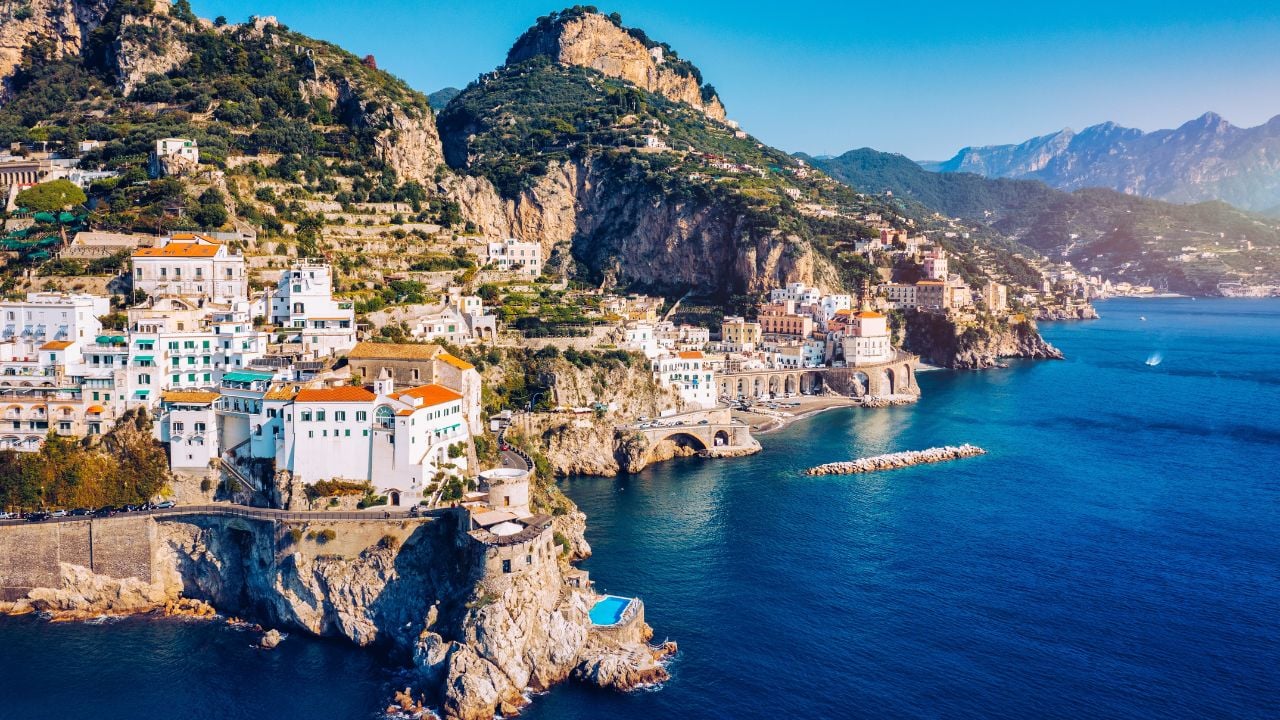
The Amalfi Coast clings dramatically to cliffs above the Mediterranean, creating a landscape that feels impossible yet perfectly stable. Pastel towns cascade downward, following the natural shape of the land. Sea and stone exist in constant dialogue. The view never feels repetitive.
Daily life unfolds vertically, with staircases replacing streets and balconies replacing yards. Locals adapt effortlessly to the terrain, and visitors quickly follow. Time slows as movement becomes intentional. The coast demands attention without urgency.
The Amalfi Coast feels like paradise because it blends human life with extreme beauty. The towns don’t overpower the landscape. They submit to it, creating something timeless and emotional.
Maldives

The Maldives feels less like a destination and more like a dream made physical. Islands barely rise above the ocean, surrounded by water so clear it feels infinite. The boundary between sea and sky often disappears. Everything feels suspended.
Life here is stripped to essentials. Days revolve around light, tides, and stillness. Noise feels out of place. The simplicity becomes addictive.
Paradise in the Maldives comes from absence. There’s nothing unnecessary, nothing distracting. Beauty exists in pure form, uninterrupted and complete.
Banff National Park, Canada
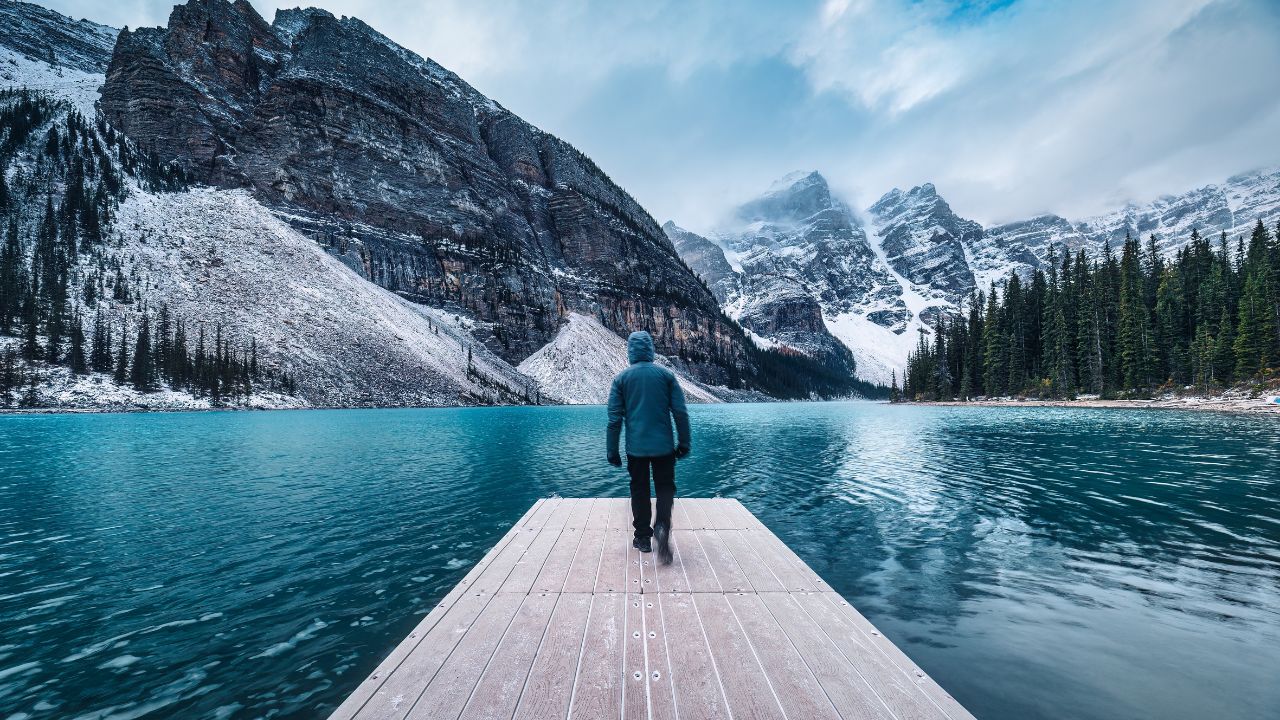
Banff feels like nature designed without compromise. Towering mountains, turquoise lakes, and endless forests dominate every direction. The scale feels overwhelming yet calming. The landscape feels untouched and powerful.
Life here revolves around the outdoors. Human presence feels temporary and respectful. The environment sets the rules. Every season reshapes the experience.
Banff proves paradise doesn’t need palm trees. Raw beauty, silence, and space can be just as intoxicating. It’s paradise through magnitude and purity.
Santorini, Greece

Santorini rises from the sea like a vision, its white buildings glowing against deep blue water. The contrast feels deliberate, almost unreal. Sunsets turn the entire island into a painting. Beauty feels constant.
Life here centers around light and views. Even simple moments feel elevated by surroundings. The island invites pause and reflection. Time stretches.
Santorini feels like paradise because it feels intentional. Every angle, every color, every curve works together. The result feels effortless yet extraordinary.
Seychelles

The Seychelles feel untouched in a way few places still do. Massive granite boulders sit on pristine beaches, surrounded by dense greenery and clear water. The landscape feels ancient and calm. Beauty feels natural rather than curated.
Life here moves at the pace of nature. Human structures blend into surroundings. Tourism feels present but restrained. The islands retain their identity.
Paradise in the Seychelles comes from balance. Nothing overwhelms. Everything coexists. The environment feels respected, not exploited.
Queenstown, New Zealand

Queenstown sits between mountains and water, offering a landscape that feels cinematic from every angle. Peaks rise sharply above a deep lake, creating constant contrast. The setting feels dynamic and alive. Beauty feels active.
Life here embraces the outdoors fully. Adventure and relaxation coexist effortlessly. The town feels energized without chaos. Nature remains dominant.
Queenstown feels like paradise because it offers both excitement and calm. You can move or pause as you choose. The environment supports both.
Palawan, Philippines

Palawan feels like a secret too beautiful to last forever. Limestone cliffs rise above turquoise lagoons, hiding quiet beaches and untouched coves. The water feels impossibly clear. Nature feels unfiltered.
Life here remains simple and connected to the sea. Fishing villages coexist with natural wonders. Development feels cautious. The island still breathes.
Palawan feels like paradise because it feels honest. Beauty exists without performance. It feels discovered, not advertised.
Lake Bled, Slovenia

Lake Bled feels like a fairy tale distilled into reality. A small island with a church floats in emerald water, framed by forested hills and distant mountains. The scene feels perfectly composed. Stillness defines the experience.
Life around the lake feels gentle and balanced. Walking paths invite slow movement. Locals and visitors coexist quietly. Nothing feels rushed.
Lake Bled proves paradise doesn’t need scale. Sometimes perfection comes from proportion. Everything here feels exactly right.
Kauai, Hawaii
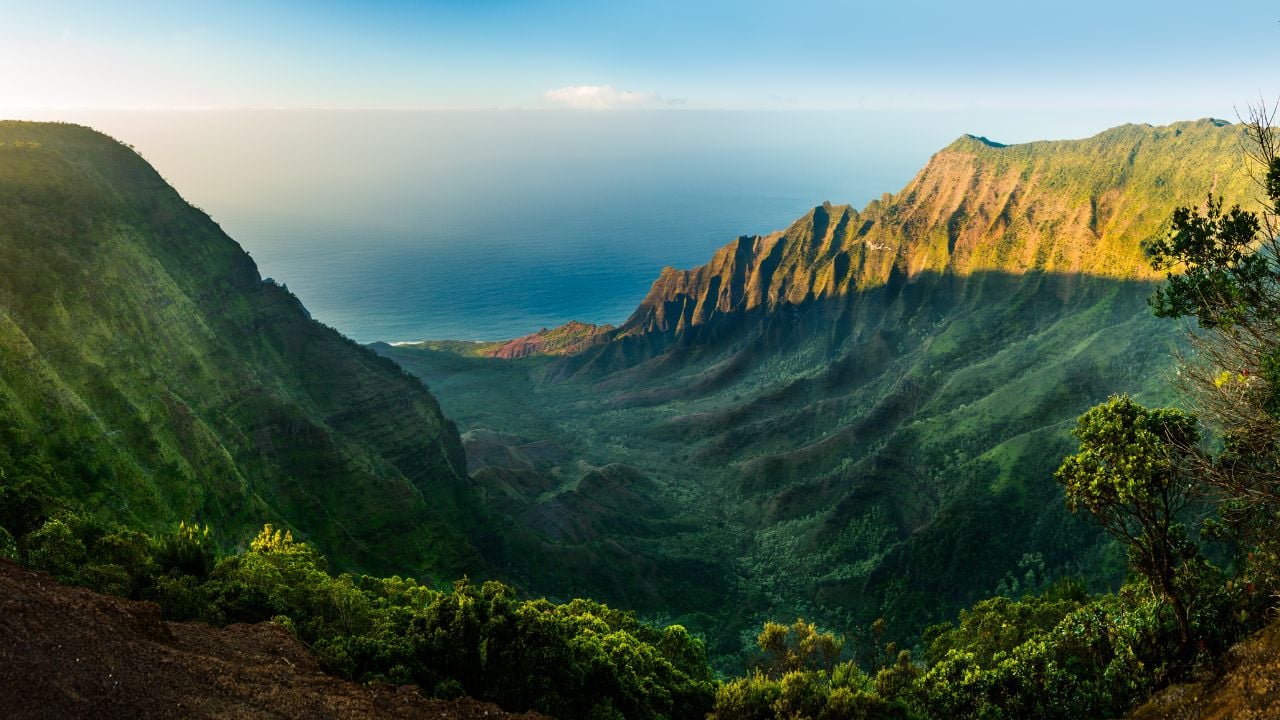
Kauai feels like the version of Hawaii that existed before postcards and crowds took over. Towering emerald cliffs, deep jungle valleys, and waterfalls hidden behind layers of green give the island a raw, untouched atmosphere. Beaches stretch wide and quiet, often without resorts in sight, and the landscape feels alive rather than arranged. The island doesn’t try to impress, it simply exists at full intensity.
Life on Kauai moves according to nature rather than tourism schedules. Rain showers roll in and out without warning, shaping the rhythm of the day, while locals remain deeply connected to land and ocean. Towns feel small, personal, and community-driven, with fewer distractions and less noise. You feel less like a visitor and more like a temporary participant.
Paradise on Kauai comes from restraint. The island resists overdevelopment and preserves its identity fiercely. Beauty here feels earned, not presented. It’s paradise for people who want nature to lead, not luxury.
Faroe Islands, Denmark

The Faroe Islands feel like the edge of the world made visible. Sheer cliffs drop directly into the Atlantic, grass-roofed houses cling to hillsides, and clouds move so low they feel touchable. The landscape feels dramatic, moody, and endlessly shifting. Beauty here isn’t sunny, it’s powerful.
Daily life in the Faroes adapts to wind, fog, and isolation. Communities are small, resilient, and tightly connected. Silence is common, and solitude feels natural rather than lonely. Even movement feels intentional in such an environment.
The Faroe Islands prove paradise doesn’t need comfort. Paradise can be wild, emotional, and demanding. The reward is a feeling of standing somewhere truly unfiltered and deeply real.
Patagonia, Argentina & Chile

Patagonia feels infinite. Vast plains stretch toward jagged mountain ranges, glaciers creak slowly into icy lakes, and winds shape the land constantly. The scale is humbling and grounding at the same time. Human presence feels minimal and temporary.
Life here revolves around endurance and respect for nature. Towns are sparse, distances are long, and routines adapt to extreme conditions. People live deliberately, aware of the power around them. The land dictates everything.
Patagonia is paradise through immensity. It strips away distraction and replaces it with clarity. You don’t come here to escape reality, you come to feel it fully.
Bora Bora’s Neighboring Island, Maupiti
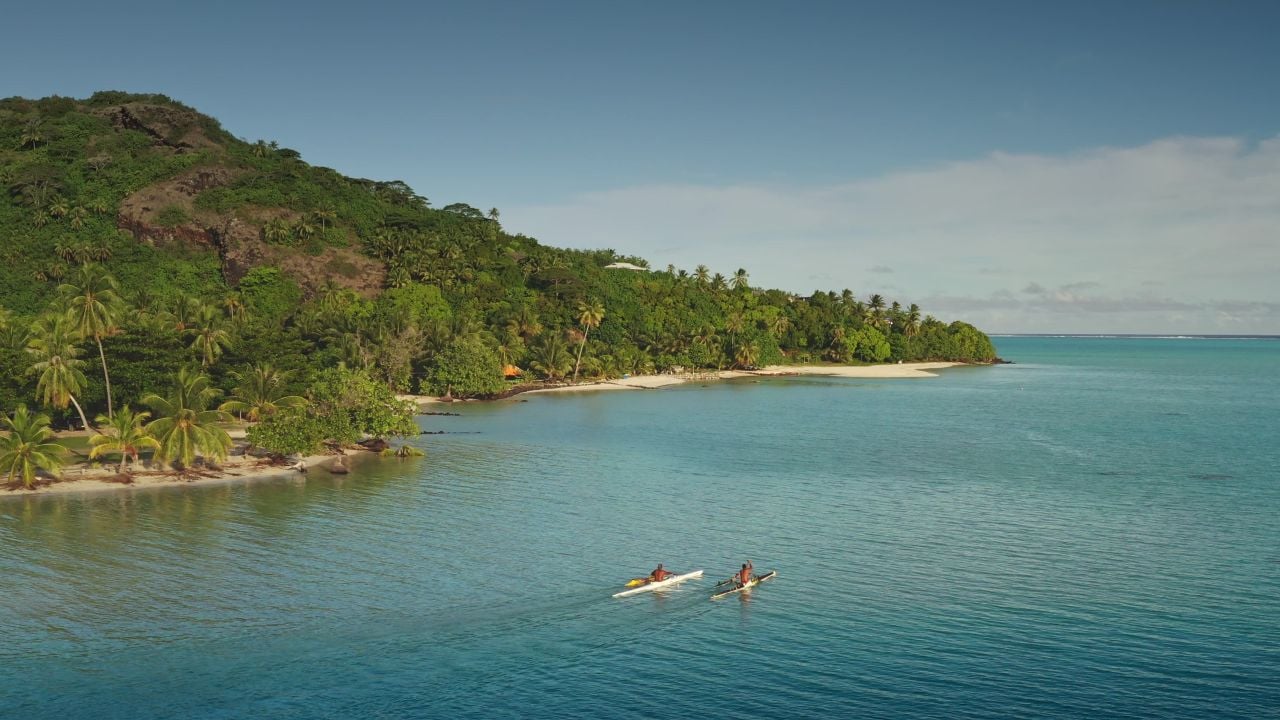
Maupiti offers everything people imagine Bora Bora to be, without the performance. The lagoon is just as blue, the mountains just as dramatic, but the island feels personal and untouched. There are no massive resorts dominating the view. The island feels honest.
Life here remains local-first. Families fish, farm, and gather in ways unchanged for generations. Visitors adapt to the island rather than the island adapting to them. Simplicity defines daily experience.
Maupiti proves paradise doesn’t need recognition. Sometimes the most perfect places stay quiet by choice. That privacy is part of the magic.
Wadi Rum, Jordan
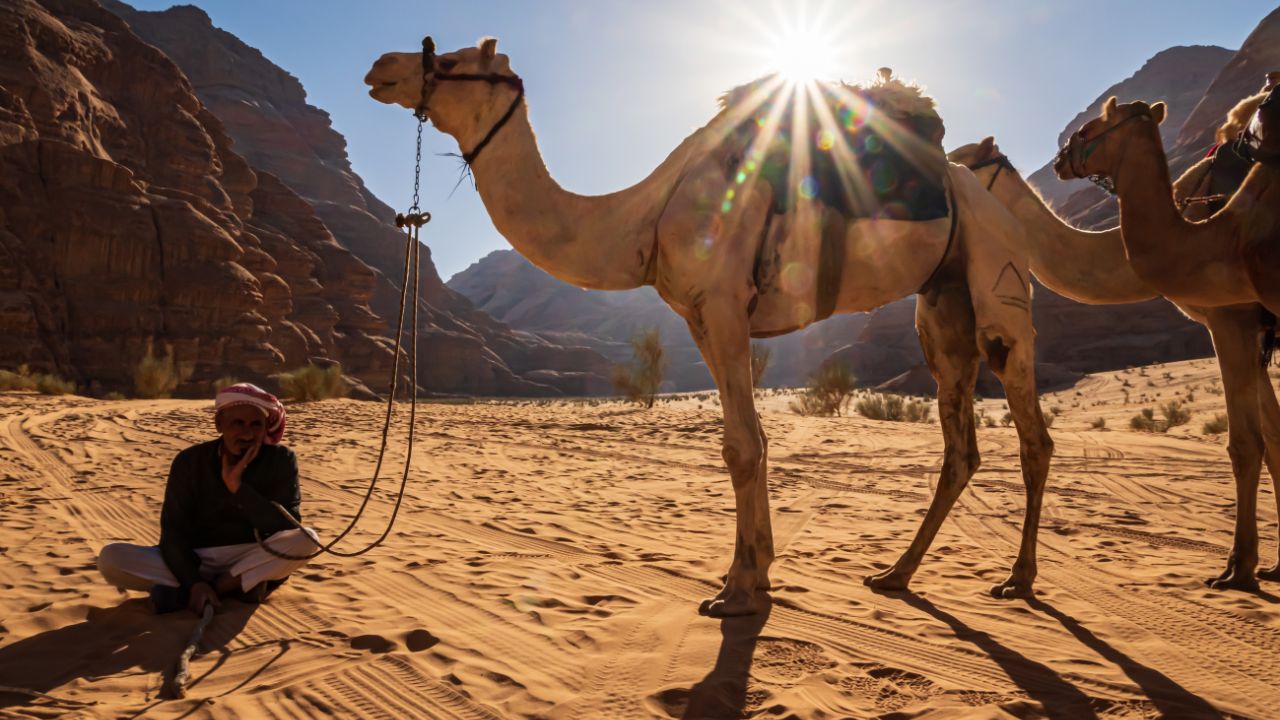
Wadi Rum feels like another planet shaped by time rather than human design. Towering sandstone formations rise from red desert sands, creating vast open spaces filled with silence. The scale feels spiritual. The landscape feels ancient.
Life here has always been minimal and adaptive. Bedouin culture blends seamlessly with the environment, honoring survival and tradition. Nights bring stars so bright they feel unreal. The desert reveals itself slowly.
Wadi Rum is paradise through stillness. It offers space to think, breathe, and reset. Beauty here doesn’t distract, it clarifies.
Moorea, French Polynesia

Moorea feels like paradise softened. Mountains rise steeply but gently, lagoons glow without blinding intensity, and the island feels welcoming rather than dramatic. It feels balanced. Everything exists in harmony.
Life on Moorea is slow and human-scaled. Locals and visitors interact naturally, and daily routines feel calm. The island encourages presence rather than consumption. Nothing feels rushed.
Moorea’s paradise lies in livability. It’s not just beautiful, it feels sustainable. You could imagine staying, not just visiting.
Lofoten Islands, Norway

Lofoten feels impossibly arranged, with sharp peaks rising directly from cold blue water and small fishing villages scattered below. Light changes constantly, reshaping the landscape every hour. Beauty feels dynamic and unpredictable. Nothing stays still.
Life here is shaped by sea and season. Fishing traditions remain strong, and weather dictates everything. Communities feel resilient and self-sufficient. Isolation feels purposeful.
Lofoten proves paradise can be cold, rugged, and intense. Beauty doesn’t need warmth. It needs presence.
Zanzibar, Tanzania

Zanzibar blends tropical beauty with deep cultural layers. White-sand beaches stretch endlessly, while historic Stone Town tells stories through carved doors and narrow alleys. The island feels textured and alive. Beauty here has history.
Life unfolds slowly and socially. Markets, mosques, and seaside gatherings shape daily rhythm. The island feels human and warm. Tourism blends rather than replaces.
Zanzibar’s paradise comes from depth. It’s not just scenery, it’s soul. That combination makes it unforgettable.
Yosemite National Park, USA
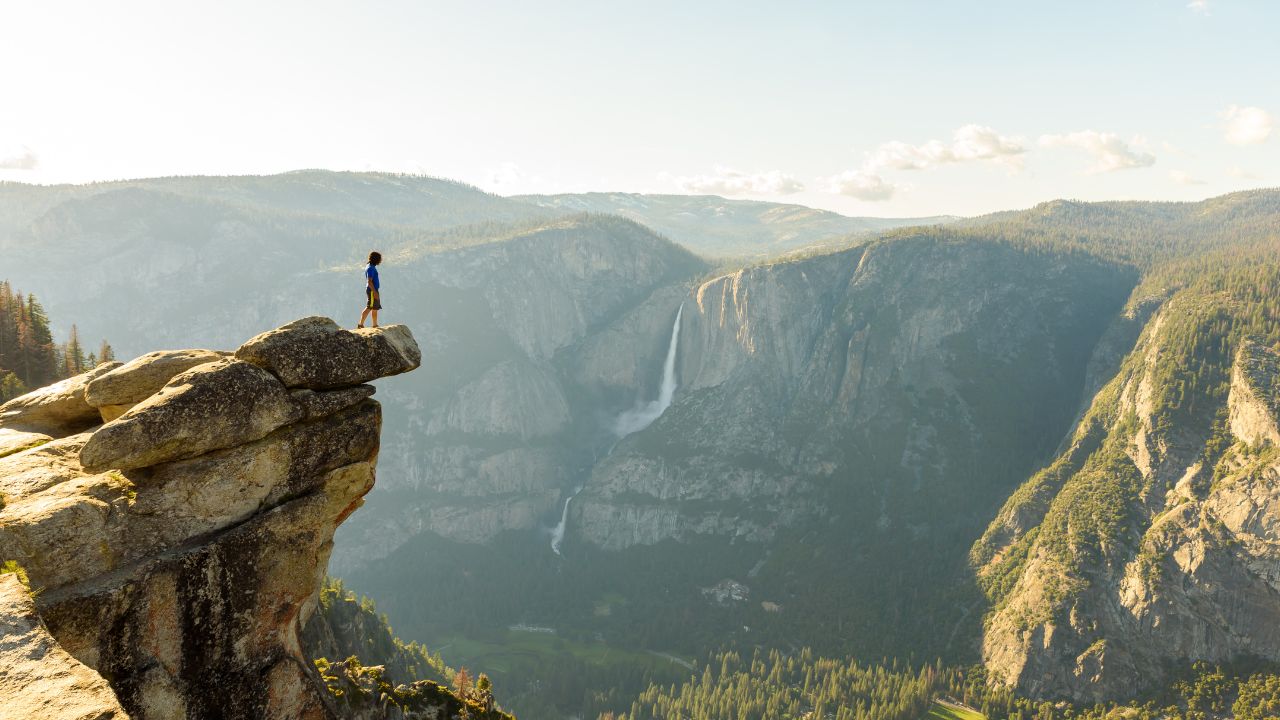
Yosemite feels monumental. Granite cliffs rise straight into the sky, waterfalls carve through stone, and ancient trees stand silently. The scale overwhelms in the best way. Nature dominates completely.
Life here feels small by comparison. Human presence becomes quiet and respectful. Time stretches as attention shifts outward. The park demands humility.
Yosemite proves paradise can be overwhelming. Awe becomes the defining emotion. You leave changed.
Aitutaki, Cook Islands
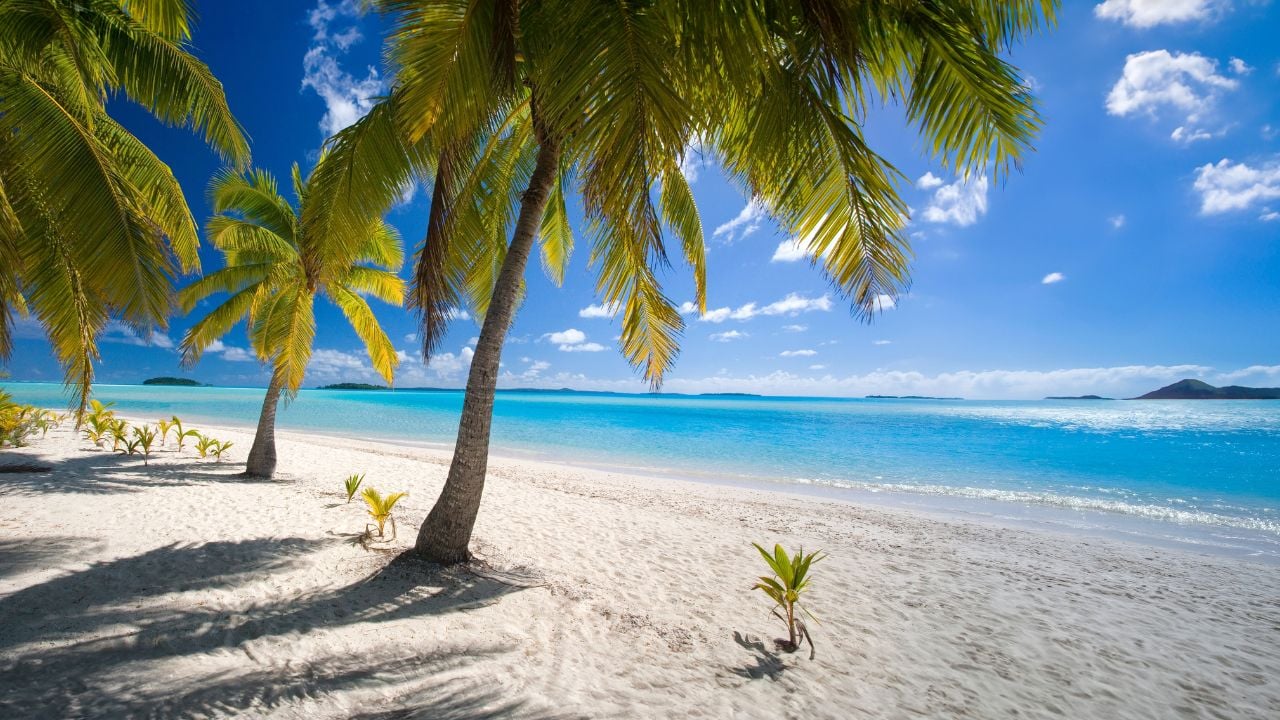
Aitutaki feels like a perfect ending. A massive turquoise lagoon surrounds a small island, dotted with tiny motus that feel untouched. The water glows softly. Everything feels gentle.
Life here is unhurried and deeply connected to the sea. Community matters more than commerce. Days blend into one another peacefully. Noise feels unnecessary.
Aitutaki is paradise through peace. It doesn’t demand memory, it leaves it naturally. It feels complete.