

Apparently, modern driving is an ever‑expanding theater for all sorts of theatrics, where cars are as much computers as they are machines. It is in that world that one Cybertruck driver has managed to turn the highway into a stage for the most audacious performance yet: playing Grand Theft Auto while Tesla’s Full Self‑Driving (FSD) system dutifully pretends he’s still paying attention.
Yes, you read that correctly. A video circulating online shows a Cybertruck pilot gripping a controller, eyes glued not to the asphalt ahead but to the virtual streets of Los Santos. The truck hums along in traffic, its sensors and cameras convinced the driver is alert, while in reality he’s orchestrating digital chaos on a console screen. It’s the kind of surreal juxtaposition that makes you wonder whether the future of driving is safer or simply stranger.
The Clever Trick
Tesla’s driver‑monitoring system is designed to ensure human oversight. Cameras track head position, steering wheel torque sensors detect engagement, and subtle nudges remind drivers to keep their eyes on the road. But clever drivers have long sought loopholes that leave your head throbbing with one big question: Why?

Some wedge water bottles or weights into the steering wheel to simulate hands. Others angle their heads just enough to fool the cabin camera while scrolling endlessly on their phones. And now, apparently, some balance a video game controller while the system happily assumes they’re attentive.
It’s a cat‑and‑mouse game between engineers who design safeguards and drivers who treat them as puzzles to be solved. The Cybertruck gamer is simply the latest contestant in this ongoing competition.
Why does it work, in the first place?
The trick lies in the subtlety. Tesla’s monitoring system doesn’t demand constant laser‑like focus; it looks for patterns that suggest attentiveness. A quick glance forward, a slight tug on the wheel, or even the posture of someone “looking engaged” can be enough.
That means a driver can, with a little practice, mimic attentiveness while their actual attention is elsewhere. Playing a video game is extreme, but the principle is the same as texting, watching Netflix, or even eating a burrito the size of a steering wheel. The system sees engagement; reality sees distraction.
A Long Tradition of Distracted Ingenuity
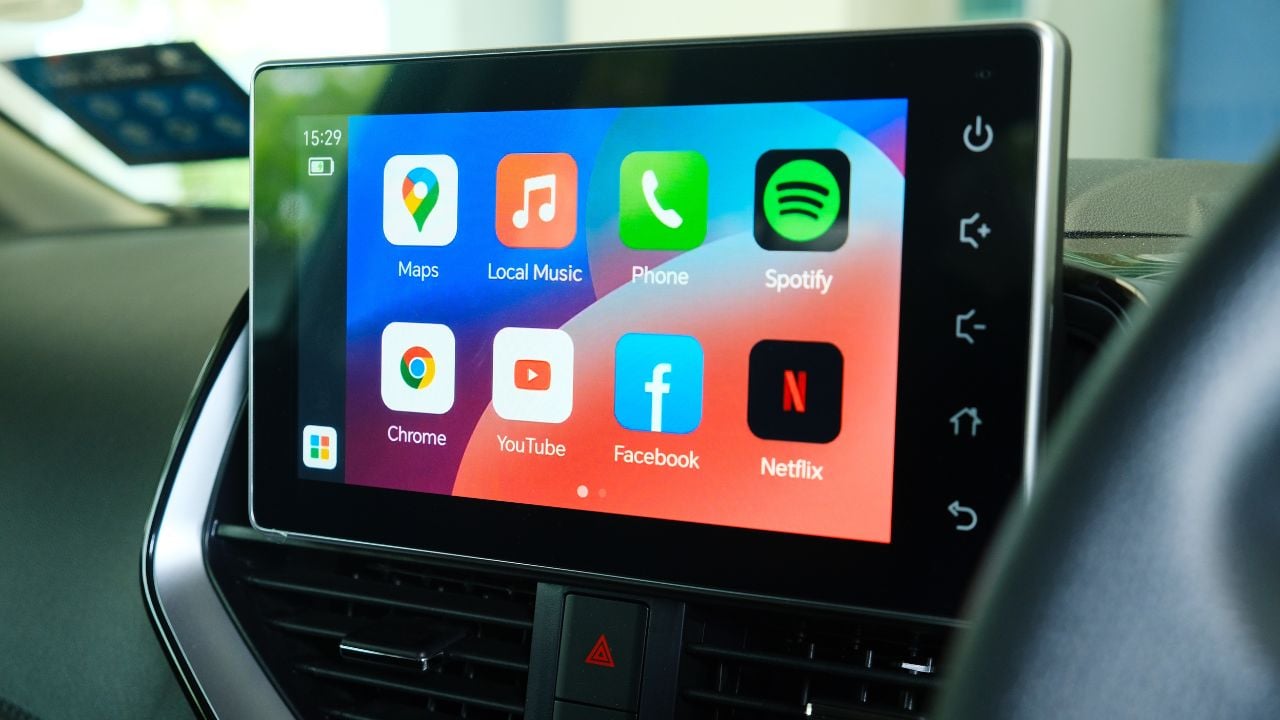
This isn’t the first time drivers have turned cars into laboratories of distraction. History is littered with examples. Early adopters of mobile internet perched computers on dashboards, typing away while traffic flowed around them. Portable DVD players were once the bane of highway patrol officers, glowing brightly in minivans while parents “supervised” from the driver’s seat. Some drivers have even taped oranges to steering wheels to trick torque sensors, a citrus‑flavored workaround that became infamous online.
And it’s not as if automakers aren’t contributing more than their fair share of introducing motorists to all sorts of onboard entertainment that demand their attention—increasingly complex infotainment systems, giant touchscreens, and smartphone integrations that demand more driver attention than ever. In fact, studies show entering navigation destinations, texting via built‑in systems, or scrolling through menus can keep eyes off the road for dangerously long stretches.
Modern cars now feature 12–15-inch touchscreens that replace traditional knobs and buttons. Tasks like adjusting climate control or changing radio stations require multiple taps, pulling eyes away from the road. Tesla’s Model 3 and Model Y famously rely almost entirely on a central touchscreen, even for basics like adjusting mirrors or wipers.
The studies that found entering a navigation destination or sending a text via the car’s system can distract drivers for over 40 seconds—that’s long enough to travel half a mile at highway speeds without looking at the road. Automakers market these features as “convenience,” but they often demand more attention than a smartphone.
They’re Complicit
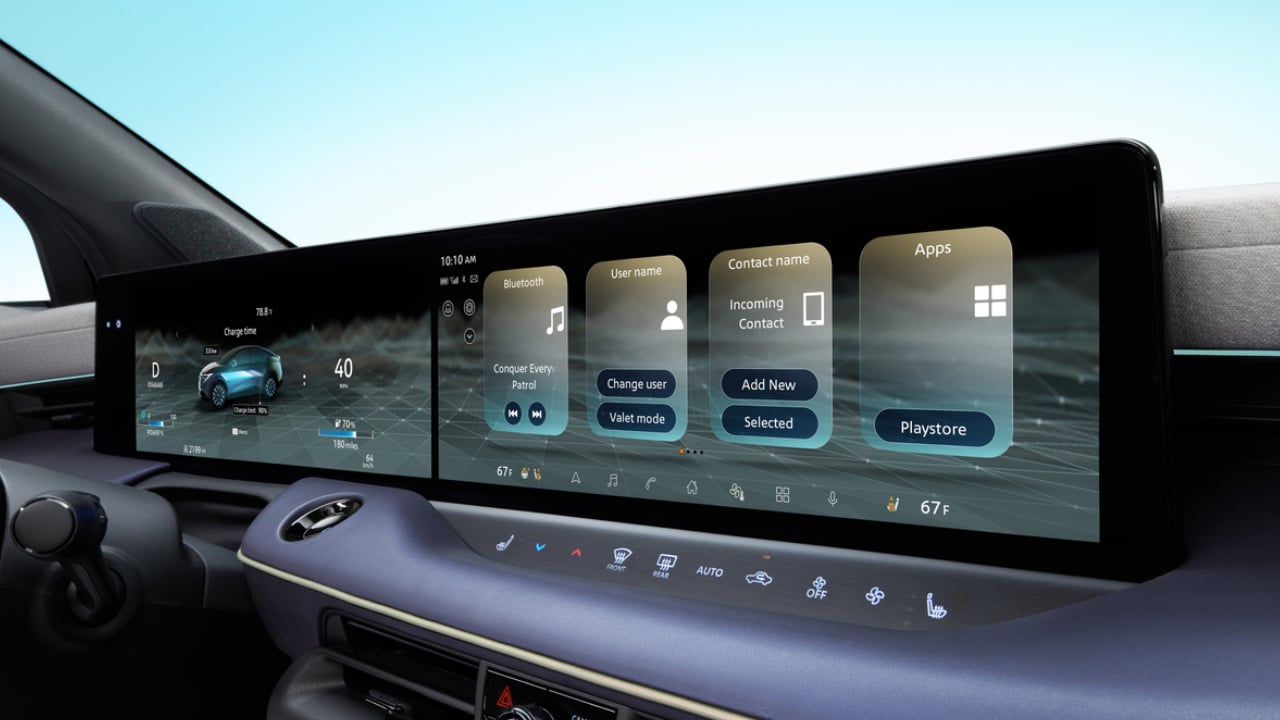
Apple CarPlay and Android Auto give drivers access to Spotify, WhatsApp, and even YouTube Music directly from the dashboard. While marketed as seamless, they encourage multitasking—scrolling playlists, replying to messages, or checking notifications mid‑drive.
Even though some high‑end vehicles (e.g., Mercedes EQS, BMW iX) offer passenger‑side screens and augmented reality overlays that are supposedly intended for passengers, glowing displays across the dash inevitably catch the driver’s eye.
And what about voice assistants like “Hey Mercedes” or “OK Google”? They reduce manual input but still require mental focus and menu navigation. Studies show cognitive distraction is just as dangerous as visual distraction, meaning even “hands‑free” features can impair reaction times.
In short, automakers aren’t innocent bystanders in this dangerous game. They’re actively designing cars that double as entertainment hubs. The Cybertruck gamer is simply the 2026 edition of this tradition, reminding social media users that human creativity often finds its most mischievous outlet in bending rules.
The Funhouse Mirror of Autonomy
There’s something almost poetic about playing Grand Theft Auto while riding in a real car that’s driving itself. It’s a funhouse mirror of modern mobility: a virtual world of reckless abandon reflected against a real world where technology is supposed to keep us safe.
A Cybertruck driver playing GTA while driving with FSD! pic.twitter.com/Kk7n1EafrU
— TESLA CARS ONLY⚡️ (@teslacarsonly) January 8, 2026
It also raises uncomfortable questions. If a driver can be this distracted and the system still believes they’re attentive, how robust are these safeguards? And if the public treats them as challenges to be gamed rather than responsibilities to be respected, what does that say about our readiness for autonomy?
Ultimately, the Cybertruck gamer symbolizes the paradox at the heart of modern driving: cars are becoming smarter, but drivers are becoming more inventive at being dumb.
The engineers build systems to keep us safe. The drivers build tricks to keep themselves entertained. And somewhere between the two, the road becomes a stage for a comedy of errors, one where the punchline might be funny today but dangerous tomorrow.
What should we believe the next time we see a Cybertruck gliding silently down the highway