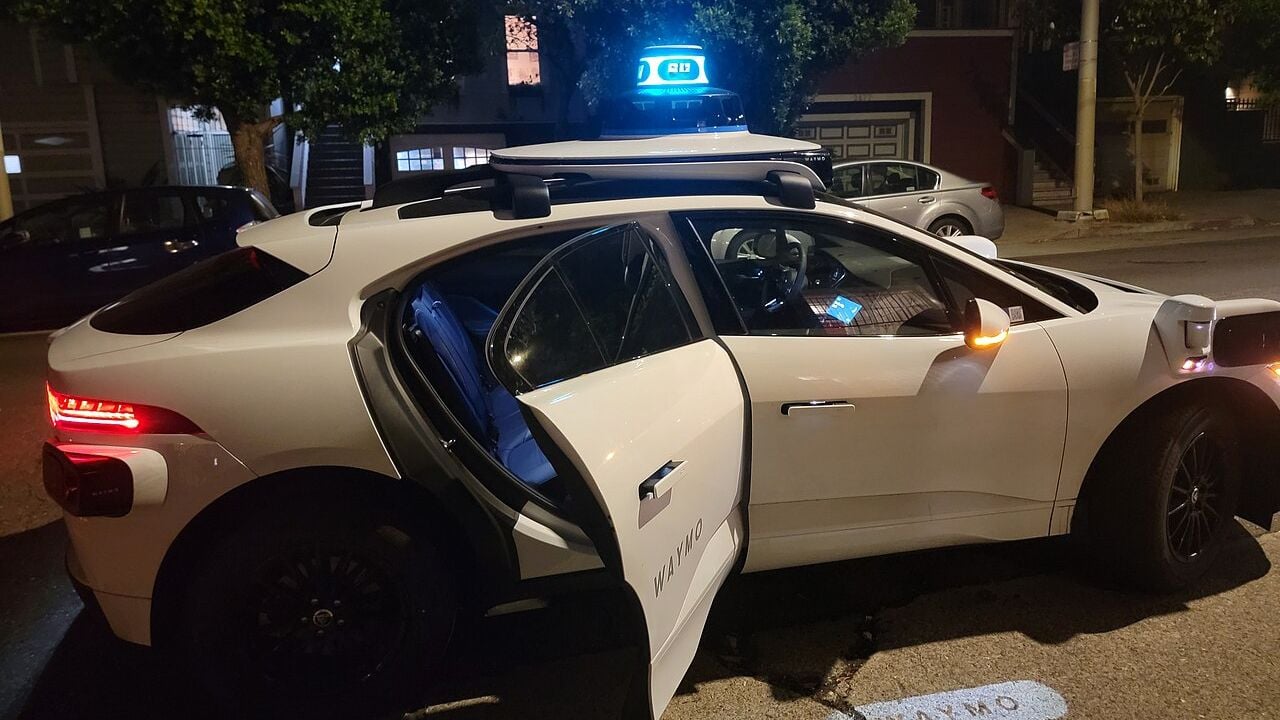

A fully autonomous Waymo robotaxi was caught on camera driving onto light rail tracks in south Phoenix this week, forcing its lone male passenger to exit the vehicle and sprint to safety before the vehicle continued along the rails toward an oncoming train.
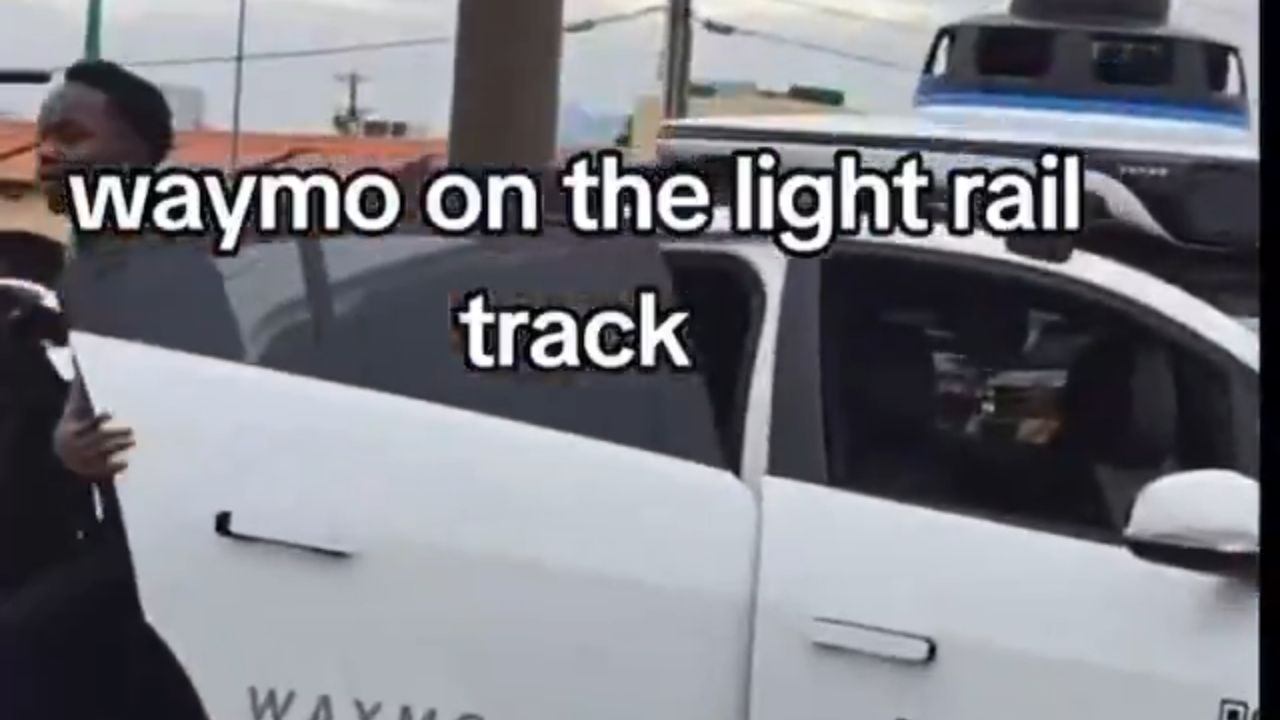
The bizarre episode unfolded shortly after 9 a.m. local time near the intersection of Central and Southern avenues on Wednesday, when the Waymo car, operating without a human driver, turned off the roadway and onto the city’s light rail tracks. Viral video of the incident, first shared on social platforms like TikTok, shows the robotaxi stopped squarely on the rails with its hazard lights flashing as a train approached from behind.
In the footage, the passenger, apparently alarmed by the situation, exits the robotaxi and crosses the adjacent street to safety moments before the train arrives. Once clear, the robotaxi appears to continue along the tracks, eventually traveling about 30 meters and then engaging reverse gear as another train nears. No injuries were reported.
Phoenix police were reportedly called to the scene, but by the time they arrived the Waymo had already cleared the tracks. Valley Metro light rail operations were briefly adjusted to minimize delay, with trains reversing direction and exchanging passengers to keep service moving. The disruption was reportedly resolved within about 15 minutes.
How Did This Happen?
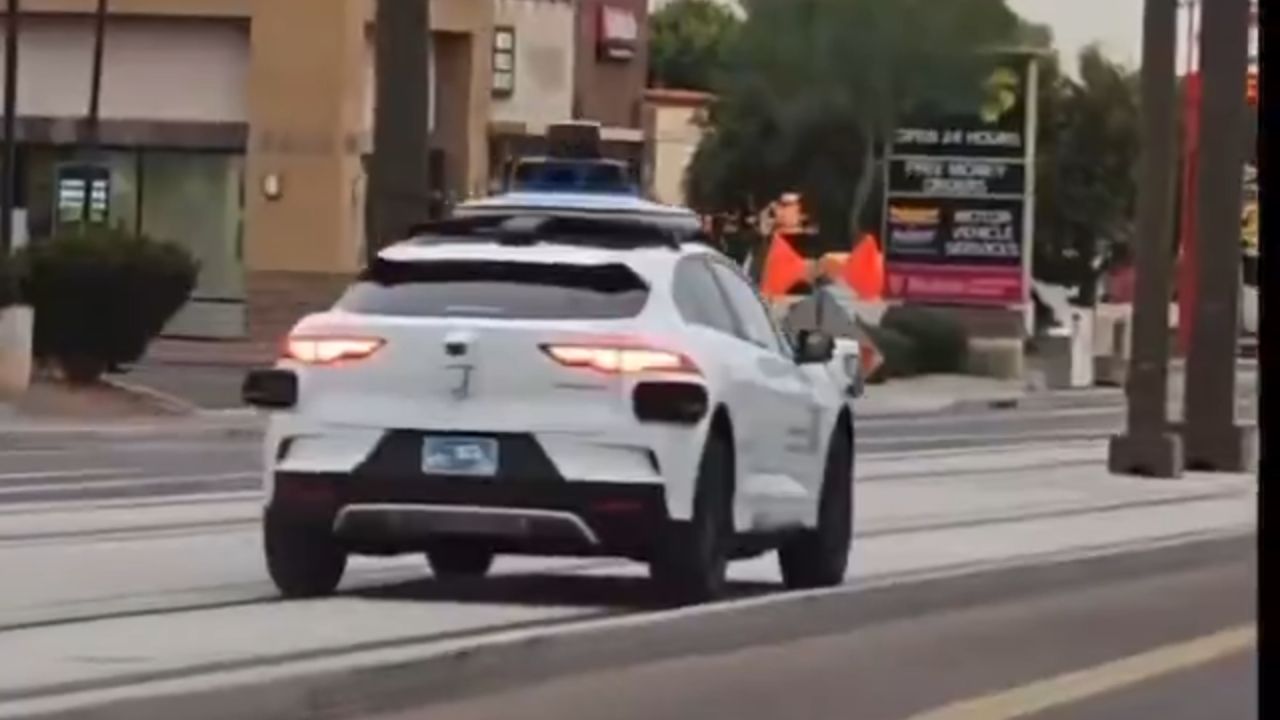
Local technology experts point to changing road conditions as a likely contributing factor. Andrew Maynard, an emerging technology professor at Arizona State University, noted that recent construction in the area had introduced new light rail infrastructure that may not yet be fully integrated into Waymo’s mapping and routing systems. He described the situation as an “edge case,” where autonomous systems encounter unexpected scenarios that can confuse their decision-making.
An earlier unrelated account from a Waymo passenger in Mesa described the robotaxi becoming stuck on tracks after taking a detour to avoid construction, suggesting that these systems sometimes struggle with dynamic road changes.
At this stage, Waymo has not released a standalone statement directly addressing the Phoenix rail track incident. Local authorities including Valley Metro have declined to comment beyond confirming they notified Waymo and managed rail operations to reduce impact, suggesting journalists and the public contact Waymo for more details.
This silence stands in contrast to past situations where Waymo has publicly explained software behavior after service interruptions or other operational issues—for example, when robotaxis responded to a blackout in San Francisco by stopping at intersections, or when Waymo detailed its actions during software recalls.
Safety Implications
Autonomous vehicles are engineered to navigate complex and chaotic real-world environments, but incidents like this highlight inherent challenges. While Waymo’s software is generally robust, it still faces difficulties interpreting rapidly changing visual contexts like construction zones, new rail infrastructure, or temporary detours.
Experts often describe such anomalies as “edge cases” in autonomous vehicle parlance—rare but high-impact situations that push systems beyond their training. Even when rare, these events force you to question how autonomous systems handle safety-critical decision points, such as whether to remain on or leave a path that is clearly marked but not suitable for cars.
🚨 Phoenix, AZ – DEVELOPING STORY
Waymo drove onto Metro Rail tracks and got stuck on the line, forcing the passenger to escape and run across the roadway.
— Herbert Ong (@herbertong) January 7, 2026
Comparisons to other autonomous or semi-autonomous systems surface regularly in these debates. For instance, some Tesla vehicles with driver-assistance features have been reported to behave unpredictably around trains or tracks, spotlighting the difference between Level 2 assist systems and true driverless operations.
Social media and user communities have been quick to criticize what many see as an unacceptable margin of error for vehicles operating without on-board drivers. Some argue this incident damages confidence in fully autonomous technology, while others view it as precisely the kind of unexpected scenario developers must anticipate and learn from as deployment scales.
For now, safety regulators and Waymo itself will likely review the event to understand what went wrong, how existing systems responded, and what fixes are needed to prevent similar misinterpretations of infrastructure from happening again.