
While Berlin basks in its well-deserved reputation as Europe’s cool capital, a new generation of Eastern European cities is quietly stealing the spotlight. These capitals are serving up cutting-edge culture, innovative dining scenes, and authentic experiences without the crowds or inflated prices that come with mainstream fame. Here’s why savvy travelers are bypassing Germany for these emerging hotspots.
Prague, Czech Republic

Prague has evolved far beyond its tourist-trap reputation into a genuine cultural powerhouse. The city’s thriving craft beer scene now rivals Portland’s, while districts like Karlín and Vinohrady buzz with gallery openings, underground music venues, and experimental restaurants. The recent opening of DOX Centre for Contemporary Art and the transformation of former industrial spaces into creative hubs prove Prague’s commitment to cutting-edge culture.
Budapest, Hungary

Hungary’s capital is experiencing a creative renaissance that puts it firmly on the cultural map. The former Jewish Quarter has transformed into a labyrinth of ruin bars, street art, and independent boutiques, while the Buda Hills hide Michelin-starred restaurants serving innovative Hungarian cuisine. The city’s thermal bath culture has also evolved, with rooftop pools and spa-nightclub hybrids creating unique nocturnal experiences.
Warsaw, Poland

Rebuilt from ashes, Warsaw now pulses with contemporary energy that surprises first-time visitors. The Powiśle district along the Vistula River has become a cultural corridor lined with beach bars, floating restaurants, and outdoor galleries. The city’s tech startup scene rivals any European capital, while venues like Soho Factory showcase Poland’s emerging artists and designers.
Tallinn, Estonia

This Baltic capital seamlessly blends medieval charm with digital innovation, Estonia invented Skype, after all. Telliskivi Creative City has transformed a former industrial complex into Northern Europe’s hippest cultural quarter, complete with weekend flea markets, contemporary art spaces, and Nordic cuisine that’s gaining international recognition. The city’s e-residency program attracts global digital nomads, creating a uniquely cosmopolitan atmosphere.
Ljubljana, Slovenia

Slovenia’s compact capital punches well above its weight culturally. The city center’s car-free policy has created a pedestrian paradise lined with outdoor cafes, while the alternative cultural center Metelkova hosts some of Europe’s most experimental music and art. The surrounding wine regions and nearby Alps make Ljubljana a perfect base for both urban exploration and outdoor adventures.
Riga, Latvia

Latvia’s capital is experiencing a cultural awakening fueled by its stunning Art Nouveau architecture and emerging creative scene. The Miera iela district has become a hotbed of independent galleries, vintage shops, and craft cocktail bars, while the Central Market’s massive Zeppelin hangars now house gourmet food stalls alongside traditional vendors. Riga’s relatively undiscovered status means you can still experience authentic local culture without fighting crowds.
Vilnius, Lithuania

The self-proclaimed Republic of Užupis perfectly encapsulates Vilnius’s quirky, independent spirit. This artist quarter within the capital has its own constitution and president, hosting avant-garde performances and installations year-round. The city’s baroque Old Town provides a stunning backdrop for a thriving contemporary art scene, while Lithuania’s craft distillery movement is producing world-class spirits.
Belgrade, Serbia

Serbia’s capital offers Balkan grit with international sophistication. The floating clubs along the Danube and Sava rivers create a unique party scene that lasts until dawn, while the Savamala district has transformed from industrial wasteland to cultural quarter filled with galleries, design studios, and experimental restaurants. Belgrade’s music scene, particularly electronic and alternative rock, rivals any European capital.
Bucharest, Romania

Romania’s capital is shedding its communist-era image for something far more dynamic. The Old Town’s restoration has created a buzzing nightlife district, while neighborhoods like Amzei and Herastrau showcase the city’s growing sophistication. Bucharest’s emerging culinary scene blends traditional Romanian flavors with international techniques, creating a dining experience that’s uniquely Eastern European.
Sofia, Bulgaria

Bulgaria’s capital surprises visitors with its vibrant street art scene, thriving cafe culture, and proximity to world-class skiing and hiking. The city center mixes Ottoman mosques, Orthodox churches, and Soviet monuments with contemporary galleries and rooftop bars. Sofia’s affordability allows for experiences that would cost triple in Western capitals.
Zagreb, Croatia

Croatia’s inland capital often gets overshadowed by the coastal destinations, but Zagreb’s cultural scene is thriving. The Upper Town’s medieval streets contrast beautifully with the Lower Town’s Austro-Hungarian architecture, while districts like Martićeva showcase the city’s growing reputation for design and innovation. The nearby wine regions and natural parks make Zagreb an ideal base for exploring continental Croatia.
Bratislava, Slovakia

Just an hour from Vienna, Bratislava offers similar imperial architecture with a fraction of the crowds and costs. The city’s compact Old Town sits alongside the Danube, while the UFO observation deck provides stunning sunset views. Bratislava’s proximity to Vienna and Budapest makes it perfect for multi-city explorations.
Skopje, North Macedonia

North Macedonia’s capital is unlike anywhere else in Europe, with its controversial but undeniably impressive neoclassical reconstruction creating a surreal urban landscape. The Ottoman Old Bazaar provides authentic Balkan atmosphere, while the city’s position between European and Oriental cultures creates a unique fusion of influences. Recent EU membership prospects have brought increased international attention.
Chisinau, Moldova

Europe’s least-visited capital is also one of its most authentic. Moldova’s wine culture rivals France’s, with underground cellars hosting tastings in cathedral-like limestone caves. The city’s Soviet-era architecture is being reclaimed by artists and entrepreneurs, creating an underground cultural scene that feels genuinely alternative.
Podgorica, Montenegro
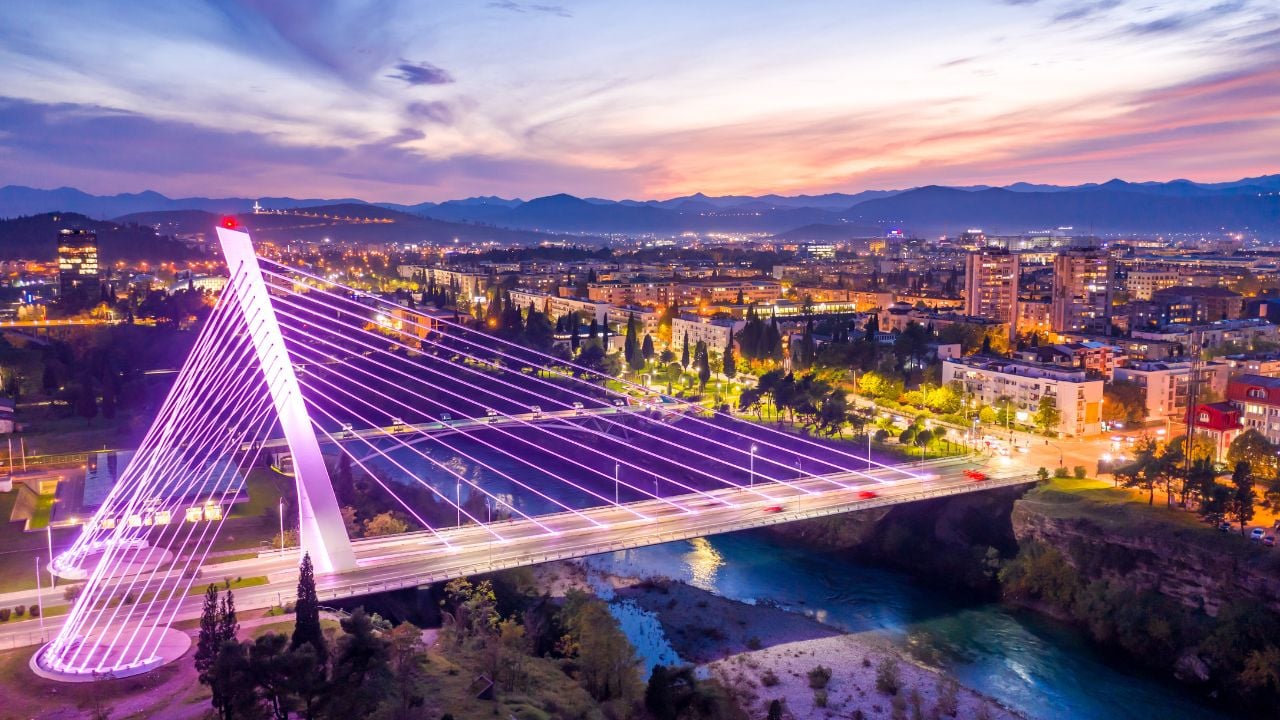
Montenegro’s capital serves as a gateway to some of Europe’s most dramatic landscapes, from Adriatic coastlines to alpine peaks. The city itself is modernizing rapidly, with new hotels, restaurants, and cultural venues opening regularly. Podgorica’s position between East and West creates a fascinating cultural mix.
Pristina, Kosovo
Europe’s youngest capital pulses with youthful energy and optimism. Despite, or perhaps because of, its recent independence, Pristina has developed a vibrant cafe culture and emerging arts scene. The city’s resilient spirit and determination to establish its identity make it one of Europe’s most compelling urban experiences.
Sarajevo, Bosnia and Herzegovina

The “Jerusalem of Europe” offers layers of history alongside contemporary culture. The Ottoman old town seamlessly transitions into Austro-Hungarian districts, while the city’s legendary music scene continues to produce internationally recognized artists. Sarajevo’s complex history creates a depth of experience unmatched elsewhere in Europe.
Tirana, Albania

Albania’s capital has transformed dramatically in recent years, with colorful building facades, trendy restaurants, and a growing expat community. The nearby Albanian Riviera and dramatic mountain landscapes make Tirana an excellent base for exploring the Balkans’ last frontier destination.
Why These Capitals Are Overtaking Berlin
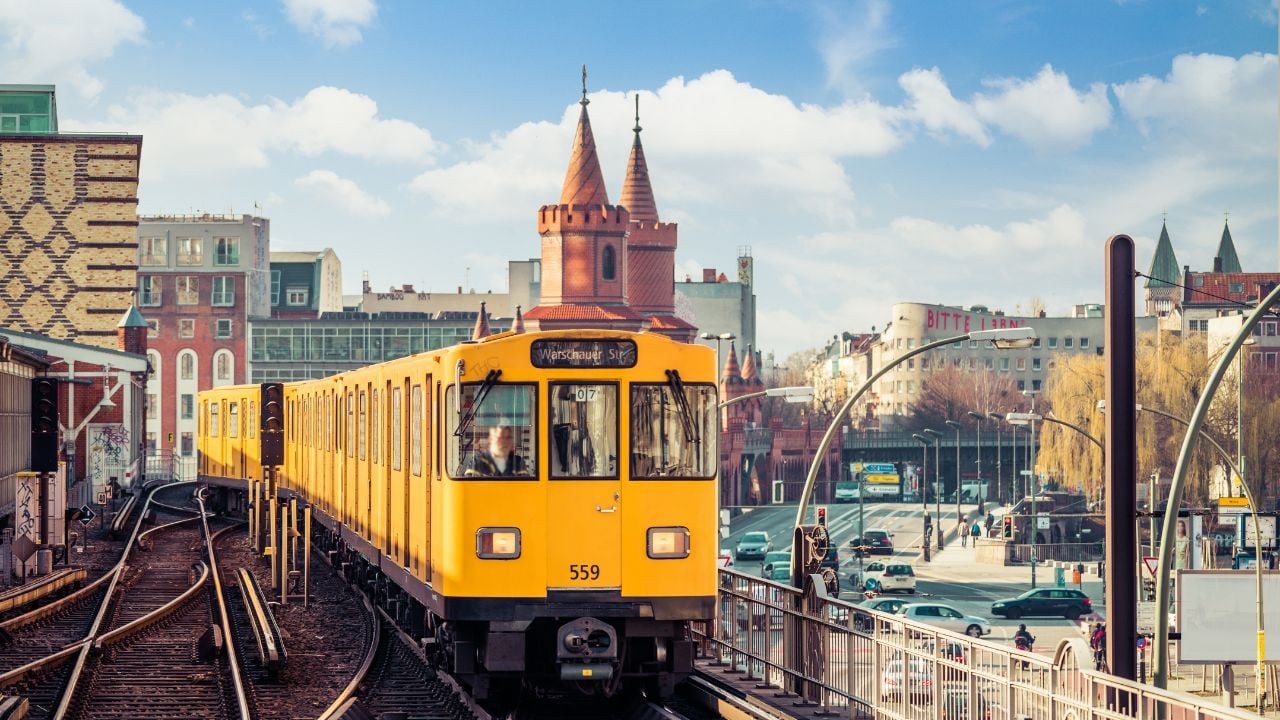
These Eastern European capitals offer something Berlin increasingly lacks: authenticity without pretense. While Berlin’s cool factor has become somewhat commercialized, these cities are experiencing genuine cultural awakenings driven by local creativity rather than tourism marketing.
The affordability factor cannot be ignored, a weekend in Prague or Budapest costs less than a single night in many Berlin hotels. This economic advantage allows travelers to experience culture, dining, and nightlife that would be prohibitively expensive elsewhere.
Most importantly, these capitals offer the chance to witness history in the making. As these countries continue developing their post-communist identities, visitors can experience the excitement of cities defining themselves in real-time, something Berlin accomplished decades ago.
The window for experiencing these capitals before they become mainstream is closing rapidly. Smart travelers are already discovering what may be Europe’s next generation of essential cultural destinations.