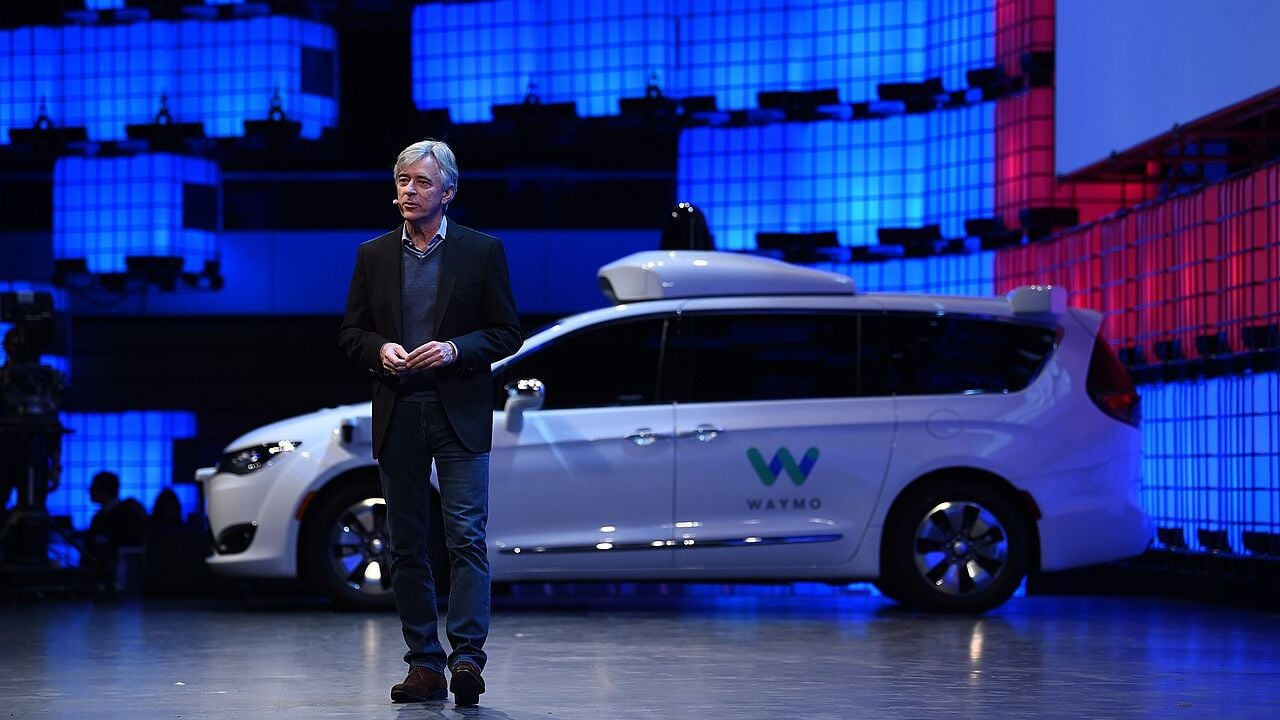

The robotaxi revolution will be big, noisy, and AI-driven, but it is not coming for your driveway this decade. That was the unexpectedly grounded message from one of the industry’s most seasoned voices at the Consumer Electronics Show, where the glitz of autonomous cars and machine intelligence clashed with real world road rules and reality checks.
The venue was the sprawling tech carnival that is CES 2026, where gadgets from gossip bots to robot dogs elbowed their way past autonomous vehicle displays on the packed exhibition floor. The buzz this week has tilted away from electric cars and toward self-driving systems and artificial intelligence, signaling a shift in how major players are thinking about mobility.
A Veteran’s Dose of Reality from the CES Stage
At the heart of the debate stood John Krafcik, the veteran automotive executive who once ran Waymo, brought driverless cars into the public consciousness, and now sits on the board at Rivian. Standing before an audience in Las Vegas on January 6, the day he was honored with the Automotive Hall of Fame’s 2026 Mobility Innovator Award, Krafcik offered a dose of commercial caution amid the industry’s high-octane talk of robotaxi ubiquity.
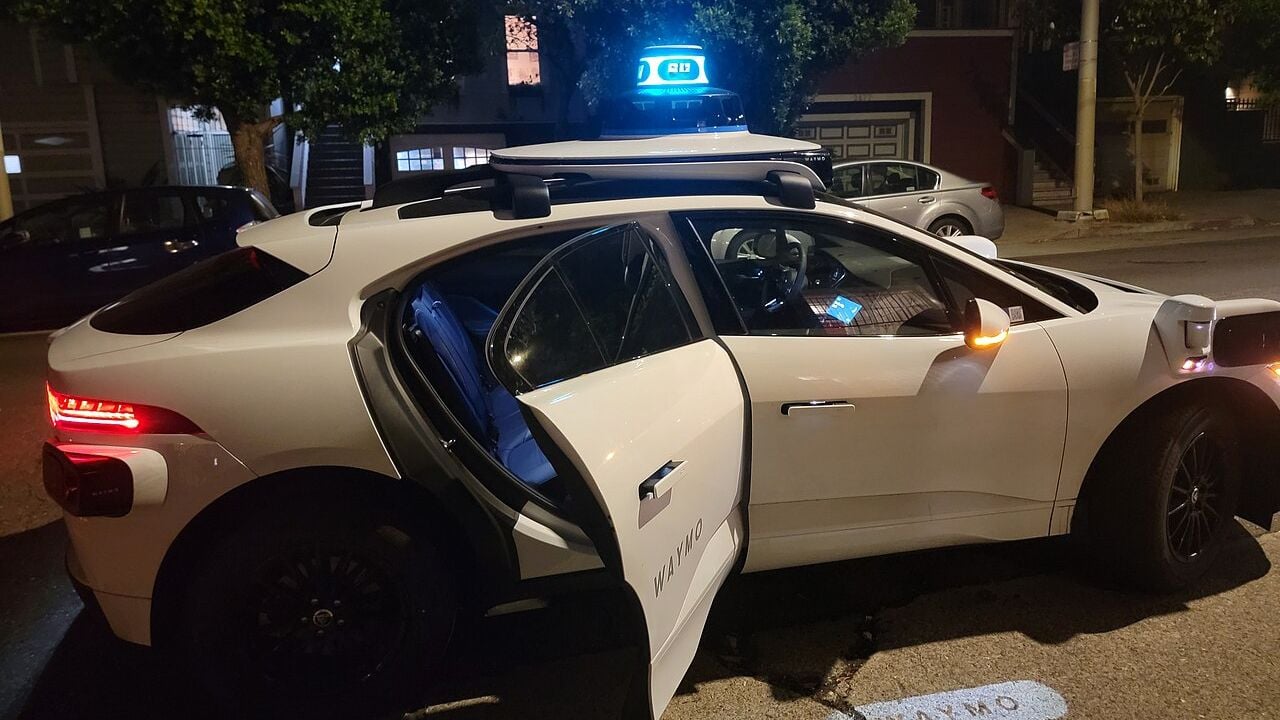
Krafcik didn’t mince words. He told Automotive News and those gathered on stage that the notion of personal robotaxis pulling into suburban driveways anytime soon was simply unlikely. “The idea that we’ll have personal robotaxis in our driveway in two years is silly,” he said, punctuating a view that echoes growing industry skepticism about overly optimistic timelines.
But the headline is only the opening act.
Krafcik pointed to a more nuanced evolution where the super smart safety systems we all take for granted are quietly working their way into regular cars long before true autonomous fleets are dominating city streets. Advanced driver-assistance systems (ADAS) are already reshaping how we drive, with hands-free and “eyes on the road” features improving safety and convenience every year. Under his forecast, up to half of personal vehicles could boast these technologies by the end of the decade.
A Decade of Unkept Promises
This rings especially true against the backdrop of CES, where once-hot electric vehicle debuts have taken a back seat to AI-powered autonomy and futuristic sensor tech. Automakers including Mercedes-Benz have turned to AI-assisted driving features, and ridesharing giants like Uber are showcasing robotaxi designs built with partners such as Lucid and Nuro that speak to ambitions of commercial scale rather than personal ownership.
Krafcik’s remarks also touched on a broader theme roiling the sector: accountability for hype. He took aim (albeit diplomatically) at companies and leaders who have spent years promising fully autonomous vehicles that customers still do not have. He noted that a decade of bold proclamations about self-driving cars has often outpaced actual deliveries, and that a reckoning is overdue.

That critique likely resonates with many automotive insiders who have watched promises of “cars that drive themselves everywhere” migrate past repeated delays, shifting timelines and regulatory pushbacks. Meanwhile, the CES halls filled with shiny prototypes and AI demos served as a futuristic backdrop that contrasted with Krafcik’s more grounded vision.
If full autonomous rides are a public spectacle, then robotaxi services already are emerging — in pieces and patches. Companies such as Waymo are scaling their fleets and expanding city deployments, while Tesla has introduced limited robotaxi operations in places like Austin and San Francisco. Yet the industry consensus is that true Level 4 and Level 5 autonomy (where cars need no human oversight) remains a stretch in the near term.
Your Car for Errands, a Robotaxi for the Trip
Krafcik’s outlook does not dismiss robotaxis altogether. It just rejiggers expectations and places the focus where he believes real progress is happening: safety and augmentation, not immediate replacement. In his view, robotaxis will complement the way we use personal cars, not render them obsolete. A family might still own a vehicle for daily errands while tapping a robotaxi for city rides or airport runs.
CES 2026 may end with autonomous vehicles grabbing headlines, but the road ahead looks more like a gradual evolution than a dramatic switch. Even as companies pour billions into AI stacks and sensor arrays, the everyday driver is more likely to benefit first from smarter assistance than a chauffeur-free robotaxi pulling up at the end of the driveway.
Sources: EV