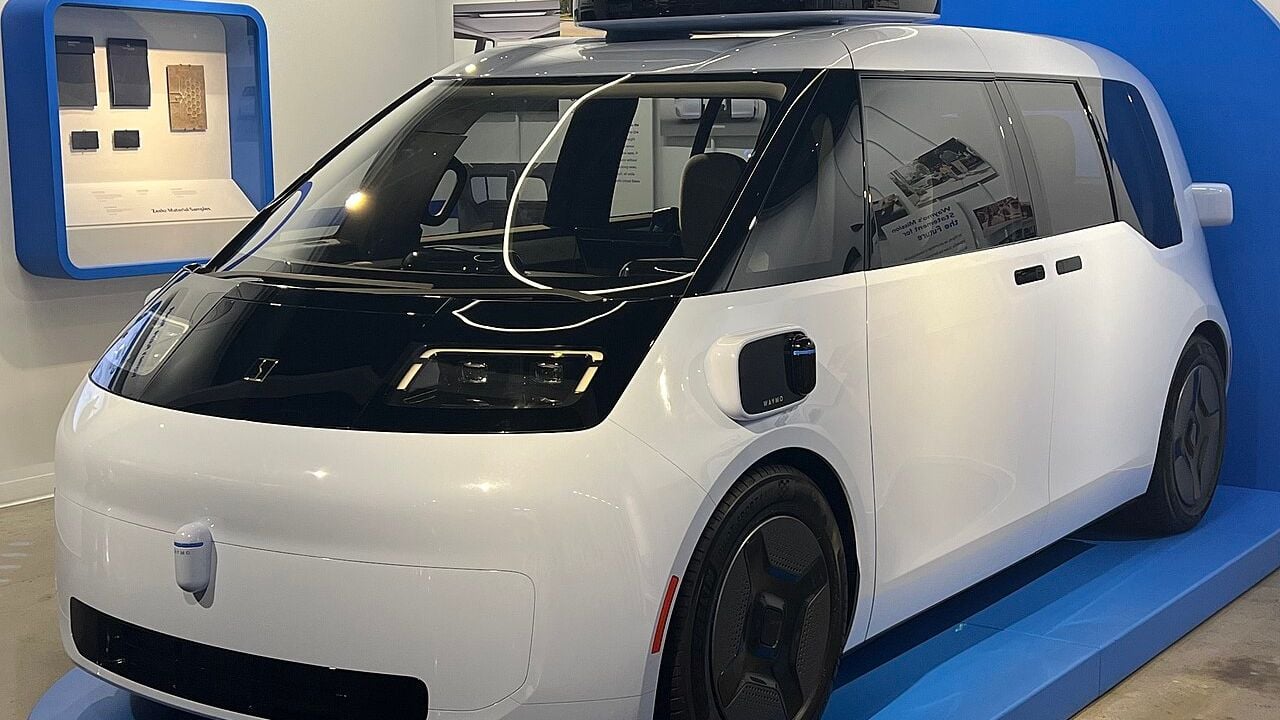

When you read about driverless cars, the talk usually spins around tech specs or futuristic test demos. But today’s story hits closer to the road you actually sit in: what it feels like when these autonomous vehicles arrive where you live and maybe even take your next ride. Waymo, the self-driving arm of Google’s parent company, just announced a branding overhaul for the first robotaxi it plans to roll out at scale.
For nearly three years Waymo has been road-testing a purpose-built electric van designed to run as a driverless taxi. That vehicle, built by Chinese automaker Zeekr and known internally as the Zeekr RT, was always destined to join Waymo’s commercial fleet. But now, shortly before that public launch, Waymo is stripping away the Zeekr name and christening the vehicle “Ojai” — pronounced like “oh-hi.”
Building Trust with Two Syllables
The logic feels straightforward. Surveys inside the company showed that most Americans have never heard of Zeekr. That unfamiliarity can spill over to rider confidence, and confidence matters when you’re asking people to step into a vehicle with no driver behind the wheel.
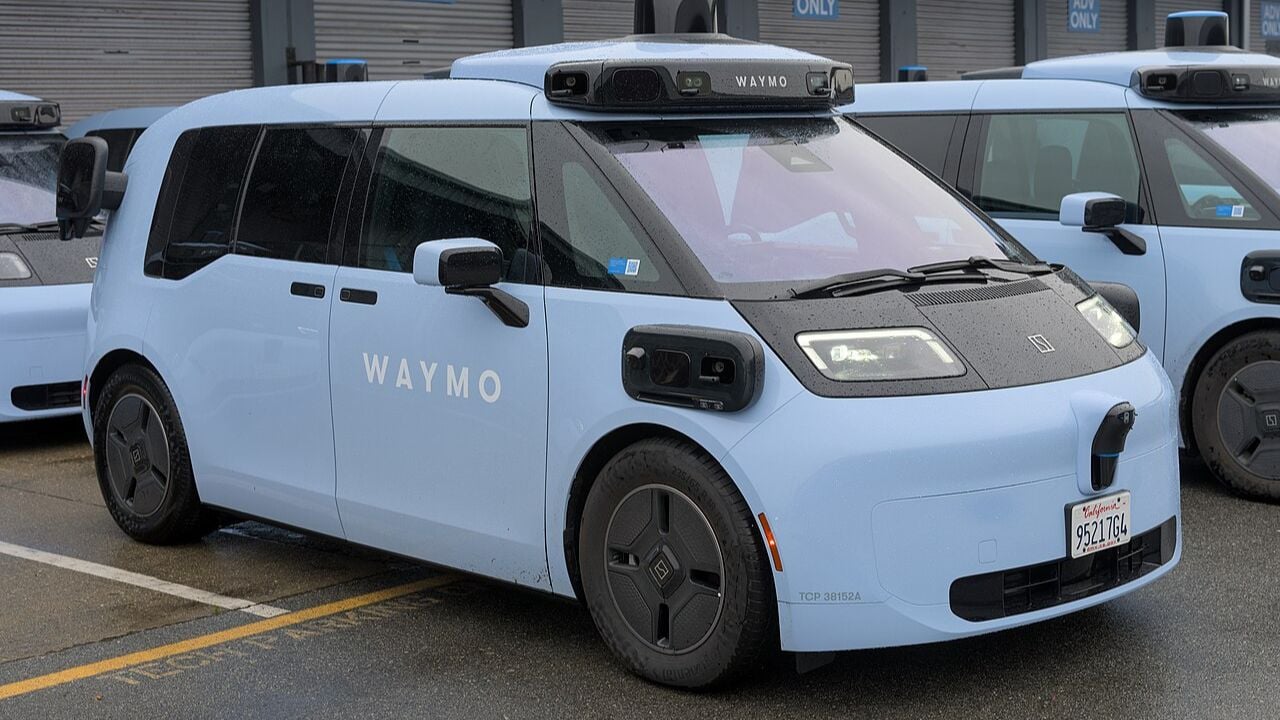
So Waymo picked a name with friendly vibes, one that also works as a bit of a pun in the rider experience. The system greeting inside the Ojai might literally say “Oh hi, [Passenger Name]” when you step inside.
That kind of branding move seems small, but in marketing it can be huge. Think of the difference between hailing a “Zeekr RT” and hailing an “Ojai.” When you’re used to Uber, Bolt, or even traditional taxis, a name that’s easy to say and remember can build trust, especially for people who are still uneasy about giving up the steering wheel. Far from just tech nerds tweaking fonts, this is about real riders feeling good about hopping into an autonomous ride.
The rebrand comes right as Waymo prepares to expand the size and reach of its fleet. The Ojai is designed around Waymo’s sixth-generation autonomous driving system, which is a package of external sensors, cameras, radars, and lidars that help the van “see” the world around it. It’s built in China by Zeekr then shipped to the U.S. where Waymo adds its self-driving hardware and software.
From Phoenix to London
In this new platform, the sensor suite includes heaters, wipers, and sprayers to keep cameras and lidar units clear in rain or snow. That’s an important difference for anyone in climates where weather can really mess with traditional driverless sensors. It’s a shift from earlier generations that were better suited to places like Phoenix and Los Angeles.
If you’ve seen Waymo service in cities like San Francisco, Los Angeles, Phoenix, or Austin, then you’ve most likely met Waymo’s robotaxi models like the electric Jaguar I-Pace. The Ojai is set to join those vehicles and expand service into colder or more challenging environments that require more robust hardware.
Waymo is branding the Zeekr RT as “Ojai” at CES
byu/psilty inwaymo
Waymo’s build-out plan is bold. The company already operates in multiple U.S. cities and plans to expand into about 20 or more cities this year. That includes core markets like Denver or Las Vegas and even longer shots like London on the horizon. The Ojai will be a big part of scaling those services, partly because it’s purpose-built rather than adapted from a consumer car.
For everyone else, the rebranding matters because it shows how close this future is to now. You won’t be waiting for some abstract robotaxi revolution. You might see, hail, or even ride in an Ojai before the year ends. And when that happens, it won’t look or sound like prototype tech. It will look like a polished service with a name designed to feel familiar and friendly, not foreign and confusing.