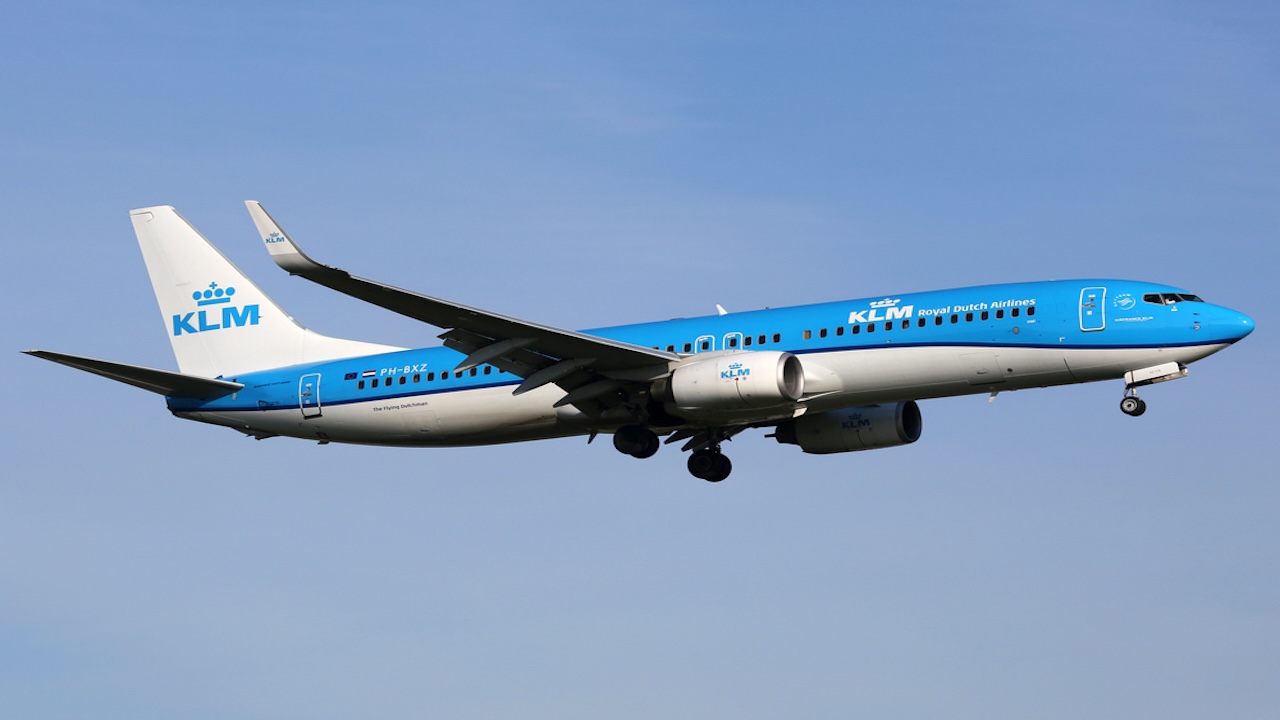
A KLM Royal Dutch Airlines flight turned into an endurance test of passenger patience when the aircraft spent approximately two hours taxiing around Amsterdam’s Schiphol Airport, circled the facility twice, and ultimately abandoned the journey without ever leaving the ground, leaving frustrated travelers right back where they started.
The bizarre incident, which has sparked widespread discussion on social media and among aviation enthusiasts, highlights the operational challenges airlines face at congested airports and raises questions about when carriers should simply cancel flights rather than subjecting passengers to hours of futile ground operations.
Passengers aboard the ill-fated KLM flight expected a routine departure from Amsterdam Schiphol Airport, one of Europe’s busiest aviation hubs. Instead, they found themselves trapped in what travelers are calling a “taxi to nowhere,” an exhausting ordeal that consumed hours without actually going anywhere or accomplishing anything productive.
The Frustrating Timeline
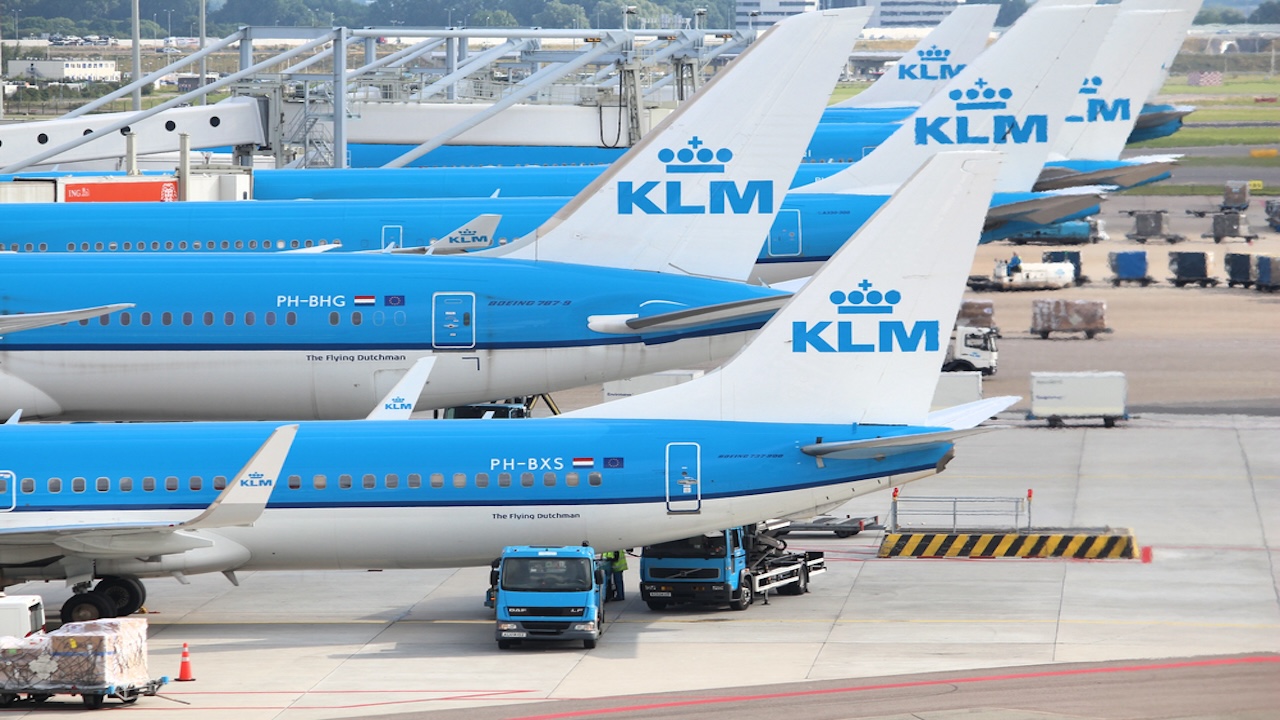
According to passenger accounts and flight tracking data, the KLM aircraft pushed back from its gate and began taxiing toward the runway for what should have been a straightforward departure. However, congestion, weather conditions, air traffic control constraints, or some combination of factors prevented the flight from taking off as scheduled.
Rather than returning to the gate immediately when delays became apparent, the aircraft continued taxiing around the airport’s vast network of taxiways for an extended period. Passengers reported sitting on the tarmac as the plane moved intermittently, stopped for long periods, and continued its seemingly aimless journey around the airport grounds.
The situation reached absurd levels when the aircraft reportedly circled the entire airport twice, essentially driving around the perimeter while passengers watched through windows as they passed the same landmarks repeatedly. For travelers familiar with Schiphol’s layout, the experience of circling the airport from ground level while going nowhere must have felt particularly surreal.
After approximately two hours of this ground-based odyssey, the crew apparently concluded that departure wasn’t feasible and the flight should be cancelled. The aircraft returned to the gate, where passengers disembarked having traveled precisely nowhere despite spending hours aboard the plane.
Passenger Frustration Boils Over
Unsurprisingly, passengers aboard the flight expressed significant frustration with the experience. Two hours confined to airplane seats, even comfortable ones, tests anyone’s patience, but doing so while accomplishing nothing except burning fuel and circling an airport amplifies the irritation considerably.
Social media posts from affected passengers described the experience as “absurd,” “infuriating,” and “unbelievable.” Some questioned why the crew continued taxiing for so long rather than making an earlier decision to cancel the flight and return to the gate.
The incident also raised practical concerns for travelers. Two hours of taxiing means two hours closer to missing connections, two hours of depleted phone batteries with no charging options, two hours of consuming limited aircraft provisions, and two hours of building anxiety about whether the journey would ever actually begin.
For business travelers with time-sensitive obligations or families with young children, the extended ground delay without progress toward the destination represented particularly challenging circumstances. Unlike in-flight delays where at least you’re making progress, ground delays feel especially futile.
Why Do Airlines Keep Taxiing?
The incident raises legitimate questions about airline decision-making during operational disruptions. Why would KLM keep an aircraft taxiing for two hours rather than returning to the gate earlier when delays became obvious?
Several factors influence these decisions. Airlines face pressure from air traffic control to maintain their position in departure queues, returning to the gate means losing your place and potentially facing even longer delays when attempting departure again. Crew duty time limitations also play a role, as returning to the gate and depleting crew hours might make it impossible to operate the flight that day at all.
Weather conditions can create situations where delays appear temporary, encouraging crews to wait for improved conditions rather than cancelling immediately. If forecasts suggest clearance within reasonable timeframes, maintaining taxi positions might seem logical even if ultimately that clearance never materializes.
However, passenger welfare regulations exist specifically to prevent excessive ground delays. In Europe, regulations require airlines to provide passengers opportunities to deplane after extended tarmac delays, though exact thresholds and enforcement vary. Two hours of taxiing without meaningful progress toward departure arguably crosses reasonable limits.
Schiphol’s Operational Challenges
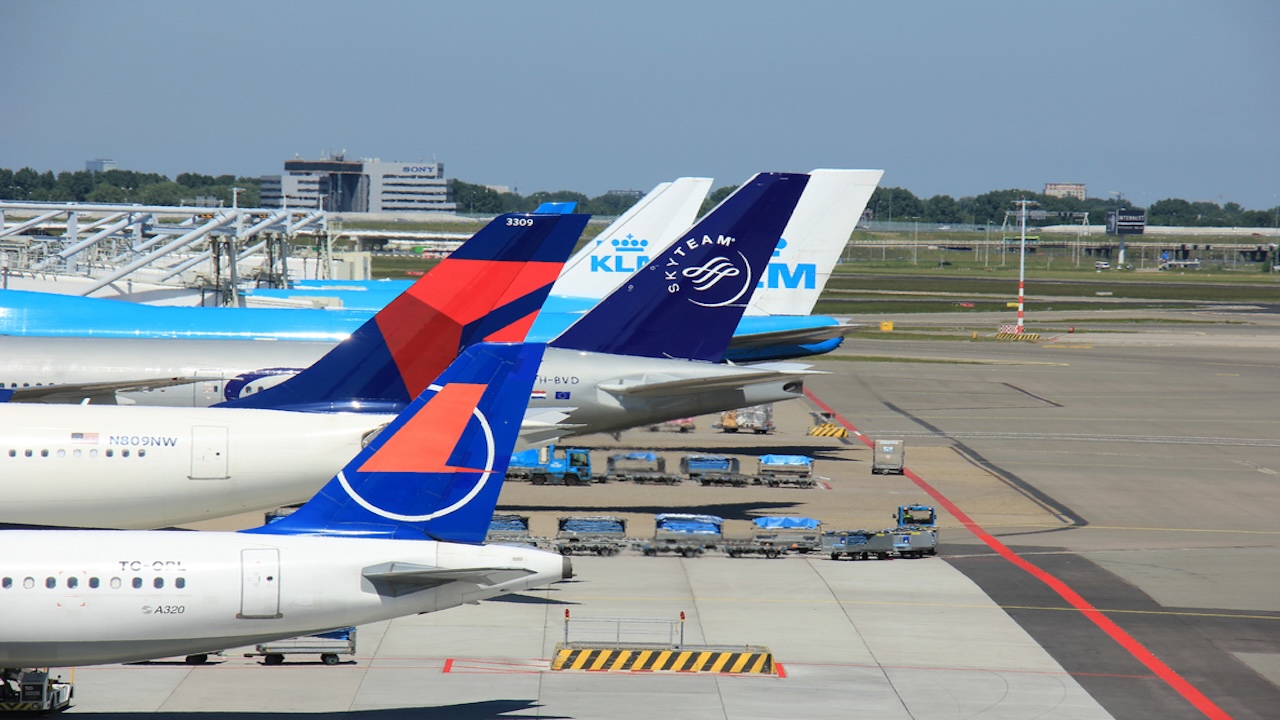
Amsterdam Schiphol Airport’s role in this incident shouldn’t be overlooked. The airport faces significant operational challenges including capacity constraints, noise restrictions, and ongoing construction that limit available runways and taxiways.
Schiphol has implemented departure slot systems and flight reductions to manage congestion, but busy periods still create bottlenecks where multiple aircraft compete for limited runway access. These constraints can create cascading delays as flights stack up waiting for departure opportunities.
The airport’s location and surrounding communities also impose noise restrictions that limit certain operations during specific hours, potentially contributing to departure delays when flights miss their assigned time windows.
For KLM, Schiphol serves as its primary hub, meaning the airline operates extensive operations at a congested facility where delays and operational challenges regularly occur. The carrier’s familiarity with Schiphol conditions makes the two-hour taxi incident particularly puzzling, presumably KLM crews understand when conditions make departure improbable.
The Environmental and Financial Costs
Beyond passenger frustration, incidents like this carry environmental and financial implications. Two hours of aircraft engines running while taxiing burns substantial fuel while producing emissions without transporting anyone anywhere, a wasteful outcome both economically and environmentally.
Airlines face pressure to reduce carbon footprints and improve environmental performance. Situations where aircraft consume fuel for hours without accomplishing transportation objectives work directly against these sustainability goals.
Financially, the cancelled flight costs KLM in wasted fuel, crew time, and the expenses of rebooking or accommodating affected passengers. The negative publicity and passenger dissatisfaction potentially damage the carrier’s reputation and future booking prospects.
What Should Have Happened
Aviation experts and passenger advocates argue that after approximately 30-45 minutes of unproductive taxiing, airlines should reassess situations and consider returning to gates if departure prospects remain unclear. This approach respects passenger welfare while allowing airlines to regroup and communicate more effectively about revised plans.
Clear communication throughout delays is essential. If KLM crews kept passengers informed about why they continued taxiing and what conditions they were waiting for, travelers might have responded more patiently. However, if communication was minimal, as passengers often report during these situations, frustration understandably intensifies.
Airlines should also establish internal protocols for maximum ground delay tolerances before mandating returns to gates. These protocols should prioritize passenger welfare alongside operational considerations, recognizing that extended unproductive delays damage customer relationships more than cancellations handled professionally with clear communication.
The Aftermath
KLM has not issued detailed public statements about the specific incident, though the airline likely communicated directly with affected passengers about rebooking and potential compensation. The carrier’s reputation for operational reliability makes this incident noteworthy, KLM generally performs well on punctuality and customer service metrics, making the two-hour taxi odyssey unusual for the airline.
For passengers, the experience serves as a reminder that air travel remains unpredictable despite technological advances and sophisticated operations. Even short flights can transform into all-day ordeals when operational challenges emerge.
The incident also highlights the importance of travel flexibility, comprehensive travel insurance, and maintaining patience during disruptions, though two hours of circling an airport without flying tests even the most patient traveler’s limits.
What Travelers Can Learn
If you find yourself in a similar situation, stuck on an aircraft during extended ground delays, know your rights. European regulations provide specific protections, while U.S. rules establish maximum tarmac delay times before airlines must offer deplaning opportunities.
Don’t hesitate to politely but firmly ask flight attendants for updates, explanations, and information about your rights. Airlines sometimes hope passengers won’t advocate for themselves, but squeaky wheels often receive attention and accommodations that passive passengers miss.
Consider travel insurance that covers delay-related expenses including accommodations, meals, and rebooking costs. While basic coverage is inexpensive, comprehensive policies provide peace of mind when situations like KLM’s taxi odyssey derail travel plans.
Finally, maintain perspective even during frustrating situations. While two hours of taxiing to nowhere is certainly irritating, everyone eventually reached safety on the ground, an outcome that should never be taken for granted in aviation contexts.
As for KLM and Amsterdam Schiphol, hopefully this incident prompts operational reviews ensuring future passengers don’t experience similar taxi rides to nowhere. Sometimes the journey is supposed to be part of the adventure, but circling an airport for two hours before giving up isn’t the kind of adventure anyone books when purchasing airline tickets.