
An Alaska Airlines captain is taking Boeing to court over the terrifying January 2024 door plug blowout incident, alleging the aviation giant’s negligence left her with physical injuries and psychological trauma that continue affecting her ability to fly.
The lawsuit, filed in federal court, represents one of the first legal actions by crew members involved in the near-catastrophic incident aboard Alaska Airlines Flight 1282, which made an emergency landing after a door plug violently separated from the Boeing 737 MAX 9 fuselage at 16,000 feet. The case could open the door for additional claims from passengers and crew who experienced the harrowing event.
Captain Emily Wiprud, who was not at the controls during the incident but was in the cockpit as part of the flight crew, alleges that Boeing’s manufacturing defects and quality control failures directly caused her injuries when the door plug explosively departed the aircraft on January 5, 2024, creating a gaping hole in the fuselage and causing rapid decompression.
The Incident That Shook Aviation
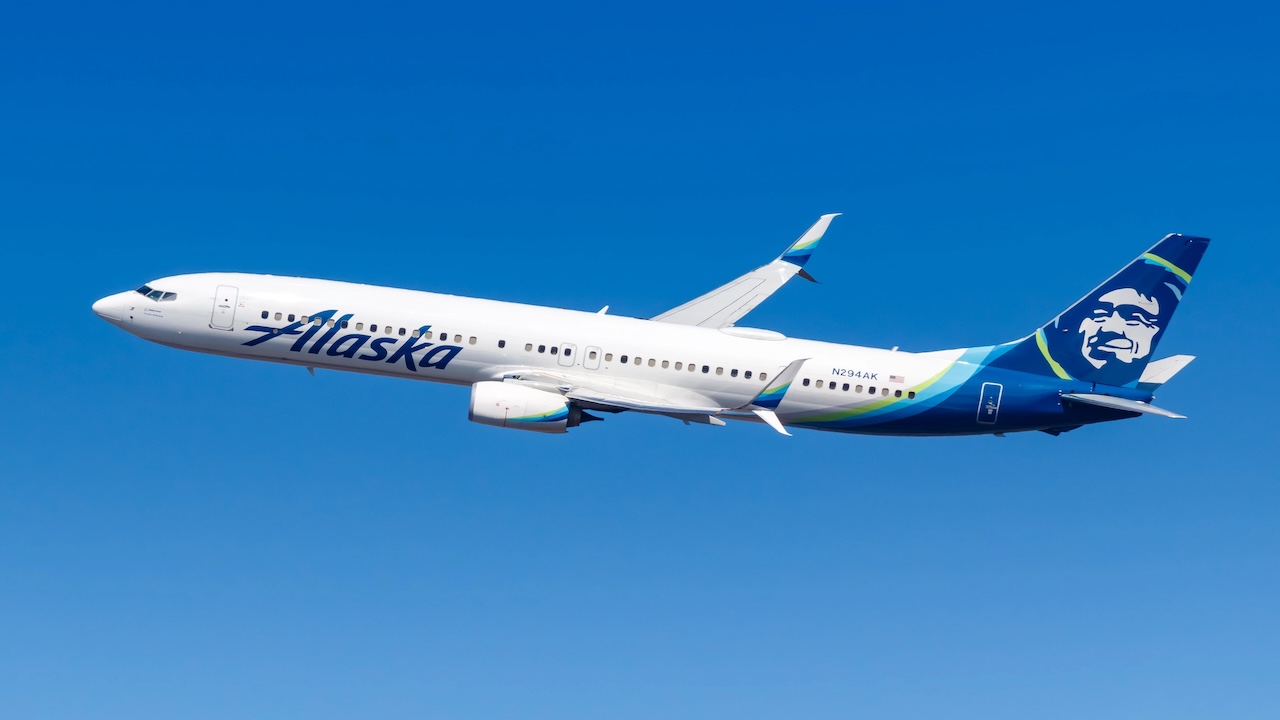
The door plug blowout on Flight 1282 sent shockwaves through the aviation industry and traveling public. The Alaska Airlines flight had departed Portland International Airport bound for Ontario, California, with 171 passengers and six crew members aboard when disaster nearly struck just minutes after takeoff.
At approximately 16,000 feet, a door plug, a panel that fills an optional emergency exit location on aircraft configured without that exit, violently separated from the fuselage. The explosive decompression caused chaos in the cabin as oxygen masks deployed, loose items were sucked toward the opening, and passengers found themselves staring at the night sky through a refrigerator-sized hole in the aircraft’s side.
The flight crew executed an emergency descent and return to Portland, landing safely approximately 20 minutes after the incident began. Miraculously, no one was seated directly adjacent to the door plug when it departed, preventing what could have been catastrophic injuries or fatalities. However, several passengers sustained minor injuries from flying debris and the violent decompression, while the psychological impact affected everyone aboard.
Investigation revealed that four critical bolts meant to secure the door plug were never installed during Boeing’s manufacturing process at its Renton, Washington facility. The missing bolts allowed pressurization forces to push the door plug free once the aircraft reached altitude, a failure that never should have occurred with proper manufacturing and quality control procedures.
The Captain’s Allegations
Captain Wiprud’s lawsuit details both physical and psychological injuries she attributes to Boeing’s negligence. According to court filings, she suffered injuries during the violent decompression event when the cockpit environment suddenly changed and the crew fought to maintain aircraft control while dealing with emergency procedures.
The lawsuit alleges that Wiprud continues experiencing symptoms that affect her ability to perform her duties as an airline captain. These include physical ailments resulting from the rapid pressure change and the stress of managing an in-flight emergency, as well as psychological trauma from the near-disaster experience.
For pilots, psychological impacts from traumatic events can be career-threatening. Commercial aviation requires absolute focus, quick decision-making under pressure, and the ability to maintain composure during emergencies. Pilots who experience lasting anxiety or post-traumatic stress following incidents may struggle to meet the rigorous mental health standards required for maintaining medical certifications necessary to fly.
Wiprud’s lawsuit argues that Boeing’s quality control failures and manufacturing defects created the conditions that placed her in danger and caused her injuries. The complaint likely seeks compensation for medical expenses, lost wages if her flying has been restricted, pain and suffering, and potentially punitive damages given the egregious nature of the quality control failures.
Boeing’s Quality Control Crisis

The door plug incident became the most visible manifestation of Boeing’s ongoing quality control problems with the 737 MAX program. Federal investigations revealed a troubling pattern of manufacturing defects, inadequate documentation, and insufficient oversight at Boeing facilities and supplier locations.
The missing bolts on Flight 1282’s door plug weren’t discovered during Boeing’s internal quality checks, nor during subsequent inspections before the aircraft was delivered to Alaska Airlines. This cascading failure of multiple safety checkpoints raised serious questions about Boeing’s manufacturing processes and quality assurance systems.
Following the incident, the Federal Aviation Administration grounded all 737 MAX 9 aircraft with door plugs for emergency inspections. These inspections revealed additional aircraft with improperly installed or missing hardware, confirming the problem wasn’t isolated to a single plane.
The FAA subsequently placed Boeing under enhanced oversight, limiting production increases and requiring the manufacturer to submit comprehensive quality improvement plans before ramping up MAX production. This regulatory action, combined with ongoing investigations and multiple lawsuits, has severely damaged Boeing’s reputation and financial performance.
For Boeing, Captain Wiprud’s lawsuit represents another legal challenge in what has become an avalanche of litigation related to 737 MAX issues. The company already faces lawsuits from passengers aboard Flight 1282, claims from airlines for lost revenue during the grounding, and ongoing legal issues related to two fatal MAX crashes in 2018 and 2019 that killed 346 people.
Implications for Crew Members
Captain Wiprud’s decision to sue Boeing could encourage other crew members from Flight 1282 to pursue legal action. Flight attendants working in the cabin when the door plug separated experienced the most direct exposure to the violent decompression and the terrifying reality of a gaping hole in the fuselage at 16,000 feet.
Crew member lawsuits differ from passenger claims in important ways. Pilots and flight attendants are aviation professionals who understand aircraft systems, emergency procedures, and the severity of various incidents. Their testimony about the event’s impact carries particular weight because they possess expertise to evaluate the danger they faced and the quality of Boeing’s manufacturing.
Additionally, crew members’ livelihoods depend on their ability to continue flying. Injuries or psychological trauma that prevent them from performing their duties represent not just temporary setbacks but potential career-ending impacts. This makes their damages potentially more substantial than typical passenger injury claims.
The lawsuit also highlights the position crew members occupy during such incidents, they’re responsible for passenger safety while simultaneously dealing with their own fear and potential injuries. Captain Wiprud and her fellow crew members had to maintain professional composure and execute emergency procedures while processing the reality that their aircraft was missing a section of fuselage at altitude.
Legal Landscape and Precedent

Boeing faces a challenging legal environment given the clear evidence of manufacturing failures in the door plug incident. The missing bolts represent an unambiguous quality control failure that directly caused the incident, making Boeing’s liability difficult to dispute.
The company’s defense options are limited. Unlike accidents involving pilot error, weather, or mechanical failures from wear and tear, this incident resulted entirely from Boeing’s failure to install required hardware during manufacturing. Documentation failures meant the missing bolts weren’t caught during quality inspections, compounding the original error.
Boeing may argue about the extent of Captain Wiprud’s injuries and their direct causation from the incident, but establishing that Boeing’s negligence created the dangerous situation should be straightforward given investigation findings.
The lawsuit could set precedents for how crew member claims related to manufacturing defects are valued and resolved. If Captain Wiprud achieves a significant settlement or verdict, it may encourage additional crew member litigation not just from Flight 1282 but from other incidents where manufacturing defects endangered flight crews.
Industry-Wide Ramifications
Beyond the immediate legal implications, Captain Wiprud’s lawsuit shines additional spotlight on aviation manufacturing quality control at a time when the industry is already under intense scrutiny. Pilots, flight attendants, and passengers all depend on manufacturers to deliver aircraft that meet exacting safety standards.
The incident has prompted airlines to enhance their own acceptance inspections of new aircraft, essentially adding verification layers because trust in manufacturer quality control has eroded. This represents additional costs and delays but reflects the new reality following highly publicized Boeing quality failures.
For Alaska Airlines, the lawsuit creates an awkward position. While the carrier isn’t named as a defendant, the incident involving one of its flights and crew members keeps the traumatic event in public consciousness. Alaska has worked to reassure customers about MAX 9 safety following the incident, and ongoing litigation serves as a reminder of the close call.
What Happens Next
The legal process will likely unfold over months or years unless Boeing opts to settle quickly to avoid further negative publicity. Discovery will reveal internal Boeing communications about quality control, manufacturing processes, and what the company knew about potential door plug installation issues.
Captain Wiprud’s medical records, employment history, and ongoing symptoms will be examined to establish the extent of her injuries and their impact on her career. Expert witnesses will testify about aviation manufacturing standards, quality control best practices, and the psychological impact of surviving a near-catastrophic aircraft incident.
Boeing will likely seek to settle before trial to avoid the spectacle of a sympathetic plaintiff, an experienced airline captain injured by the company’s negligence, testifying publicly about her experience and ongoing struggles. However, if the case proceeds to trial, it could result in substantial damages that encourage additional lawsuits from others affected by Boeing’s quality control failures.
For the flying public, Captain Wiprud’s lawsuit serves as a reminder that the January 2024 door plug incident wasn’t just a mechanical failure or abstract safety statistic. Real people, including the professionals responsible for passenger safety, suffered real consequences from Boeing’s failures, and accountability for those failures continues working through the legal system.
As Boeing works to rebuild its reputation and restore confidence in its manufacturing processes, lawsuits like Captain Wiprud’s ensure that the human cost of quality control failures isn’t forgotten amid corporate restructuring plans and regulatory compliance efforts.