There’s something magical about firing up a vintage V8 on a Sunday morning, feeling that rumble through your chest as neighbors peek through their curtains. Classic car ownership is a source of pride and enjoyment. Even a trip to the grocery store feels like an event, making you smile from cold start to the cruise home.
But here’s the thing nobody mentions at the car show: that gleaming ’67 Mustang or pristine ’72 Beetle comes with a price tag that extends far beyond the purchase price. These machines were built in an era before computerized everything, which sounds romantic until you’re hunting for parts on a Tuesday afternoon.
The financial reality of classic car ownership involves dozens of small expenses that add up faster than you can say “original factory specs,” and understanding them upfront helps you budget realistically for the hobby you love.
Specialized Insurance That Actually Knows What Your Car Is Worth

Regular auto insurance treats your restored Camaro like it’s a fifteen-year-old Corolla, which is precisely the nightmare scenario when something goes wrong. Agreed-value classic car insurance typically runs between $200 to $600 annually depending on the vehicle’s worth and how often you drive it, but it’s absolutely essential for protecting your investment.
These policies recognize that your car appreciates rather than depreciates, covering the true replacement cost if disaster strikes. The catch is proving your car’s condition through photos and sometimes appraisals, plus most policies limit annual mileage to a low-thousands range (common tiers include around 2,500, 5,000, and sometimes up to 7,500 miles, depending on the insurer and plan). You might also need a separate daily driver to qualify, which means you’re essentially insuring two vehicles instead of one.
Still, when you’ve got $40,000 wrapped up in sheet metal and chrome, standard insurance that would pay out $8,000 just doesn’t cut it.
The Parts Treasure Hunt That Turns Into A Second Job

Finding a window crank for a Datsun Z-car shouldn’t require the investigative skills of Sherlock Holmes, yet here we are.
The parts market for classics operates in a strange ecosystem of online forums, swap meets, specialty vendors, and occasionally, literal junkyards where you’re pulling components yourself. Reproduction parts have gotten better over the years, but they’re expensive, a complete weatherstripping kit might run $400, while original spec brake components can easily hit $600 for all four corners. You’ll spend hours researching part numbers, cross-referencing compatibility across model years, and joining Facebook groups dedicated to your specific make just to ask if anyone knows where to find a decent carburetor.
Some owners report spending hooours monthly just sourcing parts, which doesn’t sound like much until you’re three months deep trying to locate one specific rubber seal. Even my ’93 Miata sat in the shop for months on end as I waited for authentic parts to eventually pop up.
The process becomes part of the hobby’s charm, admittedly, but it’s a time investment that deserves honest acknowledgment.
Storage Costs Because Weather Is The Enemy
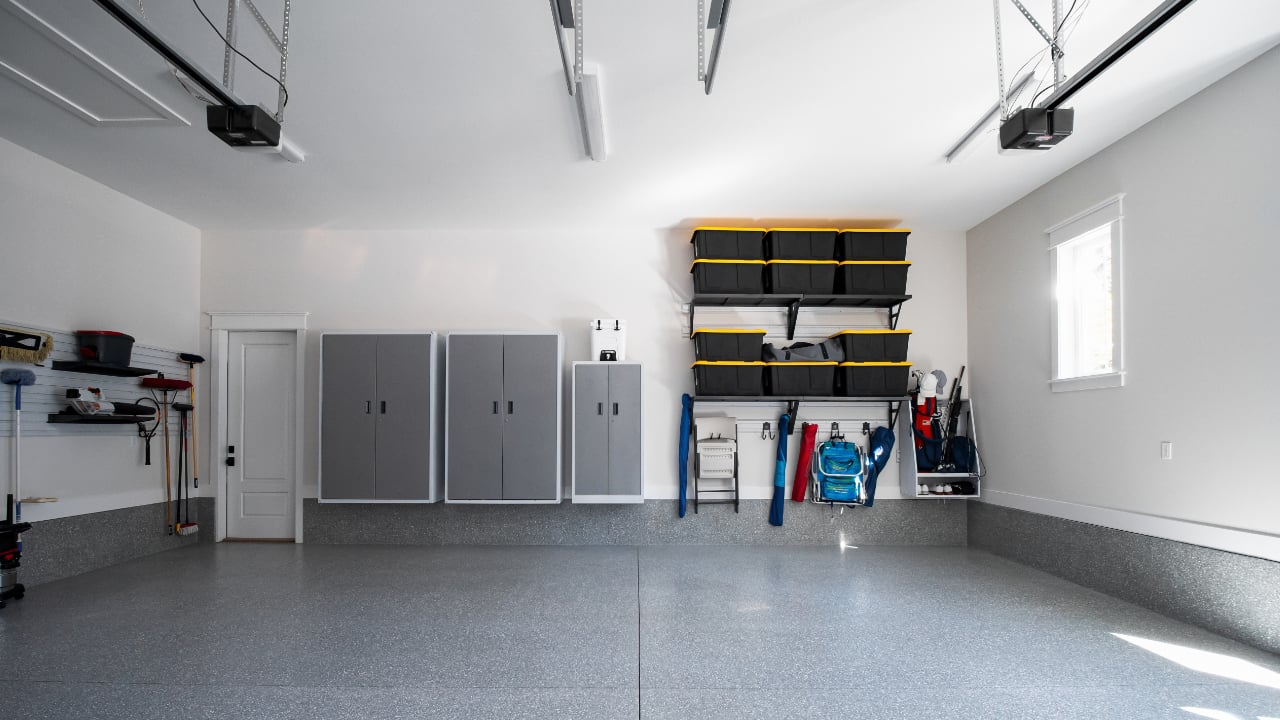
Leaving a classic exposed to the elements is like storing your grandma’s wedding dress in a drainage ditch, technically possible but wildly inadvisable.
Climate-controlled garage space in urban areas can run $200 to $500 monthly, while even basic covered storage in suburban locations typically costs $75 to $150 per month. That’s an extra $900 to $6,000 annually just to keep your investment from rusting, fading, or becoming a luxury apartment for rodents. If you’re fortunate enough to have garage space at home, you’re still looking at opportunity costs since that’s square footage you can’t use for anything else.
Car covers help but aren’t a complete solution, moisture still gets trapped underneath, and you can’t exactly drive the thing when it’s wrapped up like a burrito. Many owners end up paying for storage while simultaneously having a perfectly good garage at home, simply because the classic needs stable temperatures and the daily driver needs convenience.
Maintenance Schedules Borrowed From A Busier Era

Modern cars laugh at the idea of service intervals under 10,000 miles, but your classic Porsche 911 wants its oil changed every 3,000 miles like it’s still 1979.
These older engines were designed with different metallurgy and looser tolerances, meaning they genuinely need more frequent attention to stay healthy. Figure on $75 to $150 per oil change if you’re doing it yourself with quality fluids, or $150 to $300 if you’re taking it to a shop that understands your car’s specific requirements.
Then there’s timing adjustments, carburetor tuning, valve adjustments, and all the periodic services that modern fuel injection has made obsolete for daily drivers. A thorough annual service can easily run $800 to $1,500, and that’s assuming nothing actually needs fixing.
The maintenance schedule isn’t negotiable either, skip it and you’re essentially watching your investment depreciate in real time as problems compound.
Fuel Economy From The Disco Era

That big-block engine sounds glorious, absolutely, but it’s also drinking premium fuel at roughly 8-12 miles per gallon around town.
Premium gas currently averages around $3.67 per gallon nationally, and suddenly your weekend cruise isn’t as cheap as you thought.
A modest 1,000 miles of annual driving, barely scratching the surface of ownership, translates to $375 to $560 in fuel costs, and that’s being conservative. European classics often require premium or even higher-octane specialty fuels, pushing costs even higher for the privilege of hearing those twin carbs sing.
The math gets uncomfortable when you compare it to your daily driver’s 30+ mpg, but then again, nobody bought a classic Corvette for its environmental sensibility.
Tools You Didn’t Know You’d Need To Own
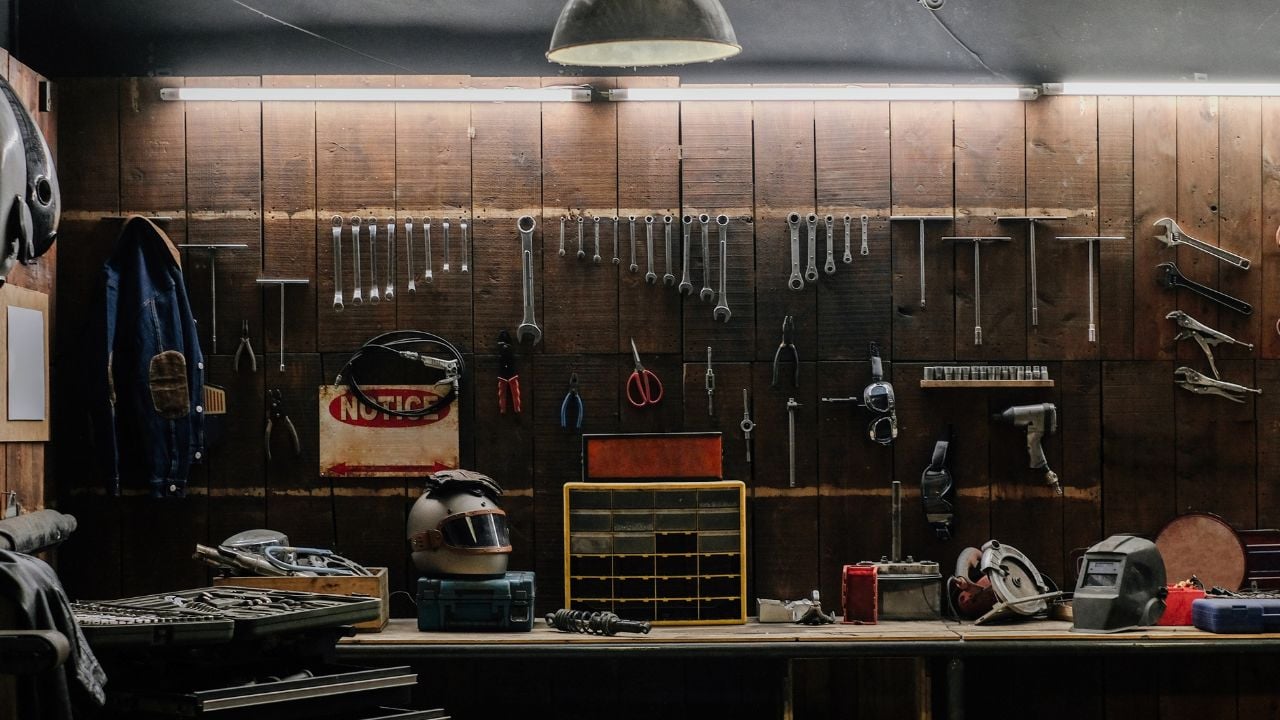
Working on classics means owning tools that haven’t been relevant since Reagan’s first term, because modern mechanics don’t stock Whitworth spanners or other oddball specialty tools.
A decent basic tool kit for classic car maintenance starts around $500, but that’s before you’ve purchased anything model-specific. Then you’re buying a timing light ($60-150), compression tester ($40-80), specialty sockets for your particular engine ($50-200), and perhaps a vacuum gauge because your carburetor lives and dies by vacuum pressure. Many owners end up with $2,000+ in specialized equipment scattered across their garage, used exclusively for their hobby car.
Sure, these are one-time purchases, but they’re expenses that owners of modern vehicles simply never encounter. On the bright side, you’re building genuine mechanical knowledge and self-sufficiency, which feels increasingly rare in an era when cars are mostly maintained through software updates.
Registration And Smog Fees That Vary Wildly

Some states treat classics as rolling museum pieces with minimal registration fees, while others see them as revenue opportunities charging standard rates plus inspection requirements.
California, for instance, exempts 1975-and-older gasoline vehicles from smog inspection requirements, but registration can still run $150-300 annually depending on value. Texas fees and rules vary by plate type; and as of January 1, 2025, most non-commercial vehicles no longer need a safety inspection for registration renewal (emissions testing still applies in certain counties), while places like Vermont have little inspection requirements but higher base fees.
The variability means your costs could range from $40 to $400 yearly just to legally drive what you own. Then there are counties with personal property taxes on vehicles, which don’t care that your car is a hobby, they assess it like any other asset. Some owners try registering vehicles in Montana or South Dakota through LLCs, but legality and enforcement vary, and it can create real legal and tax headaches to avoid certain state requirements, but that introduces its own costs and legal complexity.
Geography genuinely matters when calculating the true cost of ownership.
The Reality Of Depreciation Protection That Isn’t Quite Appreciation

Everyone says classic cars appreciate, and while that’s often true over decades, short-term ownership is rarely profitable once you factor in actual costs.
Yes, your well-maintained example might gain 3-5% in value annually, but you’re also spending thousands yearly on insurance, storage, maintenance, and parts. A $30,000 car that appreciates to $32,000 over a year sounds great until you’ve spent $4,500 keeping it in appreciable condition. Market values also fluctuate based on trends, certain models fall out of favor while others surge, and selling often means months of marketing plus dealer fees if you go that route.
The cars that genuinely appreciate significantly are typically the ultra-rare, numbers-matching examples stored in climate-controlled facilities and driven perhaps 100 miles annually. For most enthusiasts actually enjoying their classics, the “investment” angle is more about emotional returns and preservation of automotive culture than legitimate wealth building.
That’s perfectly fine, but it helps to be honest about the financial mechanics rather than treating your Mustang like a retirement account.
Event Costs Because These Cars Demand To Be Shown

Once you’ve got a presentable classic, the temptation to take it to shows, cruises, and gatherings becomes irresistible, and each event carries its own price tag.
Entry fees run $25-75 per show, while organized cruises might charge $40-100 for registration and lunch. Factor in fuel costs getting there, potential hotel expenses if it’s a weekend event, and the inevitable “while I’m here” purchases from vendors, and you’re easily $200-400 per event. Many owners attend a dozen events yearly, adding $2,400-4,800 to their annual classic car budget without even thinking about it.
There’s also the phenomenon of competitive detailing, where you’re buying better polishes, microfiber towels, and specialty products to make your car show-worthy. None of this is mandatory, of course, but classic car culture is inherently social, and staying home when everyone’s cruising to the diner feels like missing the point.
These experiences are genuinely what makes ownership worthwhile, but they represent real costs that don’t appear on any basic ownership calculator.
The Upgrade Trap That Never Quite Ends

You bought the car bone-stock, which is admirable, but then you notice the brakes feel dangerously inadequate by modern standards.
Disc brake conversions run $1,500-3,000 depending on the car, but they’re a genuine safety improvement that’s hard to argue against. Then you’re thinking the suspension could use some freshening; another $1,200-2,500 for quality components that maintain the original character while improving drivability. Modern radial tires instead of period-correct bias-ply? That’s $800-1,200 for something that actually grips the road. Maybe the stereo could use Bluetooth connectivity without looking anachronistic, another $400-800.
Before you know it, you’ve spent an additional $5,000-10,000 on improvements, each individually justifiable but collectively expensive. The modification path is seductive because these genuinely make the car more enjoyable to drive, but they’re costs above and beyond basic ownership.
Some purists avoid this entirely, keeping everything factory-correct, but that requires either exceptional discipline or a car that was genuinely perfect from the start.
Towing And Roadside Service For Inevitable Breakdowns

Optimism is lovely, but classics break down, and when they do, you need a plan that doesn’t involve abandoning a $40,000 car on the shoulder.
Specialty roadside assistance programs for classics cost $80-200 annually and provide flatbed towing that won’t damage your low-slung suspension or vintage body panels. Regular AAA membership might cover basic towing, but drivers aren’t always trained in handling older vehicles, and distance limits can leave you short of home or your trusted mechanic.
Some owners invest in trailer setups for self-recovery, which means $2,000-5,000 for a suitable trailer plus a tow-capable vehicle if you don’t already own one. Even with preventive maintenance, you’re realistically looking at one or two breakdown-related towing events every few years, each costing $150-400 without coverage. The mental cost of wondering whether today’s drive will end with a tow truck genuinely affects how and when you use the car.
It’s an inherent part of owning machinery from an era before modern reliability standards, and budgeting for it reduces stress when something inevitably does go sideways.
Annual Appraisals And Documentation For Serious Collectors

If you’re serious about protecting your investment or you’ve got a particularly valuable example, you’ll need periodic professional appraisals, and these aren’t free services.
Qualified appraisers charge $250-600 per evaluation, and insurance companies or potential buyers often want documentation no more than two years old. Beyond appraisals, there’s the matter of maintaining provenance through documentation, receipts, service records, and historical research proving your car’s authenticity.
Some owners join marque-specific registries charging $50-150 annually that help establish your vehicle’s history and originality. Photos, storage of documents, and maintaining a paper trail all take time and sometimes money, especially if you’re chasing down the car’s history through previous owners or manufacturer records. For six-figure cars, this documentation directly impacts value, a numbers-matching car with full history commands significantly higher prices than mechanically identical examples lacking paperwork.
Even for more modest classics, having thorough records protects against insurance disputes and helps buyers feel confident they’re getting what you say they’re getting.
Conclusion
Understanding these hidden costs doesn’t diminish the joy of classic car ownership: it simply provides clarity for anyone considering joining this passionate community. The financial picture is complex, ranging from predictable expenses like specialized insurance to unexpected adventures hunting down obscure parts, but transparency helps you plan appropriately.
These cars offer something genuinely special: a tangible connection to automotive heritage, a hands-on hobby that builds real mechanical knowledge, and an excuse to meet fellow enthusiasts who share your appreciation for vintage engineering. The costs are significant, absolutely, but they’re the price of admission to a hobby that’s fundamentally about preservation and passion rather than pure economics. When you’ve properly budgeted for storage, maintenance, events, and all the little expenses in between, you’re freed up to actually enjoy these remarkable machines without financial anxiety.
Classic car ownership remains one of the most rewarding enthusiast pursuits available, provided you enter it with eyes wide open and wallet adequately prepared for the beautiful, complicated reality of keeping history running.