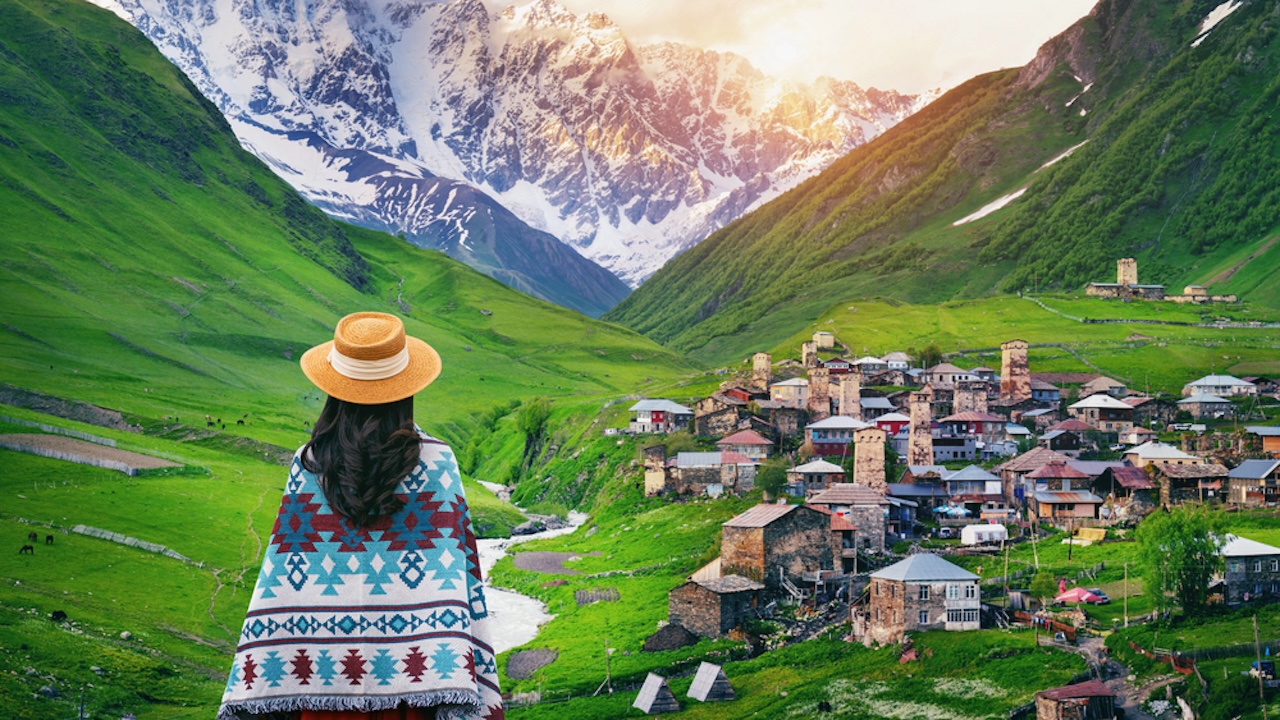
Many countries around the world carry reputations that no longer match reality, often shaped by outdated news headlines or exaggerated stereotypes. Travelers, especially Americans, frequently overlook destinations labeled as “dangerous,” even when current crime data and safety statistics tell a very different story. In fact, several of these misunderstood countries now rank safer than places many people consider unquestionably secure, including Australia. Modern infrastructure, improved policing, and stable governments have transformed these destinations into safe, welcoming places for visitors.
Australia consistently ranks as a safe country, but it also faces rising urban crime, isolated violent incidents, and regional challenges that affect safety statistics. Meanwhile, countries once associated with instability have quietly improved quality of life, public safety, and traveler protections. These destinations often offer lower crime rates, stronger community policing, and safer city centers than many expect. The gap between perception and reality has never been wider.
The countries below are frequently mislabeled as risky, yet they now outperform Australia in key safety metrics such as violent crime rates, homicide statistics, and everyday public safety. Travelers who visit often report feeling safer walking at night, using public transport, or exploring city centers than they do in major Western cities. These destinations prove that reputation is not the same thing as reality.
Japan
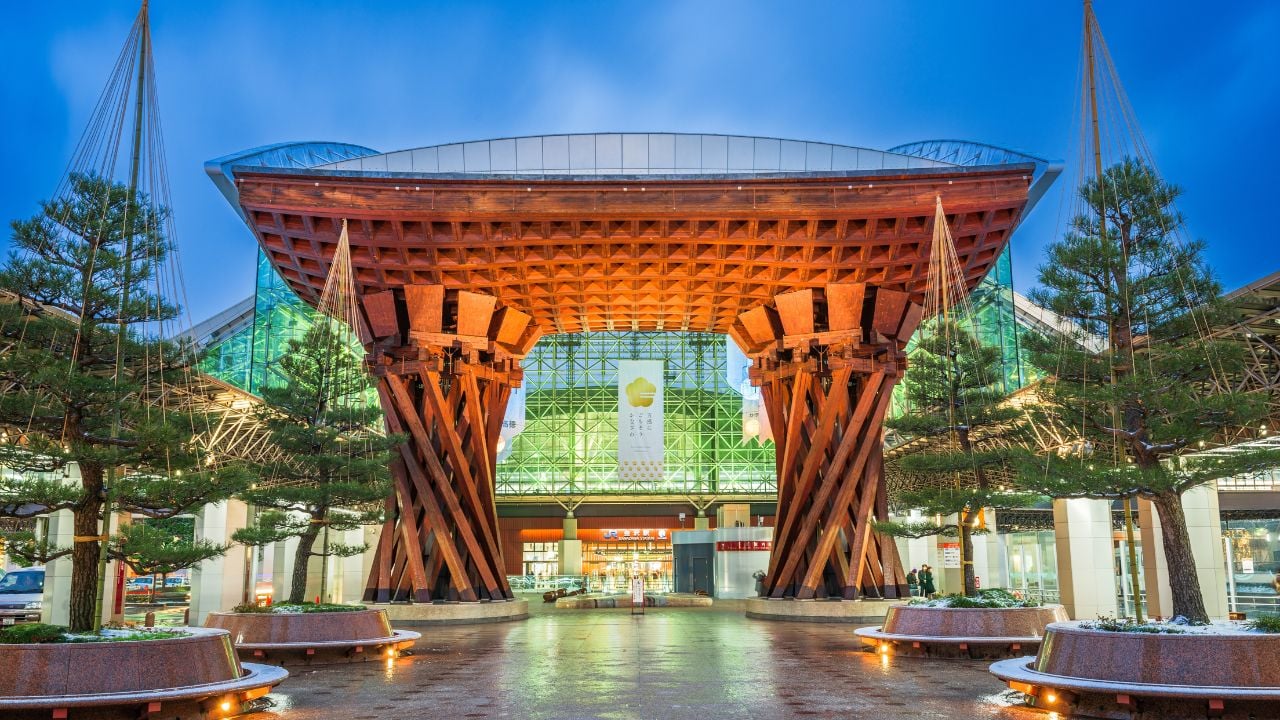
Japan is sometimes perceived as intimidating due to language barriers and cultural differences, but it is consistently one of the safest countries on Earth. Violent crime is exceptionally rare, even in major cities like Tokyo and Osaka, and petty crime levels remain extremely low. Lost wallets are often returned intact, and public spaces are orderly, well-lit, and carefully maintained. Compared to Australia, Japan reports significantly lower rates of assault and street crime.
Daily life in Japan feels remarkably secure, even late at night. It is common to see people walking alone after midnight, children commuting independently, and unattended belongings left in public without concern. Public transportation is efficient, safe, and heavily monitored, reducing risks for travelers. Visitors frequently comment on how safe they feel compared to cities in Australia, Europe, or North America.
Japan’s safety culture is reinforced by social norms that emphasize respect, accountability, and community responsibility. Police presence is visible but non-aggressive, focusing on assistance rather than enforcement. Emergency services are fast, reliable, and accessible. Japan demonstrates that safety can be deeply woven into everyday life rather than enforced through force.
Portugal

Portugal was once grouped with Southern European countries perceived as economically unstable, but today it ranks among the safest nations in the world. Violent crime is rare, gun ownership is low, and cities like Lisbon and Porto are calm and walkable. Compared to Australia, Portugal reports lower rates of serious crime and fewer violent incidents overall. Tourists regularly explore cities and coastal towns without concern.
Urban areas feel relaxed and welcoming, even at night. Public transport is safe, streets are well-lit, and locals are accustomed to visitors. Pickpocketing exists in tourist-heavy areas, but violent crime remains extremely uncommon. Many travelers report feeling safer walking alone in Portuguese cities than in large Australian metropolitan areas.
Portugal’s safety is supported by strong social services, effective policing, and a generally peaceful culture. Law enforcement focuses on prevention and visibility rather than force. Healthcare and emergency response systems are reliable and accessible. Portugal proves that safety does not require strict enforcement, but rather stability and social cohesion.
Slovenia

Slovenia is often overlooked due to its small size and location, yet it consistently ranks as one of Europe’s safest countries. Crime rates are low across both cities and rural areas, and violent crime is extremely rare. Ljubljana regularly ranks safer than many Australian cities when comparing assault and theft statistics. The country’s calm atmosphere surprises many first-time visitors.
Walking through Slovenian cities feels peaceful and orderly, even late in the evening. Public transportation is clean and secure, and city centers remain active without feeling chaotic. Travelers often remark on how comfortable they feel exploring alone. Compared to Australia, Slovenia experiences fewer alcohol-related incidents and street-level conflicts.
Strong community ties and effective local governance contribute to Slovenia’s safety. Police are approachable, responsive, and trusted by residents. Social stability and low inequality reduce crime triggers. Slovenia demonstrates how small countries can outperform larger nations in everyday safety.
Iceland
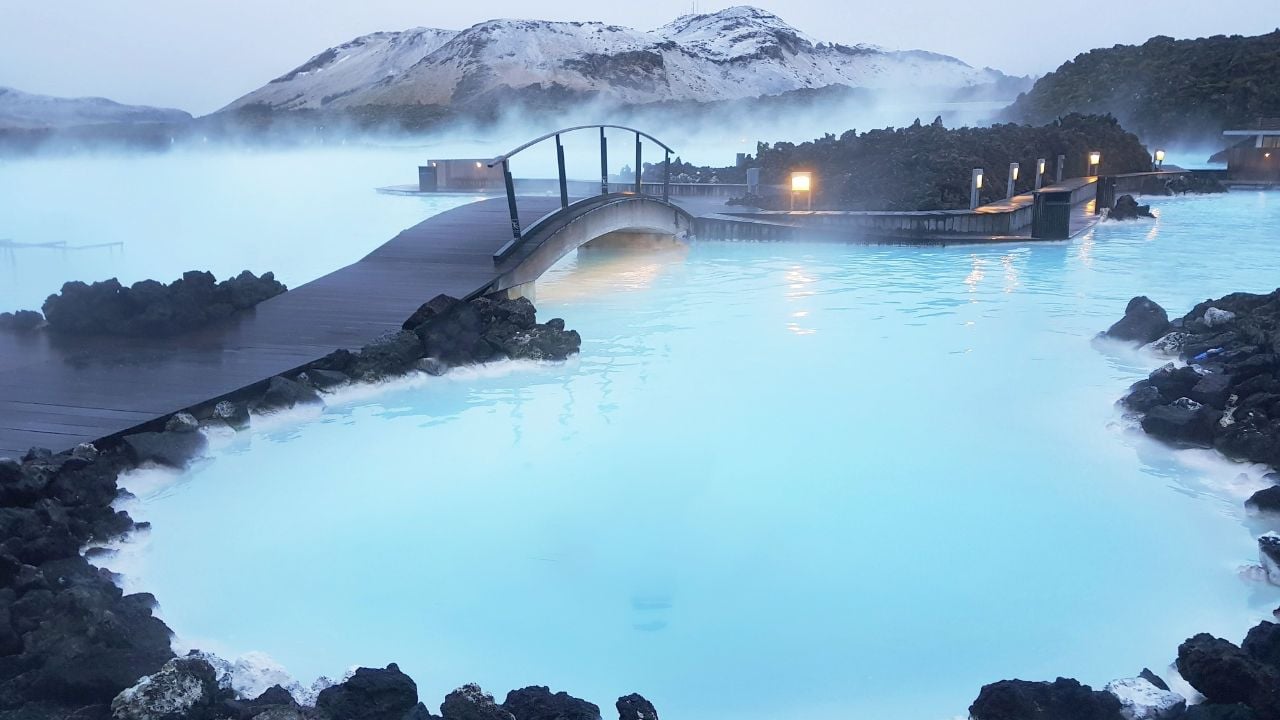
Iceland is sometimes viewed as remote and extreme, but it is one of the safest countries in the world by nearly every metric. Violent crime is almost nonexistent, and homicide rates are among the lowest globally. Compared to Australia, Iceland experiences significantly fewer assaults and public safety incidents. Even Reykjavík feels calmer than many small cities elsewhere.
Daily life in Iceland operates on a foundation of trust and transparency. It is common for parents to leave babies sleeping outside cafés, and homes are often left unlocked. Travelers can safely explore cities, towns, and rural areas without fear. Compared to Australia, Iceland offers a far lower risk of street crime or violence.
The country’s safety stems from strong social welfare systems, low inequality, and deep community trust. Police do not carry firearms and focus on mediation rather than confrontation. Emergency services are efficient despite the country’s remote geography. Iceland is proof that safety can exist without heavy enforcement.
Singapore

Singapore is sometimes described as strict or intimidating, but those same qualities make it extraordinarily safe. Crime rates are among the lowest in the world, and violent incidents are exceedingly rare. The city-state’s infrastructure is meticulously maintained, reducing both crime and accidents. Everyday life operates with precision and predictability.
Compared to Australia, Singapore has far fewer issues related to street crime, drug violence, or public disorder. Laws are clearly enforced, which discourages criminal behavior before it begins. Public spaces are clean, well-monitored, and welcoming at all hours. Even first-time visitors feel secure navigating the city alone.
Singapore’s safety extends beyond crime into health, transportation, and urban planning. Emergency services respond rapidly, and hospitals are world-class. The multicultural population coexists peacefully, supported by strong governance and social cohesion. Singapore shows how structure and safety can enhance, rather than restrict, quality of life.
Vietnam

Vietnam is often labeled “dangerous” due to traffic chaos and outdated war-era perceptions. In reality, violent crime against travelers is extremely uncommon. Cities are lively and crowded, which actually increases safety through constant public presence. Visitors often feel more watched-over than threatened.
The biggest risk in Vietnam is traffic, not crime, and even that becomes manageable with awareness. Locals are welcoming and quick to assist tourists who seem lost or confused. Scams exist, but they are typically non-violent and easily avoided with basic precautions. Personal safety remains consistently high.
Compared to Australia, Vietnam has less random violence and fewer alcohol-related incidents. Community policing and social accountability reduce crime significantly. Medical care in major cities is reliable and affordable. Vietnam challenges outdated assumptions with everyday reality.
Costa Rica

Costa Rica is sometimes portrayed as risky due to its location in Central America. However, it is one of the safest countries in the region, with stable governance and strong institutions. Tourism is a major priority, and visitor safety is taken seriously. Crime targeting travelers is relatively low and usually non-violent.
Nature-focused travel dominates, meaning most visitors spend time in protected parks and eco-lodges. Communities rely on tourism and actively look out for visitors. Police presence is visible in tourist areas, and emergency services are accessible. Costa Rica’s safety feels intentional and well-managed.
Compared to Australia, Costa Rica has fewer confrontational encounters and a more community-oriented atmosphere. Healthcare quality is high, even outside major cities. The country’s emphasis on peace and sustainability directly impacts personal security. Costa Rica feels welcoming rather than risky.
Estonia

Estonia is often overlooked and therefore assumed to be unpredictable or unsafe. In reality, it is one of Europe’s most digitally advanced and secure countries. Crime rates are low, and cities like Tallinn feel orderly and calm. Travelers quickly notice how safe public spaces feel, even at night.
Digital infrastructure reduces bureaucracy and corruption, contributing to overall security. Public transportation is reliable, and law enforcement is professional and low-profile. Locals are reserved but respectful, creating a predictable social environment. Visitors are rarely targeted or harassed.
Compared to Australia, Estonia has lower violent crime rates and fewer social disturbances. Emergency response systems are efficient and technologically integrated. The country’s stability surprises many first-time visitors. Estonia proves that quiet destinations can be exceptionally safe.
Taiwan

Taiwan is sometimes viewed through the lens of regional tension, which creates a false sense of danger. On the ground, it is one of the safest places in Asia. Crime is rare, public transport is immaculate, and social trust is extremely high. Visitors often comment on how secure they feel walking alone at any hour.
Healthcare is among the best in the world, providing reassurance for retirees and older travelers. Streets are clean, and public order is respected without heavy enforcement. Lost items are commonly returned, reinforcing a sense of trust. Safety in Taiwan feels natural and constant.
Compared to Australia, Taiwan has less street crime and fewer violent incidents. The culture emphasizes courtesy, responsibility, and collective well-being. These values directly translate into personal safety. Taiwan quietly outperforms many “safer” reputations.
Georgia (the Country)
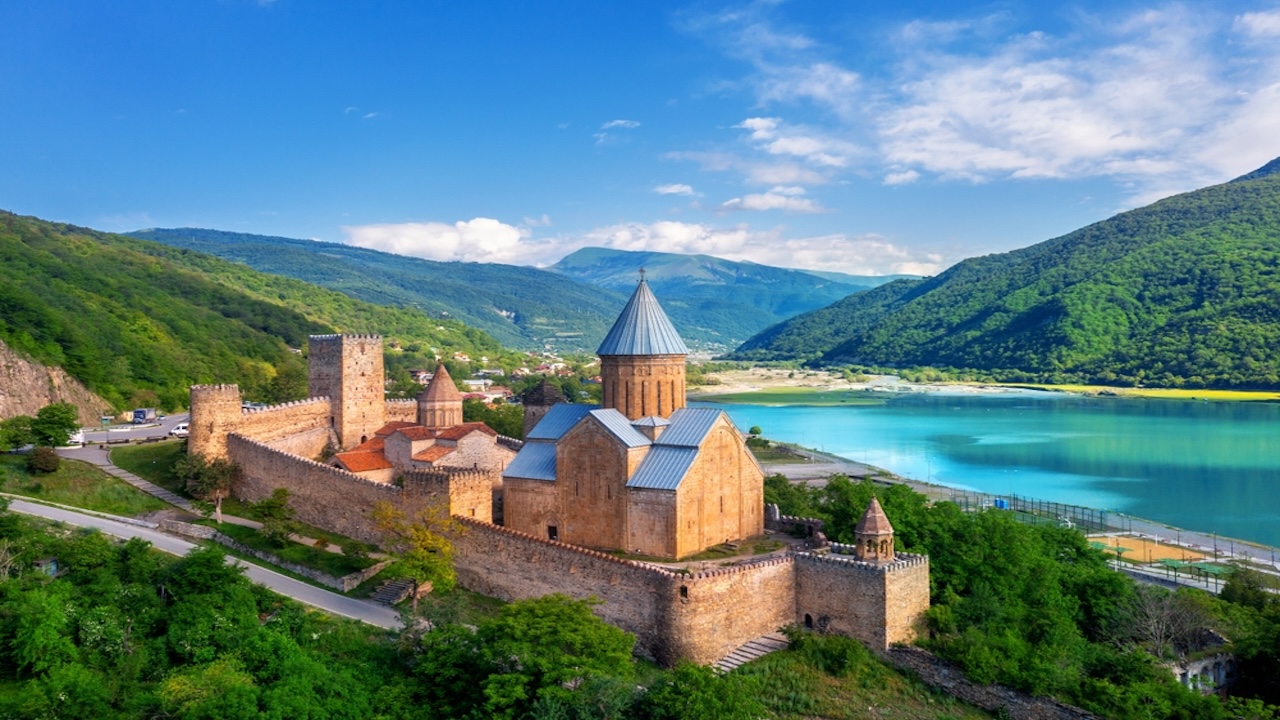
Georgia is often misunderstood due to its location and unfamiliarity. In reality, it is remarkably safe, with low violent crime and a strong culture of hospitality. Visitors are frequently invited into homes and helped by strangers without hesitation. The social fabric prioritizes respect for guests.
Cities like Tbilisi are lively yet calm, with a strong police presence that feels supportive rather than oppressive. Tourist infrastructure continues to improve, making navigation easy and stress-free. Crime against foreigners is rare and taken seriously when it occurs. Georgia feels protective of its visitors.
Compared to Australia, Georgia has fewer random assaults and less urban violence. Healthcare access is improving, and emergency services are responsive. The country’s reputation lags behind its reality. Georgia is far safer than its image suggests.