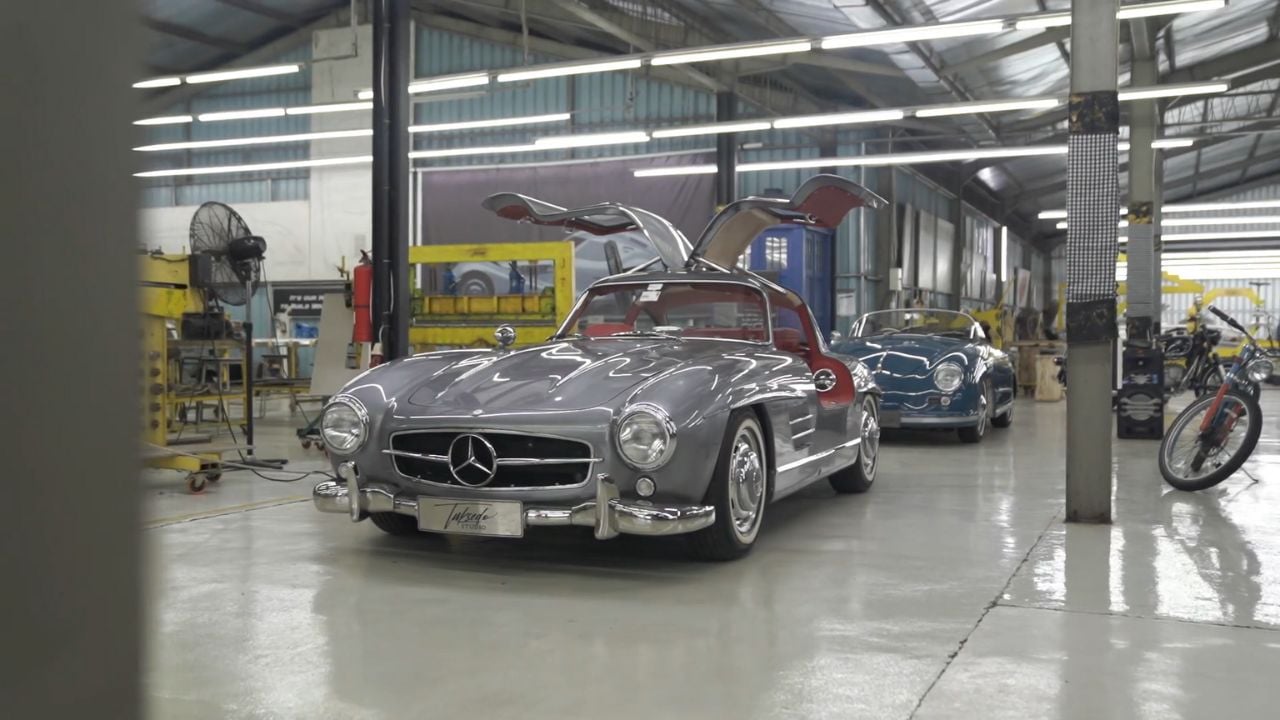

In a leafy corner of Bali’s Gianyar region, a small workshop is quietly building what looks like automotive history reborn. Classic cars that once roared across European roads in the 1950s and 60s are being meticulously recreated from scratch by Indonesian artisans, blurring the lines between homage, craft and new industry.
The operation known as Tuksedo Studio has become a surprising point of pride for Indonesia’s creative economy and a magnet for global car enthusiasts. It was founded by Pudji Handoko, a former architect whose fascination with automotive design began in childhood. From chalk sketches on the ground to real cars in a workshop, Handoko’s journey mirrors a broader narrative about craftsmanship and innovation in a part of the world better known for surf breaks than vintage Ferraris.
From Hobby to Creative Industry
Handoko spent years experimenting before he completed his first replica. He studied photographs, bought old blueprints online and built tools from scratch, including classic coachbuilding equipment like the English wheel, used to shape smooth metal bodywork.
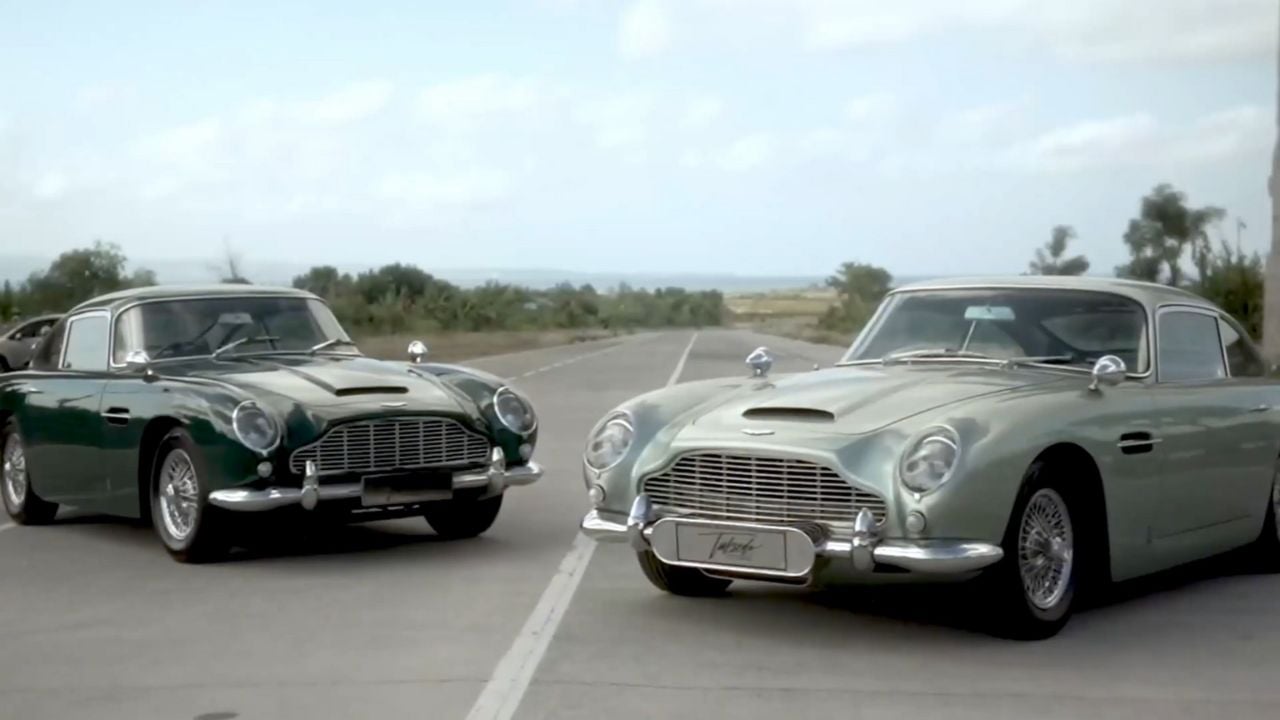
The first project was a Porsche 356 Speedster, built around the chassis and engine of a Volkswagen Beetle, a donor car whose simplicity made the ambitious build technically possible. From there, Tuksedo’s portfolio quickly expanded to include replicas of the Mercedes-Benz 300 SL ‘Gullwing’ with its iconic upward-opening doors, the elegant Toyota 2000 GT, and even Aston Martin DB5s that evoke the era of James Bond and European grand touring.
Today, Tuksedo employs around 80 staff who hand-craft every component, from steering wheels to window winders. The cars they create are astonishingly detailed, with panels hammered by hand and interiors assembled like pieces of fine furniture. Prices range from the equivalent of roughly $150,000 for a Speedster to over $330,000 for a Gullwing. The prices represent a fraction of what original cars would command on the collector market.
Economic and Cultural Impact
Tuksedo Studio has become an engine for Indonesia’s creative economy, aligning with government efforts to boost local industries and tourism. Officials from the Ministry of Tourism and Creative Economy have visited the facility and expressed interest in integrating it into broader cultural and educational programs, positioning classic car craftsmanship as a new form of experiential tourism.
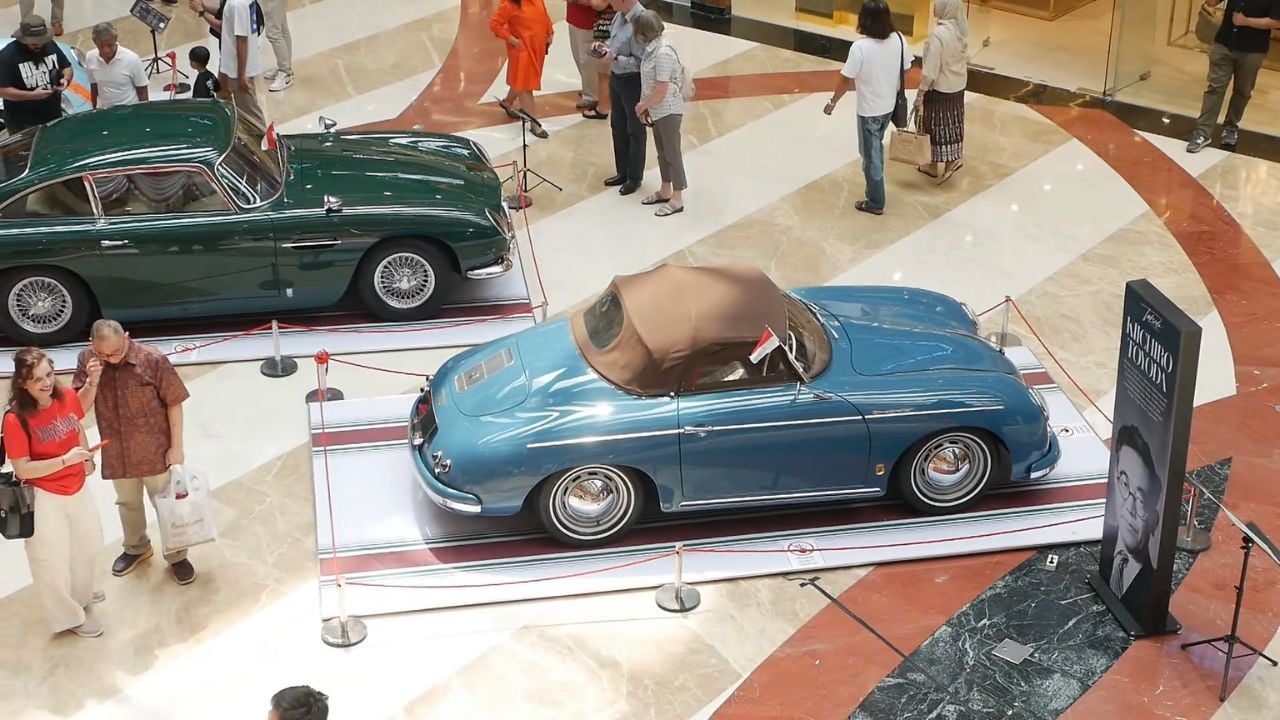
Photographs from recent factory floors show workers engrossed in production, tools clinking, and classic silhouettes taking shape under warm Balinese light. Local photographers documented scenes of assembly and finishing work, highlighting not only the mechanical process but also the artisanal dedication behind every vehicle.
Replica cars from Tuksedo are already popular with both local Indonesian buyers and international collectors, with order queues reportedly stretching into the dozens. In 2024 alone, the studio produced around 20 vehicles, finding customers from the Middle East, Europe and the United States — with international orders growing faster than export regulations can keep up.
Visitors to the studio include classic car aficionados, designers and tourists drawn by viral videos that have circulated widely on social platforms. To manage interest, Tuksedo now hosts multiple daily tours where guests can see artisans at work. It even features a café and library that lends an unexpected European café atmosphere to the workshop, creating a hybrid space of automotive culture and hospitality.
Notable visitors have included prestigious figures in automotive design circles. According to The Telegraph, an English-speaking guest from the Manila Sports Car Club spoke about the cultural value of preserving hands-on craftsmanship in a world dominated by digital technology and automation.
The First Lady
While replicas remain Tuksedo’s core business, Handoko has his sights set on original creation. After 15 years of studying automotive history and design, he is now drafting plans for his own concept roadster, dubbed the “First Lady,” with design influences spanning decades of classic automotive styling. The concept is expected to break ground in 2026, signaling Tuksedo’s evolution from homage maker to original automaker.
Yet Handoko says he remains torn. Demand for his replicas continues to grow, and customers plead with him daily to keep building beloved classics rather than move on to original designs. It is a tension between honoring automotive history and forging a new chapter for Indonesian craftsmanship.