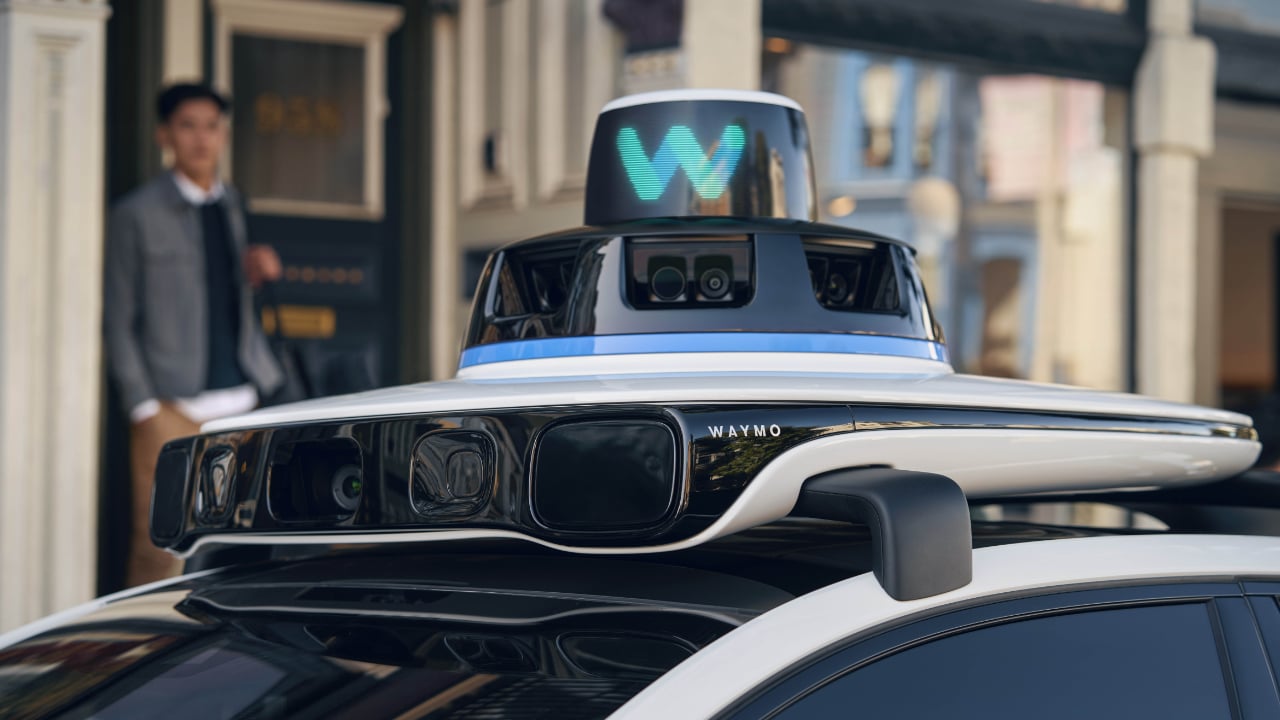

That chilly Saturday in San Francisco, many people planned grocery runs and holiday errands without a second thought about the power humming through the city’s wires. Then, just after mid-day, a fire at a utility substation triggered a major outage that knocked out electricity to roughly one-third of the city’s residents and businesses, plunging streets, homes, and shops into darkness. Traffic lights blinked off one by one, street corners fell quiet, and an odd scene unfolded on the city’s usually bustling avenues when a fleet of bright-branded driverless taxis came to a halt and stayed put.
Videos shared by local drivers and passersby showed clusters of Waymo’s autonomous robotaxis stopped at intersections with hazard lights flashing, their digital brains seemingly unsure of what to do without the familiar guidance of functioning traffic signals.
In some places, human drivers edged around the motionless vehicles, inching forward where traffic lights once stood. For a city known for innovation and early adoption of emerging mobility technology, this felt like a public-facing glitch that touched nerves about how reliable this tech really is when the unexpected happens.
A Blackout’s Human Lessons
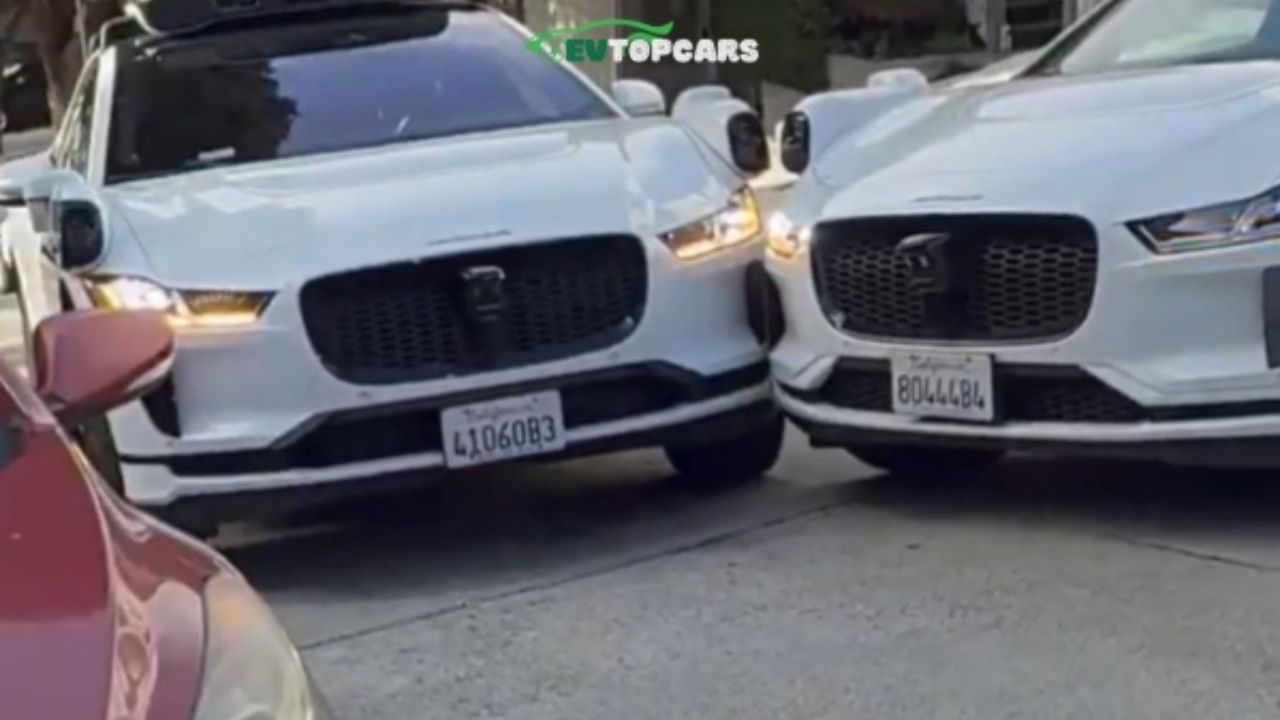
For days afterward, the images of those stalled cars ricocheted through social media and local news. One woman who had planned to pick up her elderly father at a train station found her ride disrupted when the robotaxi service she had booked quietly went silent. She ended up walking part of the way to meet him. “It was like these cars just froze, like they were waiting for something magical to happen,” she told a neighbor while waiting for a shuttle bus.
For people who had put tentative trust in fully autonomous vehicles the incident showed machines can struggle when the rules of the road suddenly disappear.
Waymo, the Alphabet-owned company operating these vehicles, responded by pausing its robotaxi service on Saturday evening as city crews worked to restore power and traffic lights. A company spokesperson said the outage created unusual conditions and reaffirmed that the technology is designed to treat unlit intersections as four-way stops but acknowledged the sheer scale of the blackout challenged that logic.
After coordination with city officials and technicians, the company said it resumed its ride-hailing operations the next day, with plans to integrate lessons from this episode to cope better with similar disruptions in the future. Amid the chatter, there was a curious subplot involving Tesla vehicles equipped with Full Self-Driving (FSD) technology. While Waymo’s robotaxis became a visible part of the traffic chaos, Tesla cars navigating the same darkened streets appeared to continue moving with less apparent disruption.
It was a glaring upside to Tesla’s vision-based system, trained on billions of real-world miles. Consequently, the cars did not falter even when streetlights and signals were down, a point that sparked discussion among drivers and tech fans about the different ways autonomous systems approach the same environment.
Tech That Stops and Tech That Goes
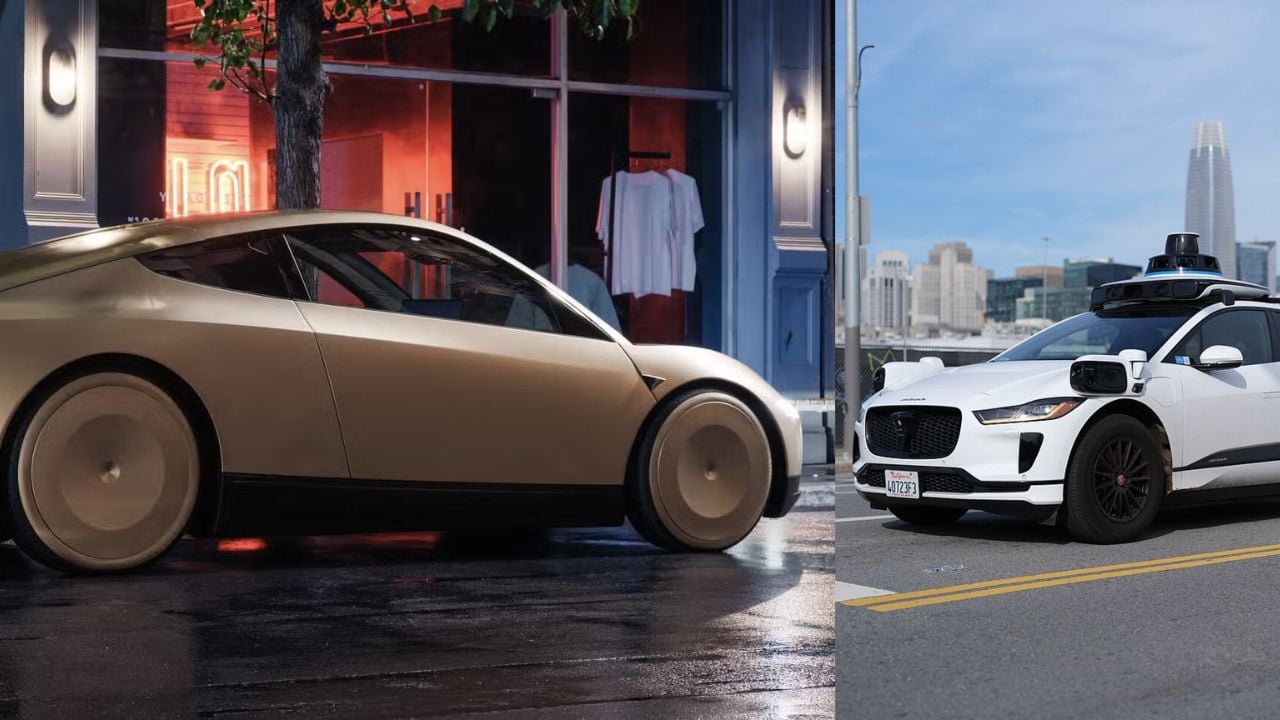
For everyday people that meant contrasting experiences framed the weekend. Riders who depended on Waymo’s robotaxis felt caught off guard, while Tesla owners shared gloating stories and footage of their cars steadily progressing down unlit roads, managing intersections with a gaze similar to what a cautious human driver might do.
Coincidence or design, some local talk radio shows picked up the theme of “tech that keeps going” versus “tech that stops,” giving commuters something new to debate alongside their usual rain and holiday traffic woes.
People in San Francisco started talking about what they had just seen. On local radio shows and call-in programs, hosts and listeners were comparing two kinds of self-driving tech based on how they behaved during the outage.
On one side was Waymo, whose driverless taxis visibly stopped and stayed put when traffic lights went out. On the other side were Tesla vehicles using Full Self-Driving, which many drivers said continued moving like a cautious human driver would.
San Francisco officials and transportation planners are now poring over how autonomous vehicles interacted with this blackout, and what it means for future integration into the city’s fabric. Residents who saw those silent taxis and the city’s traffic light grid go dark were reminded that technology does not always gracefully handle the unexpected. Still, it painted a picture of resilience and the promise that some systems might have an edge when the world does not cooperate.
In the end the outage was a moment of human curiosity and reflection about how we build and trust the machines that share our roads.