
Finding an SUV with genuine eight-passenger capacity is harder than you’d think. Many three-row SUVs tap out at seven seats, leaving families with multiple kids or carpooling duties scrambling for solutions.
The good news? Several automakers have answered the call with models that pack in that crucial eighth seat without turning your driveway into a bus depot. These rigs prove you don’t need to compromise on style, technology, or driving dynamics just because you need room for a small platoon. Eight-passenger seating usually requires a second-row bench; many trims switch to captain’s chairs and seat seven instead.
Let’s explore the models that make fitting everyone a reality rather than a Tetris game.
Chevrolet Tahoe

The Tahoe has been one of America’s best-known full-size SUVs for good reason, and the current generation continues that legacy with authority.
With 122.7 cubic feet of maximum cargo space and available Super Cruise hands-free driving technology, this big Chevy balances capability with modern convenience. The 5.3L V8 delivers 355 horsepower, while the optional 6.2L bumps that to 420 horses for those who need serious towing punch. Fuel economy sits at 15/20 mpg city/highway with the base engine, which is respectable considering you’re moving roughly three tons of family hauler.
Real-world owners consistently praise the Tahoe’s ride quality and cabin refinement, noting it feels more premium than its price tag suggests.
GMC Yukon

Think of the Yukon as the Tahoe’s more sophisticated sibling, sharing the same bones but dressing them up with unique styling and upscale touches.
GMC’s attention to interior materials shows throughout, particularly in Denali trim where open-pore wood and supple leather create an almost luxury-car atmosphere. The multipro tailgate adds surprising functionality with six different configurations, making loading gear considerably easier.MSRP starts around $67,900 for the 2025 Yukon, with higher trims climbing from there, while Denali models push toward $80,000 before options.
That third row actually works for adults on shorter trips, a claim many three-row SUVs can’t honestly make.
Chevrolet Suburban

When you absolutely, positively need every cubic inch of space imaginable, the Suburban delivers with 144.7 cubic feet of maximum cargo capacity. This extended-wheelbase beast stretches 225.7 inches long, making parallel parking an adventure best avoided when possible.
Despite its size, the Suburban handles highway cruising with impressive composure, and that extra length translates to third-row passengers getting actual legroom instead of token seating. Max towing is in the low-to-mid 8,000-pound range when properly equipped (varies by configuration), enough for most family boat or camper setups.
The Z71 off-road package adds skid plates and two-speed transfer case for those who venture beyond pavement regularly.
GMC Yukon XL
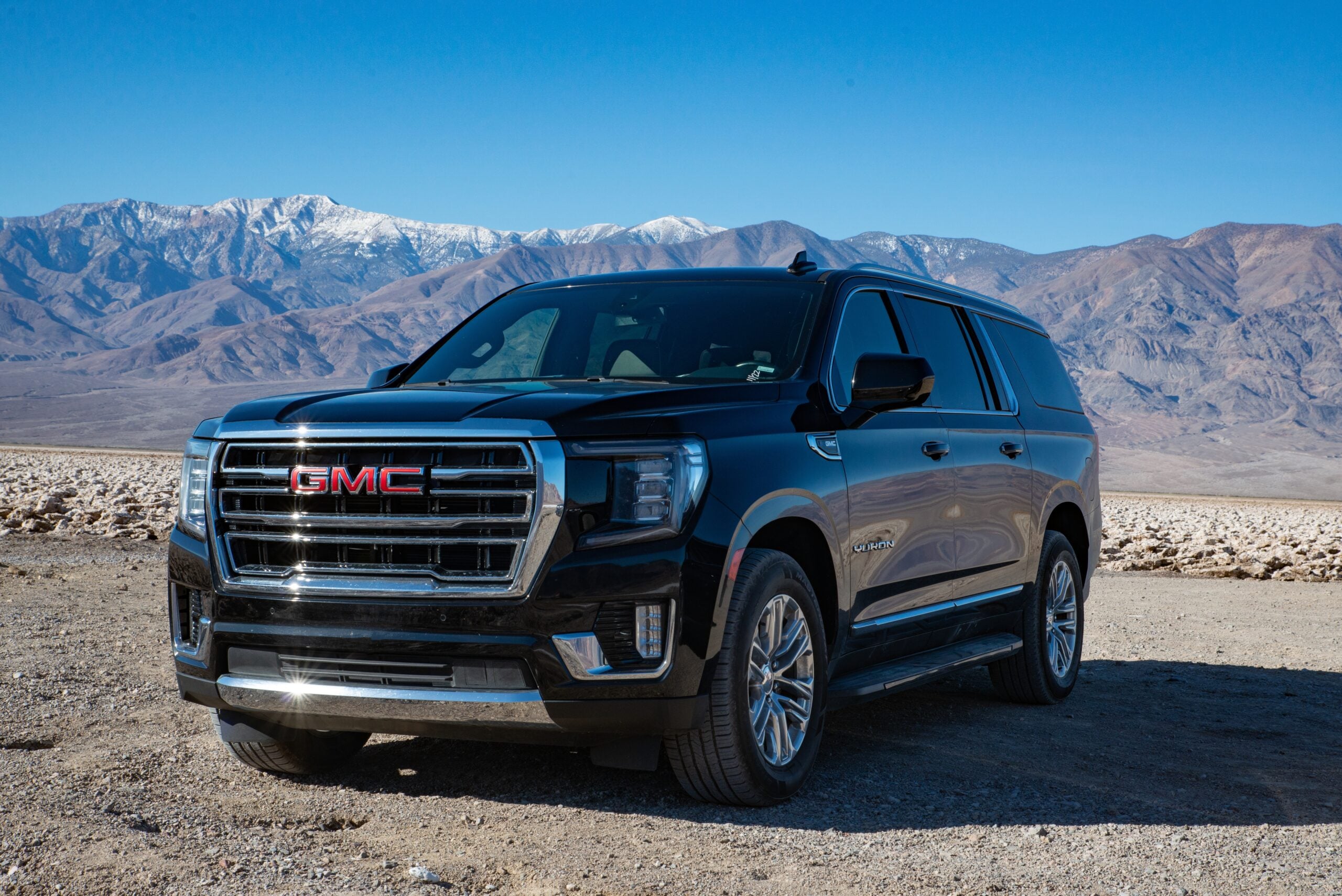
The Yukon XL takes the standard Yukon’s upscale approach and adds another 14 inches of wheelbase for maximum versatility.
Cargo space behind the third row measures a generous 41.5 cubic feet, meaning a Costco run doesn’t require seat gymnastics. The available diesel engine deserves special mention, delivering 495 lb-ft of torque while achieving 21/27 mpg city/highway for remarkable efficiency in this segment. Automatic emergency braking is standard, while features like lane-keeping and adaptive cruise vary by trim and options.
With three rows of comfortable seating and genuine towing credentials, this GMC makes long family road trips feel less like an endurance test.
Ford Expedition Max
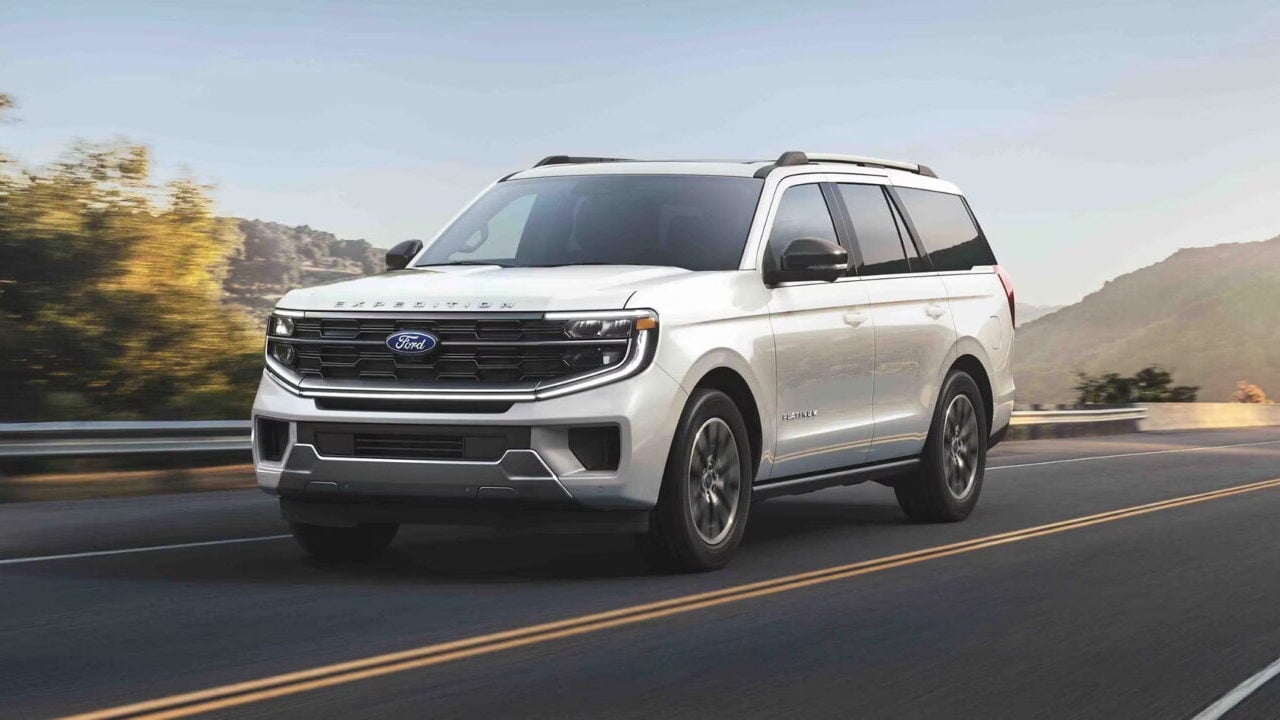
Ford stretched the Expedition by 11.9 inches to create the Max variant, resulting in one of the most spacious interiors in the segment.
The twin-turbo 3.5L EcoBoost V6 produces a stout 400 horsepower and 480 lb-ft of torque, making this big Ford feel surprisingly quick off the line. When properly equipped, Expedition Max towing can reach 9,600 pounds (varies by configuration), giving you flexibility for serious trailer duty. The Pro Trailer Backup Assist system makes reversing with a trailer genuinely manageable, even for those who typically avoid the task.
Third-row seats fold flat into the floor rather than requiring removal, a convenience feature that shouldn’t be special but somehow still is.
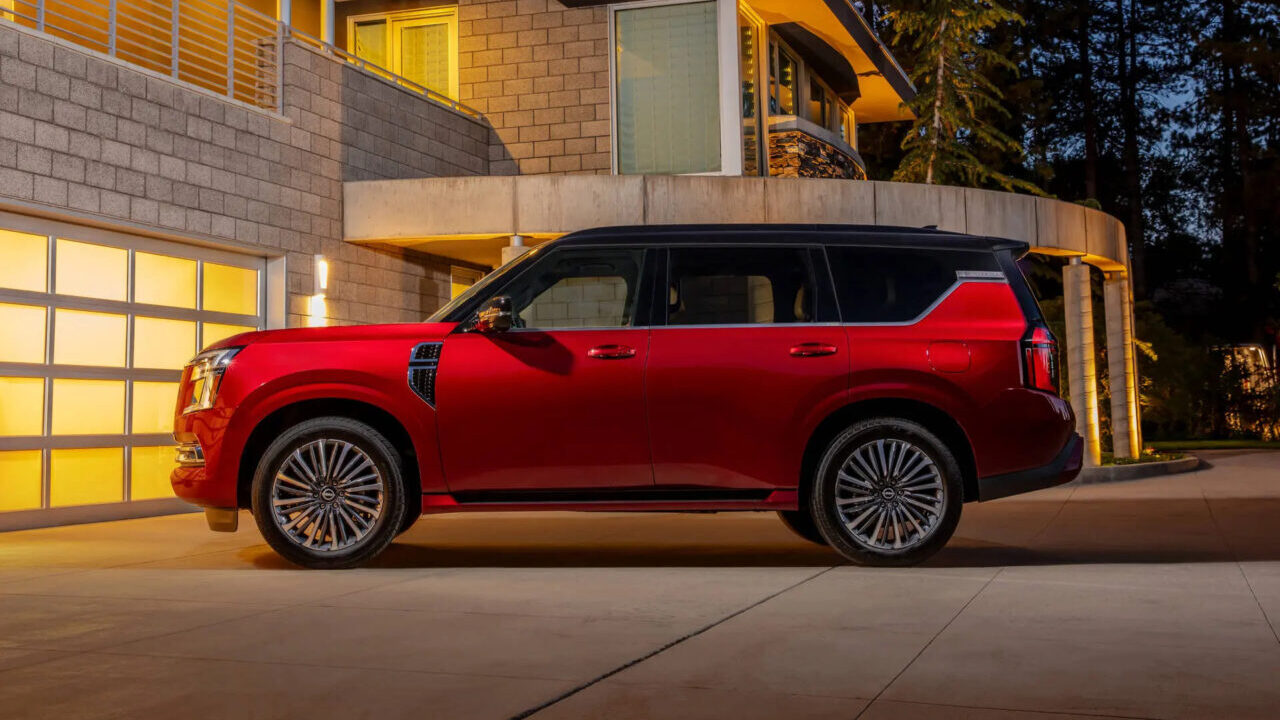
Nissan Armada

Built on Nissan’s rugged body-on-frame platform shared with the Patrol sold globally, the Armada brings old-school SUV toughness to modern families.
For 2025, Armada uses an all-new 3.5L twin-turbo V6 paired with a 9-speed transmission, producing up to 425 horsepower and 516 lb-ft of torque. Pricing starts around $57,000 for the base SV trim, positioning it competitively against domestic rivals.
While it may not have the latest tech features of some competitors, the Armada’s straightforward approach and proven reliability earn it loyal fans.
Toyota Sequoia
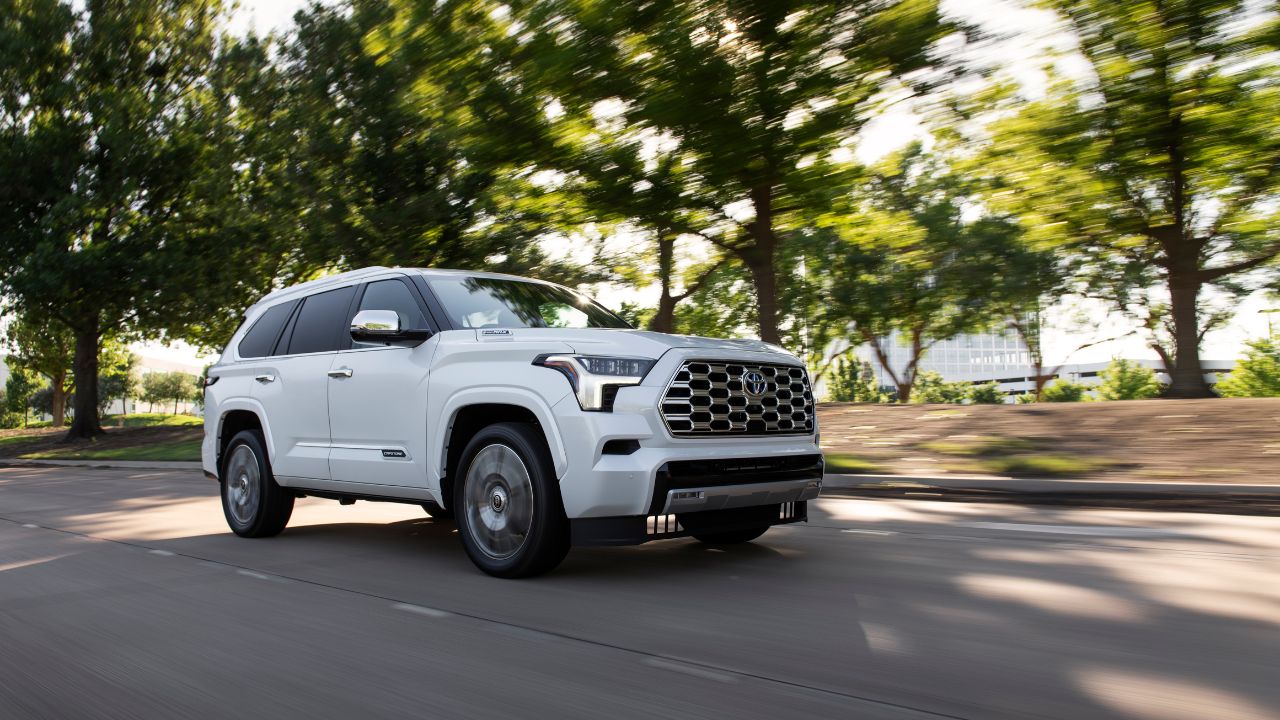
Toyota completely redesigned the Sequoia recently, transforming it from dated dinosaur to genuinely competitive full-sizer.
Every model comes with a twin-turbo 3.5L V6 hybrid powertrain producing 437 horsepower and 583 lb-ft of torque, Fuel economy is rated up to 21/24 mpg (4×2) or about 19/22 mpg (4×4), depending on trim/drivetrain. The standard i-Force Max hybrid system provides 86.9 cubic feet of maximum cargo space while maintaining serious capability. Towing capacity reaches 9,520 pounds, making this one of the strongest players in the segment.
Toyota’s reputation for reliability and strong resale values adds appeal for buyers thinking long-term ownership.
Jeep Wagoneer
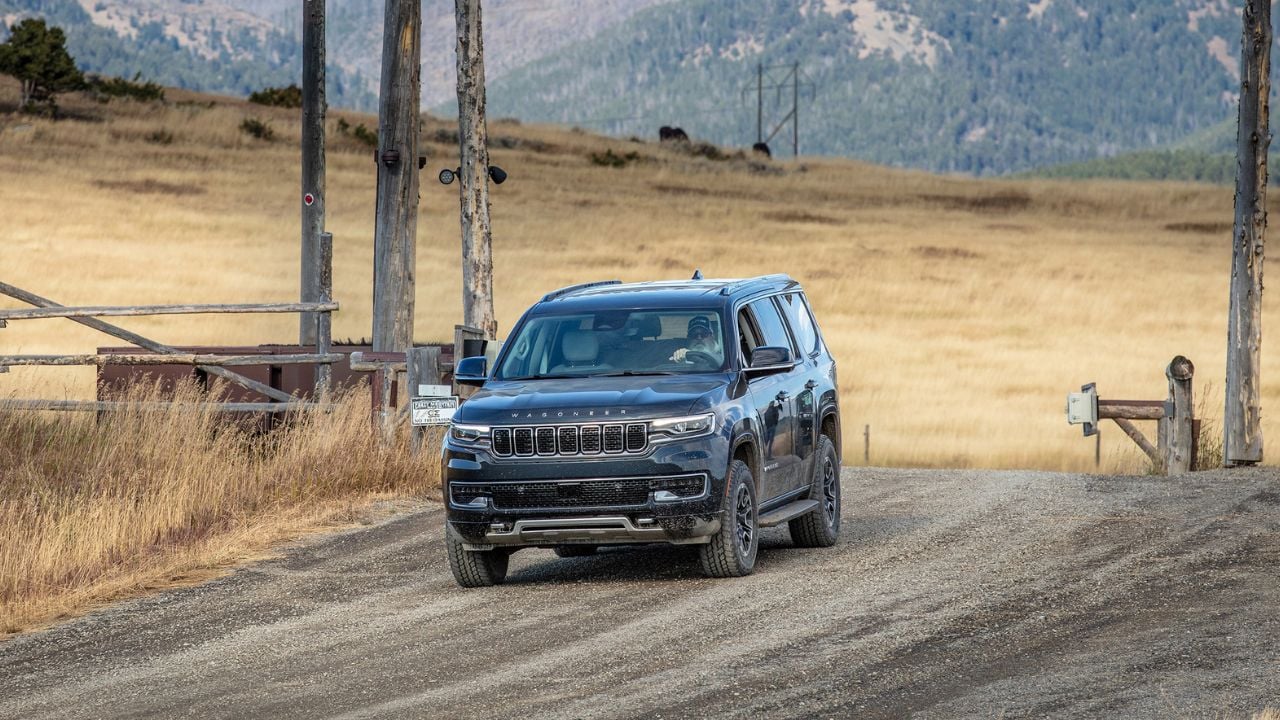
Jeep brought back the Wagoneer nameplate with genuine premium aspirations, and the results impress with rich materials and thoughtful design throughout.
Standard equipment includes a 12.0-inch touchscreen, wireless Apple CarPlay and Android Auto, and available McIntosh audio. The Wagoneer’s engine is a twin-turbo 3.0L inline-six producing 420 horsepower. MSRP starts around $59,945 (before destination/fees and configuration), reflecting the Wagoneer’s position as Jeep’s entry into upscale territory.
The interior feels genuinely luxurious rather than just expensive, with attention to details that buyers in this price range rightfully expect.
Jeep Grand Wagoneer

While the standard Wagoneer aims for premium, the Grand Wagoneer shoots for full luxury and largely hits the target.
Standard features include massaging front seats, available McIntosh audio, and digital rear-view mirror that actually improves visibility. The Grand Wagoneer uses the Hurricane Twin Turbo with 510 horsepower and 500 lb-ft of torque. Pricing starts north of $90,000, putting it squarely against established luxury brands.
The independent rear suspension delivers a notably comfortable ride quality that insulates passengers from road imperfections effectively.
Kia Telluride

The Telluride earned widespread acclaim by nailing the fundamentals while adding unexpected style and value to the equation.
Its 291-horsepower 3.8L V6 provides smooth, refined power delivery that feels perfectly matched to the vehicle’s character. The interior design stands out with horizontal lines and premium materials creating an airy, upscale atmosphere. A standard driver-assistance suite includes forward collision warning, lane-keeping assist, and driver attention monitoring.
With pricing starting around $38,000 and topping out near $54,000 for the SX Prestige X-Pro, the Telluride delivers exceptional value without feeling like a compromise.
Hyundai Palisade

Hyundai’s flagship SUV shares mechanical components with the Telluride but wraps them in distinctive styling that’s more conservative yet equally appealing.
The same 3.8L V6 delivers 291 horsepower here, paired with an eight-speed automatic that shifts smoothly and intelligently. Available Hyundai Digital Key allows you to use your smartphone as the key, while available Blind-Spot View Monitor displays camera feeds in the instrument cluster. The Calligraphy trim pushes into near-luxury territory with Nappa leather, quilted seats, and genuine wood trim.
Hyundai’s 10-year/100,000-mile powertrain warranty provides peace of mind that few competitors can match at any price.
Conclusion
The eight-passenger SUV market offers genuine variety, from value-focused models around $37,000 to luxury contenders exceeding $90,000. Whether you prioritize maximum cargo space, towing capability, fuel efficiency, or premium appointments, there’s likely a model that aligns with your specific needs.
Today’s eigth-seaters prove that accommodating a full house doesn’t mean sacrificing modern technology, comfort features, or driving dynamics. Most of these models include advanced safety systems and convenience features that would have seemed impossible just a generation ago.
The bottom line is that finding the right eight-passenger SUV comes down to matching your priorities with the strengths each model brings to the table!