
A Reddit user’s simple question about how to drive a diesel car after starting it has lit a lively debate online about engine care and automotive etiquette. The post was shared this week in the r/car subreddit under the title “Stupid question,” and offered a look into how car enthusiasts and everyday drivers think about vehicle maintenance and operation.
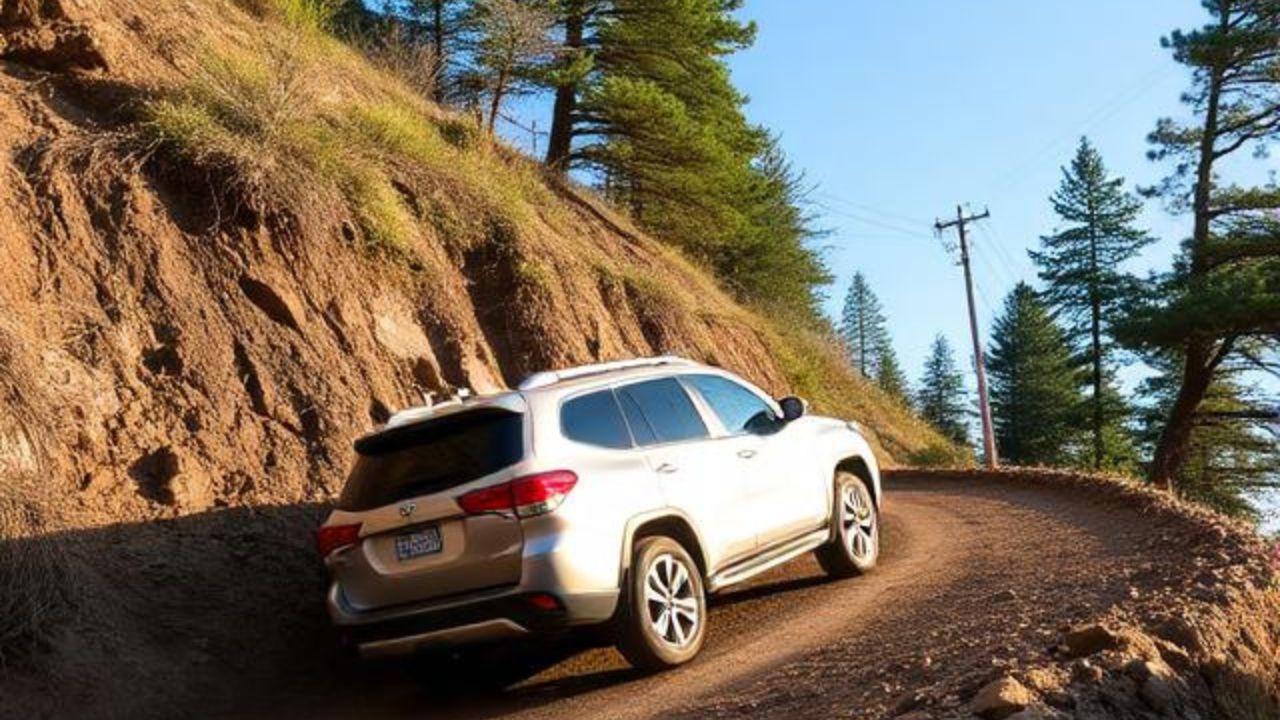
In the thread, the original poster wrote that they understand vehicles should be “driven gently after starting until operating temperatures are reached” and asked a specific question about driving uphill. They explained that their home is on a slope and they often need to accelerate and shift at higher revolutions per minute (RPMs) in order to climb the incline with their manual‑transmission diesel engine. The poster’s concern was whether this practice could be “slowly killing” their engine.
Conflicting Advice on Cold-Engine Driving

Responses to the question varied widely, but many contributors sought to reassure the original poster that what they are doing is not as harmful as they feared. One commenter suggested letting the engine idle for a couple of minutes before leaving, especially on cold days when the engine has not had a chance to warm up. This advice was offered in a straightforward way aimed at easing anxiety about engine wear in cold conditions.
Other commenters pointed out that excessive idling is not always recommended for diesel engines. Diesel engines are known for being able to idle for long periods without consuming as much fuel as gasoline engines, but some practical automotive advice sites note that modern diesel designs do not require extended idling to reach a safe operating temperature, and that over‑idling can sometimes cause its own issues.
Several Reddit users in the thread expressed frustration with the tone and reactions from other participants. One person posted comments dismissing the question by labelling it “stupid,” while other contributors defended the original poster’s curiosity, reminding readers that asking questions is a normal part of learning how to care for a vehicle. These interactions highlight how online automotive communities can sometimes be divided between supportive expertise and a harsher style of humor or criticism.
How Engine Type Affects Cold-Load Driving
Among the more informed responses, some contributors emphasized the importance of understanding basic engine mechanics. One user explained that all engines, including diesels, are made to tolerate a range of operating conditions and that normal use—such as driving uphill soon after starting—is unlikely to cause serious harm if the vehicle is maintained properly.
They noted that waiting a short time for oil to circulate and reach operating temperature can be helpful, but that there is no single “right” way for every situation.
Indeed, letting an engine reach its normal operating temperature before putting it under heavy load is generally a good practice. This allows engine oil to warm up and protect moving parts more effectively. However, most modern engines are designed to handle everyday driving conditions, including mild acceleration and hills, without requiring unusual precautions from the driver.
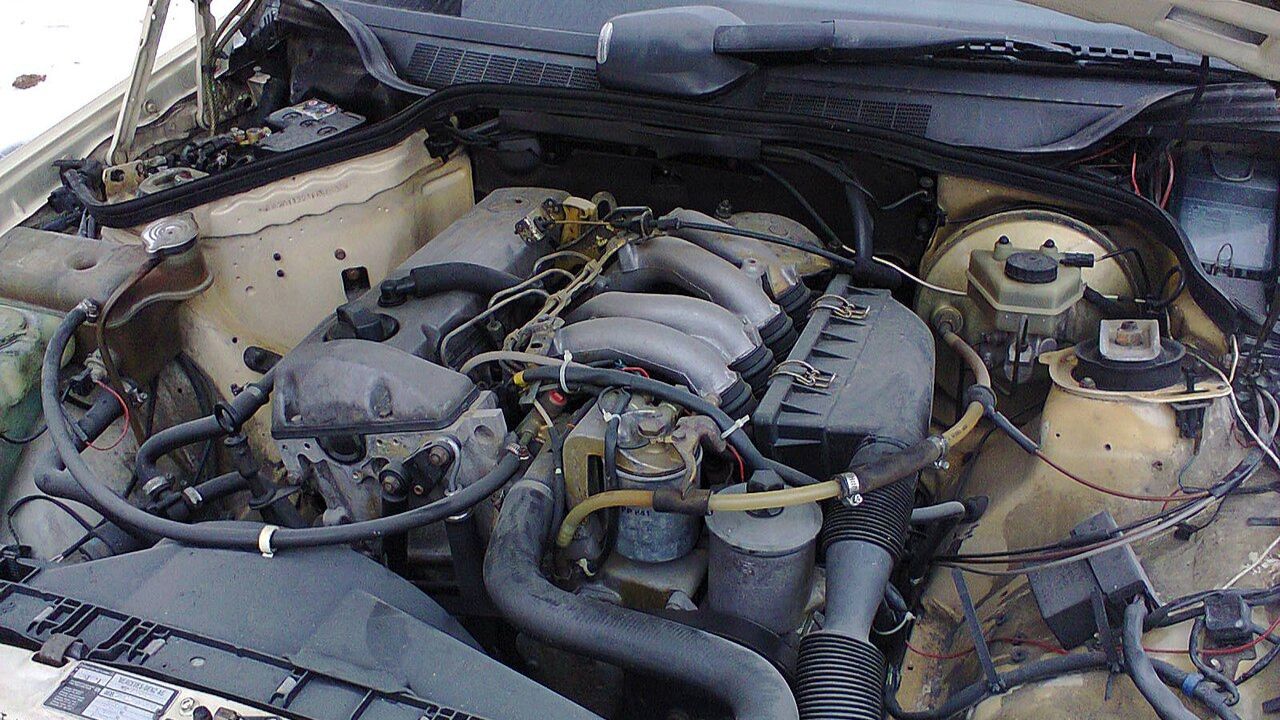
Yes, older mechanically injected, naturally aspirated diesel engines, like the early Volkswagen TDI or first-generation Mercedes OM601/OM602 engines, are particularly sensitive to heavy load before reaching operating temperature. These engines rely on high-viscosity oil circulation for proper lubrication, and cold oil is thick, delaying full film formation.
Pushing them uphill at high RPMs increases cylinder pressure and thermal stress while the oil film is incomplete, accelerating wear on the crankshaft, camshaft, and turbo (if fitted). Modern common-rail diesels handle cold load better due to faster oil flow, electronic injection control, and turbo pre-lubrication, reducing risk significantly.
Lessons from Online Communities
The Reddit thread also revealed a broader cultural pattern within online car forums. Smaller communities like r/StupidCarQuestions and other automotive subreddits often exist to provide non‑judgmental assistance on basic car issues. They attract both novice drivers and seasoned gearheads who enjoy sharing tips.
While online advice can be helpful, it should be balanced with information from trusted sources such as vehicle owner’s manuals or qualified mechanics. Every engine and model year can have specific recommendations that are not fully captured by broad internet threads.
As for the original poster, the discussion appears to have provided both reassurance and a deeper dive into real‑world driving practices. Whether their next uphill drive will be smoother remains to be seen, but the thread has already served as a useful reminder that even “stupid questions” can lead to meaningful conversations about what it really takes to care for a car.