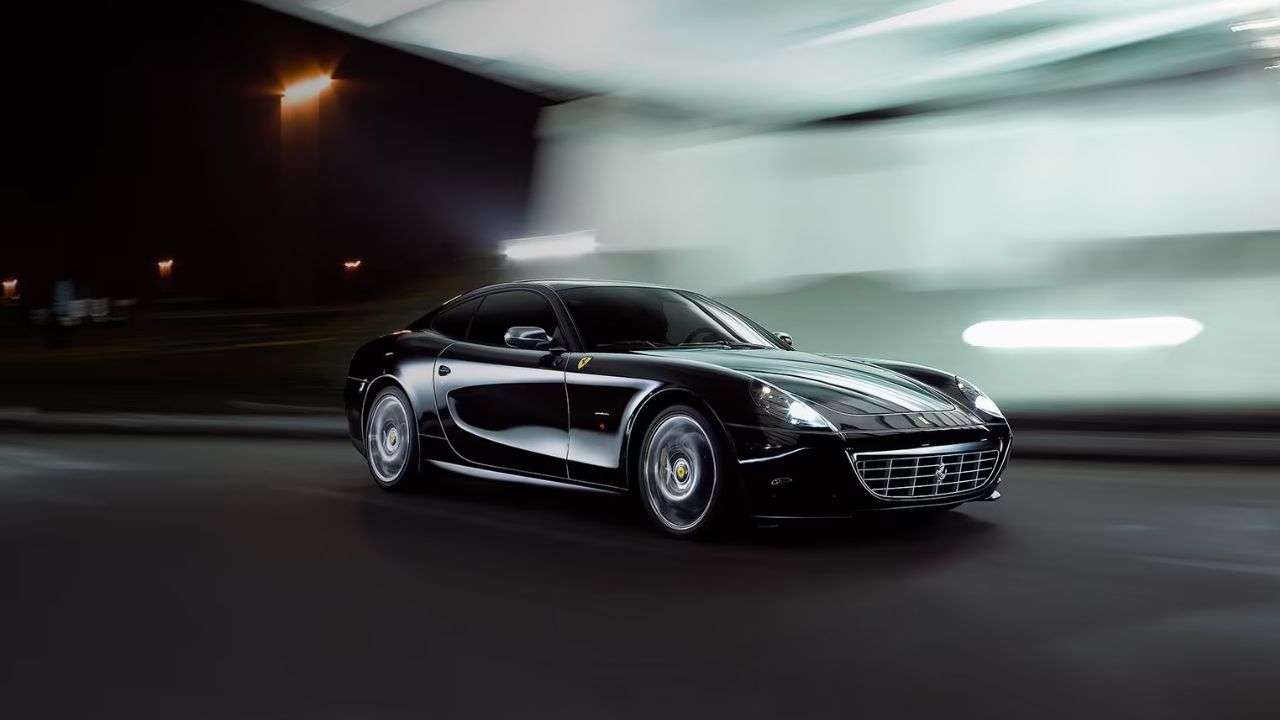
Ferrari’s name carries so much weight that it’s hard to think of a model that wouldn’t make most enthusiasts grin the moment the garage door opens. From early V12 grand tourers to modern hypercars, the badge alone signals something special—and in well-preserved form, almost any Ferrari feels like a privilege to own.
That’s part of the problem.
When a brand becomes this iconic, history tends to simplify it. A handful of models come to represent entire decades, while others—equally thoughtful, equally capable—fade into the background. Not because they lacked merit, but because Ferrari’s own legacy is so dense that not everything can stay in focus.
Let’s explore those Ferraris. The cars that didn’t become shorthand for an era, didn’t define the brand in one dramatic moment, yet still show exactly what Ferrari was building, valuing, and refining at the time.
Ferrari 400i and 412 (1979–1989)
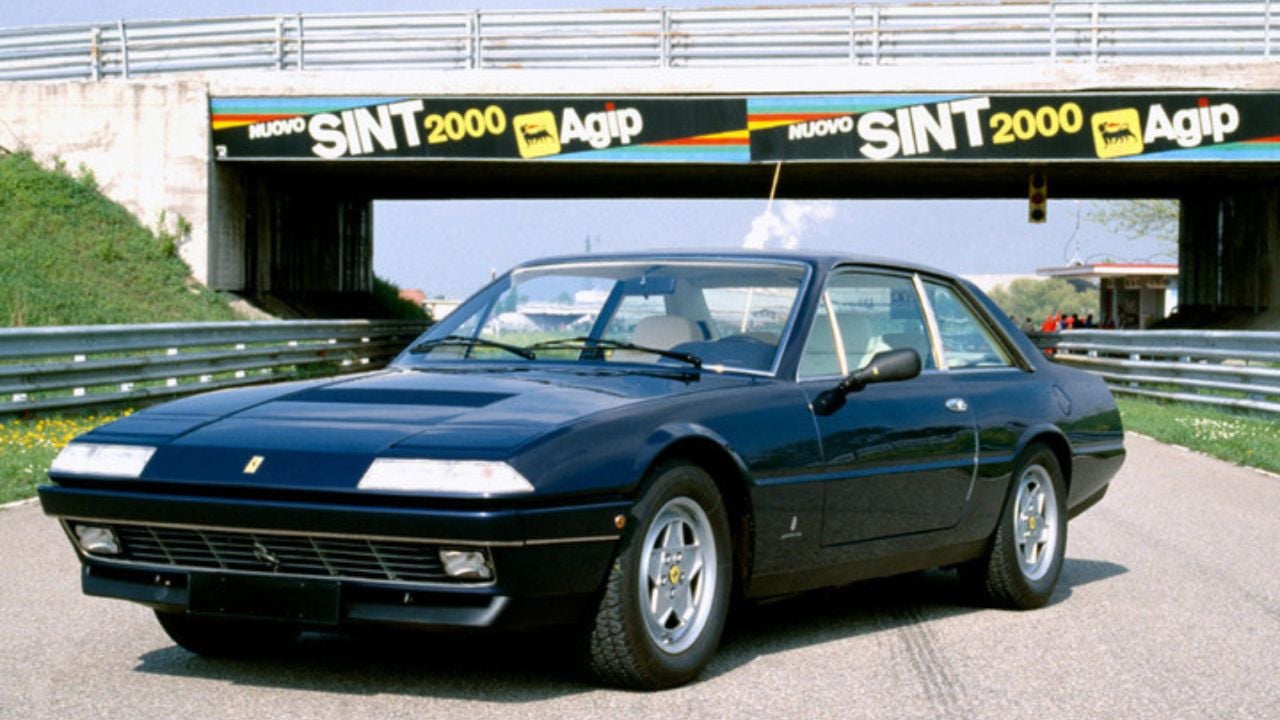
By the late 1970s, Ferrari understood that not every V12 customer wanted a mid-engine car or a demanding driving experience. The 400i was built for distance, comfort, and composure—an idea that felt almost radical at the time from Maranello. Its fuel-injected 4.8-liter V12 produced roughly 310 horsepower, paired to either a manual or an available automatic transmission.
The latter 412 refined the formula rather than reinventing it. Displacement increased to 4.9 liters, power climbed to around 340 horsepower, and the overall character remained calm, confident, and deliberately understated. These cars weren’t designed to chase lap times or drama; they were meant to cross countries quickly and quietly, with a Ferrari V12 doing precisely what it does best for hours at a time.
Ferrari Mondial (1980–1993)

The Mondial has long been defined by what it wasn’t, rather than what it was. Early versions used a 3.0-liter V8 producing just over 200 horsepower, prioritizing balance and drivability over outright speed. Later iterations—particularly the Mondial t—pushed output to 300 PS (about 296 hp) with a 3.4-liter engine and meaningful chassis improvements.
What made the Mondial unusual then still makes it unusual now: a true mid-engine Ferrari with four usable seats. It wasn’t a compromise so much as an experiment in expanding what a Ferrari could reasonably do, blending exotic layout with everyday usability in a way few manufacturers even attempted.
Ferrari 456 GT and 456M GT (1992–2003)
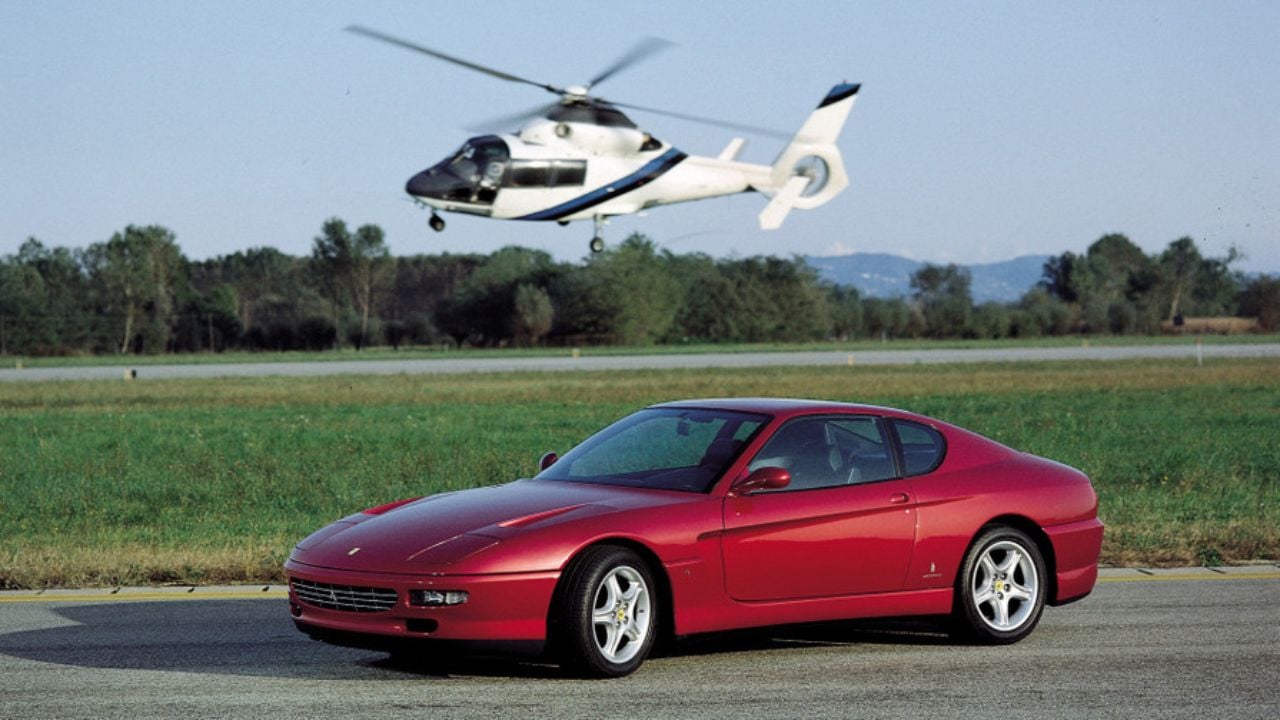
When the 456 arrived, Ferrari wasn’t trying to shock anyone. It was trying to refine the idea of a front-engine V12 grand tourer for a modern audience. The naturally aspirated 5.5-liter V12 produced around 436 horsepower, delivered with smoothness rather than aggression.
Capable of nearly 190 mph while comfortably seating four adults, the 456 focused on proportion, balance, and restraint. The latter 456M made subtle updates rather than bold changes, reinforcing the car’s role as a refined long-distance machine rather than a statement piece.
Ferrari 365 GT4 2+2 and 400 GT (1972–1979)
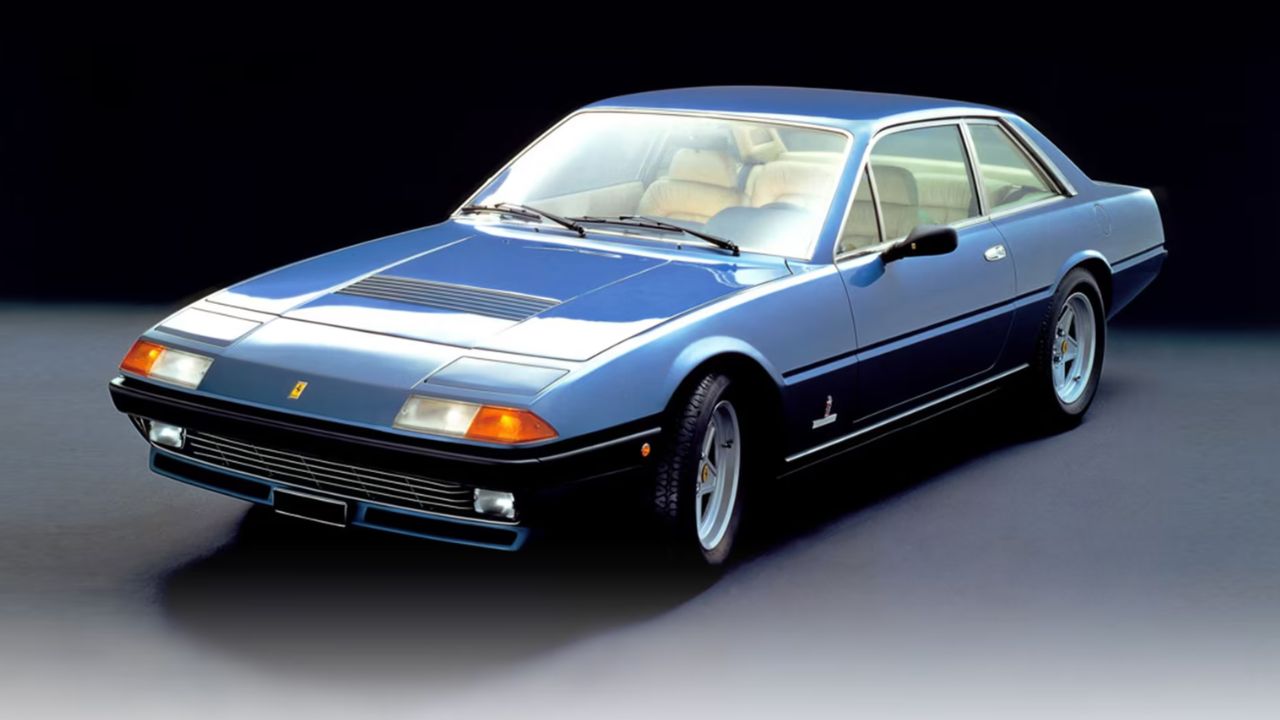
Ferrari’s move to Bertone styling in the early 1970s signaled a willingness to experiment. The sharp, angular design of the 365 GT4 2+2 and later the 400 GT stood apart from Ferrari’s softer lines, but the mechanical fundamentals remained intact.
Under the hood sat V12 engines ranging from 4.4 to 4.8 liters, producing roughly 330–340 horsepower depending on specification. These cars emphasized comfort, stability, and ease of use, introducing automatic transmissions and prioritizing real-world drivability at a time when Ferrari was expanding its customer base.
Ferrari 550 Barchetta Pininfarina (2000–2001)
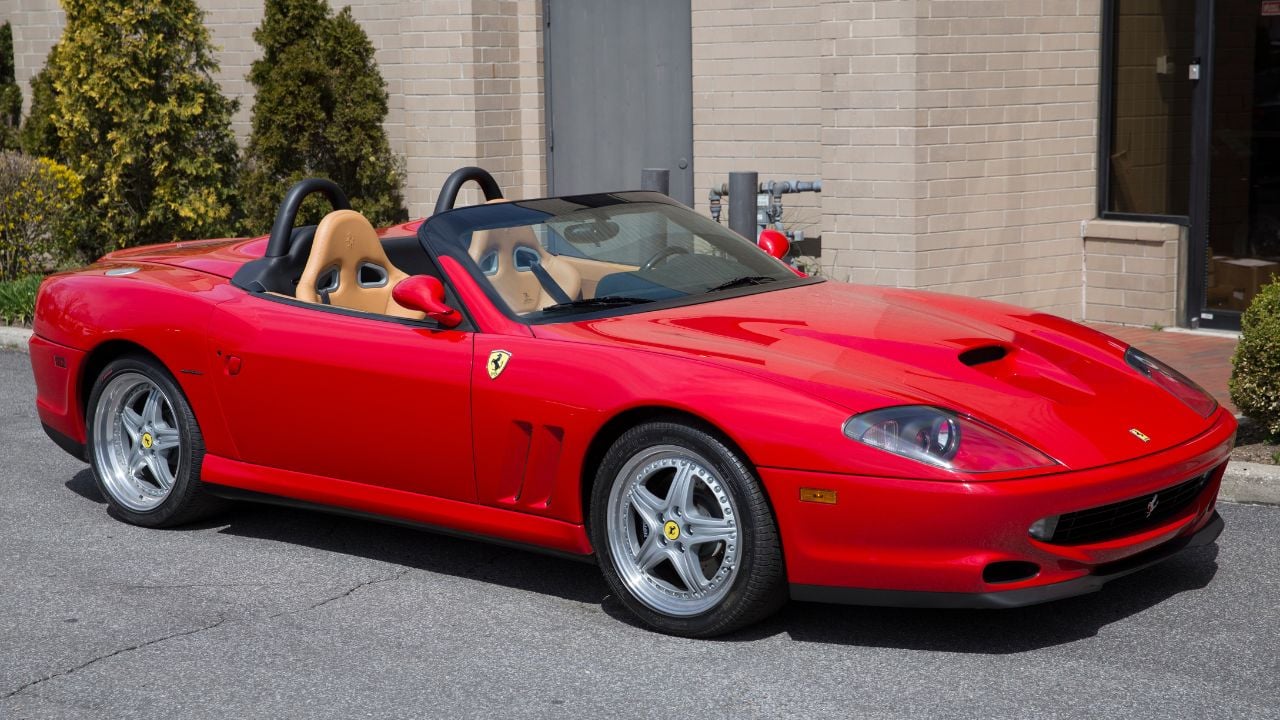
The 550 Barchetta was never meant to be practical. Built in just 448 examples, it was a deliberate throwback—a roofless interpretation of Ferrari’s front-engine V12 lineage, created to celebrate Pininfarina’s anniversary.
Powered by the same 5.5-liter V12 as the 550 Maranello, producing around 485 horsepower, the Barchetta focused on sensation rather than versatility. The minimalist tonneau cover and open cockpit made its intent clear: this was a car built for experience, not convenience.
Ferrari 330 GT 2+2 (1964–1967)
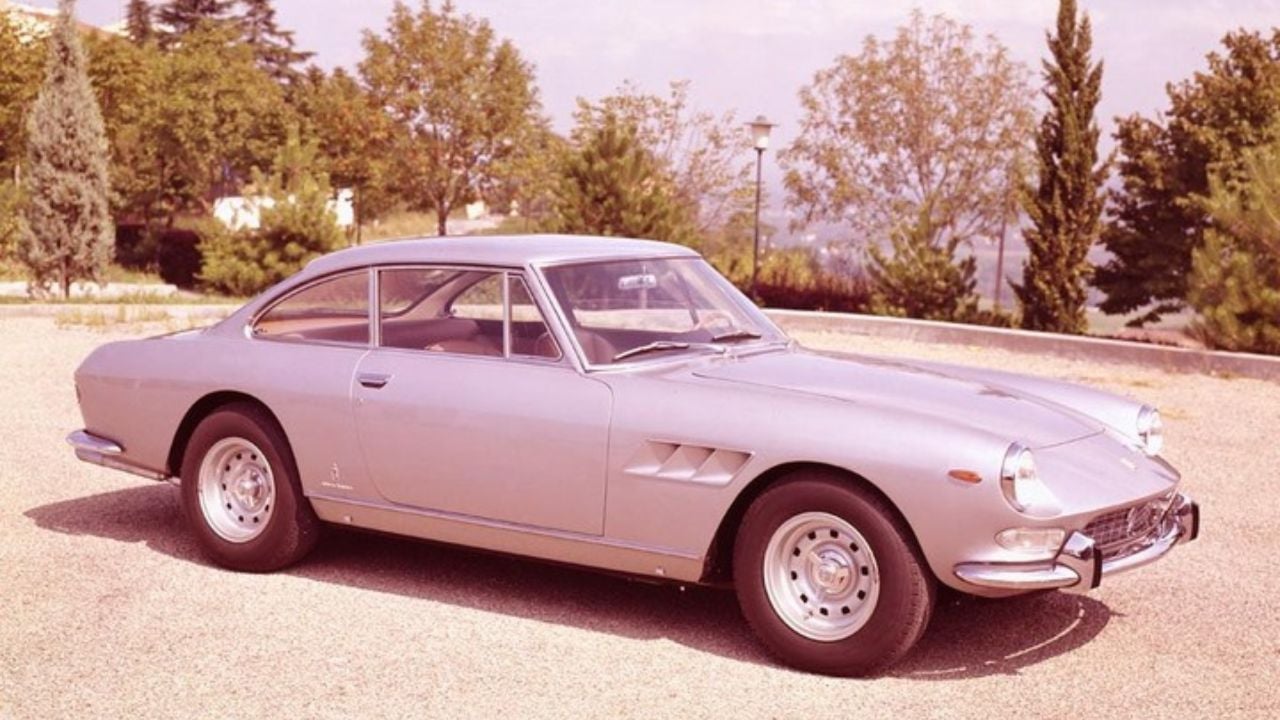
The 330 GT 2+2 represents Ferrari in transition. Its 4.0-liter Colombo V12 produced around 300 horsepower, offering strong performance while accommodating four passengers—an increasingly important consideration in the mid-1960s.
Early quad-headlight versions drew mixed reactions, but later revisions softened the design and refined the execution. Built in meaningful numbers by Ferrari standards of the era, the 330 GT 2+2 helped establish the idea that a Ferrari could be both fast and genuinely usable.
Ferrari 365 GTC (1968–1969)
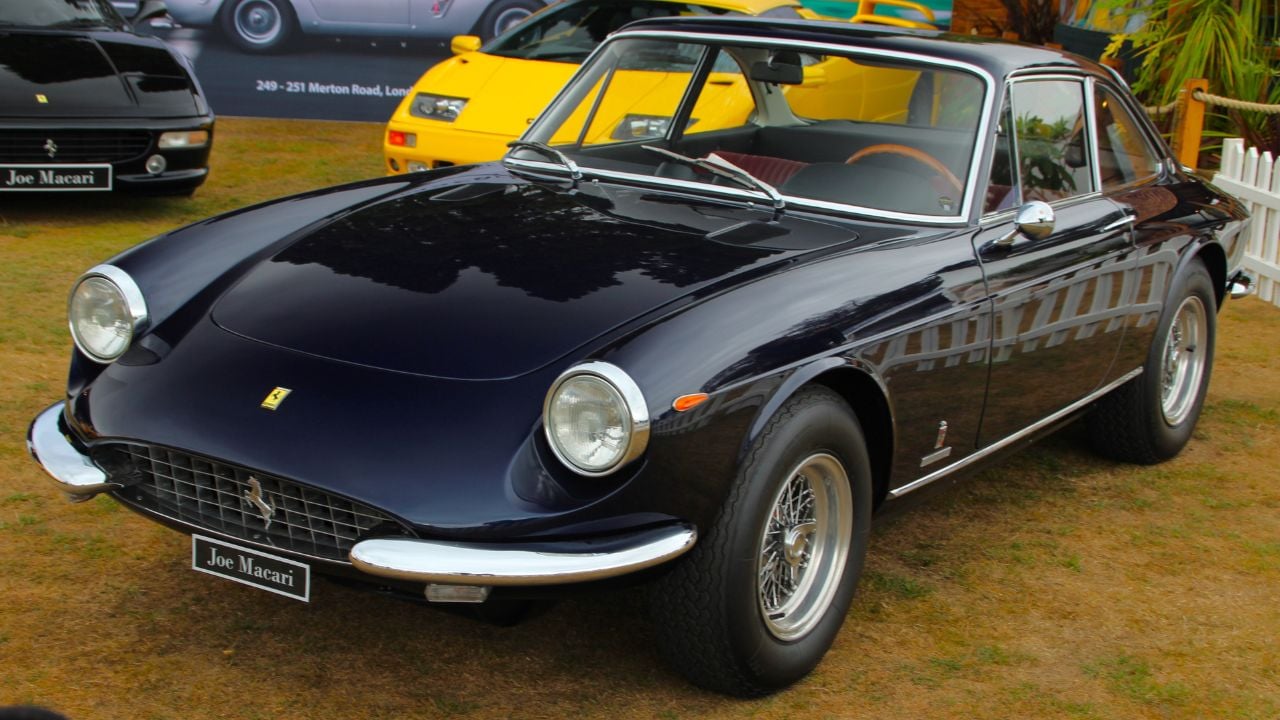
Produced in very limited numbers—168 examples—the 365 GTC was never intended to chase attention. Its 4.4-liter V12 produced roughly 320 horsepower, delivering performance on par with Ferrari’s more visible offerings of the period.
Elegant, restrained, and mechanically serious, the 365 GTC embodied Ferrari’s grand touring philosophy at its most subtle. It was a car for customers who valued refinement and discretion over spectacle.
Ferrari 612 Scaglietti (2004–2011)

The 612 Scaglietti was Ferrari’s most ambitious four-seat V12 grand tourer of the modern era. Its 5.7-liter V12 produced around 533 horsepower, wrapped in an aluminum chassis designed to reduce weight while increasing rigidity.
Despite its performance capability, the 612 emphasized comfort, space, and long-distance composure. It was engineered to be driven regularly and effortlessly, reflecting Ferrari’s continued belief that grand touring deserved the same technical seriousness as its sports cars.
Ferrari 365 California (1966–1967)
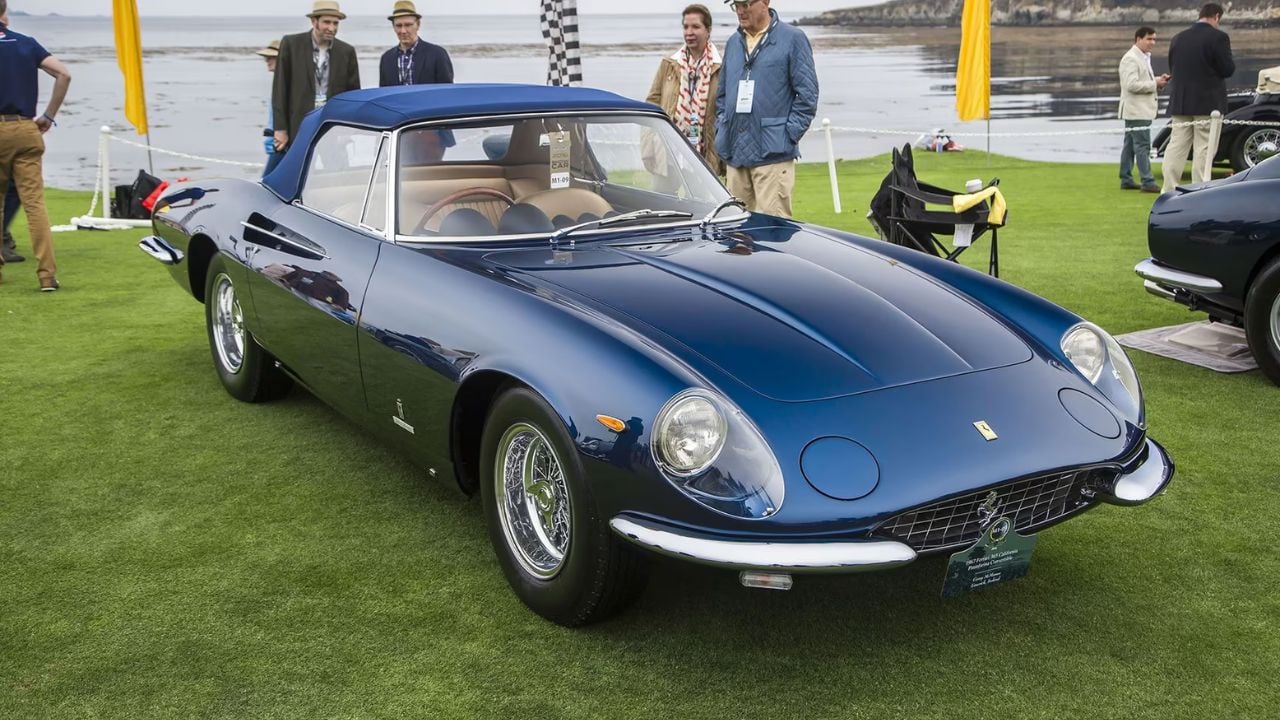
Built in just 14 examples, the 365 California was Ferrari’s final front-engine V12 spider for decades. Its 4.4-liter V12 produced around 320 horsepower, paired with understated styling and a clear focus on elegance rather than aggression.
Designed for a very specific clientele, the California was less about innovation and more about execution—proof that Ferrari could deliver exclusivity and refinement without excess.
Ferrari 330 GTC and 330 GTS (1966–1968)
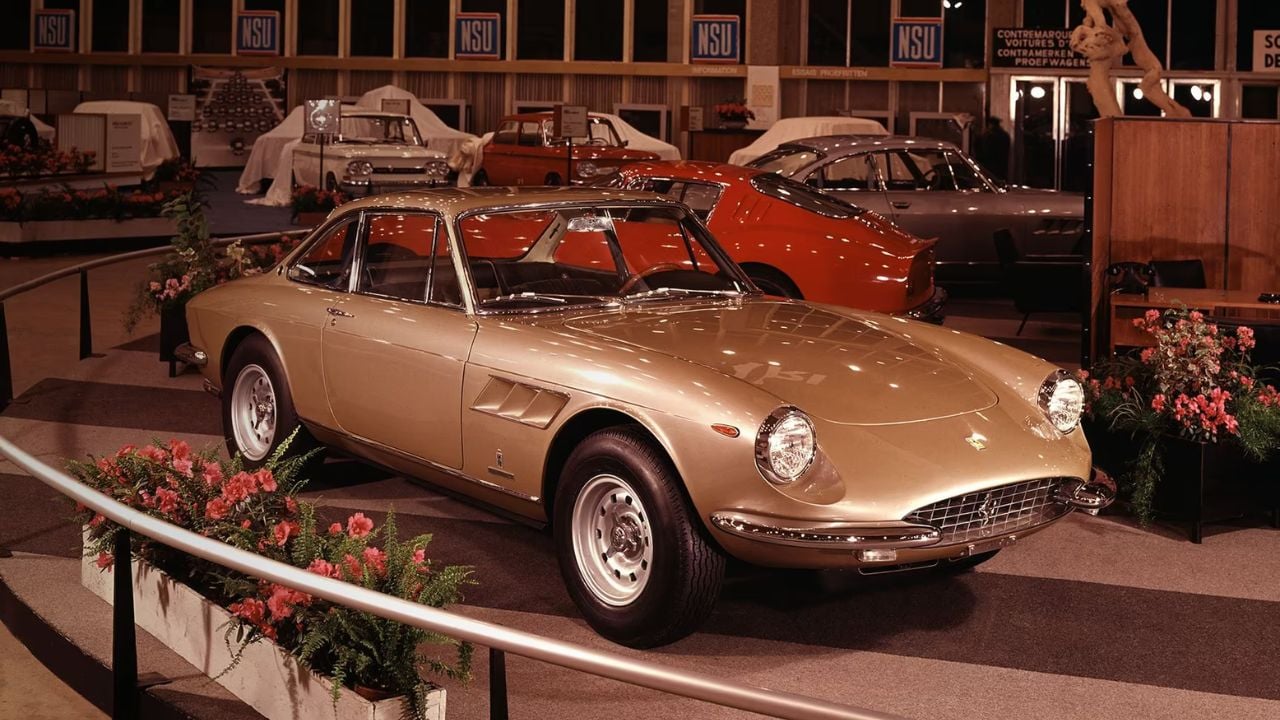
The 330 GTC coupe and GTS convertible offered a calmer alternative to Ferrari’s more overtly sporting models. Their 4.0-liter V12 engines produced around 300 horsepower, delivering smooth, predictable performance suited to long journeys.
These cars emphasized balance, comfort, and proportion, reinforcing Ferrari’s parallel commitment to grand touring alongside outright sports cars.
Ferrari 348 TB and TS (1989–1995)
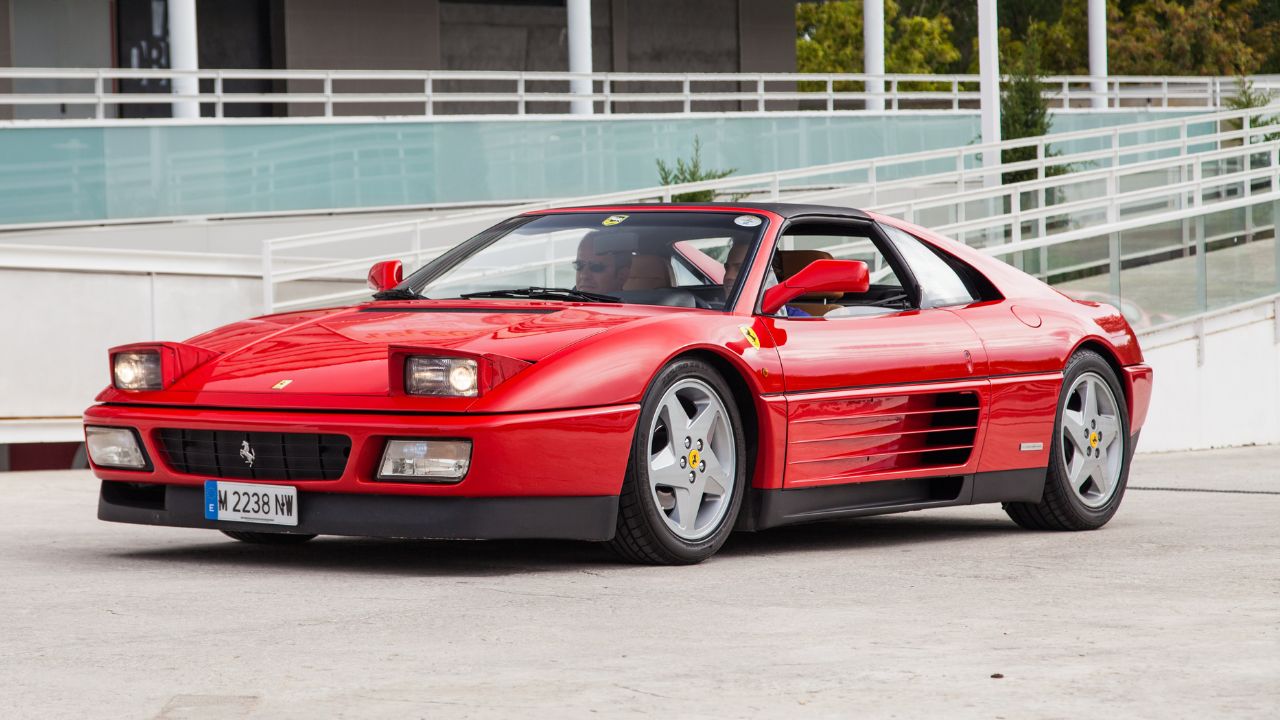
The 348 arrived at a difficult moment, tasked with replacing the much-loved 328 while introducing a more aggressive design language. Its 3.4-liter V8 produced around 296 horsepower, and the car adopted a more raw, uncompromising character.
Early criticism focused on handling and refinement, but the 348 was fundamentally a transitional car—bridging Ferrari’s analog past and its more modern, performance-driven future. Over time, its sharp edges have become part of its appeal.
Ferrari 400 Superamerica (1959–1964)
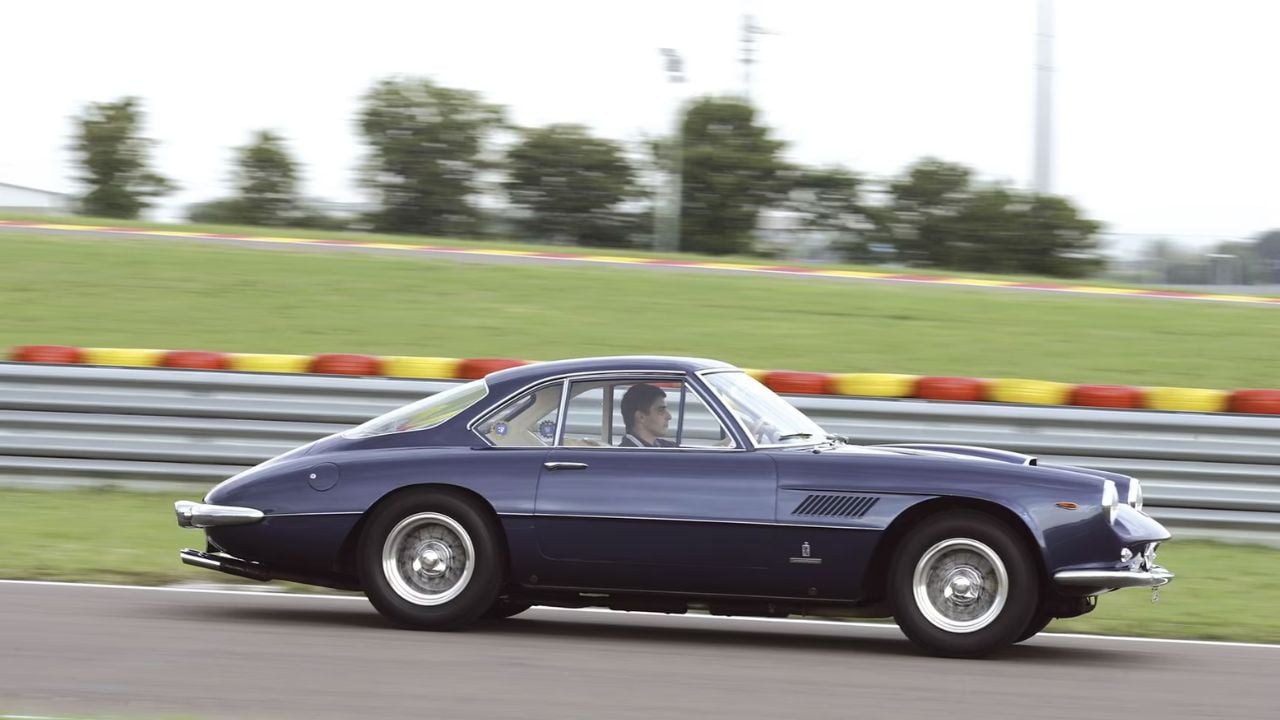
The 400 Superamerica represented Ferrari at its most exclusive. Fewer than 47 were built, each featuring bespoke coachwork tailored to individual clients.
Powered by a 4.0-liter V12 producing roughly 340 horsepower, these cars were statements of capability and prestige, designed for owners who wanted something unmistakably Ferrari without compromise.
Ferrari 365 GT4 BB and 512 BB (1973–1984)

Ferrari’s first mid-engine flat-12 road cars marked a turning point. The 365 GT4 BB introduced a 4.4-liter engine, while the later 512 BB increased displacement to just under 5.0 liters.
With wedge styling, pop-up headlights, and a true mid-engine layout, these cars established the architectural foundation Ferrari would build on for decades. They weren’t designed to be gentle or forgiving—they were statements of intent.
The Overlooked Prancing Horses
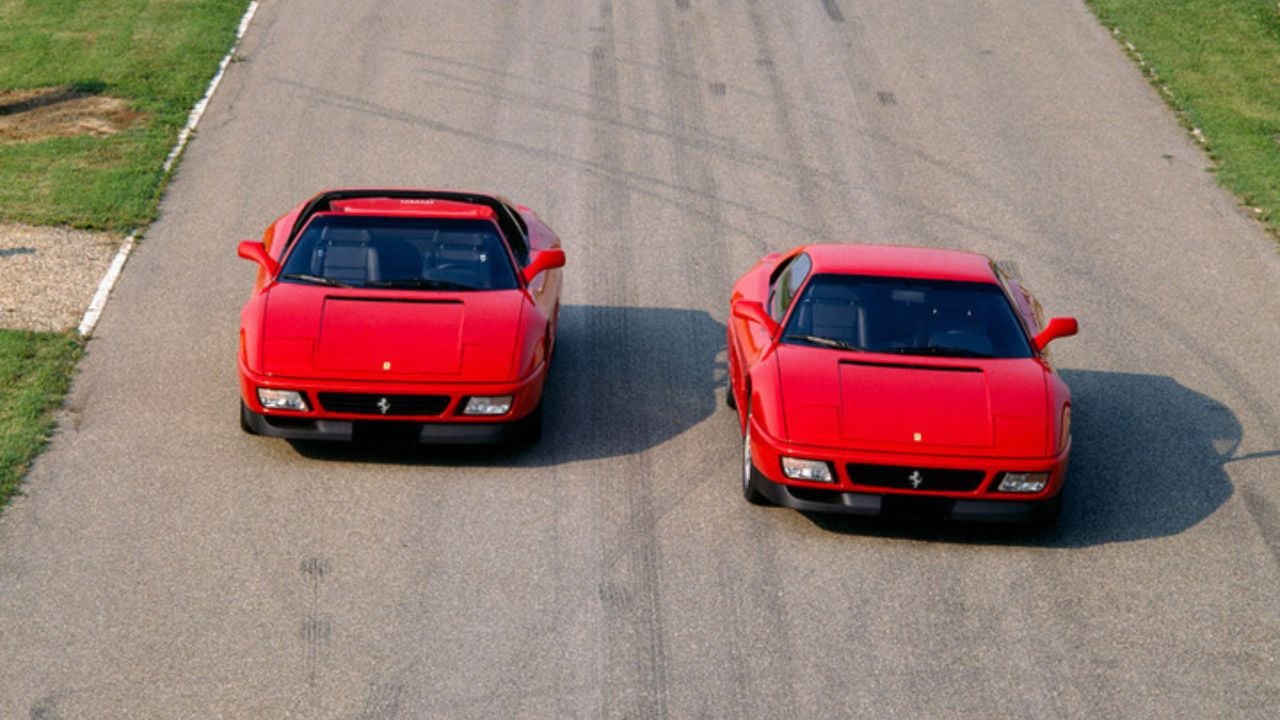
Ferrari’s history isn’t only defined by its loudest moments or most recognizable shapes. It’s built from cars that carried ideas forward, tested boundaries, and served customers whose priorities didn’t always align with mythology.
Seen in their own time, these Ferraris weren’t side notes. They were working expressions of what the brand believed mattered—performance, engineering, and identity—at that specific moment.
And that context, more than nostalgia or reputation, is what makes them worth revisiting.