
Electric vehicles have a weighty secret, and it’s not just their environmental impact. Thanks to battery packs that can tip the scales at over a ton, today’s EVs are crushing the competition in more ways than one.
The average EV weighs about 30% more than its gas-powered cousin, with batteries alone accounting for 1,000 to nearly 3,000 pounds of that heft. While that extra mass translates to instant torque and impressive acceleration, it also means these electric behemoths require beefier brakes, stronger suspensions, and a fundamental rethinking of vehicle dynamics.
From pickup trucks that weigh as much as some RVs to luxury SUVs tipping into three-ton territory, here are the 12 heaviest electric vehicles you can buy in 2025.
GMC Hummer EV Pickup – 9,063 Pounds

The GMC Hummer EV Pickup doesn’t just break records — it obliterates them. At 9,063 pounds, the Hummer EV Pickup is one of the heaviest electric vehicles ever built, weighing more than the original military Hummer H1 it spiritually succeeds.
That massive battery pack alone weighs 2,923 pounds, roughly the weight of a Honda Civic. Despite its four-and-a-half-ton curb weight, the tri-motor 3X trim rockets to 60 mph in just 3.3 seconds thanks to 1,000 horsepower and a mind-bending 11,500 lb-ft of torque.
The truck’s classification as a Class 3 medium-duty vehicle speaks volumes about just how seriously heavy this electric pickup really is.
Cadillac Escalade IQ – 9,134 Pounds

Cadillac’s all-electric flagship isn’t just heavy — it’s historically heavy. Testing has shown the Escalade IQ tipping the scales at 9,134 pounds, making it the heaviest passenger vehicle many automotive journalists have ever tested.
That enormous 205-kWh battery pack accounts for roughly 3,000 pounds of the total mass, yet it delivers an impressive 460 miles of range. With 750 horsepower in Velocity Max mode, the IQ manages a 4.6-second 0-60 sprint, which feels like defying the laws of physics when you’re piloting something that weighs as much as two large sedans.
GMC Hummer EV SUV – 8,600-9,000 Pounds
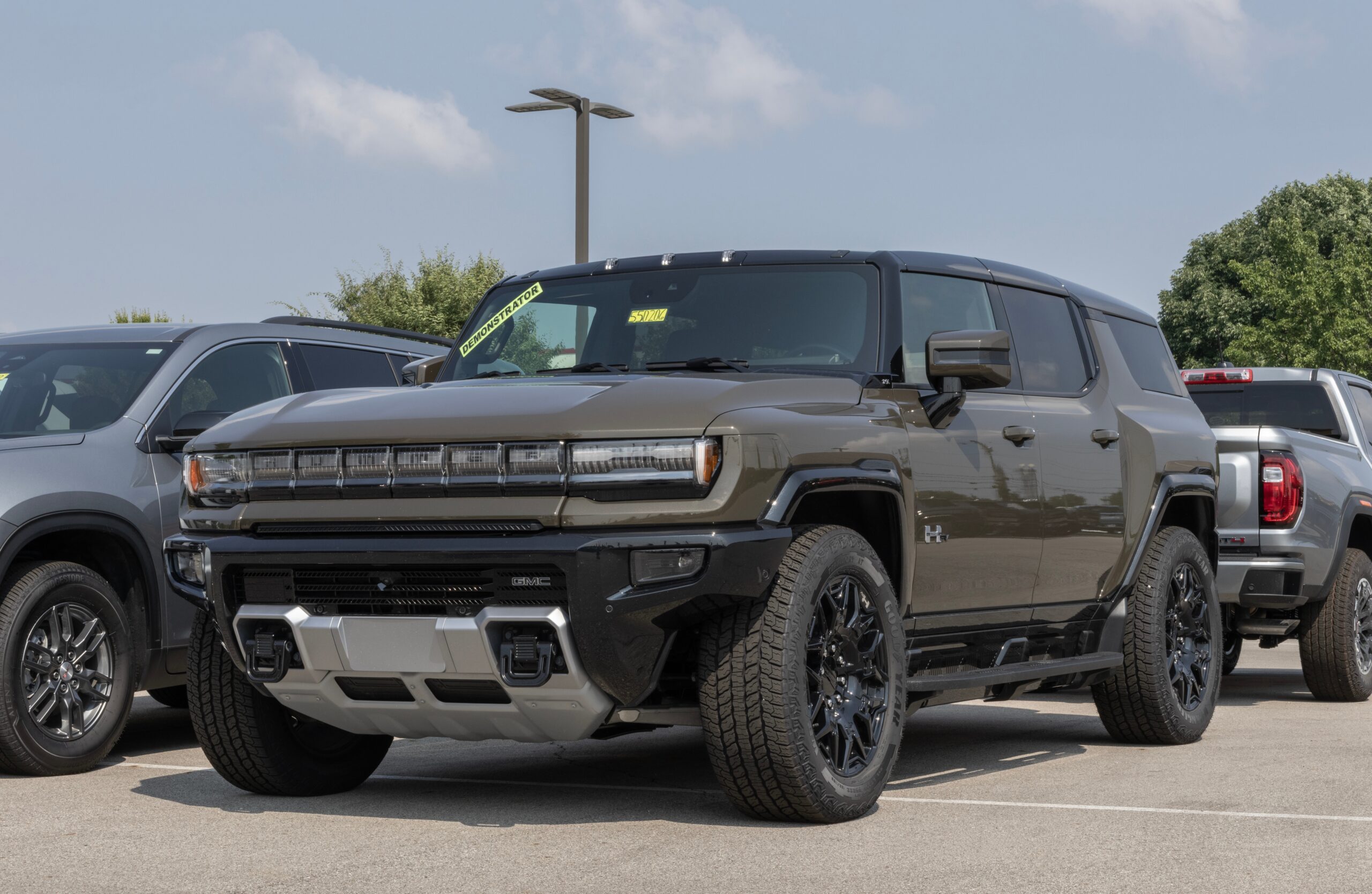
The SUV variant of the Hummer EV shaves a few hundred pounds off its pickup sibling, but it’s still an absolute unit. Depending on trim and options, curb weights range from 8,500 to 9,000 pounds.
The three-motor setup in the 3X trim produces 830 horsepower and manages a 3.5-second 0-60 time, which is genuinely impressive for something that could be mistaken for a small building.
The shorter wheelbase compared to the pickup improves maneuverability, but you’re still commanding nearly four and a half tons of American electric excess.
Rivian R1T (Quad Motor with Max Battery) – 7,148 Pounds

Rivian’s electric pickup truck is the David to the Hummer’s Goliath, but it’s still packing serious weight. The quad-motor R1T with the Max battery pack weighs in at 7,148 pounds, though dual-motor variants are considerably lighter.
What Rivian does brilliantly is leverage that weight for capability—the R1T excels in off-road situations where its mass provides stability and traction.
With up to 835 horsepower in the quad-motor configuration and a sub-3-second 0-60 time, it’s proof that heavy doesn’t have to mean sluggish.
Rivian R1S (Quad Motor with Max Battery) – 7,068 Pounds

The R1S SUV shares the R1T’s platform and most of its specs, weighing in slightly lighter at just over 7,000 pounds in its heaviest quad-motor configuration. The recent second-generation updates have actually improved efficiency despite the substantial mass, with the dual-motor Max battery variant achieving up to 410 miles of range.
Rivian’s fine-tuned drivetrain and precise wheel control make this one of the best-handling heavy EVs, whether you’re navigating city streets or tackling backcountry trails.
Tesla Cybertruck (Cyberbeast) – 6,843 Pounds

Tesla’s polarizing pickup brings stainless steel heft to the EV truck wars. The tri-motor Cyberbeast weighs 6,843 pounds, while the dual-motor AWD variant comes in at 6,603 pounds.
That ultra-hard 30X cold-rolled stainless steel exoskeleton accounts for much of the weight difference versus aluminum-bodied competitors. Despite the mass, the Cyberbeast is the quickest truck ever tested by some publications, hitting 60 mph in just 2.6 seconds.
The single-motor RWD version, coming later, should dip below 6,200 pounds.
Ford F-150 Lightning (Extended Range) – 6,015-6,893 Pounds

America’s best-selling truck goes electric, and the weight shows it. The F-150 Lightning ranges from 6,015 pounds for the base Pro trim to 6,893 pounds for fully loaded extended-range models.
That’s roughly 2,000 pounds heavier than a comparable gas F-150, with the 1,800-pound battery pack being the primary culprit. Despite being one of the “lighter” entries on this list, the Lightning still weighs more than many full-size SUVs.
Ford has done impressive engineering work to maintain the F-150’s legendary capability while managing that extra mass.
Mercedes-Benz EQS SUV (580 4MATIC) – 6,300 Pounds

Mercedes brings German luxury to the heavyweight EV segment with the EQS SUV. The top-tier 580 4MATIC weighs approximately 6,300 pounds, spread across a long wheelbase that provides exceptional interior space.
The 118-kWh battery pack enables up to 317 miles of range, while the 536-horsepower dual-motor setup propels this luxury hauler to 60 mph in 4.0 seconds — genuinely impressive for something weighing three-plus tons.
The available third-row seating adds versatility, though rear passengers better pack light.
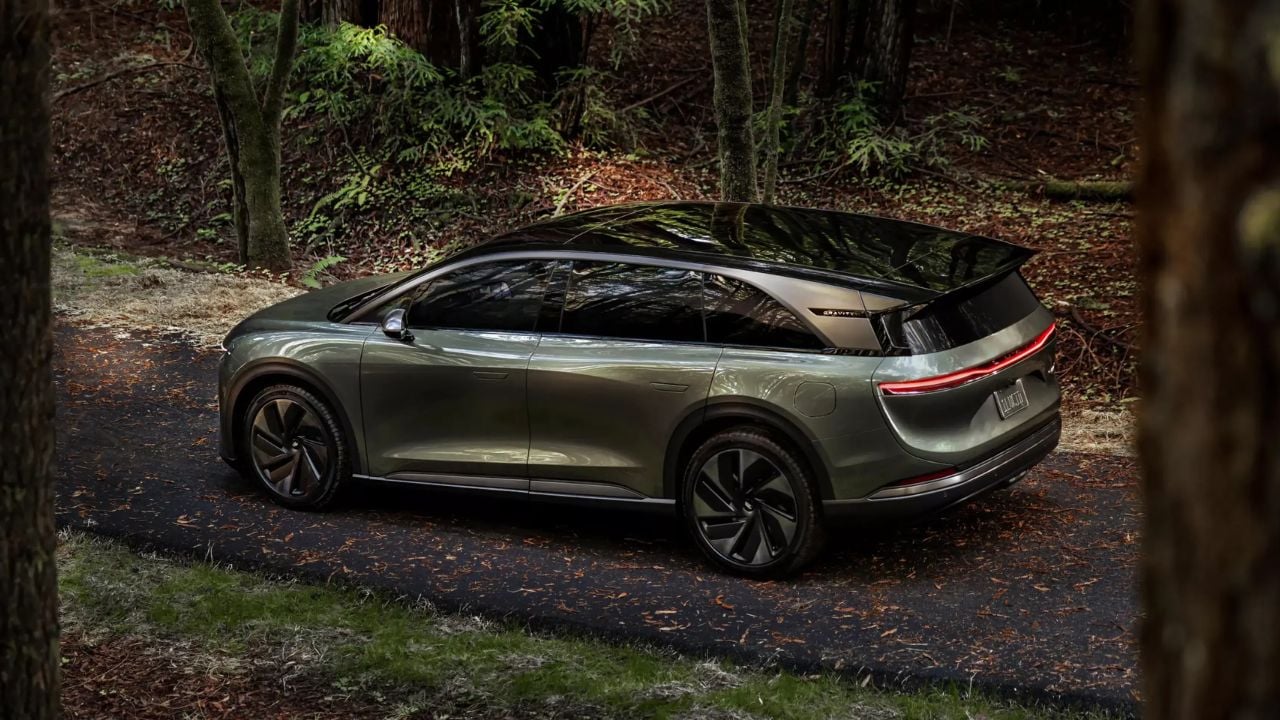
Lucid Gravity (Grand Touring) – 5,912 Pounds
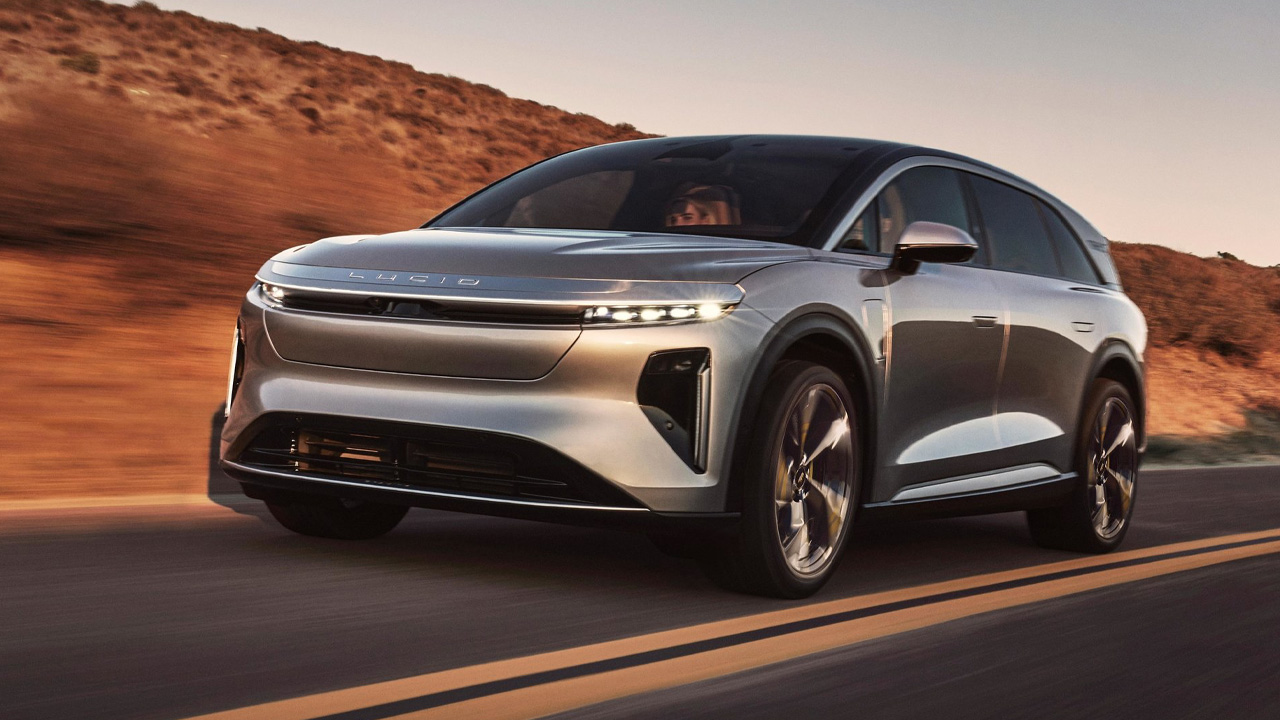
Lucid’s first SUV brings Silicon Valley efficiency to the luxury EV segment, though it’s still no lightweight. Testing shows the Grand Touring weighing 5,912 pounds, yet Lucid’s engineering wizardry means it doesn’t feel that heavy behind the wheel.
The Grand Touring model produces 828 horsepower and weighs about 5,900 pounds. It delivers a ~3.4-second 0–60 time, making it one of the quickest electric SUVs, though not quite as fast as the higher-performance Dream Edition.
Audi Q8 E-Tron – 5,798 Pounds

Audi’s flagship electric SUV tips the scales at 5,798 pounds in its base configuration. The 106-kWh usable battery capacity provides up to 285 miles of EPA-estimated range, though real-world highway testing shows closer to 240 miles.
The dual-motor AWD system produces 402 horsepower, delivering the refined, composed driving experience Audi customers expect. While it’s entering its final model year, the Q8 e-tron represents Audi’s learning curve in the EV space — valuable lessons that will inform future electric offerings.
Mercedes-Benz EQE SUV – 5,930 Pounds
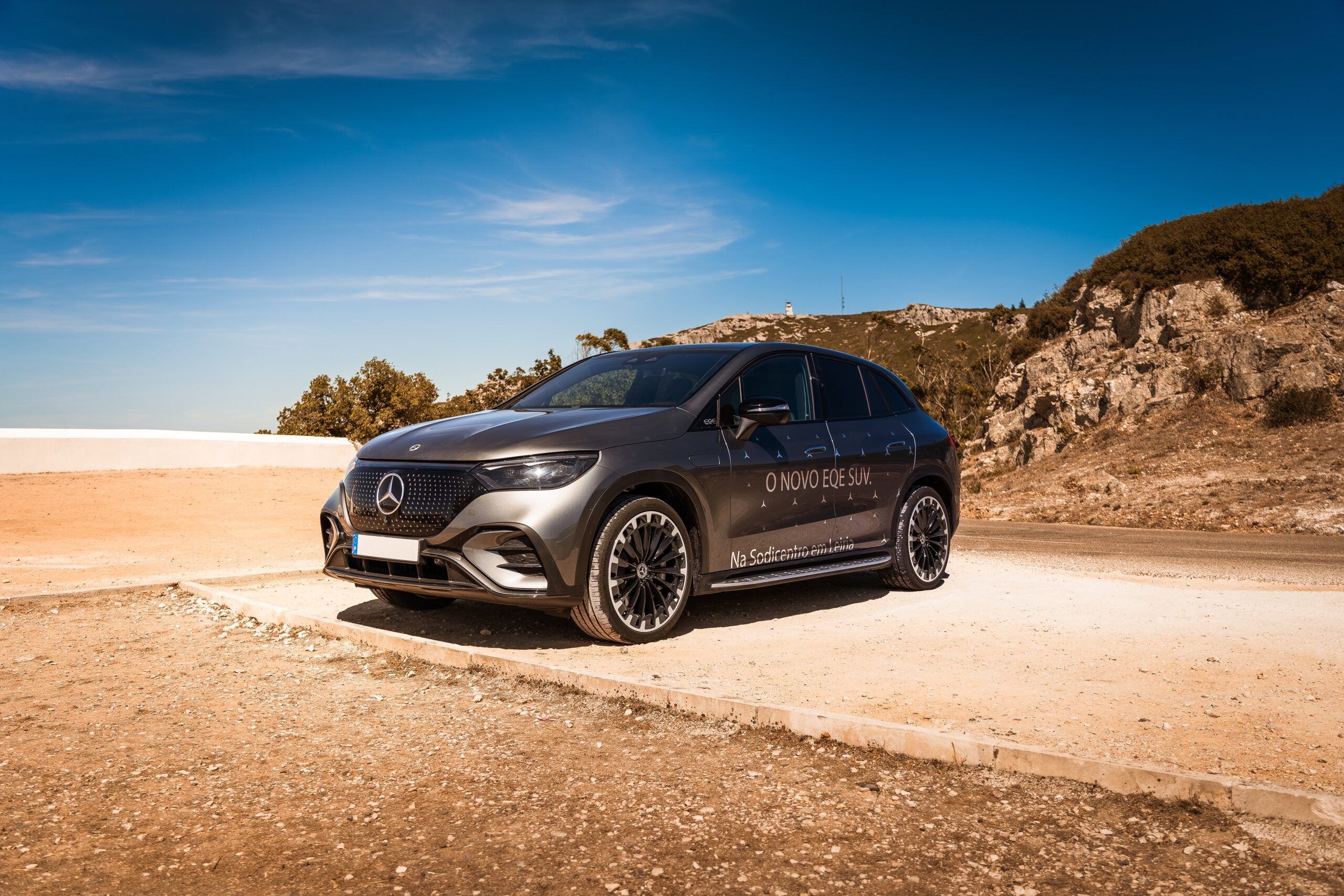
Rounding out our list is Mercedes’ mid-size electric SUV, the EQE. The EQE SUV’s curb weight ranges from about 5,400 pounds for the base models to around 5,930 pounds for the high-performance AMG trim. The 90.6-kWh battery provides respectable range, while various powertrain options span from 288 to 677 horsepower depending on trim.
The EQE SUV demonstrates that even “smaller” luxury electric SUVs are substantially heavier than their gas counterparts, with all the implications that brings for tire wear, brake life, and road infrastructure.
Conclusion
The electric revolution has brought us vehicles that are simultaneously more efficient and dramatically heavier than what came before. These 11 heavyweights represent the cutting edge of EV technology, where massive battery packs meet advanced engineering to deliver impressive performance despite scales-tipping weight.
While that extra mass brings challenges — longer stopping distances, increased tire wear, and infrastructure concerns — it also enables the instant torque and smooth power delivery that make EVs so compelling to drive. As battery technology evolves and energy density improves, future EVs may slim down while maintaining range and performance.
Until then, these electric titans prove that with enough engineering ingenuity, even a three-to-four-ton vehicle can feel nimble, quick, and thoroughly modern.