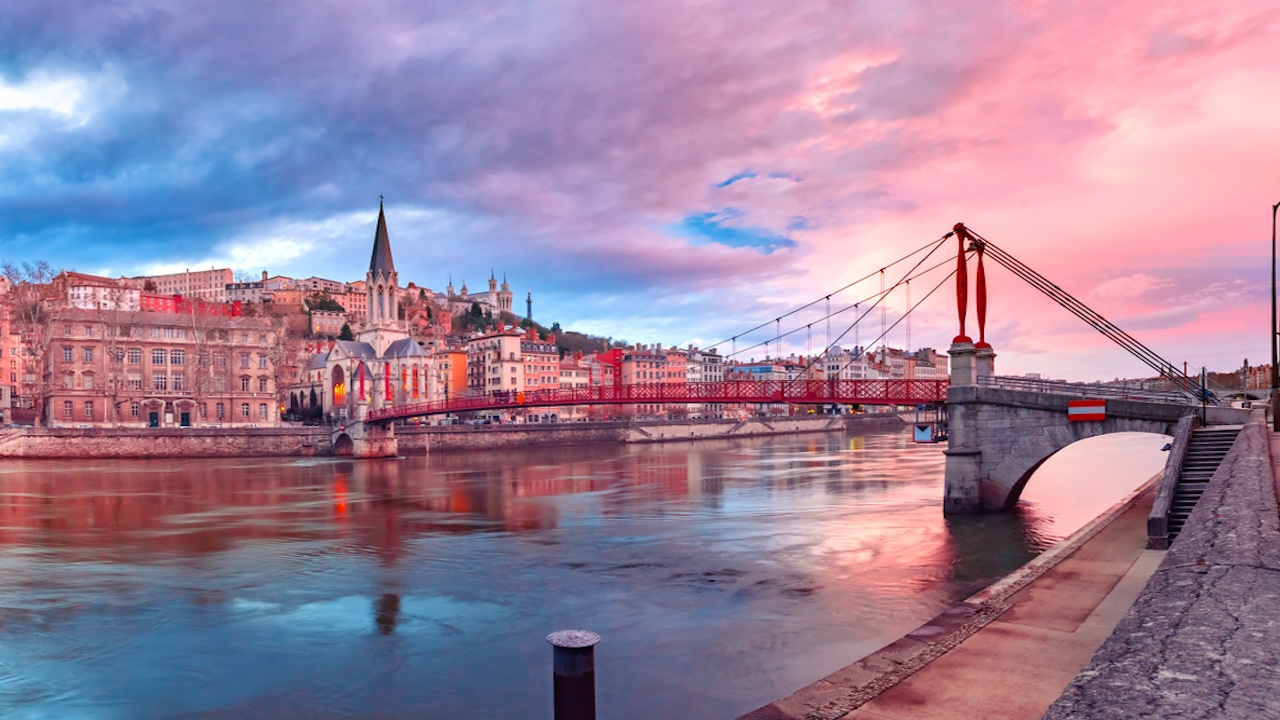
While millions of tourists flood the cobblestone streets of Paris each year, fighting for restaurant reservations and jostling for the perfect Eiffel Tower photo, savvy travelers are discovering France’s best-kept culinary secret just two hours south by train. Lyon, France’s gastronomic capital, offers everything Paris promises, exceptional cuisine, rich history, and undeniable charm, without the overwhelming crowds or inflated prices.
The Undisputed Food Capital of France
Lyon didn’t earn its reputation as France’s culinary heart by accident. This UNESCO World Heritage city boasts more restaurants per capita than anywhere else in the world, including a remarkable concentration of Michelin-starred establishments. While Parisians wait hours for trendy bistros, Lyon’s legendary bouchons, traditional taverns serving hearty Lyonnaise cuisine, welcome diners with open arms and reasonable prices.
These intimate restaurants, many family-run for generations, serve dishes that have defined French comfort food for centuries. Try the coq au vin, where local Beaujolais wine transforms humble chicken into something transcendent, or savor andouillette sausages that showcase the city’s mastery of charcuterie. The famous quenelles de brochet, delicate pike dumplings swimming in rich crayfish sauce, represent Lyon’s ability to elevate simple ingredients into culinary art.
A Tale of Two Markets
While Paris’s markets have become tourist spectacles with prices to match, Lyon’s markets remain authentically French. Les Halles de Lyon Paul Bocuse, the city’s covered food market, offers an unparalleled selection of regional specialties without the circus atmosphere of Parisian food halls. Here, local vendors share cooking tips in French while offering tastes of their artisanal cheeses, fresh produce, and house-made charcuterie.
The difference becomes even more pronounced in Lyon’s neighborhood markets. The Saturday market at Quai Saint-Antoine stretches along the Saône River, where locals shop for their weekly provisions amid displays of seasonal vegetables, locally-caught fish, and flowers. It’s France as the French actually live it, not as tourism boards package it.
Architectural Beauty Without the Selfie Sticks

Lyon’s Renaissance and medieval architecture rivals anything Paris offers, yet visitors can actually appreciate it without navigating through crowds. The traboules, hidden passageways threading through the city’s silk-weaving district, create a secret network of Renaissance courtyards and galleries that remain blissfully undiscovered by most tourists.
Vieux Lyon, the largest Renaissance neighborhood in Europe, unfolds along narrow cobblestone streets where every building tells a story of merchant wealth and architectural innovation. Unlike the Marais district in Paris, where tour groups dominate the sidewalks, Vieux Lyon maintains its residential character. Locals still hang laundry from medieval windows and chat with neighbors in Italian-influenced courtyards.
The Price of Authenticity
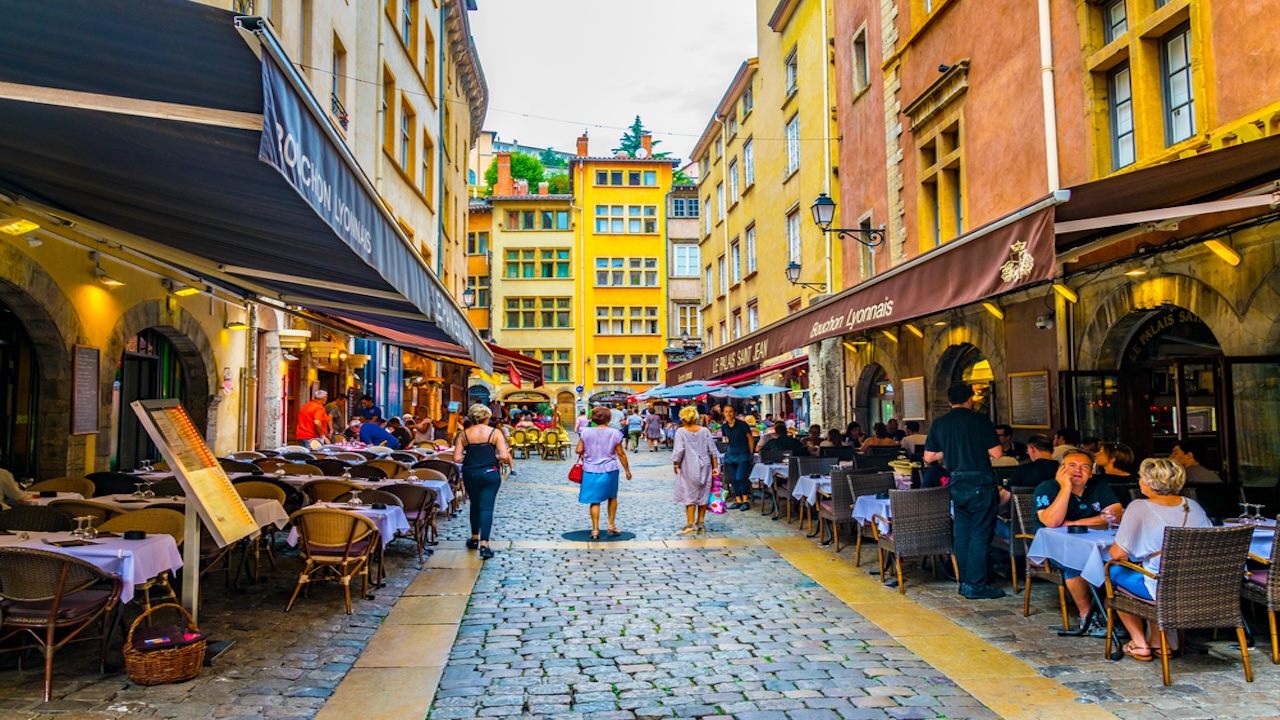
The financial contrast between Lyon and Paris becomes immediately apparent. A traditional three-course meal at a quality bouchon costs roughly half what you’d pay for comparable food in Paris, while wine, produced in the surrounding Beaujolais and Côtes du Rhône regions, arrives at your table without the markup that defines Parisian dining.
Accommodation follows the same pattern. Lyon’s boutique hotels and charming bed-and-breakfasts offer character and service that would cost double in the capital. Many occupy converted silk merchants’ mansions, providing historical atmosphere that no modern Parisian hotel can match.
Beyond the Plate
Lyon’s cultural offerings extend far beyond its restaurants. The Musée des Beaux-Arts houses one of France’s finest collections of European paintings, from ancient works to modern masters, typically with rooms to yourself rather than the shoulder-to-shoulder viewing experience that defines the Louvre. The contemporary art scene thrives in converted silk factories and warehouse spaces, creating an authentic artistic community rather than tourist-focused galleries.
Evening entertainment reveals another advantage over Paris. Lyon’s opera house, intimate jazz clubs, and wine bars cater to locals rather than visitors, creating genuine cultural experiences rather than tourist shows. The city’s famous Festival of Lights each December transforms Lyon into a magical wonderland without the commercial overtones that define Parisian holiday celebrations.
Getting There and Getting Around
High-speed TGV trains connect Lyon to Paris in just two hours, making it an easy escape from the capital’s chaos. Within Lyon, an efficient metro system and pedestrian-friendly old town eliminate the transportation hassles that plague Paris visitors. Most attractions lie within walking distance of each other, and the city’s compact size means you can experience multiple neighborhoods in a single day.
Lyon represents what many travelers seek in France but rarely find in Paris anymore: authentic cuisine, reasonable prices, genuine local culture, and the space to actually enjoy it all. While Paris battles over-tourism and loses its soul to commercialization, Lyon maintains the France that first captured the world’s imagination, a place where food, culture, and daily life create something approaching perfection.
For travelers willing to venture beyond the obvious, Lyon offers everything that made us fall in love with France in the first place, just without having to fight for it.