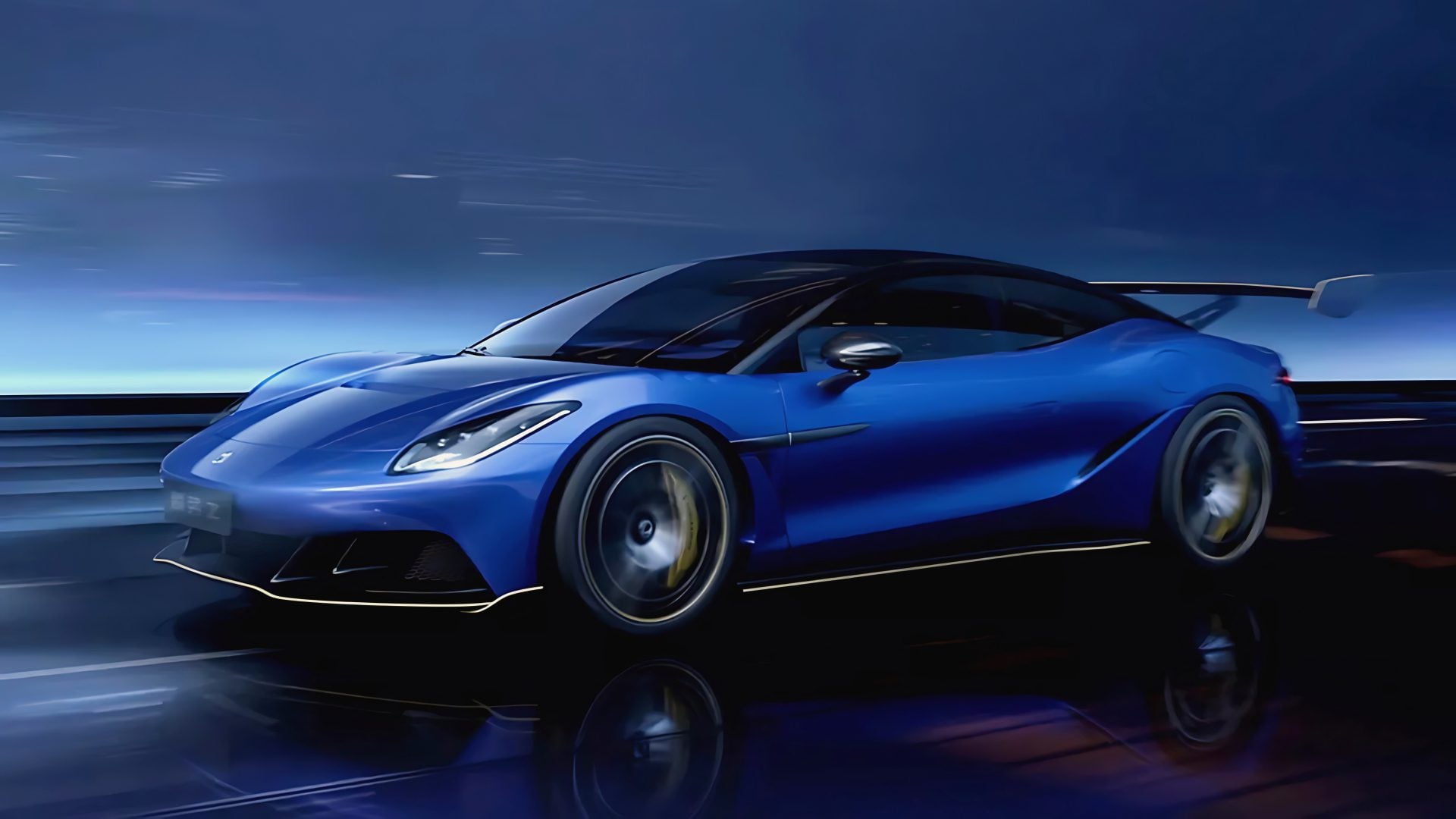
Another day, another automaker racing to the Nürburgring to shave milliseconds off a lap time that approximately nobody shopping for a car actually cares about. This time it’s BYD’s premium brand Denza, prepping its Z sports car for a timed run around Germany’s infamous “Green Hell”.
Because apparently, what the world needs right now is more press releases about track records.
Don’t get me wrong — the Denza Z looks properly interesting. It’s a compact two-door that channels serious Porsche 911 energy, packs around 536 horsepower, and supposedly hits 62 mph in 3.2 seconds. It’s loaded with tech like steer-by-wire and BYD’s fancy suspension wizardry. At Denza’s recent event, they even picked three lucky audience members to fly to Germany and watch the lap attempt. Fun stuff, right?
Here’s the thing though: When was the last time you heard someone at a car show or at work say, “Yeah, I bought this because it did a 7:38 around the ‘Ring?'”
The Lap Time Nobody Asked For

BYD has been aggressively building its performance credentials lately. Their Yangwang U9 Xtreme hypercar — a 3,000-horsepower electric monster — already set an EV lap record at the Papenburg track and hit a verified 294 mph. That’s genuinely impressive engineering. It also has absolutely nothing to do with what 99.9% of car buyers need or want.
The automotive industry has developed a strange obsession with Nürburgring lap times as the ultimate validation of a vehicle’s worth. Manufacturers spend millions developing cars to go fast around one specific 12.9-mile circuit in Germany, then blast those numbers across every press release and commercial like they’re selling track days instead of transportation.
But here’s what actual buyers care about: Does the infotainment system work without making me want to throw my phone out the window? Will the seats still be comfortable after two hours? Can I fit a week’s worth of groceries in the trunk? Does it have enough cup holders? Will it start reliably in February?
What People Really Want

Talk to anyone shopping for a car — even an enthusiast shopping for something sporty — and their priorities rarely include lap times. They want something that feels good to drive on their favorite back road. They want decent visibility and intuitive controls. They want a car that doesn’t nickel-and-dime them with repairs or strand them with electrical gremlins.
A Mazda Miata is one of the most beloved sports cars ever made, and it’s never set any records except maybe “most smiles per dollar.” A Toyota 4Runner is slower than dial-up internet and handles like a refrigerator on stilts, yet people wait months to buy them because they’re bulletproof and actually useful. The Honda Civic Si won’t trouble any supercars, but it delivers genuine driving enjoyment for the price of a loaded Camry.
These cars succeed because they understand what matters: real-world usability, reliability, and the kind of character that makes you actually want to drive them, not because some professional driver lapped the Nordschleife in X minutes and Y seconds.
The Performance Theater Problem

The lap time obsession has created a weird performance theater where automakers chase bragging rights that don’t translate to anything meaningful for customers. Sure, a Nürburgring record proves your engineers know their stuff. It demonstrates serious capability. But it’s also a solution in search of a problem.
When was the last time you took your daily driver to a track, let alone to the Nürburgring? For most people, the answer is never. The closest most sports cars get to being driven hard is the occasional on-ramp merge or spirited drive through the hills. Nobody’s navigating the Karussell on their commute.
Even genuine track enthusiasts — the tiny minority who actually do track days — care more about how a car behaves over multiple laps, how expensive the consumables are, and whether it’s fun to drive at seven-tenths than what a professional driver can squeeze out of it on fresh tires.
A Different Kind of Bragging Rights
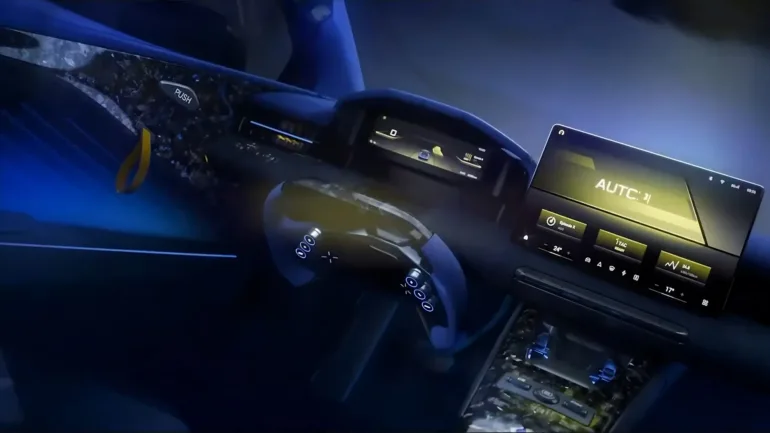
Here’s what would actually impress buyers:
- “Our seats are still comfortable after 200,000 miles.”
- “Our infotainment system doesn’t require a software update to function correctly.”
- “Our door handles don’t freeze shut in winter.”
- “The parts are reasonably priced and the car doesn’t fall apart.”
Imagine a press conference where an executive steps up and says, “We’re not going to the Nürburgring. Instead, we spent that money making sure the cup holders actually hold cups, the USB ports don’t randomly stop working, and the paint doesn’t chip if you look at it funny.” The enthusiast community would go wild.
BYD has built an impressive global reputation making practical, affordable electric vehicles and plug-in hybrids that people actually want to buy. That’s the hard part. The Nürburgring stuff is just marketing theater — expensive, flashy, and ultimately disconnected from what makes a good car good.
The Bottom Line
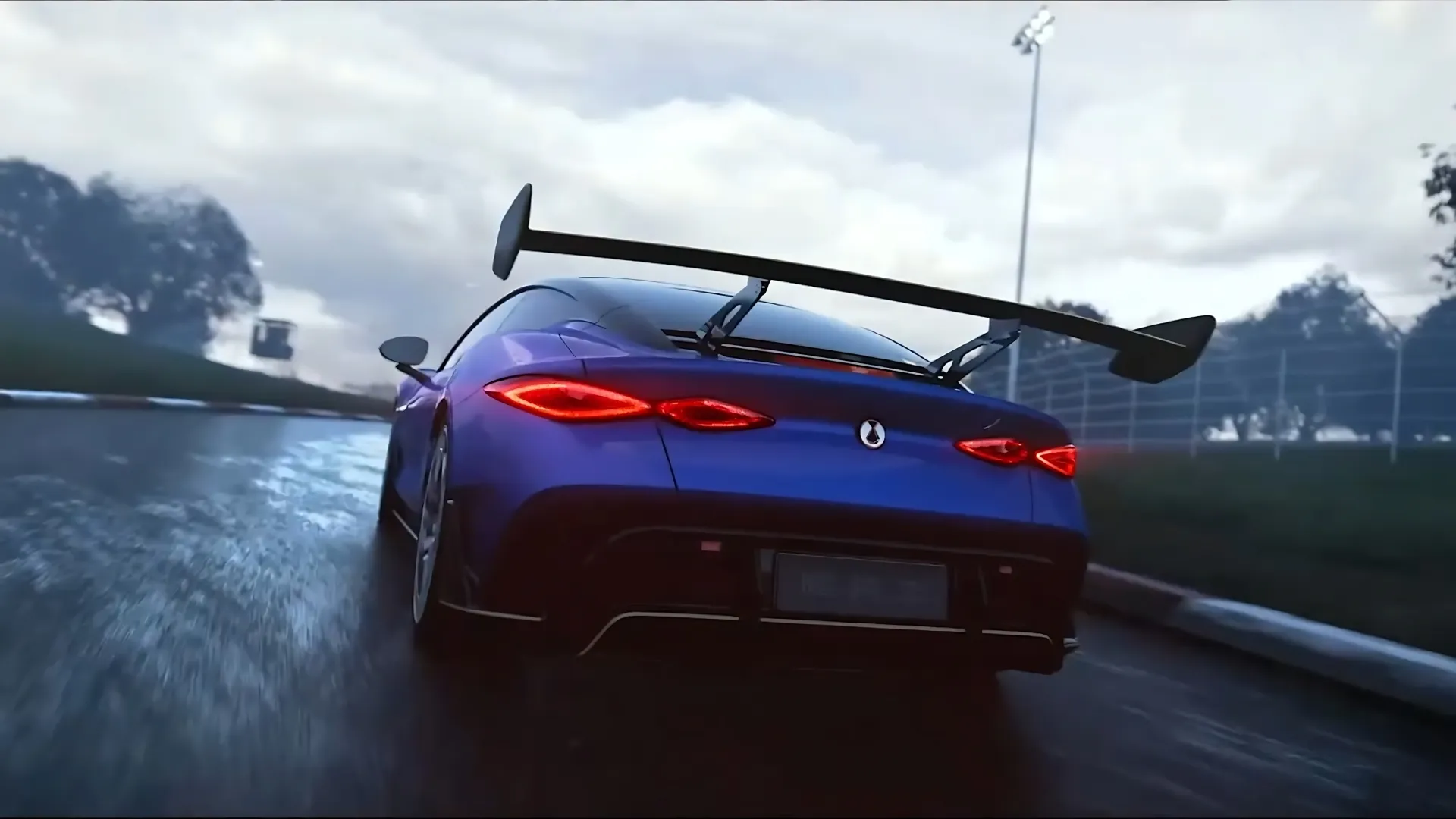
Don’t misunderstand: there’s nothing wrong with engineering excellence or building genuinely fast cars. The problem is when lap times become the primary marketing message, as if shaving three seconds off a track record somehow makes a car better at doing car things.
The Denza Z might turn out to be genuinely excellent. It certainly has the specs and technology to be interesting. But whether it sets a lap record or not has virtually nothing to do with whether it’ll be a good car for the people who might actually buy one.
Maybe it’s time for automakers to chase a different kind of record: most reliable, most practical, most enjoyable for everyday driving, best value. You know, the stuff people actually care about when they’re dropping tens of thousands of dollars on a vehicle.
Until then, we’ll keep getting breathless press releases about lap times that matter to approximately nobody outside the marketing departments writing them. And somewhere, a Honda Accord will quietly ferry another family of four in complete comfort for another 200,000 miles without anyone caring what it could do around the Nordschleife.
Because that’s what actually matters.