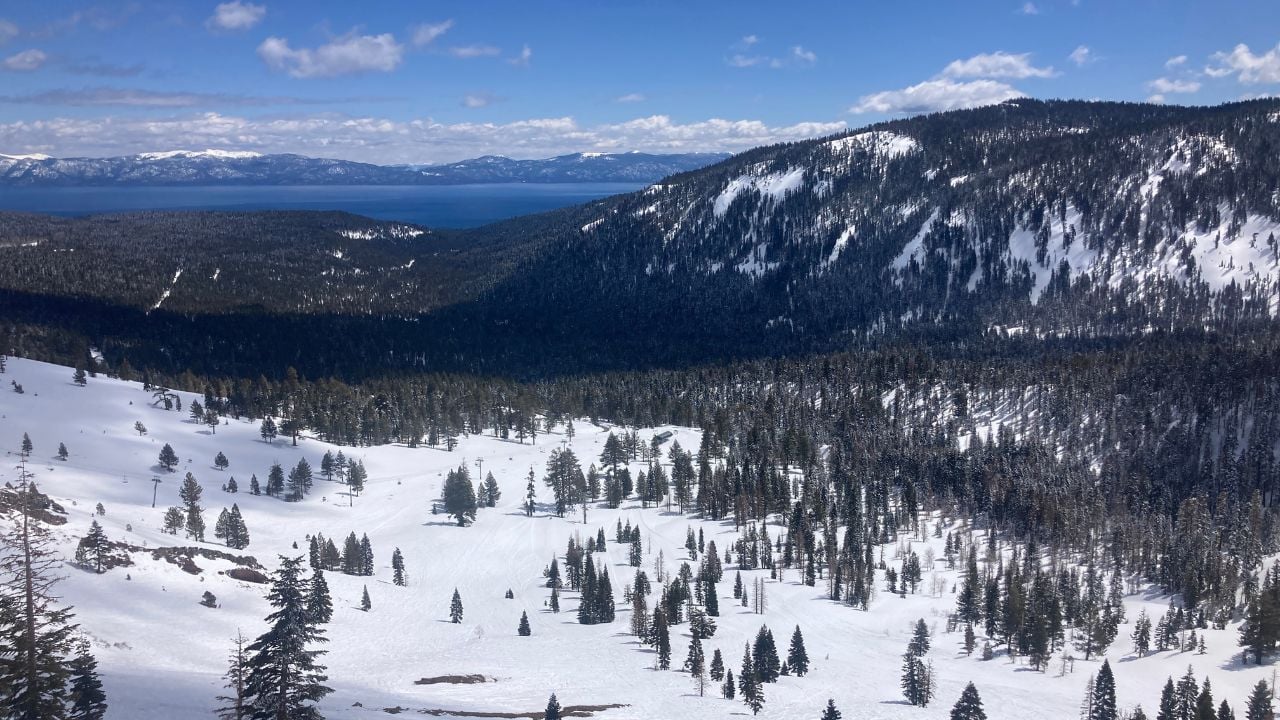
The United States is home to some of the world’s most celebrated natural wonders, with the Grand Canyon and Yellowstone often topping the list of iconic destinations. Beyond those famous parks lies a vast collection of equally breathtaking landscapes, places that boast towering cliffs, otherworldly rock formations, roaring waterfalls, and untouched wilderness that stirs the soul. These destinations may not always get the same global spotlight, but they deliver the same level of awe, beauty, and geological drama that travelers seek when exploring America’s great outdoors.
From remote desert canyons to lush mountain valleys and vibrantly colored lakes, the country is full of hidden masterpieces waiting to be discovered. Many of these locations offer a calmer, more intimate experience compared to their world-famous counterparts, allowing visitors to connect deeply with nature without the crowds.
Whether you crave hiking, photography, wildlife encounters, or simply jaw-dropping scenery, these 20 American gems rival the grandeur and wonder of the Grand Canyon and Yellowstone, and deserve a place on every adventurer’s bucket list.
Canyonlands National Park, Utah
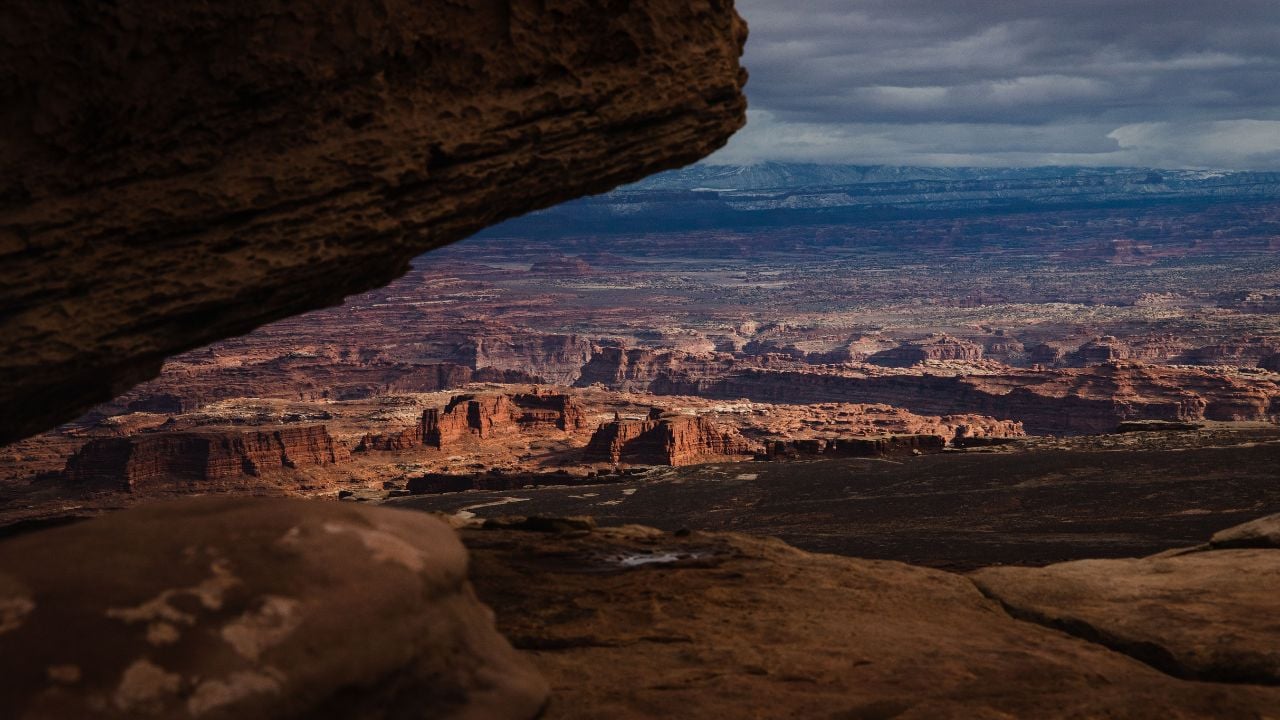
Canyonlands is often overshadowed by more famous parks, but its immense labyrinth of canyons, mesas, and sandstone cliffs offers views every bit as dramatic as the Grand Canyon. The Island in the Sky district provides sweeping vistas that seem to stretch endlessly toward the horizon. At sunrise and sunset, the canyon walls glow with deep oranges and reds, showcasing nature’s grand artistry.
Up close, the park reveals a rugged, wild landscape shaped by the Colorado and Green Rivers. Visitors can explore towering rock pinnacles, hidden arches, and remote backcountry routes that feel untouched and ancient. The Needles district, with its spires of colorful sandstone, offers some of the most unique hiking terrain in the Southwest.
For those seeking solitude, Canyonlands delivers. Large sections of the park feel remote and isolated, giving travelers the chance to stand in complete silence surrounded by geological grandeur. For many adventurers, this park rivals, and often surpasses, the sense of scale and mystery found at the Grand Canyon.
Glacier National Park, Montana
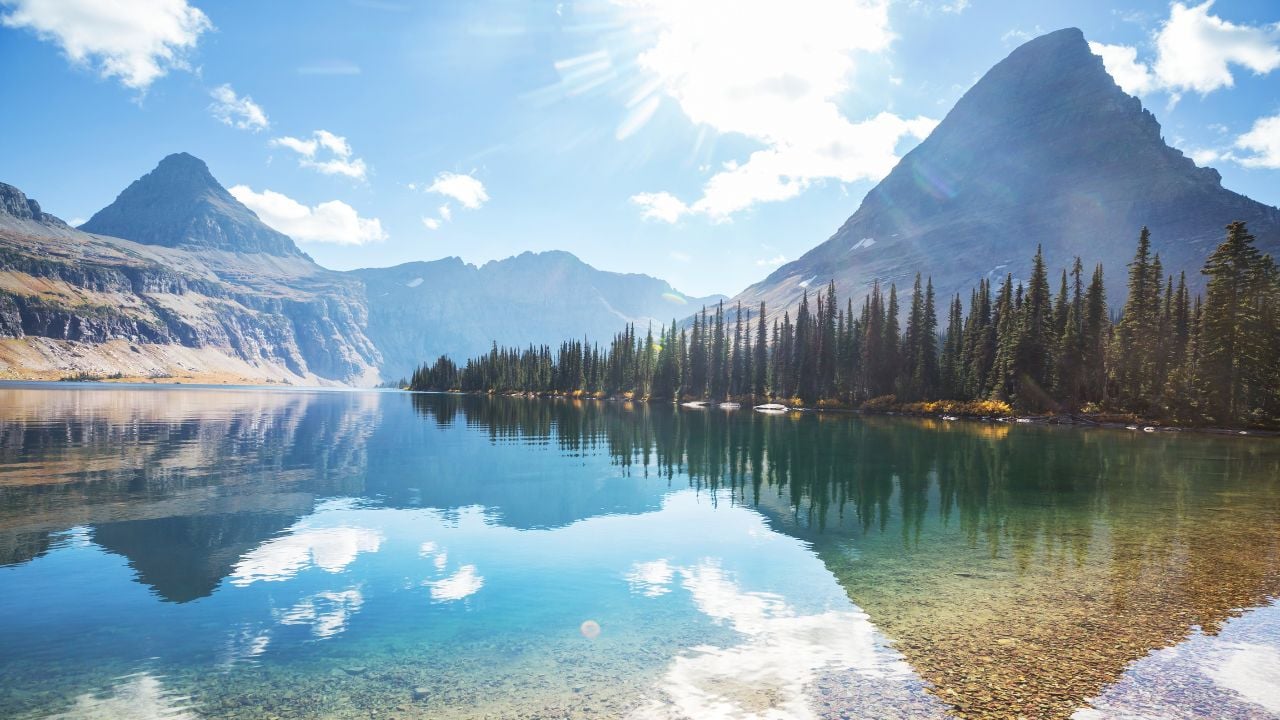
Glacier National Park combines alpine drama, crystal lakes, and rugged peaks that rival any scenery Yellowstone can offer. The park’s jagged mountains rise sharply from lush valleys carved by ancient glaciers, creating postcard-perfect vistas at every turn. Going-to-the-Sun Road is one of the most spectacular drives in America, climbing high above the alpine terrain.
Wildlife thrives here, from mountain goats perched on cliffs to grizzly bears roaming meadows filled with wildflowers. Lakes like Lake McDonald and St. Mary shimmer with glacial color, surrounded by dense forests and towering peaks. Bowl-shaped cirques and narrow ridges give the park a dramatic topography unlike any other.
Hiking is where Glacier truly shines. Trails lead to hidden waterfalls, turquoise lakes, and sweeping mountain passes. Whether you’re trekking through fields of beargrass or standing at the edge of a roaring glacier-fed river, Glacier’s landscapes feel as grand and awe-inspiring as Yellowstone’s, but with a wilder, more rugged edge.
Bryce Canyon National Park, Utah
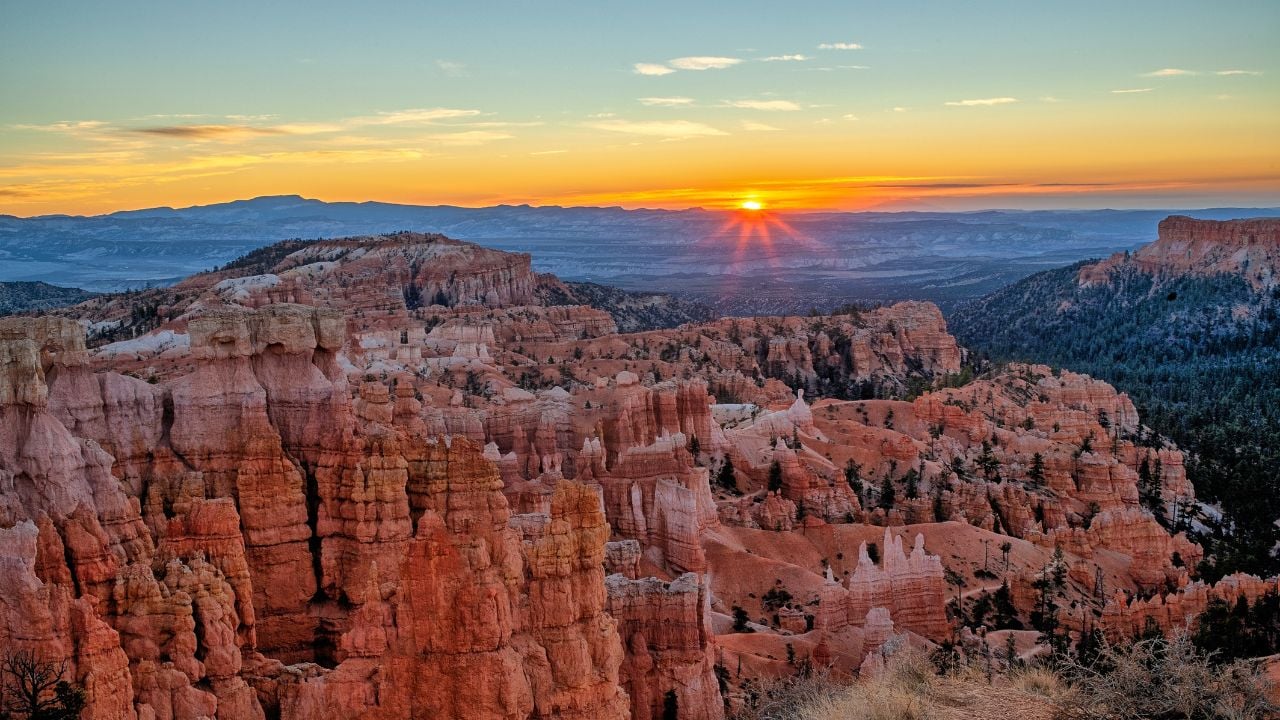
Bryce Canyon’s surreal landscape of hoodoos, thousands of tall, thin rock spires — makes it one of the most visually stunning national parks in the country. Unlike the Grand Canyon, Bryce lets visitors descend directly into its maze-like amphitheaters, creating an immersive experience that feels otherworldly.
Walking the Queen’s Garden or Navajo Loop trails, visitors weave between towering orange and pink formations that seem almost sculpted by hand. The park’s elevation also means cooler temperatures and incredible air clarity, giving visitors sweeping views over distant mesas and forests.
At sunrise, Bryce is unmatched. The hoodoos glow in vibrant colors that shift dramatically as the sun climbs higher. For many travelers, the combination of accessibility, unique formations, and breathtaking viewpoints puts Bryce Canyon in the same league as the Grand Canyon, and often at the top of their favorite parks list.
Great Smoky Mountains National Park, Tennessee/North Carolina
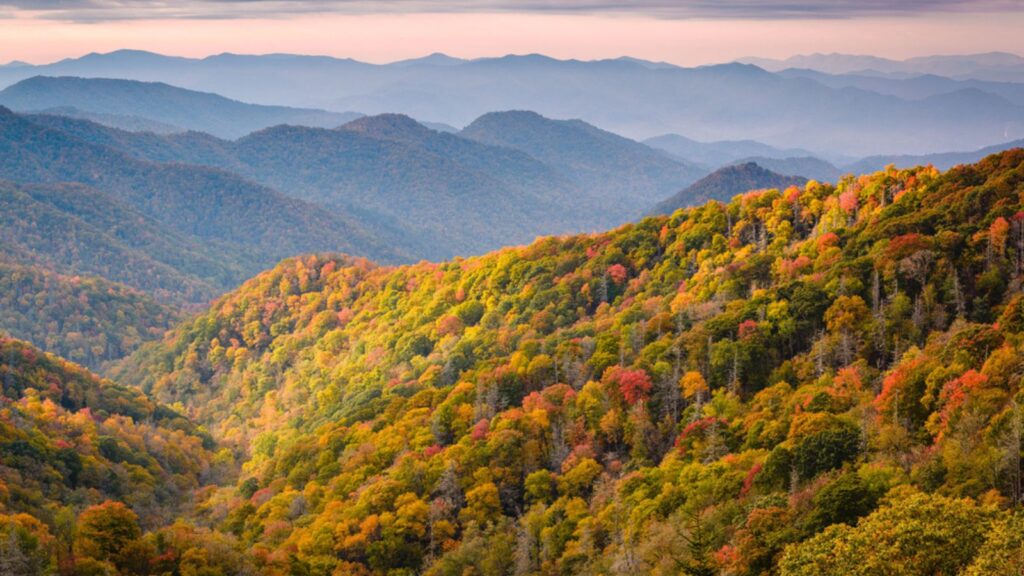
The Great Smoky Mountains may lack Yellowstone’s geysers, but they offer a misty, enchanted beauty all their own. Layers of blue ridges roll into the distance, creating a dreamy, atmospheric landscape that changes with the light. The park is one of the most biodiverse regions in the world, home to ancient forests, waterfalls, and a wide variety of wildlife.
The Smokies’ lush valleys are filled with streams, rhododendron tunnels, and wildflower meadows that bloom vibrantly each spring. Historic cabins and remnants of early Appalachian life dot the landscape, offering a glimpse into the region’s cultural heritage. Cades Cove is a highlight, with its serene fields, mountain backdrop, and frequent wildlife sightings.
Sunrise at Clingmans Dome or Newfound Gap is unforgettable. Fog drifts through the valleys, creating the signature “smoky” effect that gives the park its name. For travelers seeking a gentler but equally striking natural wonder compared to western parks, the Smokies provide a perfect alternative.
Crater Lake National Park, Oregon
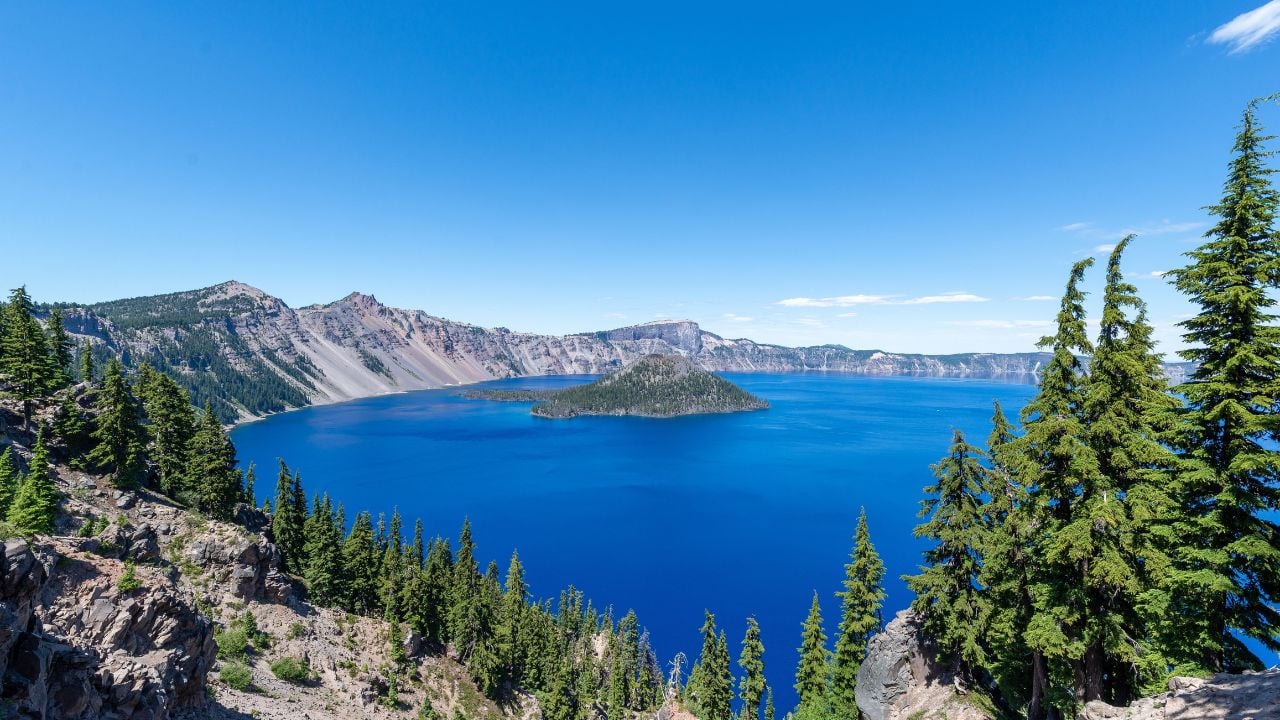
Crater Lake’s striking blue waters make it one of the most mesmerizing natural sights in the United States. Formed within the collapsed caldera of an ancient volcano, the lake is among the deepest and clearest in the world. Its impossibly blue hues often stun first-time visitors, rivaling the dramatic beauty of Yellowstone’s thermal pools.
The surrounding cliffs rise steeply around the lake, giving visitors sweeping views from dozens of lookout points. Wizard Island, a volcanic cinder cone, adds to the lake’s unique geological story. Hiking trails around the rim provide constantly changing perspectives of the lake’s crystal surface.
In summer, boat tours allow visitors to explore the lake up close, while winter transforms Crater Lake into a snow-covered wonderland. Whether blanketed in white or shimmering under the sun, the lake offers a level of beauty and serenity that matches, and sometimes surpasses, more famous national parks.
Big Bend National Park, Texas
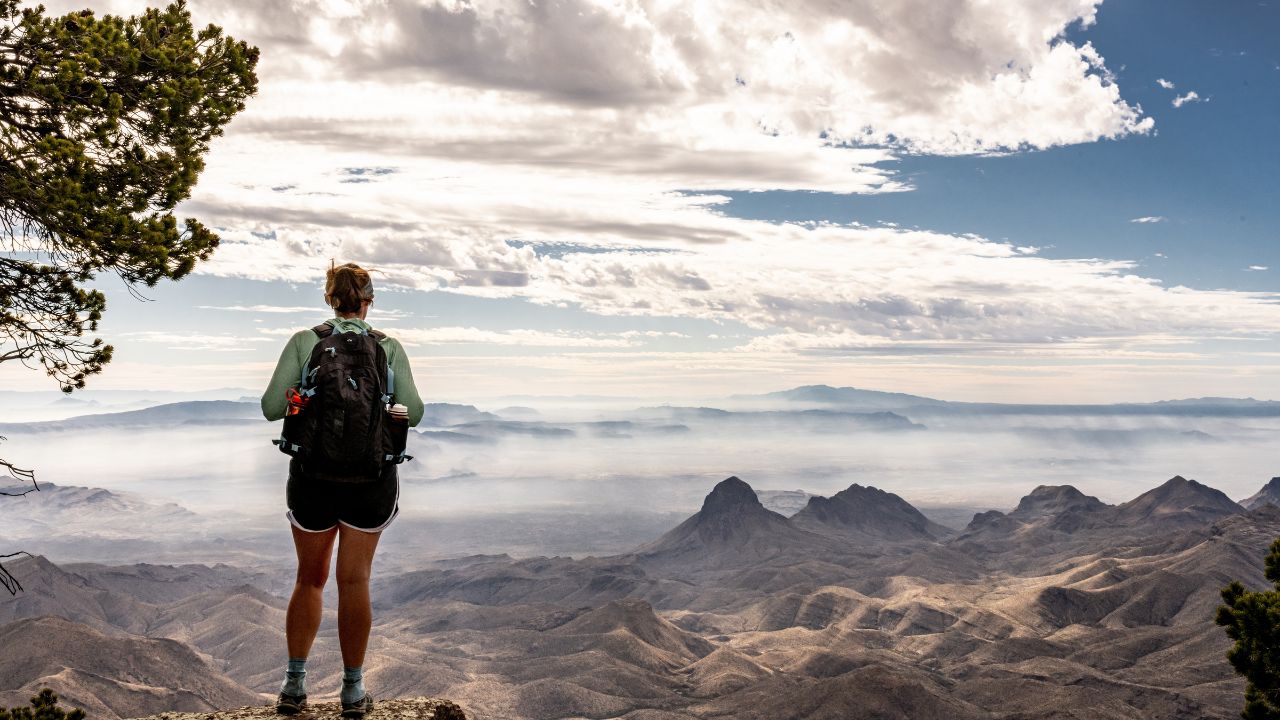
Big Bend is one of the most remote and underrated natural treasures in America. Its vast desert landscapes, soaring cliffs, and winding river canyons offer a sense of wilderness few parks can match. The geology here is remarkably diverse, with colorful badlands, rugged mountains, and volcanic remnants creating dramatic contrasts.
The Rio Grande carves through the park, forming deep canyons like Santa Elena, where towering walls rise dramatically on either side of the river. Hiking trails lead through cactus-filled valleys and up remote peaks, offering spectacular desert vistas. The Chisos Mountains add a surprising oasis of forests and cooler temperatures.
At night, Big Bend becomes one of the best stargazing locations in the world. Its dark skies reveal the Milky Way in vivid clarity, offering a cosmic spectacle far from city lights. For travelers seeking grandeur, solitude, and raw desert beauty, Big Bend rivals the emotional impact of the Grand Canyon.
Olympic National Park, Washington
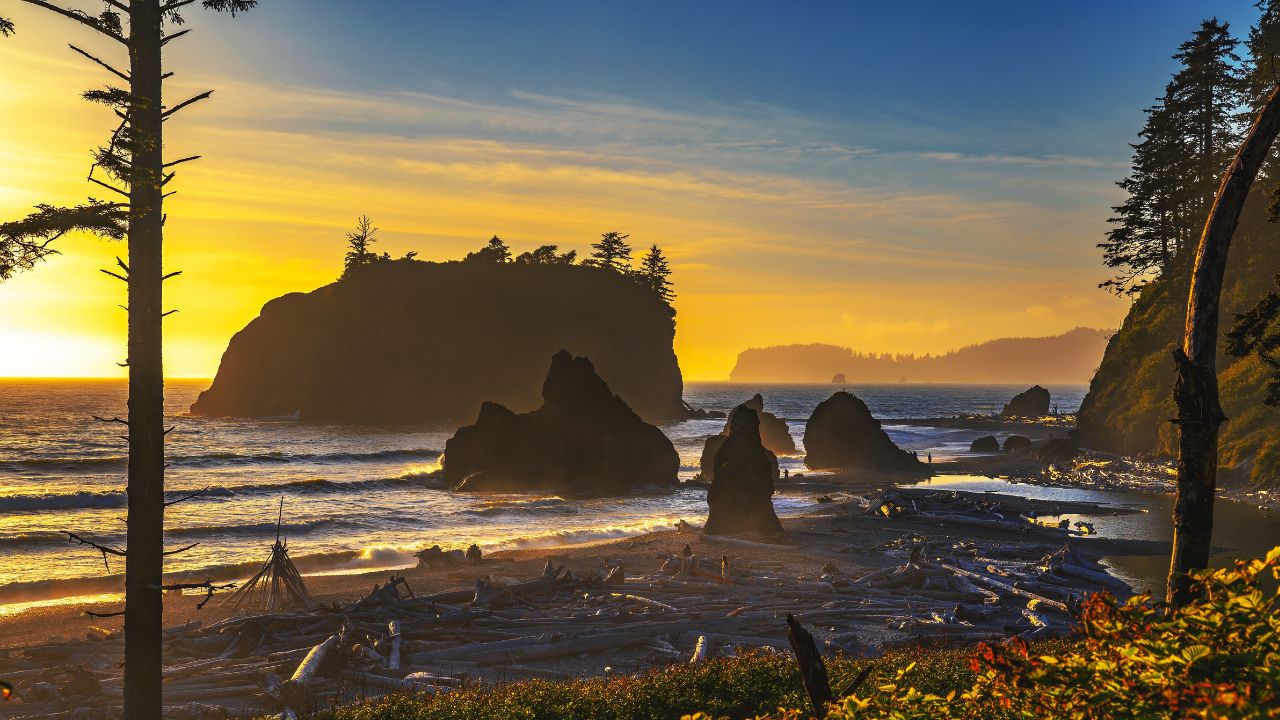
Olympic National Park is a world within a world, offering an extraordinary mix of ecosystems that rival Yellowstone’s diversity. In a single visit, travelers can explore rugged coastlines, glacial mountains, and lush temperate rainforests dripping with moss. The variety of landscapes makes the park feel mysterious and endlessly intriguing.
The Hoh Rain Forest is one of the most magical places in America, where towering trees and thick moss create an emerald wonderland. Hurricane Ridge offers panoramic views of the Olympic Mountains, with snow-capped peaks stretching across the horizon. Meanwhile, the wild beaches of the Pacific Coast feature tidal pools, sea stacks, and dramatic driftwood.
Olympic’s blend of raw wilderness and quiet beauty offers an experience as powerful as any major national park. Whether watching elk graze in foggy meadows or exploring tide pools at sunset, visitors leave feeling deeply connected to the natural world.
Zion National Park, Utah

Zion’s towering red cliffs and lush canyon floors make it one of the most dramatic landscapes in America. Its soaring sandstone walls rival the steep grandeur of the Grand Canyon, but with a more immersive feel, visitors walk directly through the canyon rather than viewing it from above.
The Narrows, where hikers wade through the Virgin River between thousand-foot walls, is one of the most unique hikes in the world. Angels Landing offers fearless hikers a panoramic view over the valley, showcasing the park’s breathtaking scale. Zion’s blend of desert colors and vibrant greenery creates an unforgettable visual contrast.
At sunrise and sunset, the canyon walls glow in shades of burnt orange and gold. The park’s peaceful rivers, hanging gardens, and hidden waterfalls add a softer dimension to its rugged beauty. For many travelers, Zion feels every bit as awe-inspiring as the Grand Canyon.
Mount Rainier National Park, Washington
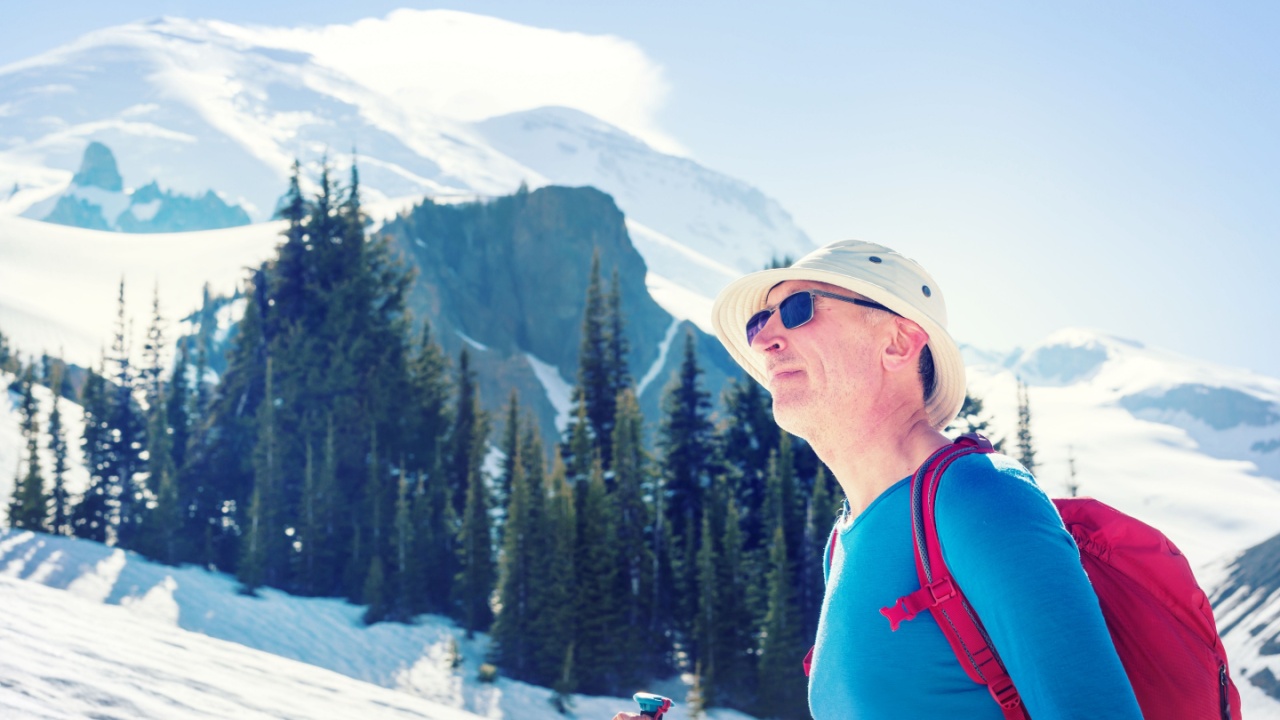
Mount Rainier rises dramatically from the landscape, creating one of the most striking mountain profiles in the United States. The snow-covered peak dominates the horizon, rivaling the grandeur of Yellowstone’s towering mountain ranges. Surrounding valleys burst with wildflowers each summer, creating carpets of color beneath the peak.
Paradise and Sunrise are the park’s most famous viewpoints, offering breathtaking trails that wind through meadows, rivers, and alpine forests. When Rainier appears out of the clouds, the sight is nothing short of spectacular. Glaciers flow down its slopes, adding to the mountain’s raw power.
Wildlife, waterfalls, and old-growth forests make Rainier feel both vibrant and serene. Whether blanketed in snow or framed by blooms, the mountain offers a sense of majesty that stands alongside America’s most iconic natural wonders.
The Black Canyon of the Gunnison, Colorado
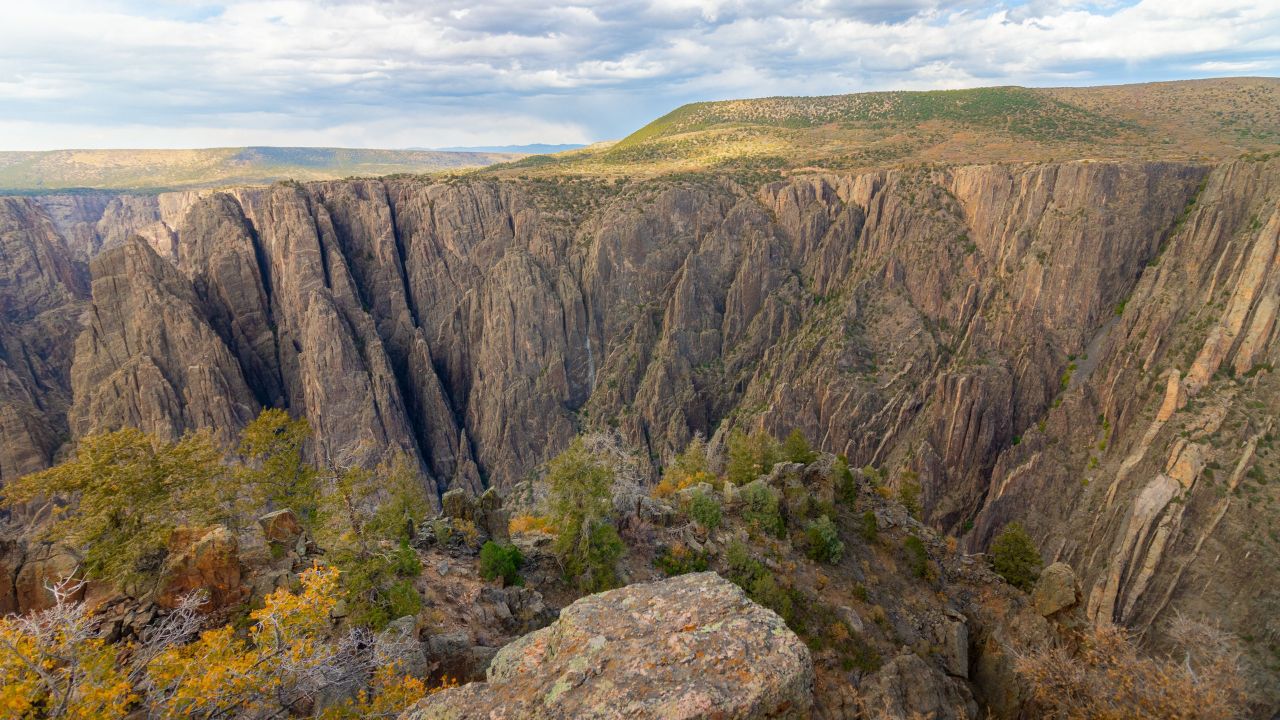
This dramatic canyon may not be as well-known as the Grand Canyon, but its sheer vertical walls are among the steepest in North America. The Black Canyon’s narrow gorge plunges sharply toward the roaring Gunnison River, creating a dizzying and unforgettable sight.
The dark volcanic rock absorbs sunlight, giving the canyon its name. Lookouts like Chasm View and Painted Wall provide breathtaking vantage points over cliffs that appear almost impossibly steep. The river below cuts violently through the stone, creating a landscape that feels raw, wild, and powerful.
Hiking trails along the rim offer quieter, more intimate experiences with the canyon’s depth and scale. For those who venture down into the depths, a challenging feat, the reward is a rare sense of isolation. The Black Canyon is a hidden treasure for travelers seeking canyon beauty without the crowds.
Badlands National Park, South Dakota
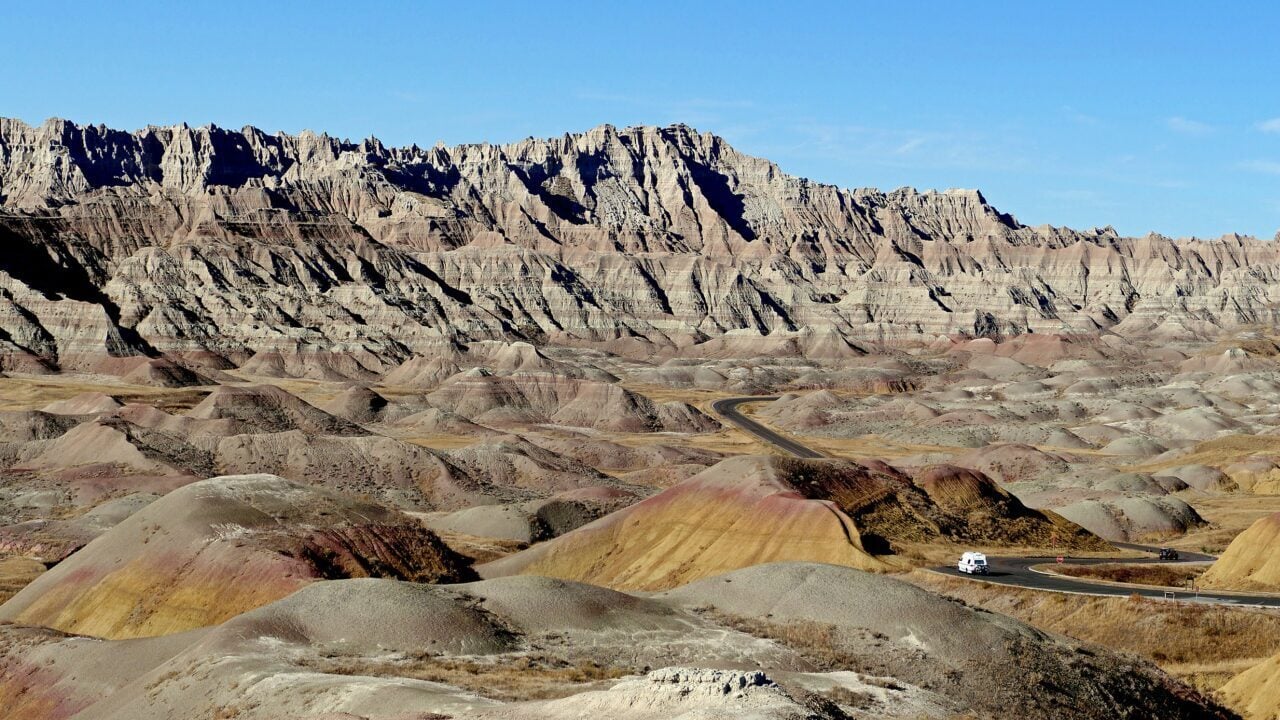
The Badlands’ colorful cliffs and eroded rock formations create a landscape that looks almost alien. Layers of sedimentary rock form wild stripes of red, gold, white, and purple, giving the park a dramatic palette that rivals the vivid colors found in places like Yellowstone.
The park’s rugged pinnacles rise sharply from the surrounding prairie, creating a stunning contrast between jagged rock and sweeping grasslands. Wildlife such as bison, bighorn sheep, and prairie dogs add life to the stark terrain, giving visitors a sense of the region’s ecological richness.
Sunrise and sunset transform the Badlands into a glowing masterpiece. The rocks catch the light dramatically, highlighting every ridge and crevice. For photographers and adventurers, the Badlands offer a level of beauty and solitude that feels both ancient and awe-inspiring.
Kenai Fjords National Park, Alaska
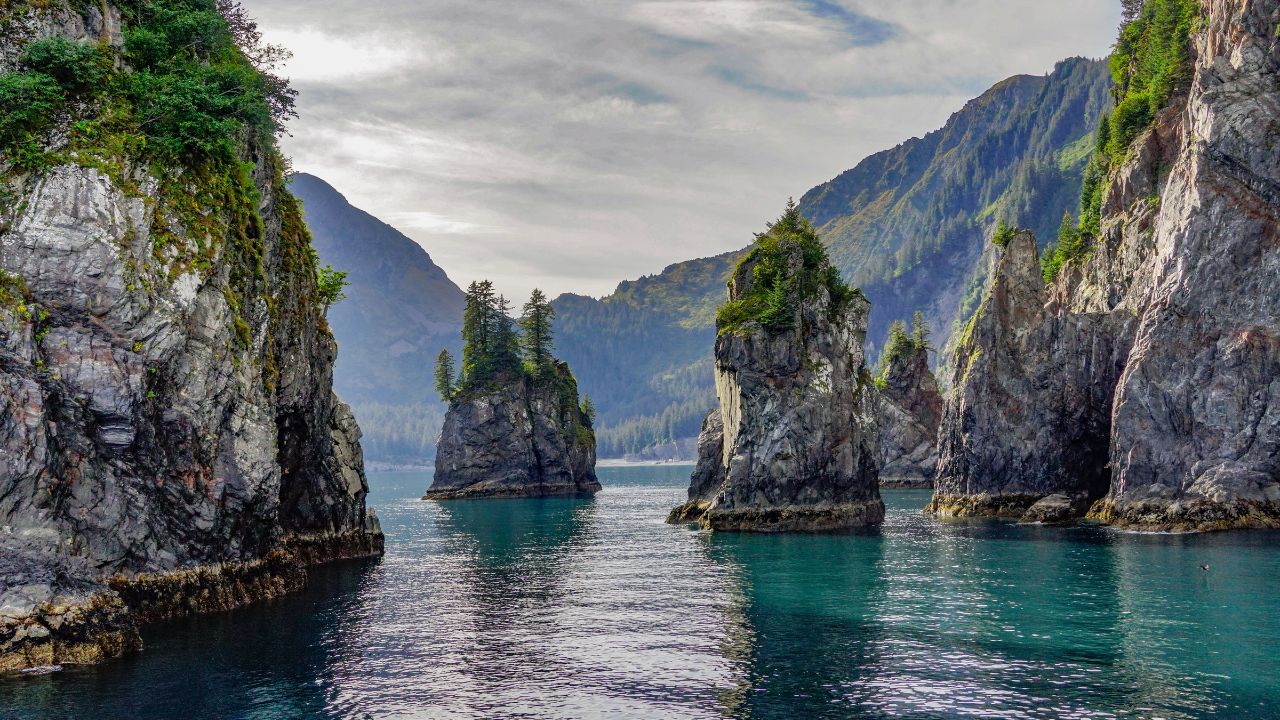
Kenai Fjords combines icy wilderness with breathtaking coastal beauty. Towering glaciers meet the ocean, creating a dramatic landscape that rivals Yellowstone’s rugged wilderness. Sea cliffs, iceberg-filled waters, and snow-covered peaks create a scene that feels untouched and majestic.
Kayaking among floating ice offers an unforgettable close-up view of the fjords, while boat tours reveal breaching whales, puffins, seals, and orcas. The massive Harding Icefield, one of the largest in North America, feeds numerous glaciers that spill into the sea.
The park’s mix of wildlife, coastal drama, and icy grandeur places it among the most spectacular natural settings in the country. For travelers seeking raw, unfiltered nature, Kenai Fjords delivers beauty on a cinematic scale.
The Tetons, Wyoming

Though often visited in tandem with Yellowstone, Grand Teton National Park stands firmly on its own as a jaw-dropping natural wonder. The Teton Range rises abruptly from flat valley floor, creating one of the most dramatic mountain skylines in North America.
Lakes like Jenny Lake and Jackson Lake reflect the craggy peaks, especially stunning at sunrise when the mountains turn pink and gold. Moose, elk, and bears wander freely through the valley, offering world-class wildlife viewing.
The Tetons offer a sense of alpine majesty that rivals Yellowstone’s rugged landscapes. Whether hiking to hidden waterfalls or simply watching evening light illuminate the peaks, the Tetons provide unforgettable natural beauty.
Hawaii Volcanoes National Park, Hawaii
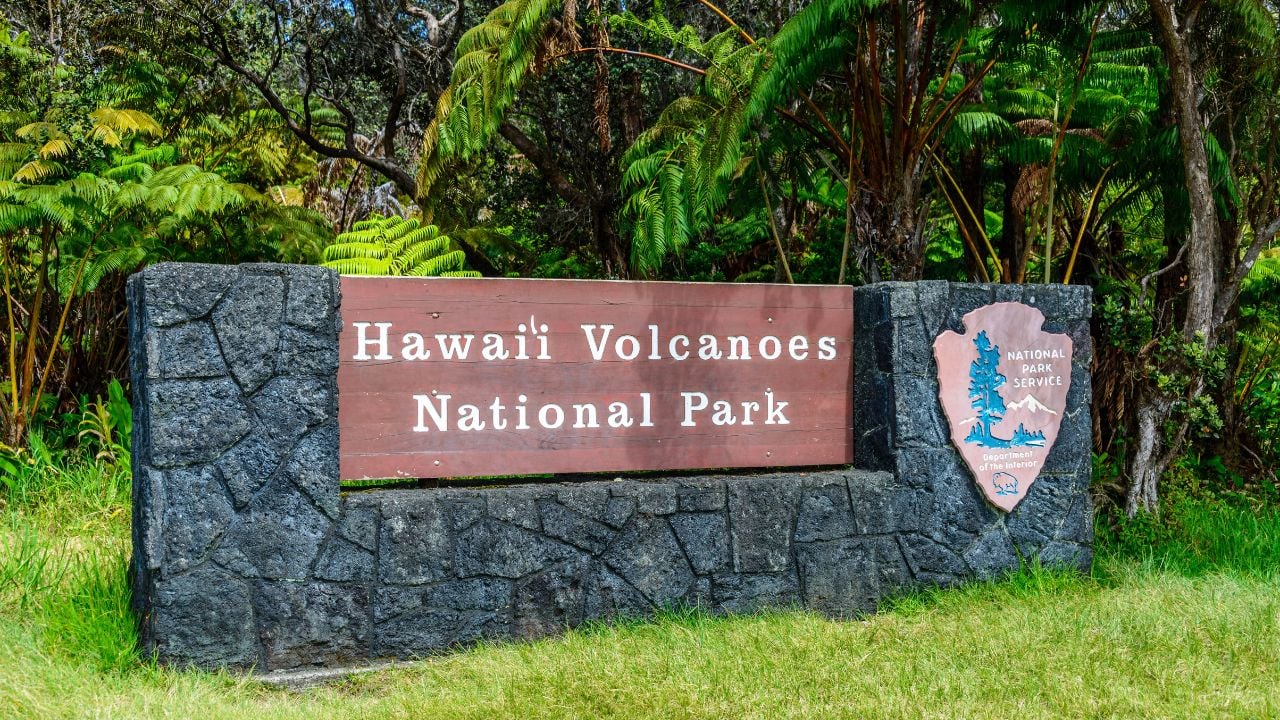
Few places on Earth offer the raw, fiery power of Hawaii Volcanoes National Park. Active lava flows shape the land in real time, creating a dramatic landscape unlike anything found in the mainland parks. The sight of molten rock pouring toward the ocean is one of the most powerful natural spectacles a visitor can witness.
The park’s volcanic craters, steam vents, and hardened lava fields show the many stages of volcanic activity. Trails lead through lush forests, across lava rock, and around massive calderas such as Kīlauea and Mauna Loa. The contrast between tropical vegetation and volcanic terrain adds to the park’s surreal atmosphere.
Nighttime lava glow, when visible, creates a breathtaking red haze that lights up the sky. It’s a reminder of Earth’s living, breathing geology. For travelers craving drama, Hawaii Volcanoes rivals, and surpasses, many of America’s iconic landscapes.
Sedona, Arizona

Sedona’s red rock formations and glowing desert colors make it one of the most visually striking places in the United States. Towering buttes, natural arches, and sandstone cliffs create a dramatic backdrop that rivals the grandeur of Utah’s national parks.
The landscape takes on different personalities throughout the day, glowing deep red at sunrise and turning golden at sunset. Hiking trails lead through canyons, along ridgelines, and to panoramic viewpoints that showcase the region’s iconic beauty. Oak Creek adds a refreshing oasis of greenery and water in contrast to the surrounding desert.
Sedona also carries a spiritual, peaceful atmosphere that many travelers find deeply moving. Whether you’re exploring the red rocks or simply enjoying the sweeping views, Sedona feels like a natural cathedral carved by time.
Redwood National and State Parks, California
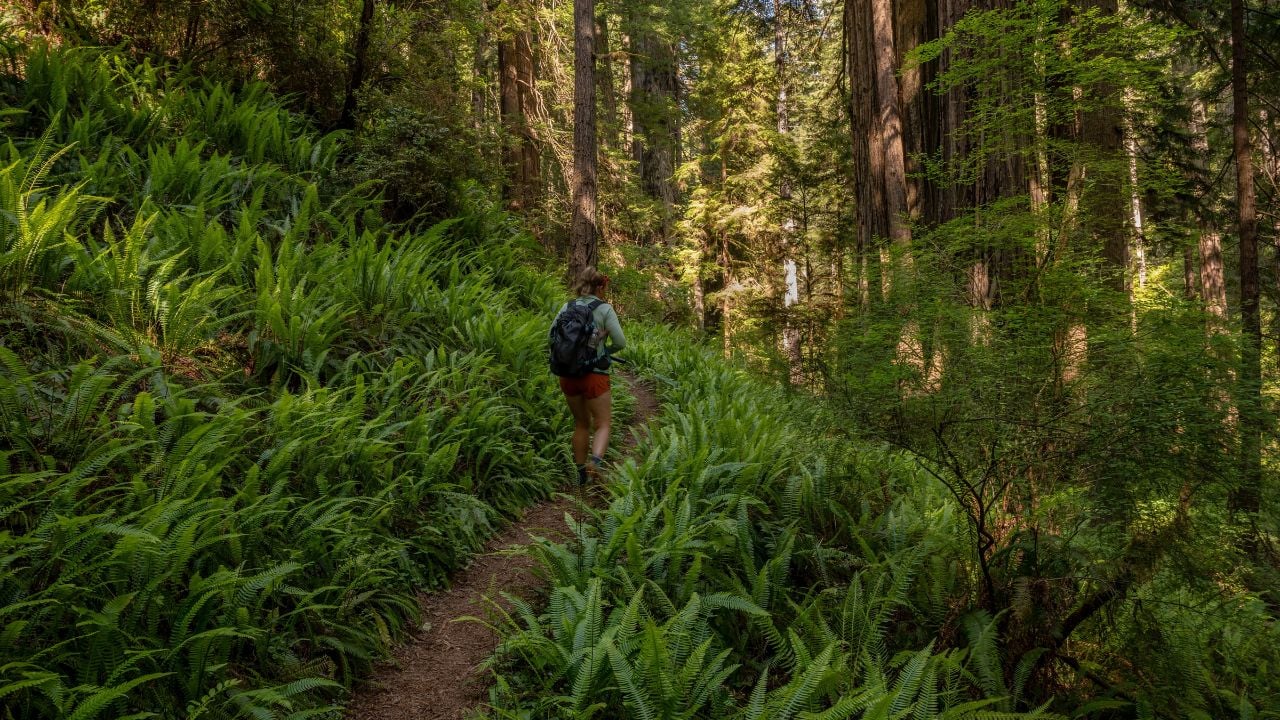
Walking beneath the world’s tallest trees is an experience that rivals any canyon or geyser. Redwood National and State Parks protect ancient forests where colossal trees pierce the sky, creating a serene, cathedral-like environment that humbles even the most seasoned traveler.
Sunlight filters through the dense canopy, illuminating ferns and moss-covered logs. The forest is home to elk, foxes, and a wide range of bird species, adding life to the peaceful surroundings. Trails wind through old-growth groves that feel ethereal, peaceful, and timeless.
Nearby coastal areas provide views of rugged cliffs and crashing waves, offering a dramatic contrast to the quiet forest. For travelers seeking a sense of nature’s power and longevity, the Redwoods offer awe on a grand scale.
Death Valley National Park, California/Nevada
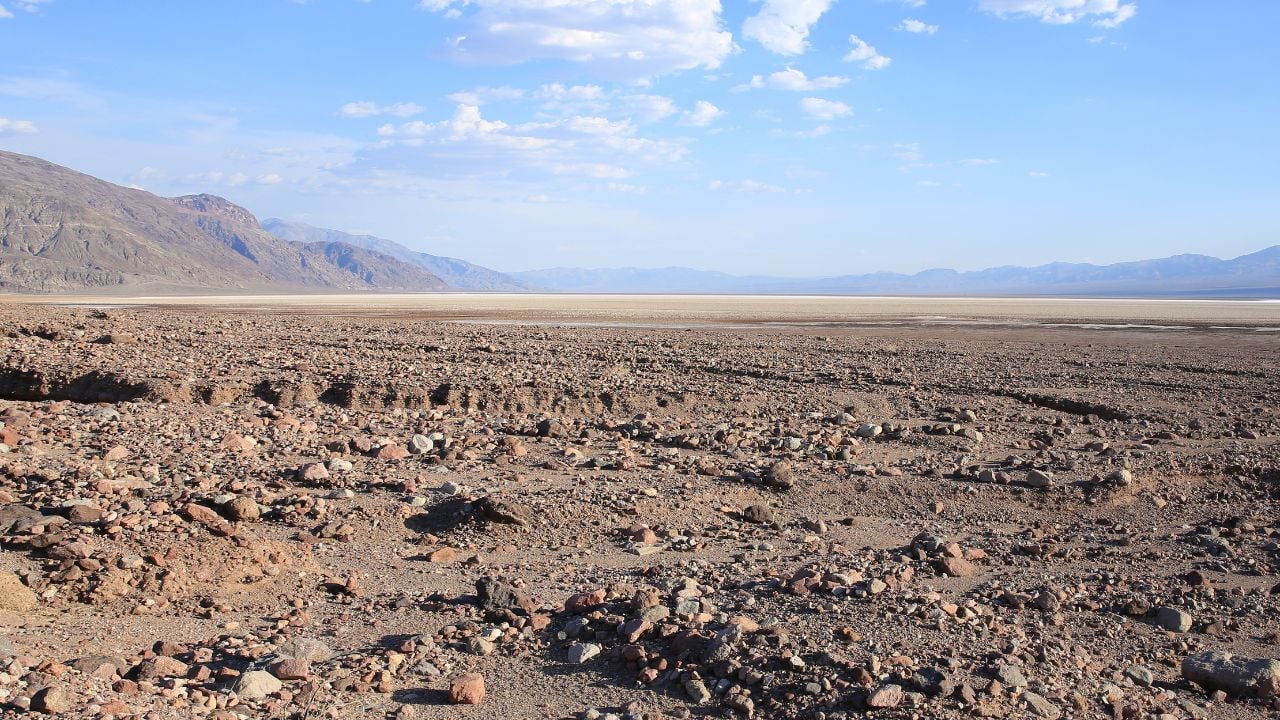
Death Valley’s extreme landscapes create some of the most surreal scenery in the United States. Famous for being both scorching and starkly beautiful, the park’s salt flats, sand dunes, and colorful badlands offer a level of geological drama that rivals the Grand Canyon.
Badwater Basin, the lowest point in North America, creates vast salt flats that shimmer in the sunlight. Nearby Zabriskie Point offers panoramic views of the region’s golden badlands, sculpted into wild patterns over millennia. Mesquite Flat Sand Dunes glow beautifully at sunrise and sunset.
Despite its harshness, Death Valley teems with surprising life and vivid color. Spring brings wildflower blooms, while nighttime reveals skies filled with stars. The sheer contrast and raw beauty make Death Valley an unforgettable natural wonder.
Great Sand Dunes National Park, Colorado

Towering sand dunes reaching up to 750 feet create a dramatic desert landscape unlike anything else in the U.S. The contrast between the dunes, the surrounding plains, and the towering Sangre de Cristo Mountains makes the park feel otherworldly and immense.
Visitors can hike the dunes, sled down their steep sides, or wander through quiet valleys carved by the wind. The shifting patterns of light and shadow create endless photographic opportunities, with the dunes glowing gold at sunrise and orange at sunset.
An unexpected highlight is the seasonal Medano Creek, which creates a beach-like oasis at the base of the dunes. Great Sand Dunes offers a surprising mix of desert adventure, mountain scenery, and quiet beauty that rivals larger parks.
Cuyahoga Valley National Park, Ohio
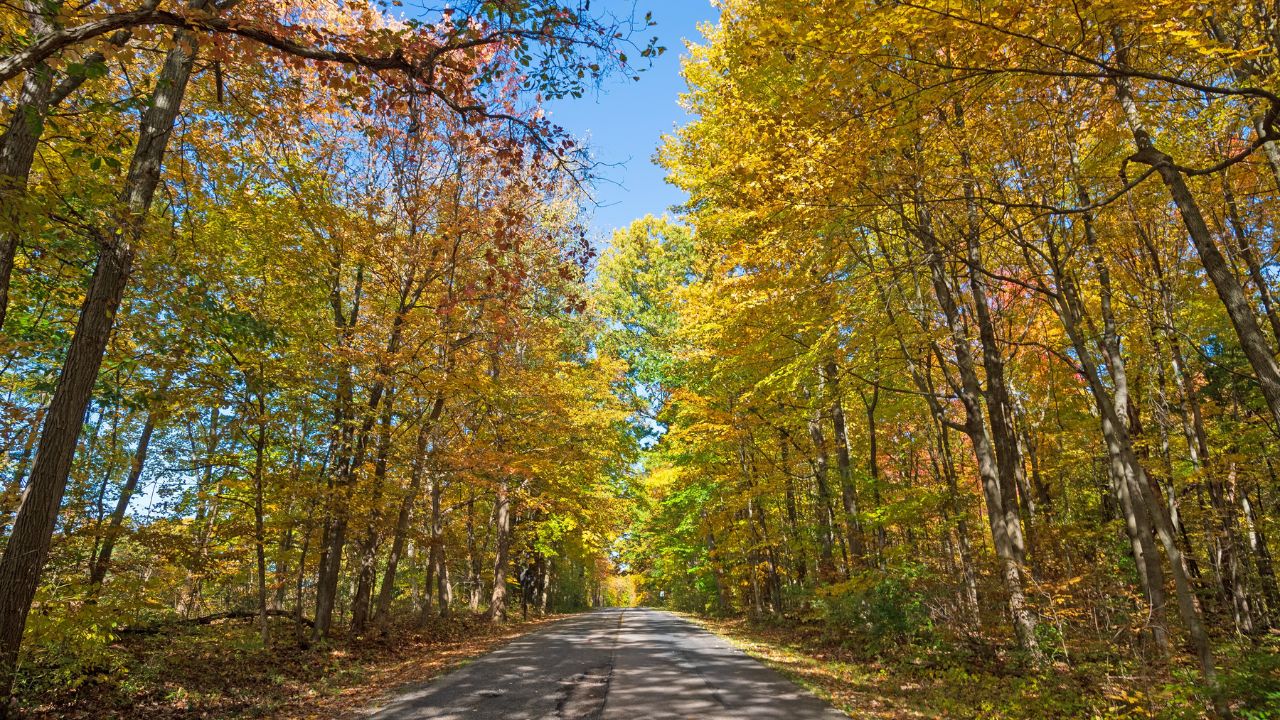
Cuyahoga Valley offers a lush, green respite full of waterfalls, forests, and historic charm, proving that world-class scenery isn’t only found in the West. The park’s rolling hills and peaceful landscapes rival parts of Yellowstone’s quieter regions.
Brandywine Falls is the park’s crown jewel, with cascading water framed by vibrant foliage. The Ohio & Erie Canal Towpath Trail provides miles of scenic paths along rivers and canals, ideal for cycling or peaceful strolls. Wildlife such as beavers, owls, and deer thrive throughout the park.
Cuyahoga Valley’s blend of natural beauty and cultural history gives it a unique identity. It’s a serene, revitalizing escape that offers a refreshing contrast to the dramatic rock formations of the West, yet remains equally captivating.
Lake Tahoe, California/Nevada

Lake Tahoe’s crystal-clear waters and surrounding alpine peaks make it one of America’s most breathtaking natural destinations. The lake’s vibrant blue color rivals the clarity of mountain lakes in Glacier National Park, while its massive size creates sweeping, dramatic vistas.
The region offers endless outdoor adventures, hiking, skiing, kayaking, swimming, and scenic drives. The contrast between forested mountains and shimmering water creates views that feel cinematic. Emerald Bay, with its island and surrounding cliffs, is one of the most photographed spots in the country.
Each season offers its own beauty, from summer’s beaches to winter’s snow-covered peaks. Tahoe’s blend of alpine splendor and pristine water rivals the majesty of America’s most famous national parks, making it a gem in every sense.