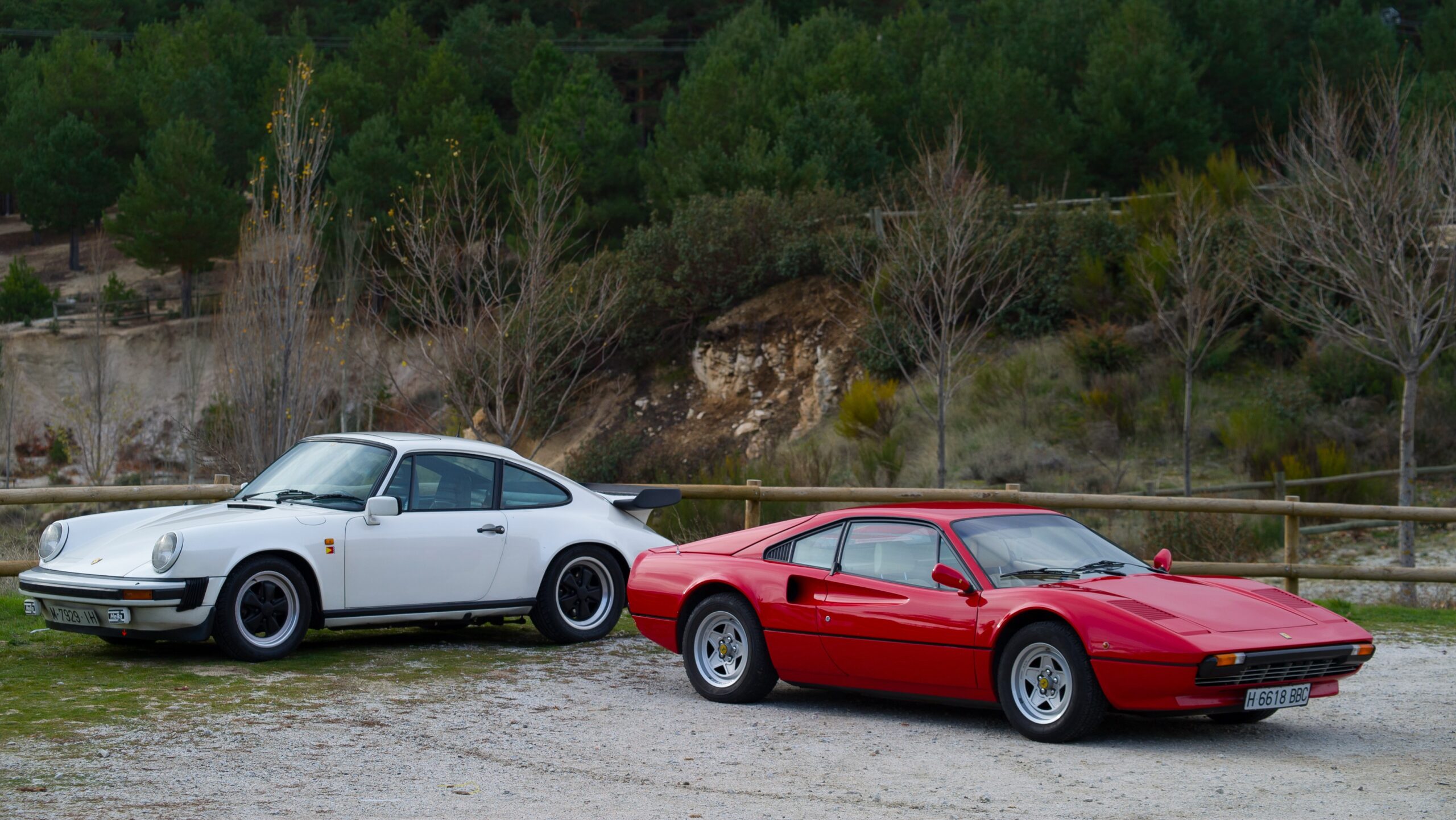
The 1970s were an interesting decade for supercars. Emission regulations, fuel crises, and changing safety standards meant horsepower was suddenly in short supply, but designers didn’t let that slow them down. Instead, they delivered some of the most visually arresting machines ever to hit pavement.
And before anyone jumps in to debate what technically counts as a supercar, yes — a few cars on this list have always lived in a gray area. Models like the Porsche 930 and Lotus Esprit have sparked arguments for decades. But for this list, we’re stretching the definition just enough to provide a proper cross-sampling of the era’s most dramatic, exotic, or influential performance machines.
We’re not simply highlighting the decade’s fastest cars. We’re celebrating the ones that looked, felt, and behaved like supercars, even when the output numbers reflected the times.
Let’s look back at twelve cars that defined a moment when automotive imagination soared, even as real-world constraints tried to bring it back to earth.
Lamborghini Countach LP400

The Countach essentially rewrote the rulebook on what a supercar could look like when it debuted in 1974. Marcello Gandini’s scissor doors and radical wedge shape made everything else on the road look like it was from the previous century.
With a 375-horsepower V12 mounted longitudinally behind the seats, it could hit 180 mph and sprint to 60 mph in around 5.6 seconds. The driving experience was famously challenging, with terrible visibility and a cabin that felt like a sauna, but nobody buying a Countach was worried about practicality.
This was a poster car in the truest sense — it decorated bedroom walls around the world and became the definitive supercar silhouette.
Ferrari 365 GTB/4 “Daytona”

Ferrari’s front-engined masterpiece earned its unofficial “Daytona” nickname after a 1-2-3 sweep at the 24 Hours of Daytona in 1967, though it didn’t officially debut until 1968 and continued strong through 1973 (so we gotta count it).
The 4.4-liter V12 produced 352 horsepower and could push the car to 174 mph, making it the world’s fastest production car at launch. Its long hood and aggressive stance gave it a predatory look that was pure Italian passion wrapped in steel. The Daytona represented the end of an era for front-engined Ferrari flagships, and it went out in glorious style.
Today, it’s considered one of the most beautiful Ferraris ever made, with values that reflect that status.
Porsche 911 Turbo (930)

When Porsche dropped the 911 Turbo in 1975, they created a legend that car enthusiasts still talk about with a mixture of reverence and slight terror. The “widowmaker” nickname wasn’t exactly marketing gold, but it spoke to the 930’s reputation for snap oversteer when the turbo boost kicked in mid-corner.
With 260 horsepower initially (later bumped to 300), it could hit 60 mph in under five seconds — serious numbers for the era. The flared wheel arches and signature whale tail spoiler gave it an unmistakable silhouette that screamed performance.
This was Porsche taking their practical sports car and turning it into a proper supercar that demanded respect.
Lamborghini Miura SV

Though the Miura debuted in 1966, the ultimate SV version arrived in 1971 and deserves its place among the decade’s finest. This was the car that essentially invented the mid-engined supercar layout that everyone else would copy.
The 385-horsepower V12 sat transversely behind the cockpit, providing the soundtrack and drama that made the Miura a legend. Bertone’s design was breathtakingly beautiful, with those distinctive eyelashes around the headlights becoming an iconic detail.
Even today, many consider the Miura the single most beautiful car ever made, and the SV represents its most refined form.
De Tomaso Pantera

The Pantera was an unusual beast: an Italian exotic with American muscle under the hood, sold through Lincoln-Mercury dealers across the United States. Depending on the year, trim, and emissions equipment, reported horsepower figures vary widely. Even so, the Ford 351 Cleveland V8 typically delivered somewhere in the neighborhood of 300 horsepower, along with the kind of reliability Italian V12 owners could only dream about.
And like many supercars of the era, the Pantera’s appeal leaned more on drama than outright performance. By today’s standards, some of the stats seem closer to modern commuter cars than supercars. Still, in the early ’70s, the combination of a mid-mounted V8 and that wedge-shaped Ghia body made it feel like something from another planet.
For around $10,000, you could buy a car that looked twice as expensive and wouldn’t annihilate your bank account in maintenance. Elvis Presley famously shot his Pantera when it wouldn’t start, arguably the most rock-and-roll reaction to ’70s Italian build quality ever recorded.
The blend of American power and Italian passion didn’t just make the Pantera interesting — it made it unforgettable.
Ferrari 512 BB
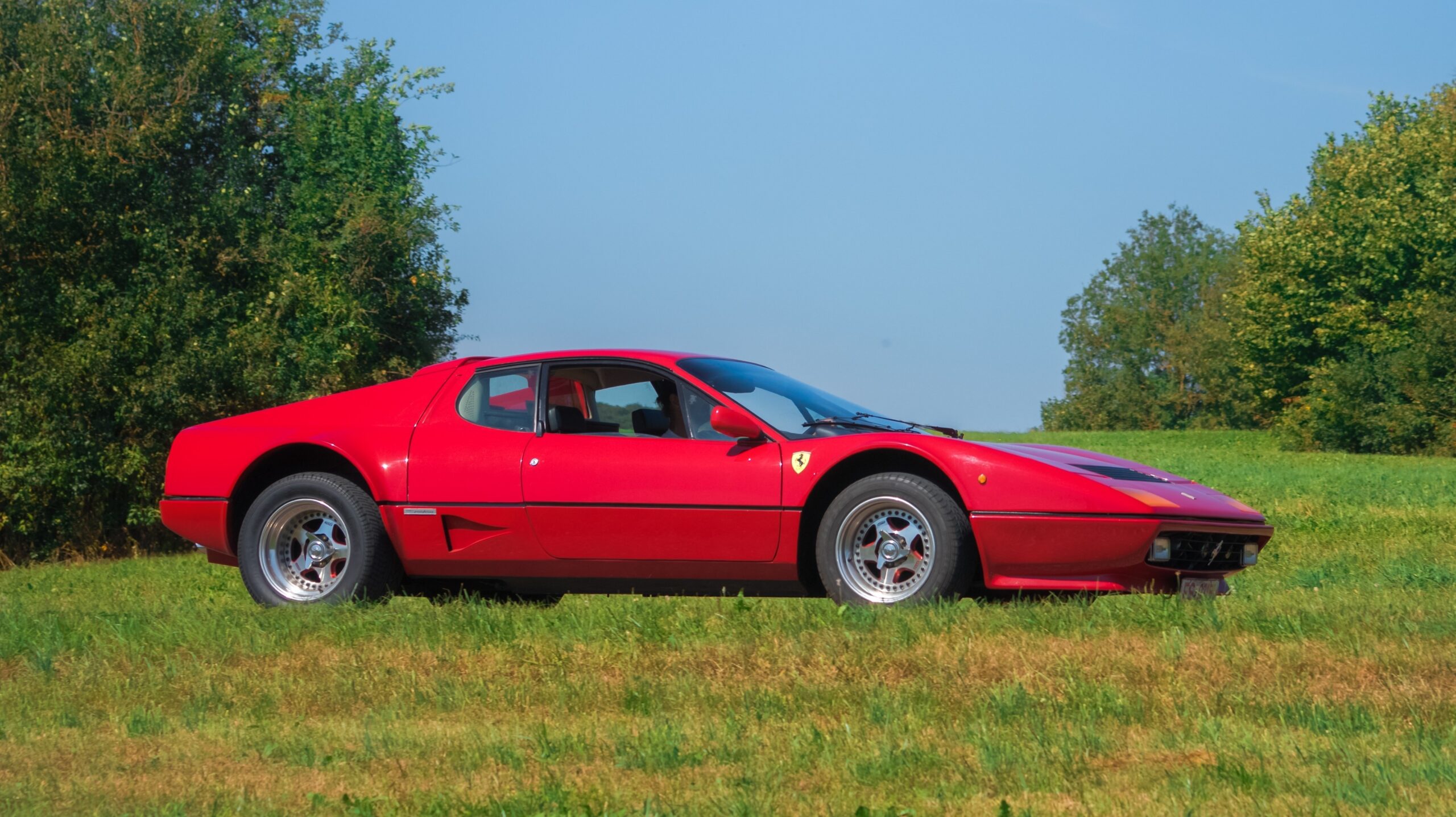
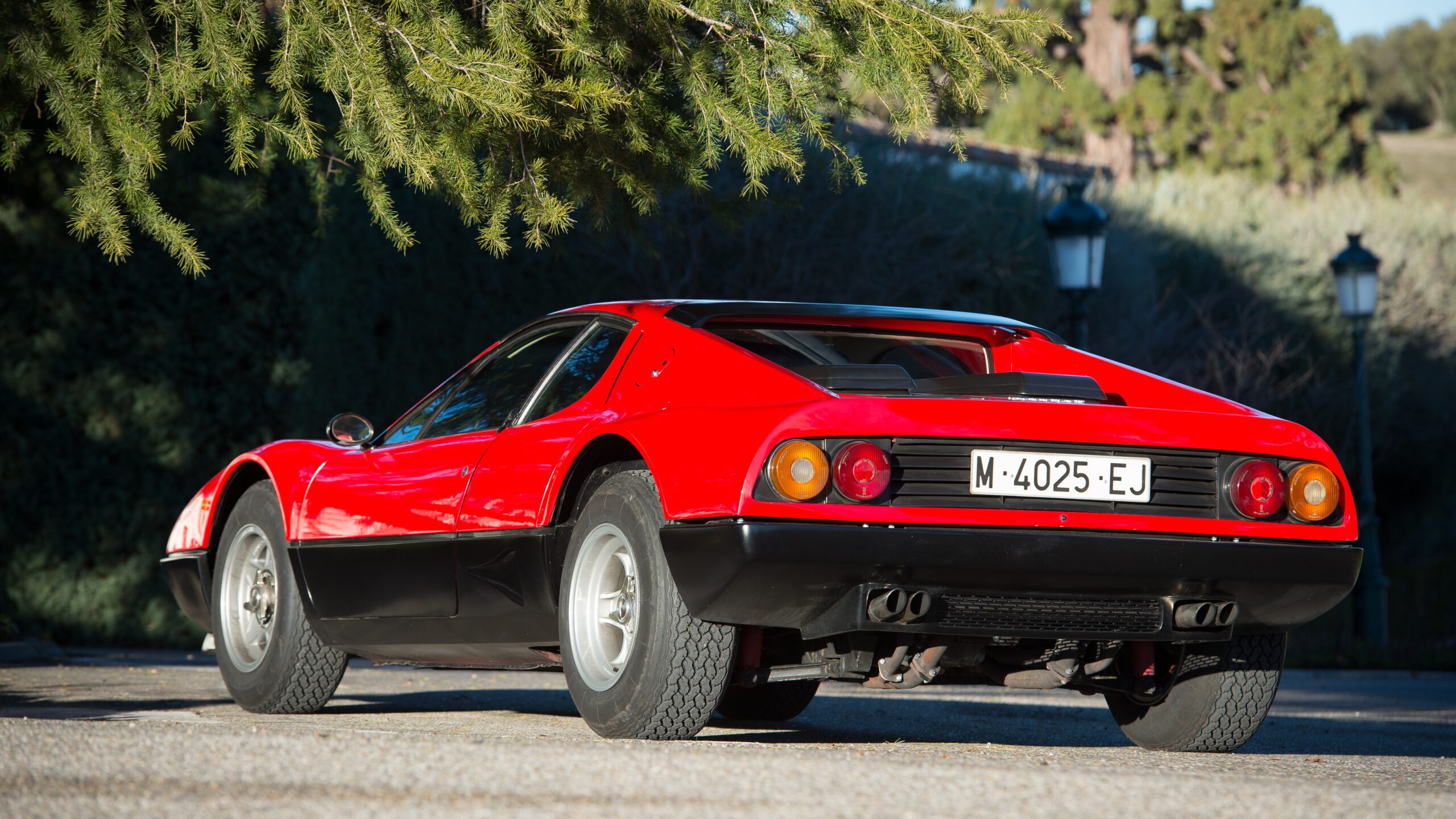
Ferrari’s answer to the mid-engined revolution came in 1976 with the 512 Berlinetta Boxer, a flat-12 masterpiece that pushed boundaries. The 4.9-liter boxer engine produced 360 horsepower and created one of the most intoxicating exhaust notes in automotive history.
With a top speed around 175 mph, it could hold its own against any contemporary supercar while looking absolutely stunning doing it. Pininfarina’s design was clean and purposeful, without a single unnecessary line disrupting the flow.
This represented Ferrari finally embracing the mid-engine layout for their flagship car, setting the template for decades to come.
Maserati Bora
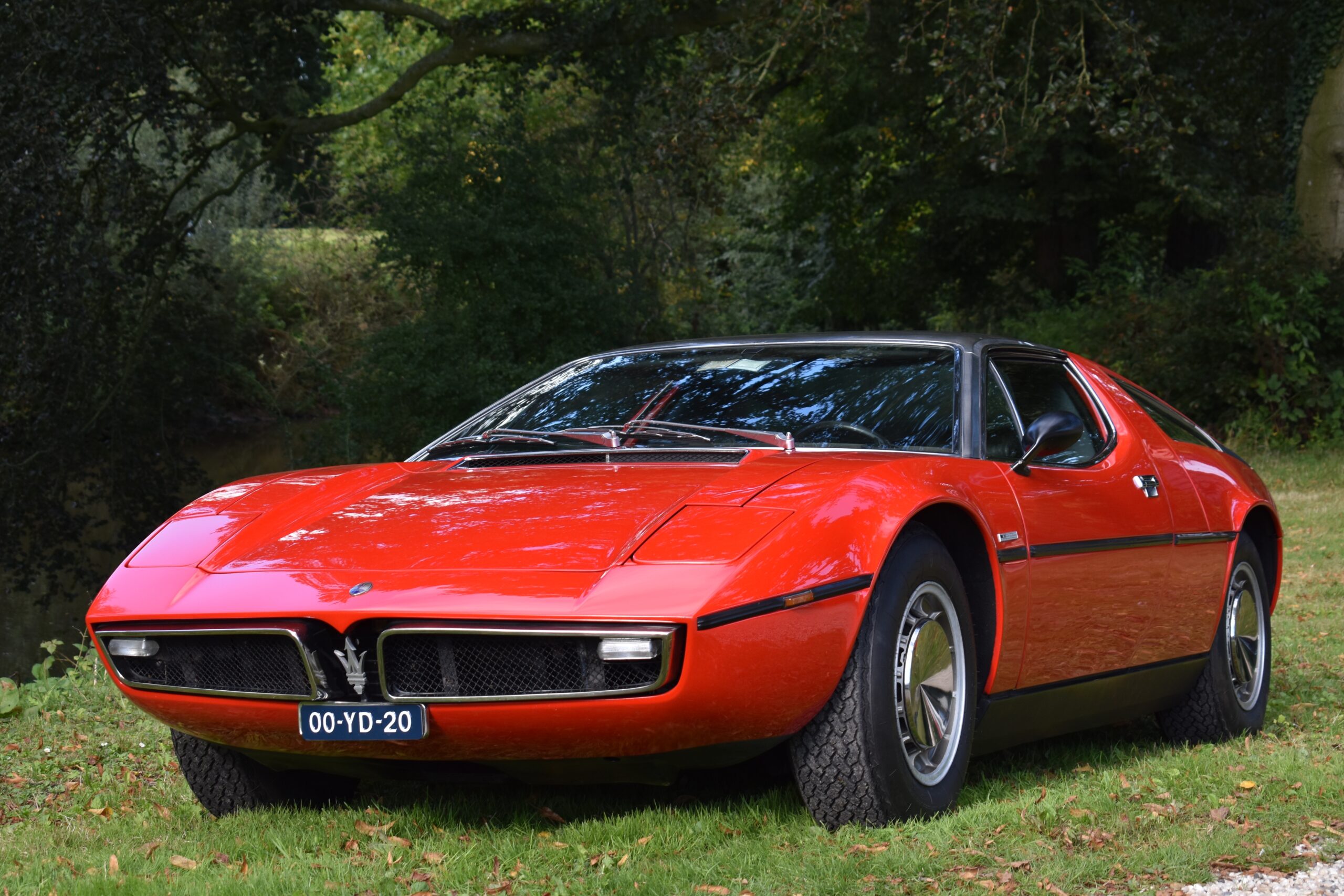
Maserati’s first mid-engined production car arrived in 1971, bringing sophistication to a segment often defined by rawness. The 4.9-liter V8 produced 320 horsepower and could push the Bora to 160 mph, while the interior felt more like a luxury GT than a stripped-out race car.
Giugiaro’s design was elegant and understated compared to its more flamboyant Italian rivals, which gave it a certain mature appeal. The Bora offered adjustable pedals and a genuinely usable cabin, proving that mid-engined exotics didn’t have to be instruments of torture.
It may not have achieved the fame of its compatriots, but it deserves recognition as one of the decade’s most complete supercars.
Lotus Esprit
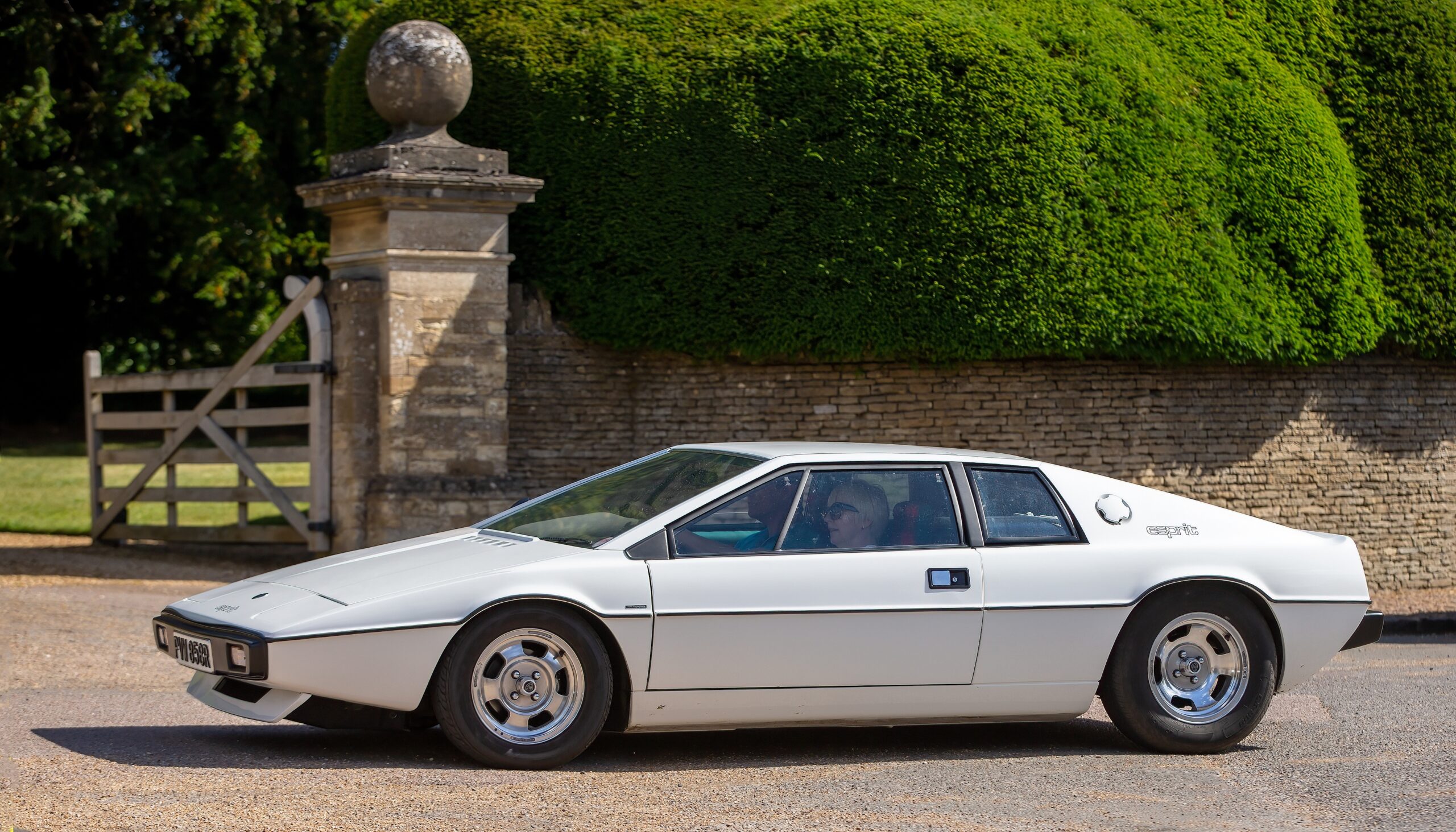
The Esprit burst onto the scene in 1976, bringing Giugiaro’s folded-paper design language to life with dramatic effect. While the initial four-cylinder models produced relatively modest power around 160 horsepower, the Esprit prioritized handling and style over brute force.
Its fiberglass body kept weight low, allowing the car to punch above its power figures would suggest. James Bond drove one underwater in The Spy Who Loved Me, which instantly cemented its place in pop culture history.
The Esprit proved that you didn’t need Italian cachet or massive displacement to create a legitimate supercar.
Ferrari 308 GTB
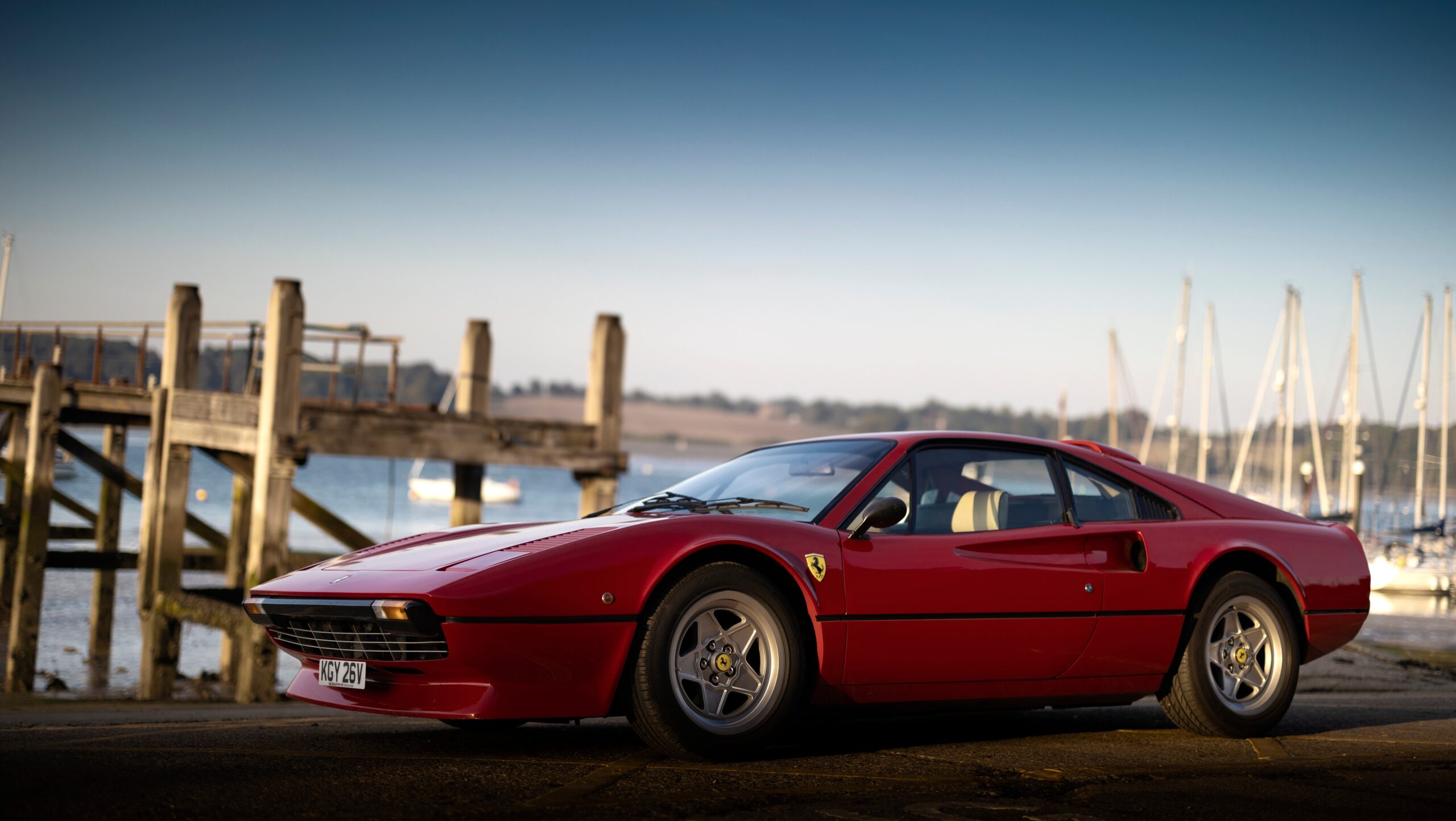
The 308 GTB arrived in 1975 as Ferrari’s more “affordable” mid-engined offering, though affordable is relative when discussing Italian exotics. The 3.0-liter V8 produced around 255 horsepower, and while that might seem modest, the 308 was never about straight-line speed alone.
Pininfarina created a perfectly proportioned design that many consider the ideal size for a sports car. The early fiberglass cars are particularly sought-after today for their lighter weight and purity of purpose.
“Magnum P.I.” would make the later 308 GTS famous in the ’80s, but the GTB coupe captured the essence of what a Ferrari should be.
Aston Martin V8 Vantage
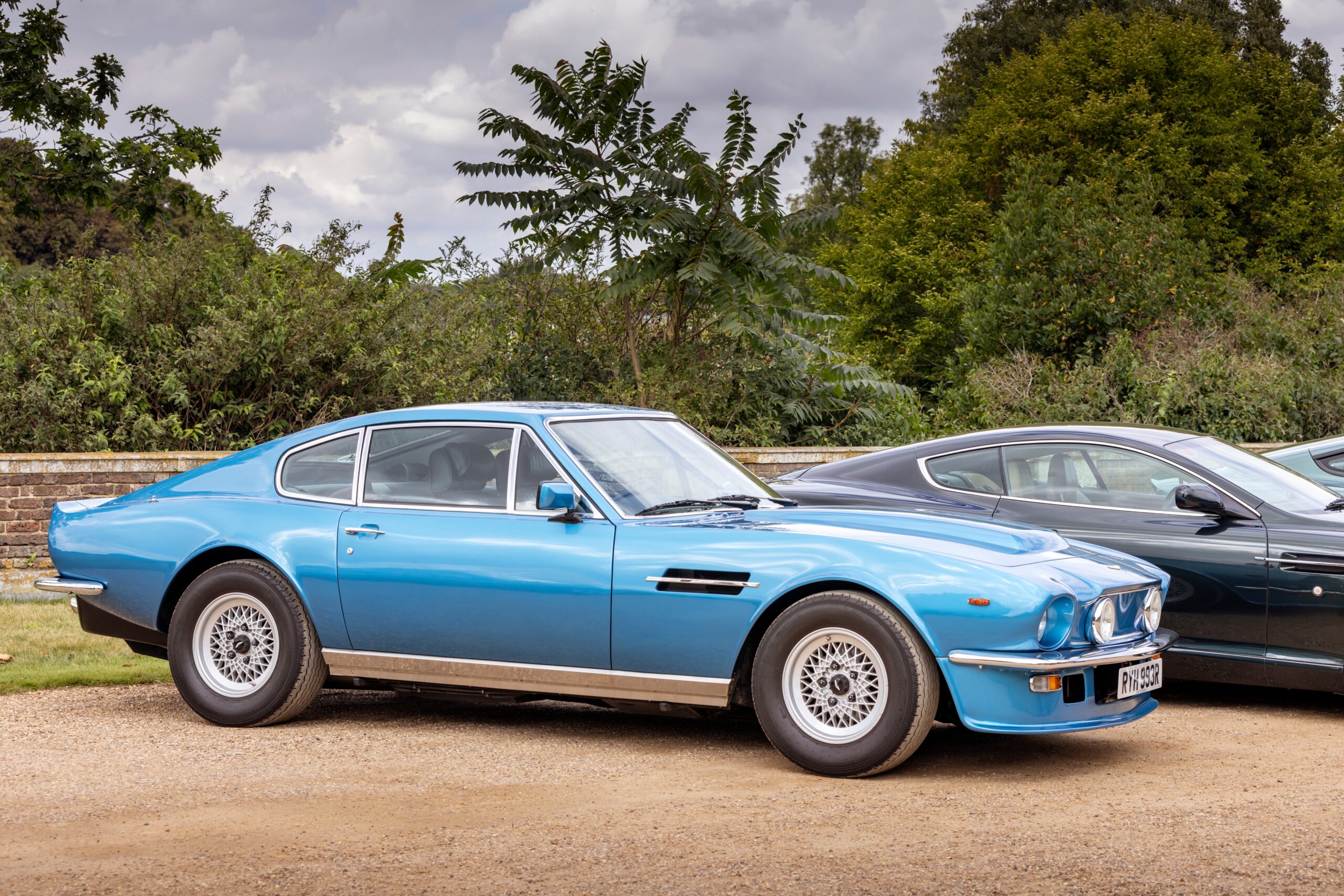
Some people won’t think of this one as a “supercar,” and honestly, we get it. The V8 Vantage doesn’t have the dramatic wedge profile that defined so many late-’70s exotics, and Aston’s whole vibe leans more muscular grand tourer than spaceship-on-wheels. If you’re looking for a more traditional, poster-worthy Aston, the Bulldog feels like the obvious pick—but its 1979 debut nudges it more into an ’80s list.
Rules are meant to be broken, though, and the 1977 V8 Vantage is too special to leave out. Not quite a supercar in some eyes, sure, but far more than “just” a GT.
Britain’s answer to the supercar wars arrived with a mighty 380 horsepower from its 5.3-liter V8, making it one of the most powerful production cars in the world. It could reach 170 mph while still delivering proper British refinement.
Its aggressive quad-headlight face and muscular proportions gave it a presence that could stand shoulder to shoulder with Italy’s finest. And while rival exotics chased raw, uncompromising performance, the Vantage dared to blend speed with genuine comfort.
It represented a different take on the supercar formula—one that valued long-legged capability as much as outright pace.
BMW M1

BMW’s only mid-engined supercar was born from a cancelled racing program but became a legend in its own right. The 3.5-liter straight-six produced 273 horsepower, which might not sound earth-shattering, but the M1 was about precision rather than brute force.
Giugiaro’s design was clean and purposeful, giving the M1 a timeless quality that still looks modern today. Only 456 were built between 1978 and 1981, making it one of the rarest supercars of the era.
The M1 proved that BMW could play in the exotic car sandbox, even if they never returned to build a successor.
Lancia Stratos HF Stradale

The road-going version of Lancia’s rally weapon was a tiny mid-engined wedge with a Ferrari Dino V6 heart. With just 190 horsepower, it wasn’t the most powerful car on this list, but the Stratos made up for it with an 85-inch wheelbase and race-bred handling.
Bertone’s design was pure function following form, creating one of the most distinctive silhouettes of the decade. Only around 500 street versions were built to homologate the race car, making it extremely rare today.
The Stratos represented what happens when racing priorities dictate road car design, and the result was magical.
Conclusion
The 1970s proved that great design and automotive passion could thrive even during challenging times for the industry. These twelve supercars represent a golden era when manufacturers pushed boundaries and created machines that still captivate enthusiasts decades later.
Whether powered by Italian V12s, American V8s, or German straight-sixes, each brought something unique to the conversation about what makes a car truly special. The wedge-shaped silhouettes and dramatic styling of this era created a visual language that still influences supercar design today.
Looking back, it’s clear that the ’70s delivered some of the most stunning and memorable performance cars ever created