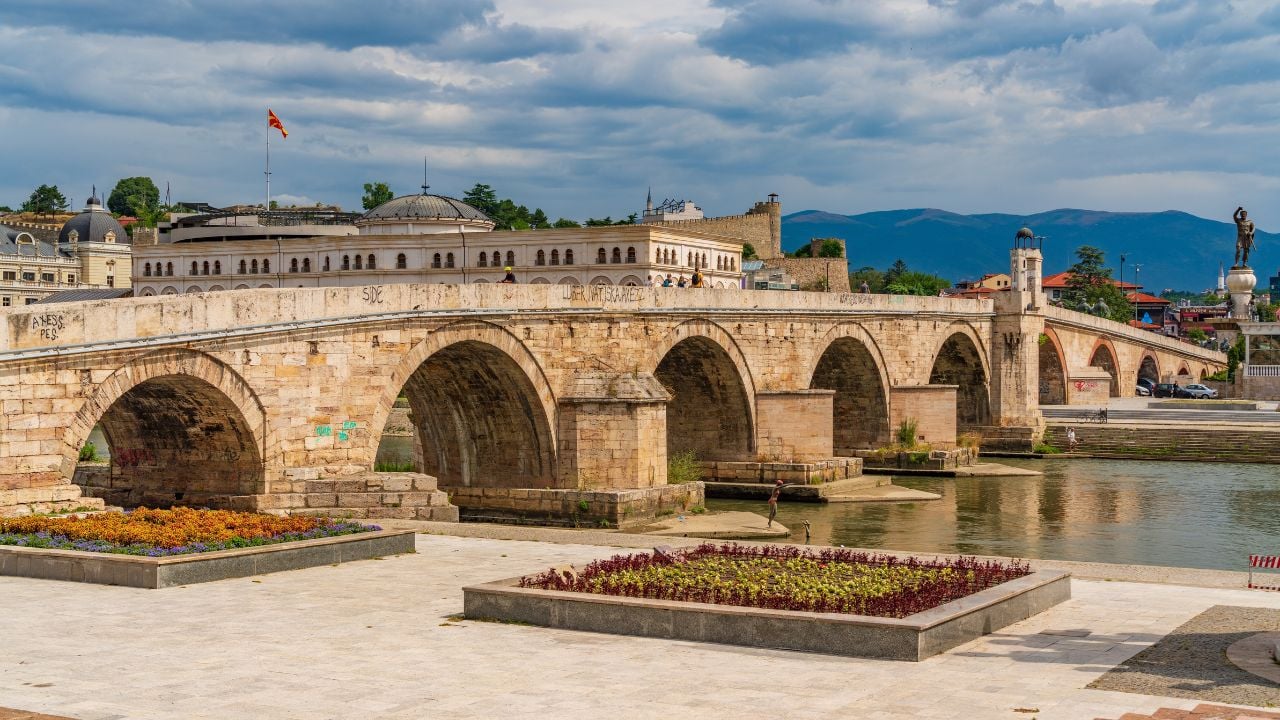
Not every country is a household name, and many travelers are surprised to learn that the world contains dozens of small sovereign nations hiding in plain sight. These miniature countries often offer dramatic landscapes, ancient traditions, and unique political identities that feel nothing like mainstream destinations.
While they may lack global marketing or famous skylines, they make up for it with authenticity, untouched beauty, and fascinating backstories. Visiting them feels less like tourism and more like joining an exclusive club of travelers who love rare discoveries.
These small nations remind us that travel is not defined by popularity but by experiences, conversations, and perspective. Many of them sit between famous borders, hidden on remote islands, or tucked inside larger countries where most tourists never realize they exist. They can provide the perfect escape from overcrowded hot spots while offering cultural immersion that feels personal instead of commercial. If you love destinations that spark curiosity and bragging rights, these are your new top contenders.
San Marino
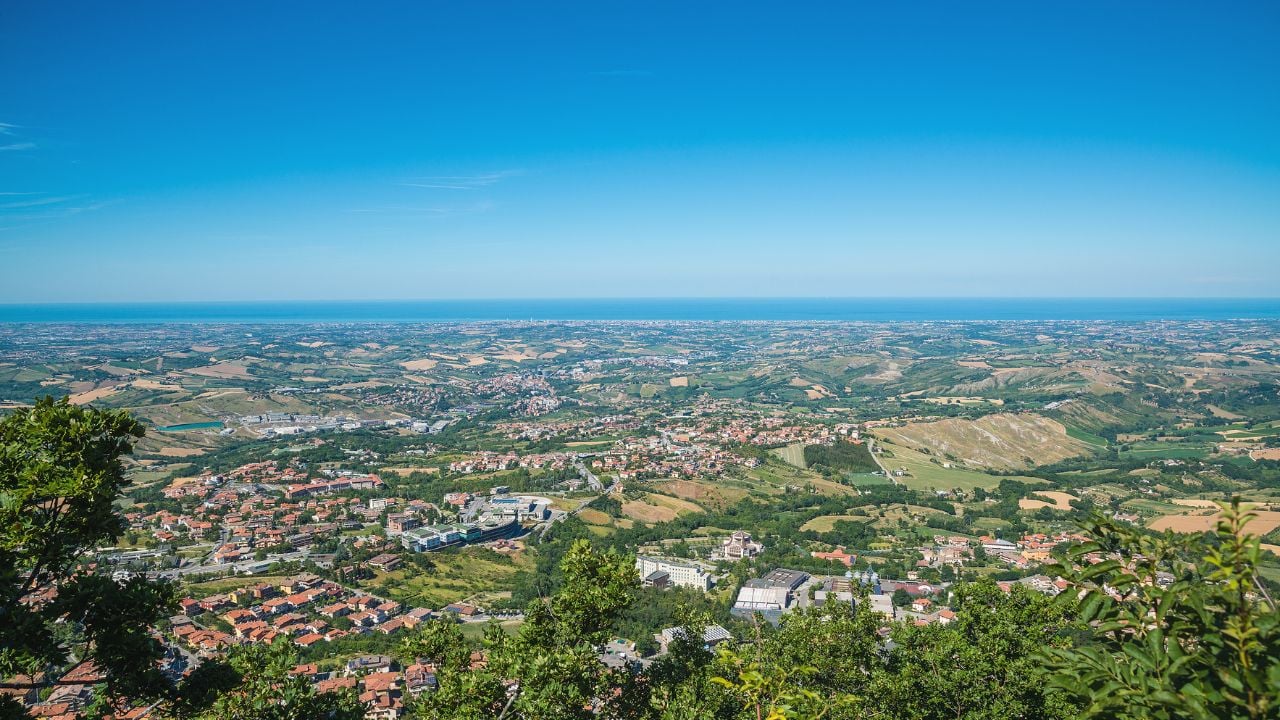
San Marino is a mountaintop microstate completely surrounded by Italy, offering medieval castles, stone streets, and dramatic cliff-edge views that look straight out of a historical fantasy film. Despite being one of the world’s oldest republics, many tourists visit nearby Rimini beaches without realizing a sovereign nation sits just above them.
Its fortified towers, narrow alleys, and hidden museums create the feeling of stepping back in time while still enjoying modern cafés and boutique shops. San Marino even has its own government, army, and border control, though entering feels effortless and welcoming.
The people are proud of their heritage, yet they maintain a calm, relaxed environment that feels peaceful and unbothered by global tourism trends. Prices are refreshingly reasonable compared to major Italian cities, making it a great day-trip or weekend escape for budget-savvy travelers. Sunsets from Mount Titano are unforgettable, especially when fog settles below the cliffs and transforms the view into a dreamy medieval cloud kingdom. It’s one of Europe’s best kept secrets, hiding in plain sight.
Tuvalu
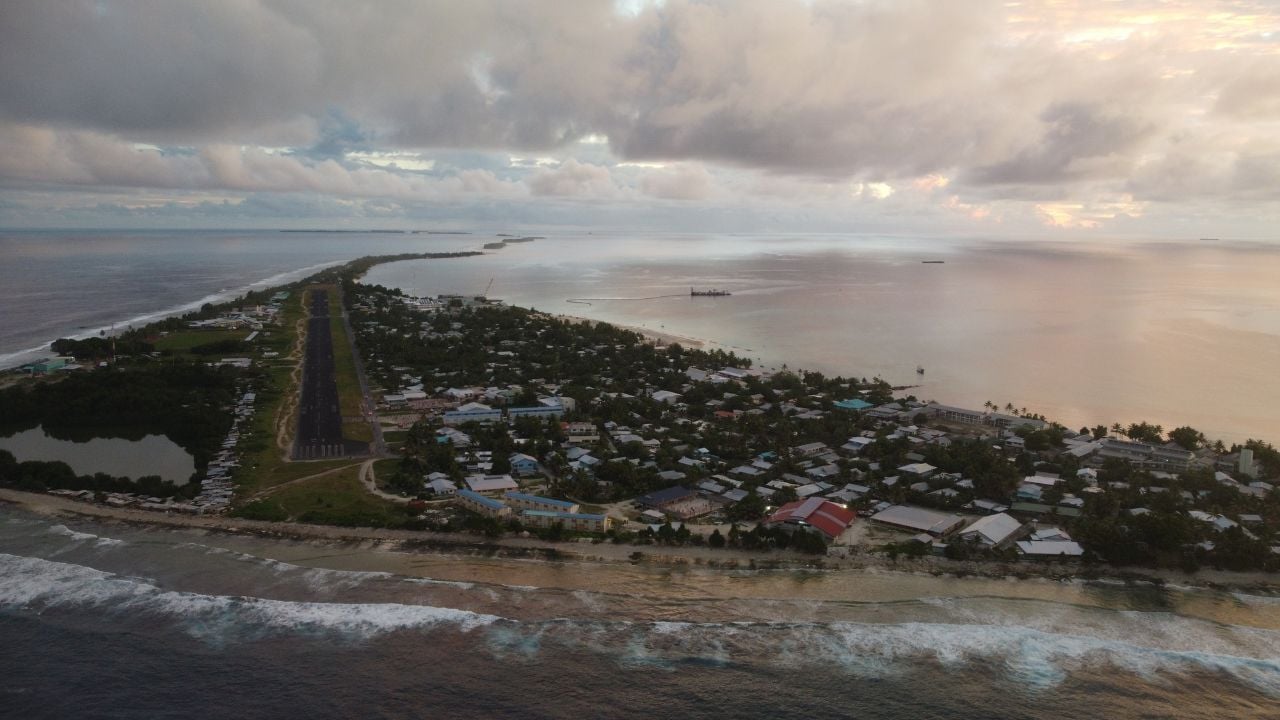
Tuvalu sits in the heart of the Pacific Ocean and is one of the world’s smallest and least-visited island nations, accessible only by limited flights that feel more like private charters than commercial routes. The country is made up of coral atolls, turquoise lagoons, and slow-paced island villages where life revolves around community instead of consumerism.
There’s no major tourism industry, no large resorts, and no noisy nightlife, making it ideal for travelers seeking pure tranquility. Its untouched environment allows visitors to experience authentic island life without typical tourist distractions.
Tuvalu is also one of the most vulnerable countries to rising sea levels, adding a sense of urgency and importance to any visit. Guests are welcomed with smiles, traditional music, and cultural warmth that reflects deep Polynesian heritage. Night skies are shockingly clear, revealing stars and constellations often hidden by pollution in more developed regions. Visiting Tuvalu feels like entering a disappearing paradise that few will ever see.
São Tomé and Príncipe
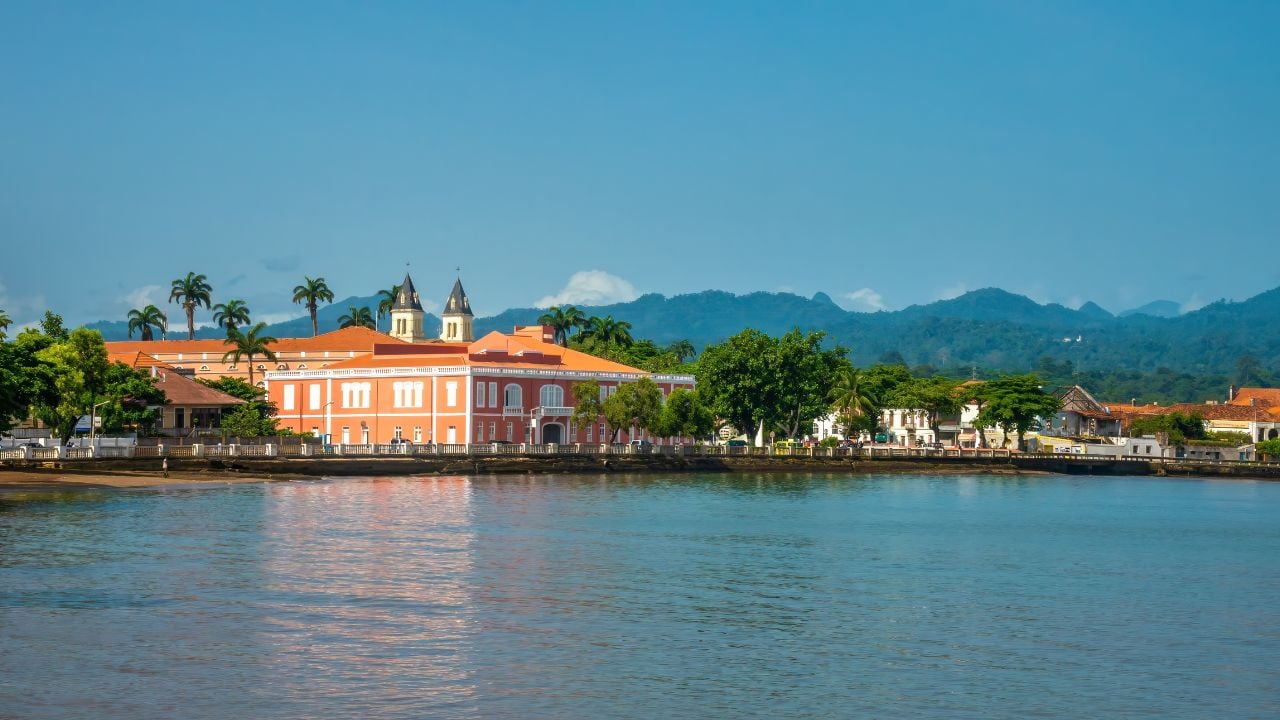
Located off the coast of Central Africa, São Tomé and Príncipe is a lush island nation filled with volcanic peaks, cocoa plantations, and emerald rainforests that feel untouched and cinematic. Tourism is low-volume but high-quality, with eco-lodges and quiet beaches perfect for nature lovers who avoid mass tourism. The country’s colonial history blends with African rhythms, producing unique architecture, cuisine, and cultural traditions. It feels remote and luxurious, yet surprisingly humble and friendly.
Birdwatchers, hikers, and adventure travelers consider it a hidden paradise where wildlife flourishes without crowds. Príncipe Island, a UNESCO Biosphere Reserve, looks like a scene from Jurassic Park thanks to its misty mountains and basalt rock formations. The seafood is incredibly fresh, with flavors influenced by Portuguese heritage and local ingredients. If you want a destination that feels untouched and undiscovered, this is it.
Comoros
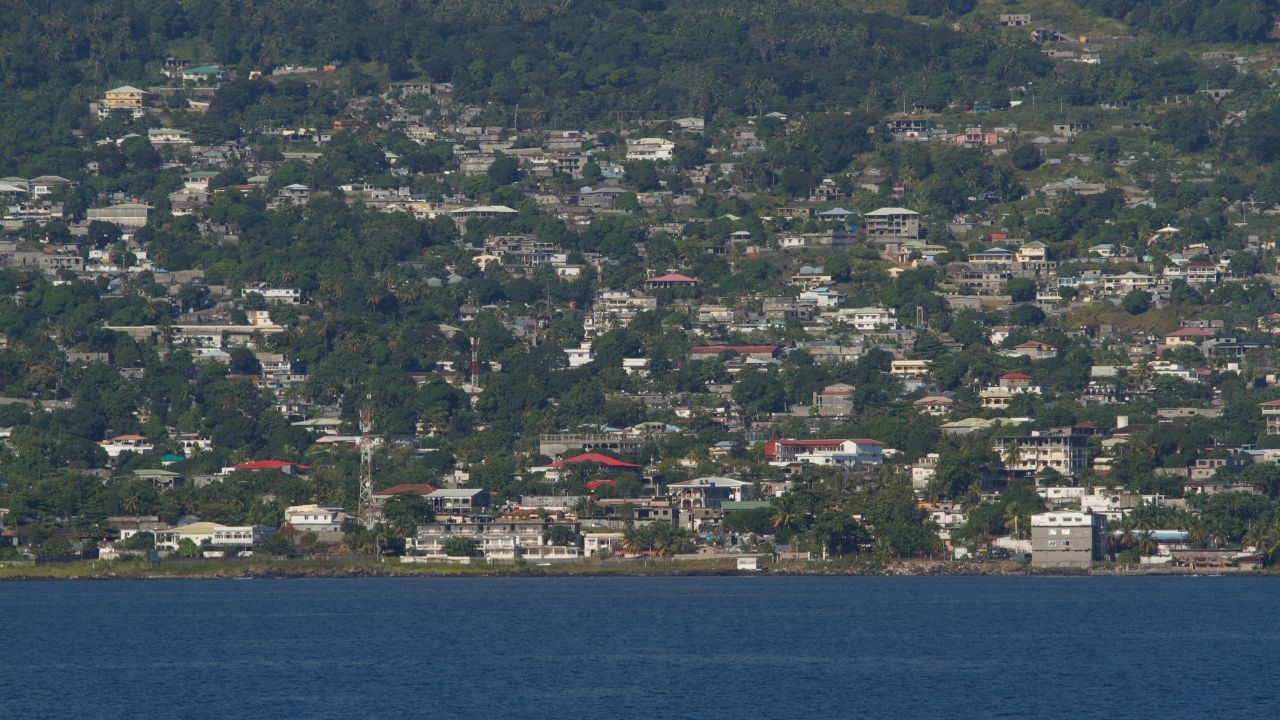
Comoros is a tiny volcanic archipelago located between Madagascar and Mozambique, known for its perfume-scented air due to ylang-ylang plantations that supply global fragrance brands. Its beaches are stunning and often completely empty, offering white sand, warm water, and coral reefs without commercialization. The country blends African, Arab, and French influences, creating a culture unlike anywhere else in the world. Despite its beauty, Comoros receives very few international tourists, keeping it authentic and quiet.
Exploring Comoros is about slow living, friendly interactions, and nature-driven adventures with no artificial polish. Water activities include snorkeling with sea turtles and humpback whale watching that feels personal rather than staged. Volcano trekking on Mount Karthala provides breathtaking views and is considered one of the region’s most underrated hikes. Comoros is a treasure for travelers who prefer raw beauty over curated perfection.
Kiribati
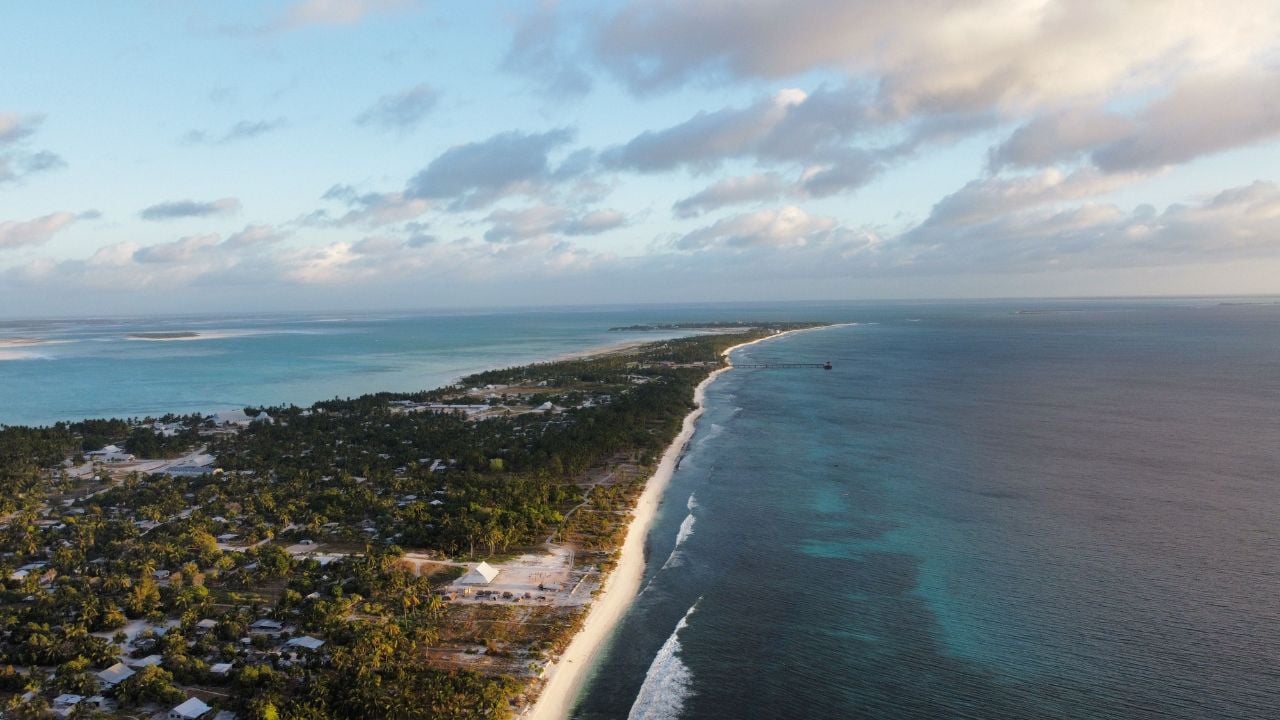
Kiribati stretches across the world’s largest ocean territory, spanning the equator and reaching into all four hemispheres, making it geographically mind-blowing. It is made up of 33 atolls and reef islands with impossibly clear lagoons, palm-lined beaches, and friendly fishing villages where locals still live traditionally. Tourism is minimal due to its remote location, making every visit feel meaningful and unique. You won’t find luxury resorts or giant cruise docks, but you will find real island culture.
Kiribati is also a place where climate science becomes personal, as locals witness environmental changes firsthand. Travelers are encouraged to learn, respect, and support sustainability rather than treat the land as temporary entertainment. Traditional dance, canoe building, and storytelling are still valued and shared with genuine pride. Kiribati is a destination for travelers who care more about connection than convenience.
Andorra
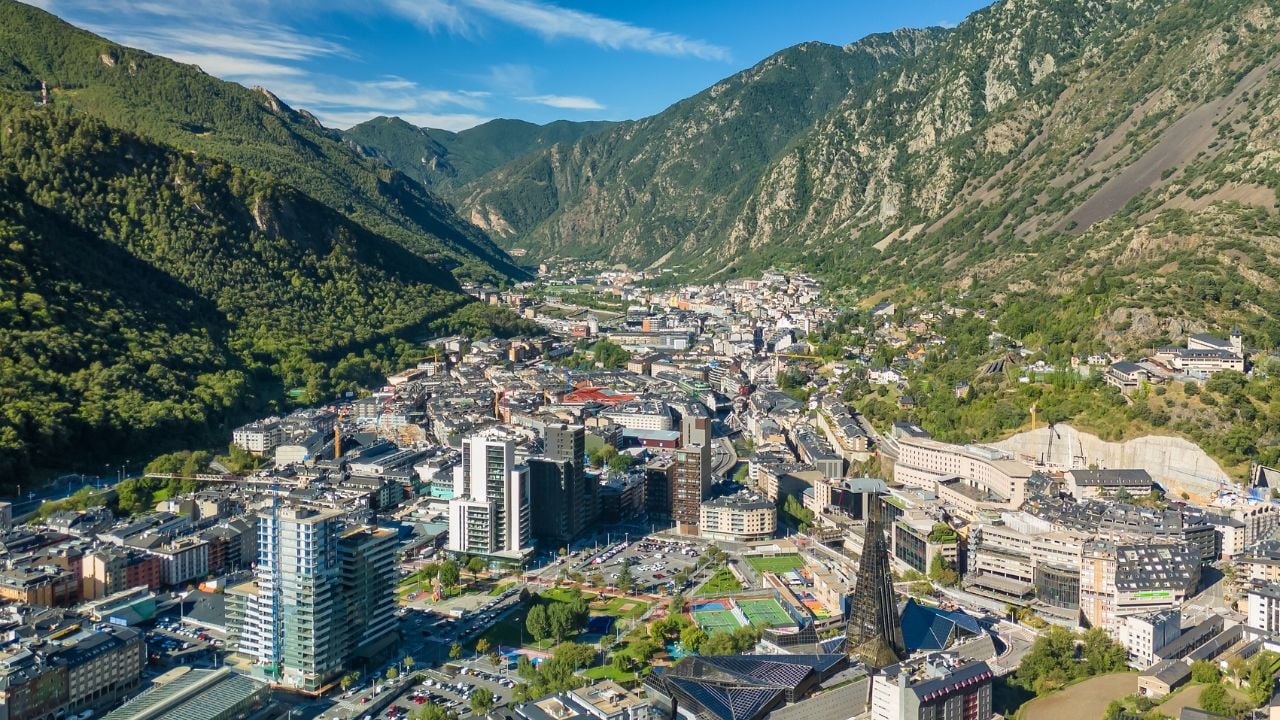
Andorra sits high in the Pyrenees between Spain and France, blending luxury ski culture with tiny-nation charm. It is known for duty-free shopping, mountain scenery, and well-maintained hiking trails that attract active travelers year-round. Even though it’s easy to reach by road, many still don’t realize it is an independent country with its own political system. Its cozy villages and stone architecture create a warm, European-storybook feeling.
Andorra’s affordability is a pleasant surprise compared to other European mountain destinations. Winter sports, thermal spas, and scenic drives offer great value without sacrificing experience. Locals are multilingual, welcoming, and deeply connected to their mountain culture. Andorra is perfect for travelers seeking nature, relaxation, and identity-rich culture in one small package.
Timor-Leste (East Timor)
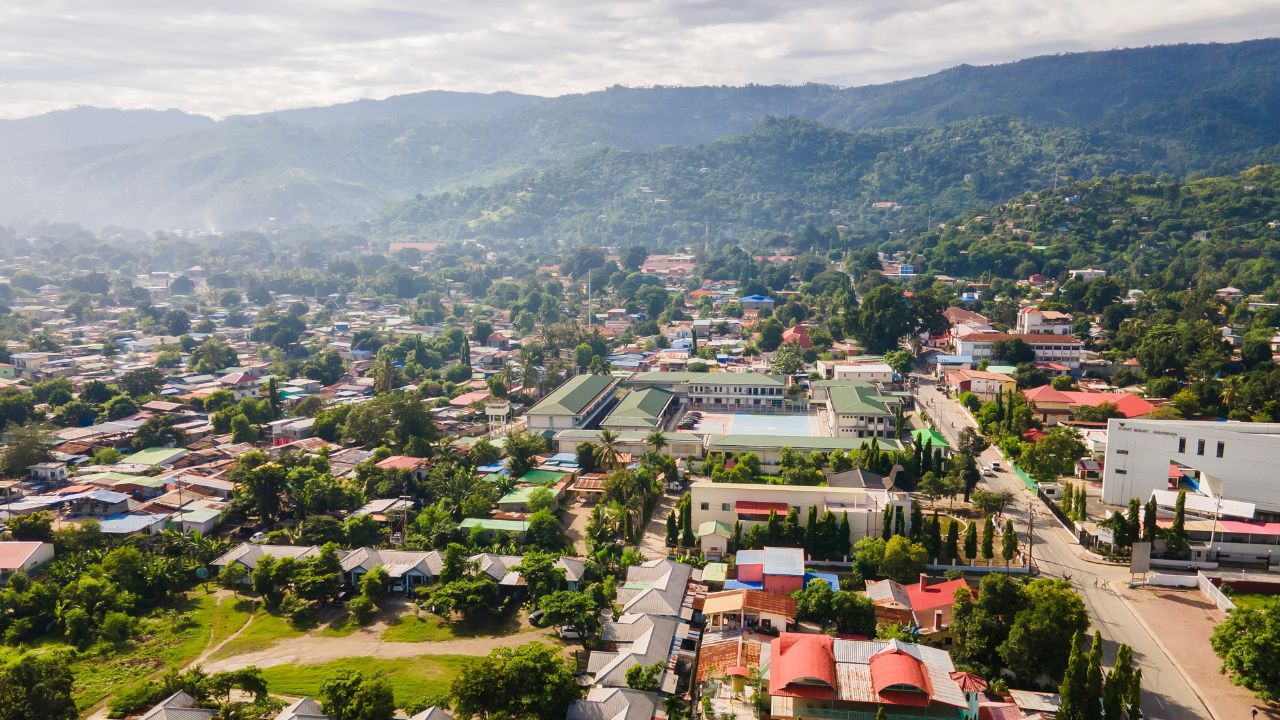
Timor-Leste is one of the world’s youngest nations, located between Indonesia and Australia, offering dramatic mountain landscapes, coral reefs, and rich cultural traditions. It remains far outside mainstream tourism, so you won’t find overcrowded beaches or chain hotels. Visitors encounter genuine local hospitality, strong storytelling traditions, and sacred ancestral customs. Its tourism potential is massive, but still untouched.
For divers, Timor-Leste offers world-class underwater experiences with healthy coral systems and marine life rarely disturbed by tourism. The country also provides challenging mountain trekking, including stunning sunrises from Ramelau Peak. Traveling here supports development and helps preserve unique cultural identity. Those who visit say it feels like discovering Southeast Asia before modernization.
Liechtenstein
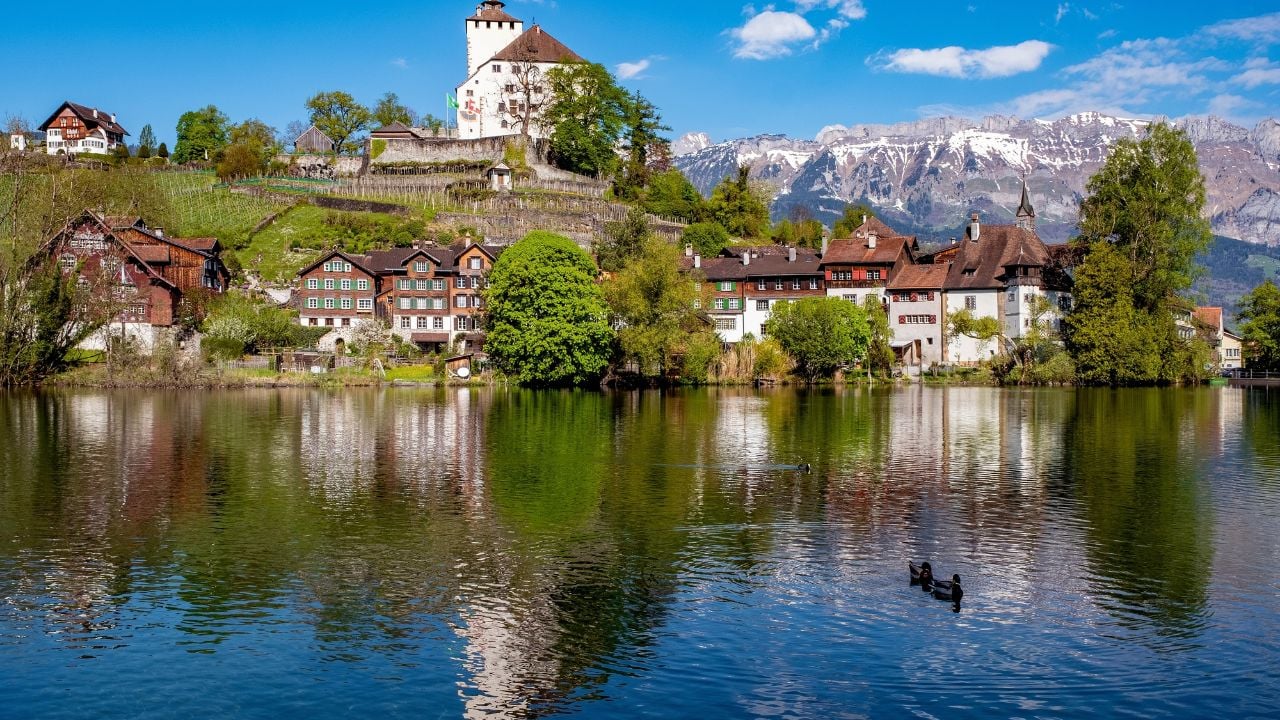
Liechtenstein is a tiny alpine nation between Switzerland and Austria, known for its fairytale mountain scenery and peaceful villages. It is one of the world’s richest microstates, yet it feels humble, quiet, and refreshingly simple. Visitors enjoy scenic hiking trails, small museums, and castle views rather than crowded tourist zones. Vaduz Castle, still home to the royal family, makes the capital feel like a postcard town.
The country is shockingly clean, organized, and punctual, reflecting its Swiss-influenced standards. Winter brings excellent skiing without the celebrity-priced resorts found nearby. Locals value privacy and serenity, making it ideal for calm, respectful travelers. Liechtenstein proves that luxury doesn’t need noise.
Palau
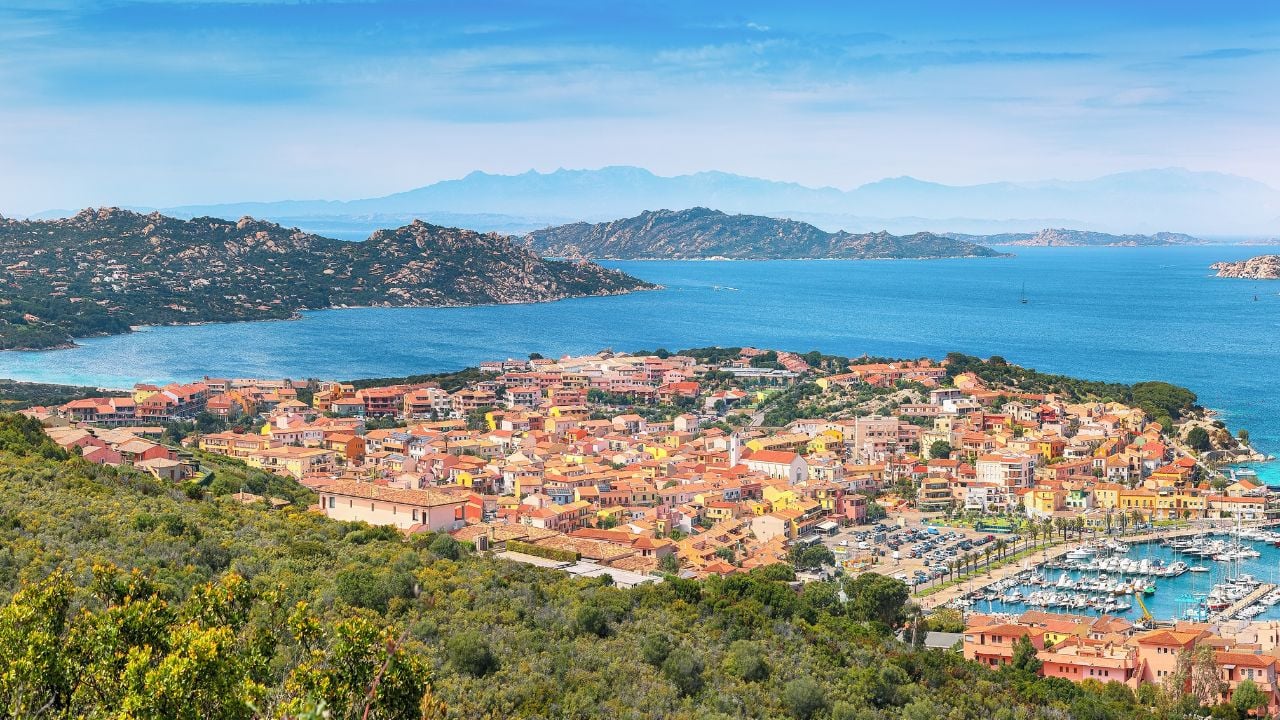
Palau lies in the western Pacific and is famous for its surreal rock islands, blue lagoons, and pristine marine reserves. It was one of the first nations to legally protect its entire ocean territory, placing conservation above tourism profits. Diving here is considered among the best on Earth, with jellyfish lakes, underwater caves, and untouched coral walls. The islands feel like a living nature documentary.
Palau also encourages eco-friendly tourism, requiring visitors to pledge environmental responsibility upon arrival. Local culture emphasizes respect for land, sea, and community wisdom. Its beauty, climate, and marine diversity make it feel like a hidden paradise built for ocean lovers. Palau is perfect for travelers seeking nature-first philosophy and unreal underwater exploration.
Nauru
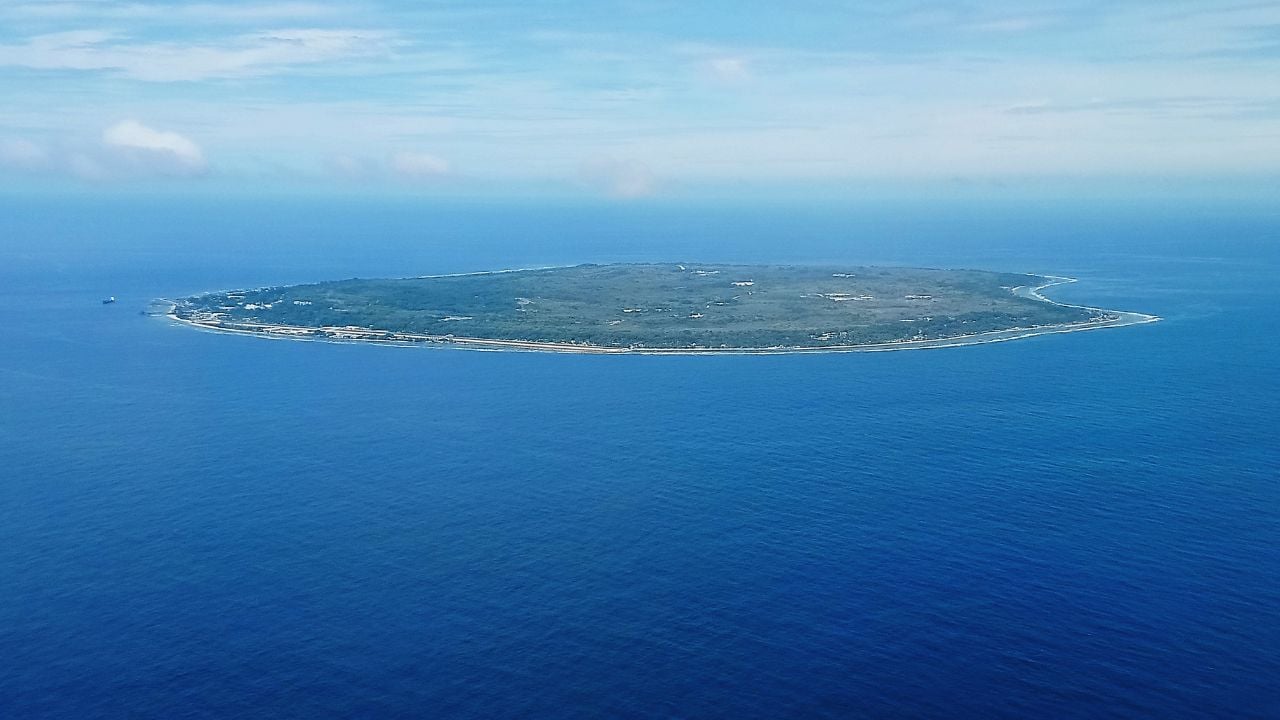
Nauru is one of the smallest and least visited countries in the world, sitting alone in the Pacific with only one main road circling the island. There is little tourism infrastructure, meaning a visit feels like a true off-grid adventure. Former phosphate mining left unusual lunar-like landscapes that are both haunting and fascinating. Beaches are quiet, local life is simple, and everything moves at a surprisingly slow pace.
Travelers come not for luxury but for the rarity and storytelling value of experiencing one of Earth’s most isolated nations. Nauru’s small size creates a sense of community where locals recognize and welcome visitors quickly. Walking or biking around the entire island in a few hours is a unique travel badge on its own. It is a destination for fearless explorers who value uniqueness over convenience.
Eswatini (Swaziland)
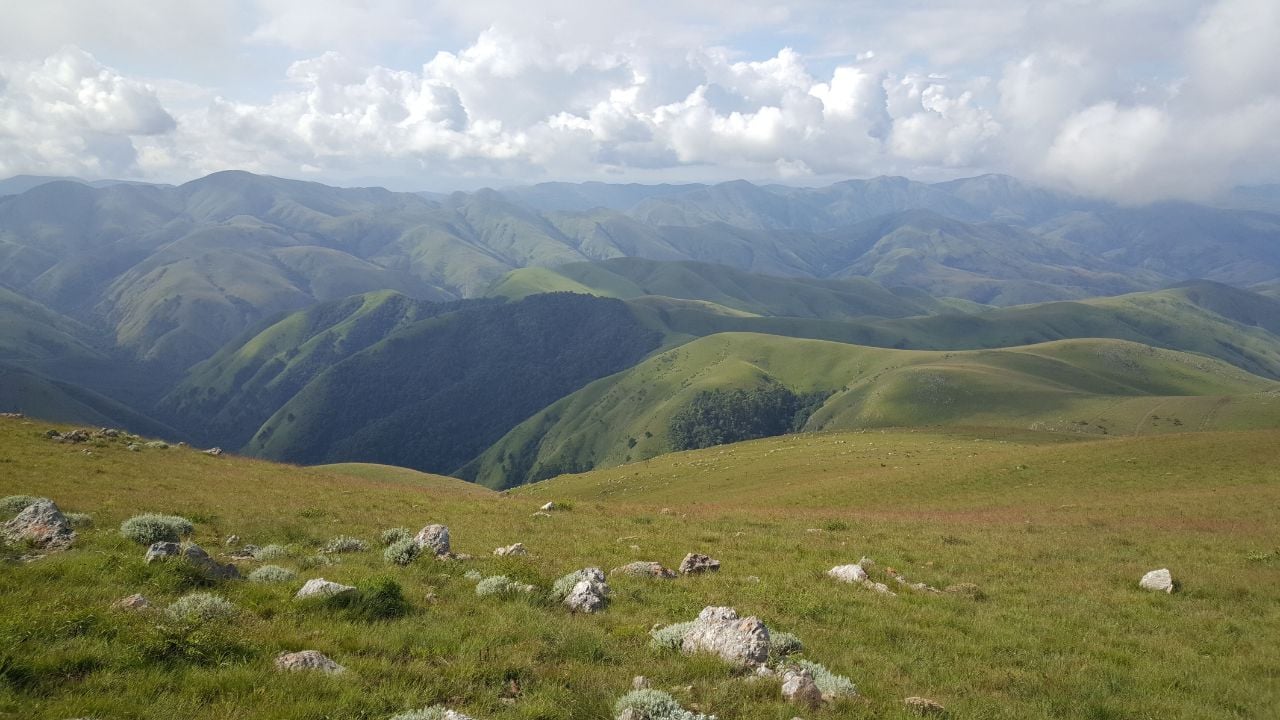
Eswatini, one of Africa’s smallest countries, is rich in culture, wildlife, and royal tradition, nestled between South Africa and Mozambique. It offers safari experiences without overcrowded parks or high-budget tourism. Cultural festivals like Umhlanga and Incwala provide rare insight into traditional leadership and community rituals. Rolling hills, craft markets, and peaceful valleys add to its charm.
Despite its size, Eswatini maintains a strong cultural identity and proud monarchy. Eco-lodges and community tourism projects help preserve wildlife and heritage. The atmosphere is warm, respectful, and community-focused, making it easier to form meaningful interactions. Eswatini is proof that small nations can still offer large experiences.
Antigua and Barbuda

This dual-island nation in the Caribbean is famous for having 365 beaches, one for every day of the year, yet many travelers still overlook it for more commercial islands. Antigua attracts sailors, beach lovers, and history fans with preserved colonial harbors and calm turquoise waters. Barbuda, the quieter sister island, is known for pink sands and wildlife sanctuaries that feel untouched. The combination offers both luxury escape and natural simplicity.
Visitors enjoy water sports, sailing festivals, and relaxed island dining that avoids flashy commercial energy. Local culture emphasizes music, heritage, and warm hospitality, making travelers feel genuinely welcomed. Coral reefs and protected coastlines offer incredible snorkeling and wildlife viewing. It’s a sun-loving paradise that deserves far more recognition.
North Macedonia

North Macedonia sits in the Balkans, blending ancient ruins, mountain lakes, and hidden monasteries with a culture that feels both Eastern and Mediterranean. Lake Ohrid, one of Europe’s oldest lakes, is a UNESCO treasure that many travelers have never heard of. The capital, Skopje, mixes Ottoman history, modern monuments, and quirky architecture that sparks curiosity and debate. The country is affordable, scenic, and extremely welcoming.
Local cuisine feels home-cooked, flavorful, and deeply rooted in tradition, making meals part of the cultural experience. Scenic hiking routes and national parks remain largely uncrowded, creating a peaceful alternative to over-touristed European spots. Travelers often leave surprised by the beauty, value, and friendliness they encounter. North Macedonia is a small, underrated powerhouse of culture and scenery.