
For travelers used to leaving a few extra bills at every meal, visiting a country where tipping isn’t expected can feel strange, even a little uncomfortable. Yet around the world, there are many cultures where service is already included, where gratitude is expressed differently, and where tipping can even come across as rude.
Understanding these customs not only saves money but also helps travelers show respect for local traditions. It’s about adjusting your expectations, slowing down, and recognizing that generosity doesn’t always come with a dollar sign.
In these destinations, excellent service comes from pride, not pressure, and workers are paid fair wages without relying on tips. Sometimes a simple smile or “thank you” means more than cash on the table. Knowing when not to tip can make your travels smoother, less awkward, and more culturally connected. So before you reach for your wallet abroad, take a look at these 15 countries where tipping just isn’t part of the deal, and where good manners mean something completely different.
Japan

In Japan, tipping is considered unnecessary and even disrespectful because great service is already part of the culture. The Japanese take immense pride in their work, believing that providing perfection is its own reward.
Leaving extra money can confuse or offend staff, as if you’re suggesting they needed a financial incentive to do well. Instead, politeness, gratitude, and saying “arigato gozaimasu” with sincerity are the right ways to show appreciation. Whether you’re in a sushi bar, hotel, or taxi, your respect means more than cash.
Even upscale establishments include service charges, so tipping never crosses anyone’s mind. Many Japanese servers may even chase you down to return forgotten change rather than accept it. Travelers often find this refreshing, realizing that hospitality here comes from cultural values, not social expectations. It’s part of what makes Japan’s service world-renowned. In the end, the best tip you can offer is to follow etiquette and appreciate their precision and kindness.
South Korea

Tipping in South Korea is not part of daily life, and most locals don’t expect it. The culture values modesty and equality, so good service is simply a standard, not something extra. Trying to tip can lead to confusion or polite refusal, especially in family-run restaurants and taxis. Hotels or tourist spots may include small service fees, but it’s built into the total. The idea of rewarding someone with money for doing their job feels foreign here.
Instead, appreciation is shown through verbal thanks, small gestures, or returning as a loyal customer. Many Koreans believe genuine respect matters more than money exchanged over the table. Some high-end hotels may include service charges for foreign guests, but that’s the exception, not the rule. The local saying could be “service with sincerity, not for tips.” When visiting, simply enjoy the efficiency and kindness, your gratitude is all that’s required.
China

In China, tipping was long seen as a remnant of colonial times, so it remains largely uncommon today. While Western tourists sometimes try to leave tips, many locals find it awkward or unnecessary. In smaller towns and traditional restaurants, staff may even refuse extra money outright. The modern Chinese service industry operates on fixed wages and pride in professionalism, not personal bonuses. Only in big international hotels will you occasionally find tipping accepted.
For most travel situations, taxis, local eateries, and tours, tipping isn’t expected and might create confusion. Politeness, punctuality, and courteous behavior are far more appreciated. Travelers who adapt to this can avoid misunderstandings and enjoy smoother interactions. It’s also part of the joy of experiencing cultural differences firsthand. In China, respect is the ultimate currency, and good manners always pay off more than spare change.
Denmark

Denmark, like many Scandinavian countries, prides itself on fair pay and equality across all professions. Workers in restaurants, taxis, and hotels earn living wages, so tipping simply isn’t necessary. Most bills already include a service charge, ensuring no one relies on extra gratuities to make ends meet. Locals often round up small amounts out of convenience, but never as an obligation. The mindset is that good service is everyone’s right, not a privilege for those who pay extra.
Even fine-dining establishments maintain this rule, tips are optional and rarely expected. Visitors quickly appreciate how stress-free it feels to pay exactly what’s on the bill. There’s a quiet dignity to it, a reflection of Denmark’s emphasis on social balance and mutual respect. If you want to thank someone, a genuine “tak” (thank you) is more meaningful than coins. In Denmark, equality is built into the experience, and tipping feels out of place.
Sweden

In Sweden, tipping is viewed as a nice bonus but never an expectation. Most workers are well-compensated, and hospitality is treated as a professional career, not a side hustle. Rounding up to the nearest convenient amount is common, but leaving big tips might even embarrass someone. The Swedish believe everyone deserves fair treatment without dependence on customer generosity. That’s why you’ll rarely see locals leave more than a few extra kronor.
Service fees are often included, making transactions clear and easy. The culture’s focus on simplicity extends to dining, polite conversation and good manners are valued over flashy tipping. Visitors quickly notice how peaceful and fair the process feels. Servers take pride in providing excellent experiences regardless of reward. Sweden reminds travelers that gratitude can be expressed through words, not wallets.
Finland
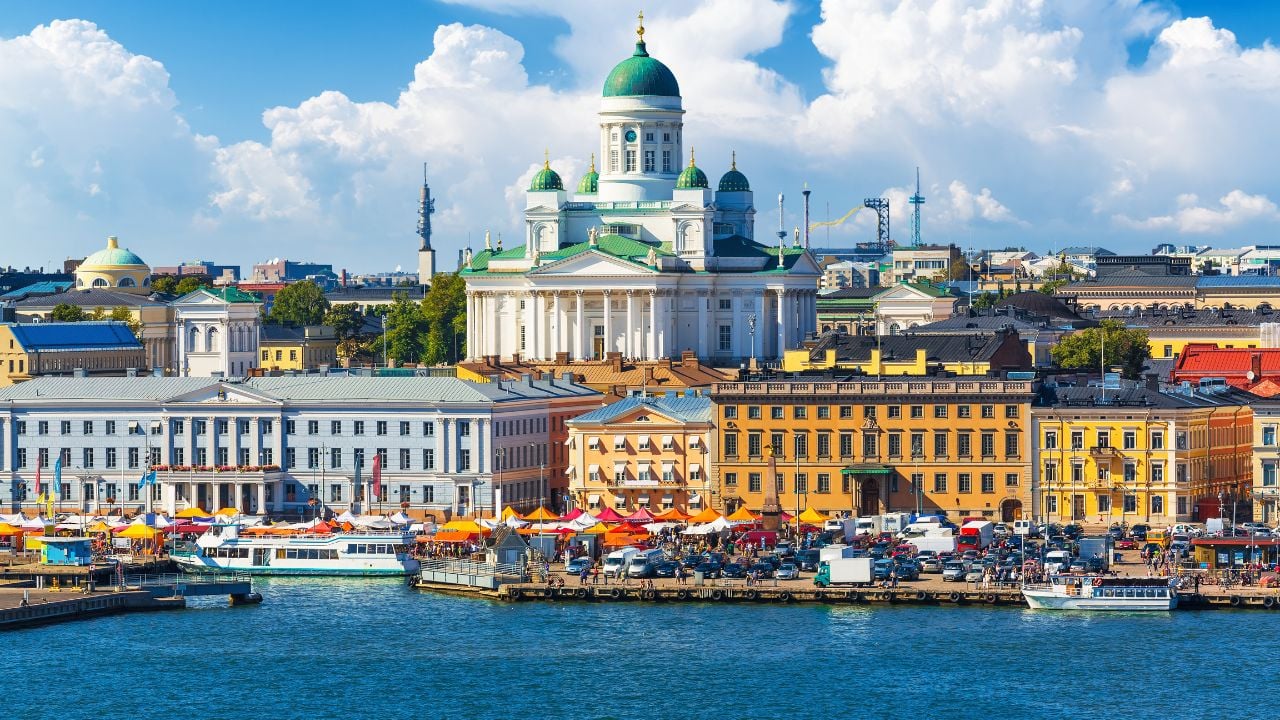
Finnish culture prizes honesty, equality, and professionalism, and that extends to service too. Tipping is uncommon because workers already earn fair wages and don’t rely on tips to supplement income. Most restaurants include service charges in the final bill, and extra gratuity might be politely refused. If you feel compelled to tip, rounding up slightly is fine but never necessary. The emphasis here is on fairness rather than financial reward.
In hotels and taxis, the same rule applies politeness counts, not pocket change. Finns value sincerity and modesty, so excessive tipping can feel uncomfortable. Instead, travelers can show respect by being punctual, polite, and appreciative. Service quality remains high regardless of payment because professionalism is expected. It’s a refreshing reminder that in Finland, excellence is part of the culture, not a transaction.
Norway

Norway’s high standard of living means tipping is more of an optional nicety than a social rule. Restaurant and hotel employees earn strong salaries, and service charges are typically built into prices. Locals rarely leave extra money and often find the American-style tipping culture excessive. Even taxi drivers expect only the exact fare unless you insist otherwise. The system feels transparent and fair, leaving everyone at ease.
Still, if service exceeds expectations, rounding up is appreciated but not required. Norwegians take pride in treating all professions with respect and equality. It’s part of the country’s cultural DNA, that dignity doesn’t need to be bought. Travelers often find it liberating to relax without calculating percentages after every meal. In Norway, politeness and gratitude go further than any added cash.
Iceland

In Iceland, tipping is practically unheard of, even in high-end restaurants or tour groups. Wages are strong, and service charges are automatically included in the price. Locals believe kindness and courtesy should be part of every interaction, not something bought with extra money. Tourists who try to tip are often met with confusion or friendly refusal. The country’s hospitality culture is built on trust and fairness, not gratuities.
Whether you’re enjoying geothermal spas or dining on fresh seafood, the price you see is what you pay. This approach reflects Iceland’s values of transparency and equality. Visitors can focus on experiences, not etiquette anxiety. Smiles and thank-yous mean more than bills left behind. In Iceland, the warmest exchanges are those that cost nothing.
New Zealand

New Zealanders take pride in their laid-back, friendly service, and they don’t expect tips for it. Wages are fair, and the idea of tipping feels unnecessary in most situations. Locals view genuine friendliness as part of the Kiwi spirit, not a performance for money. Tourists who try to tip may find staff pleasantly surprised but quick to decline. The culture prefers casual gratitude over formal gestures.
Restaurants and hotels already include all charges, keeping things simple. If you really want to thank someone, a kind word or online review goes further than cash. New Zealanders believe service should be genuine, not transactional. This relaxed approach makes dining and travel feel effortless and comfortable. In the Land of the Long White Cloud, authenticity matters more than gratuity.
Australia

Australia’s tipping culture is minimal because wages are among the highest in the world. Locals don’t rely on gratuities, and service is expected to be consistently good for everyone. Tourists may notice tip jars in cafés, but contributions are entirely optional. Rounding up or leaving small change for exceptional service is appreciated, not assumed. The national attitude is that doing your job well is reward enough.
This egalitarian mindset keeps social interactions easygoing and natural. Australians value sincerity and friendliness over formal politeness. Many visitors find it refreshing that there’s no pressure or awkward math at the end of a meal. Workers take pride in their roles without expecting extra incentives. In Australia, tipping is a choice, not a chore.
Switzerland

In Switzerland, the cost of living is high, but so are wages, which means tipping is already built into prices. Most restaurants and taxis include service fees, and customers are never expected to add more. Locals might round up a few francs for convenience, but never out of obligation. The Swiss prefer clarity and professionalism over social guessing games. This makes every transaction simple, clean, and polite.
Even in upscale dining, servers treat all guests equally regardless of tipping habits. Visitors quickly learn to appreciate the efficiency of this system. Politeness, punctuality, and calm behavior count far more than loose change. For the Swiss, quality service is part of the product, not an emotional exchange. It’s one of the many reasons why Switzerland feels effortlessly organized.
France

In France, tipping exists, but not the way Americans know it. A 15% service charge is already included in restaurant bills by law, meaning staff are compensated fairly. Leaving a few extra coins or rounding up is a gesture of appreciation, not an expectation. Locals almost never tip in cafés or casual spots, and doing so can look overly formal. The French believe good service is a standard, not something to purchase.
Taxi drivers, waiters, and bartenders all receive fair wages through built-in pricing. Tourists often find it liberating to enjoy a meal without calculating percentages. A simple “merci beaucoup” goes further than extra euros. This approach reflects France’s focus on dignity and quality in every profession. Here, gratitude is cultural, not commercial.
Italy

In Italy, tipping is relaxed and infrequent because “service charge” (coperto) is already included in most bills. Locals rarely tip unless service is truly exceptional. The culture values relationships over transactions — being a friendly guest means more than leaving extra cash. Tourists can safely follow local customs without fear of seeming rude. Restaurants prefer that visitors enjoy themselves without overthinking etiquette.
Italians see hospitality as an art form, not a financial exchange. If you want to show thanks, compliment the food or the chef. In cafés, rounding up small amounts is polite but optional. The focus is on connection, conversation, and the joy of sharing a meal. Italy teaches travelers that gratitude is best expressed through warmth, not money.
Singapore

Singapore’s service industry is efficient, structured, and largely tip-free. A 10% service charge is automatically added to most restaurant bills, covering staff compensation. Locals almost never tip in taxis, hotels, or cafés, and doing so can feel unnecessary. The country prides itself on fairness and professionalism, where good service is guaranteed by design. This clarity makes every interaction smooth and straightforward.
Visitors appreciate how easy it is to pay exactly what’s listed without confusion. Staff members are friendly and attentive without expecting anything extra. Even luxury hotels maintain the same principle, keeping experiences stress-free. The Singaporean approach ensures everyone is treated equally, whether local or tourist. Here, gratitude is expressed through respect and courtesy, not cash.
South Africa

Tipping norms in South Africa are shifting, but many locals still view excessive tipping as foreign. While small gestures are welcome, large tips can create awkwardness or misunderstanding. In local markets, community eateries, and rural lodges, kindness and conversation matter most. Some upscale restaurants include service charges to simplify things. The focus remains on fairness and respect rather than financial reward.
Tourists can offer gratitude through compliments or support for local initiatives. Workers appreciate engagement and cultural curiosity far more than loose bills. Tipping modestly, if at all, shows awareness of local norms. This mindful approach strengthens connections between visitors and hosts. In South Africa, generosity begins with understanding, not money.