Few decades in automotive history are as instantly recognizable as the 1980s. From angular styling to bright graphics and futuristic gadgets, it was a time when cars weren’t afraid to make a statement. The decade’s design language was bold, experimental, and a little bit weird, in the best possible way.
Not every idea from that era was original to the ’80s, but this was the decade that made them iconic. Pop-up headlights, digital dashboards, and two-tone paint schemes may have existed before, yet they became part of the cultural shorthand for what “the future” looked like at the time.
Modern cars might be more refined and efficient, but they’ve also lost some of that playful personality and fearless creativity. These 1980s trends remind us that sometimes, standing out is more memorable than blending in. Here are a few that deserve a comeback.
Pop-Up Headlights

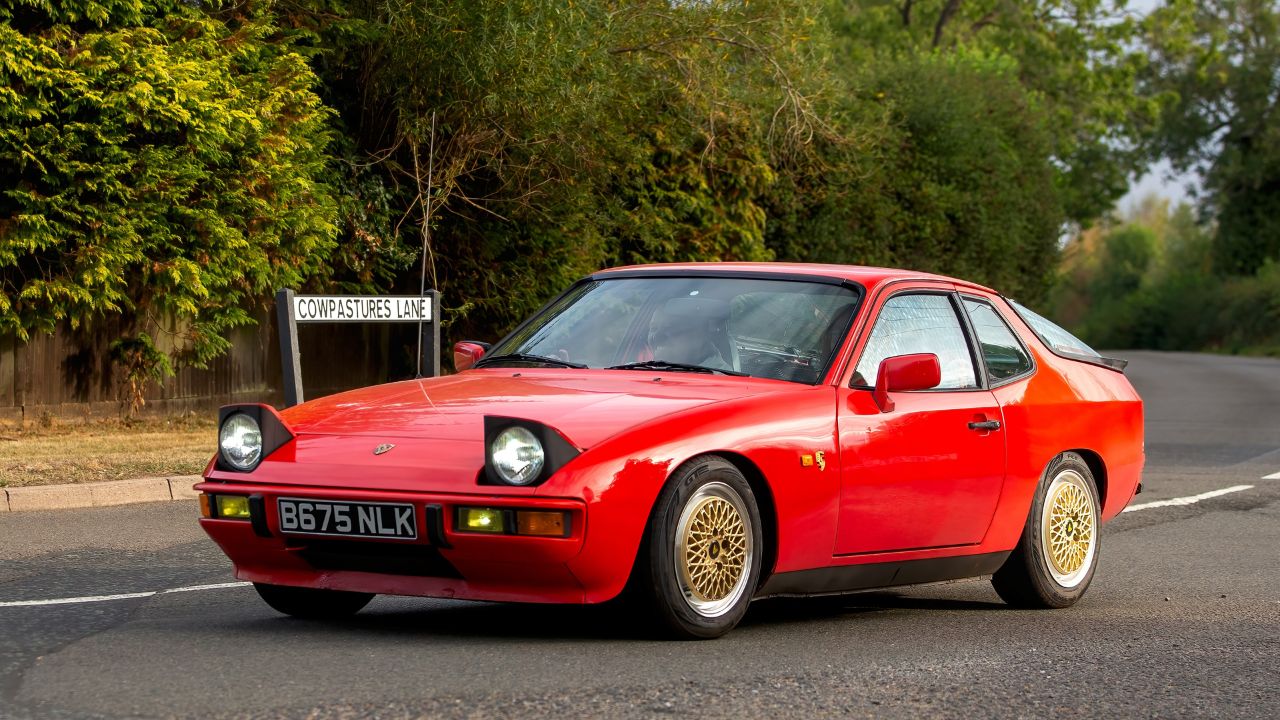
Few automotive features screamed “cool” quite like pop-up headlights, which reached their peak popularity in the 1980s. Cars like the Mazda RX-7, Pontiac Fiero, and Toyota MR2 used them to maintain sleek, aerodynamic profiles during the day while still meeting headlight height regulations.
Unfortunately, a combination of pedestrian protection concerns, changing lighting requirements, and the cost and complexity of the mechanisms made pop-up headlights increasingly impractical by the early 2000s. Still, with modern collision avoidance systems and softer materials, there might be a way to bring back this iconic look safely.
Digital Dashboards

The futuristic digital instrument clusters of 1980s cars like the Chevrolet Corvette and Nissan 300ZX were genuinely ahead of their time. While early versions could be hard to read in certain lighting and sometimes felt gimmicky, the concept of customizable, electronic displays has proven its worth.
Modern digital dashboards have vindicated this 1980s experiment, but they’ve lost some of that era’s personality and optimistic vision of the future in favor of more conservative designs.
T-Tops and Removable Roof Panels
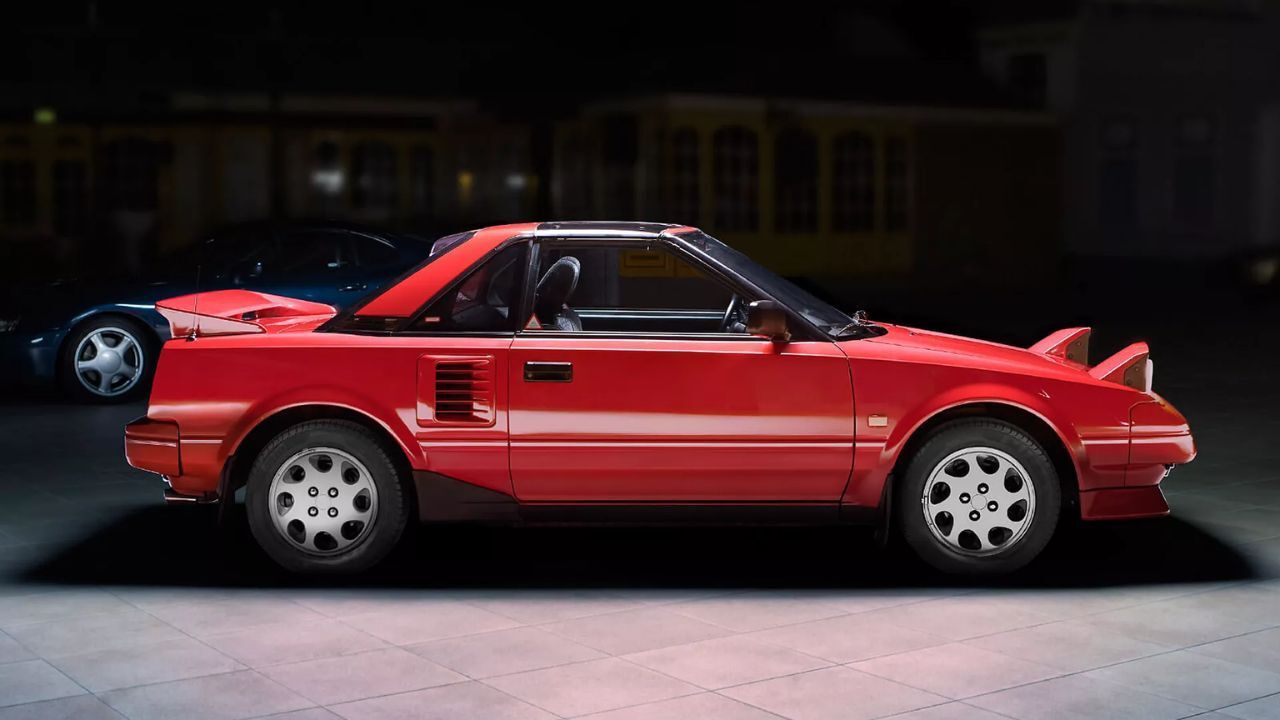
T-tops gave drivers most of the open-air experience of a convertible while typically keeping more rigidity than a full convertible and preserving rear seat space. The Chevrolet Camaro, Pontiac Firebird, and Nissan 300ZX made these removable glass or metal roof panels hugely popular.
Today’s panoramic sunroofs don’t quite deliver the same experience, and bringing back removable panels would give drivers more flexibility without the commitment of a full convertible.
Two-Tone Paint Jobs

The 1980s embraced bold two-tone paint schemes that divided cars horizontally, often with a darker bottom half meeting a lighter top. This wasn’t just about aesthetics; the darker lower sections helped hide dirt and road grime.
Modern cars tend to play it safe with monochrome paint, but thoughtful two-tone designs could add visual interest and personality to today’s similar-looking crossovers and sedans.
Sporty Economy Cars

The 1980s proved that affordable cars didn’t have to be boring with models like the Honda CRX, Volkswagen GTI, and Dodge Omni GLH. These cars prioritized handling, driver engagement, and fun over raw power or luxury features.
While we have some hot hatches today, the market has largely shifted toward making even economy cars feel isolated and comfort-focused rather than engaging and connected to the road.
Manual Transmission Options on Everything

In the 1980s, you could get a manual transmission in nearly any car, from basic economy vehicles to luxury sedans and sports cars. This gave buyers more control, better fuel economy, and lower maintenance costs.
Today, manuals have become rare and are often only available on performance models, which is a shame since many drivers still appreciate the engagement and control they provide.
Gauge Clusters That Told You Everything

Cars in the 1980s often featured comprehensive gauge clusters with dedicated readouts for oil pressure, voltage, coolant temperature, and more. Many modern cars have reduced the number of dedicated gauges, leaning more on warning lights and menus that can wait to alert you until a threshold is crossed.
Having actual gauges lets drivers monitor their vehicle’s health proactively and catch small issues before they become expensive problems.
Boxy, Upright Design

The angular, upright styling of 1980s cars wasn’t just a design trend; it created excellent visibility and interior space efficiency. Cars like the Volvo 240 and Toyota Tercel had large windows and thin pillars that made them easy to see out of.
Today’s vehicles prioritize aerodynamics and crash safety, resulting in thick pillars and small windows that create significant blind spots and make parking more difficult.
Simple, Repairable Engines

Before engines became covered in plastic shrouds and filled with complex electronics, 1980s cars were relatively straightforward to work on. Spark plugs were accessible, you could actually see the engine components, and basic maintenance didn’t require specialized diagnostic equipment.
While modern engines are more powerful and efficient, there’s something to be said for designs that allow owners to perform their own routine maintenance.
Talking Cars
.jpg)
Before Alexa and Siri, there was Chrysler’s Electronic Voice Alert. Introduced in the early 1980s, it used Texas Instruments speech synthesis hardware from the same family of chips found in Speak & Spell toys to deliver spoken warnings like “Door Is Ajar” and “All Monitored Systems Are Functioning.”
Later versions expanded the message set, including on the Chrysler New Yorker, adding more spoken alerts like “Your Engine Oil Pressure Is Critical. Engine Damage May Occur,” and “Your Keys Are In The Ignition.” It was futuristic, a little over the top, and totally ’80s.
Today’s cars rely on sterile beeps and icons, but with modern voice synthesis, there’s no reason spoken alerts couldn’t make a comeback. Chrysler’s talking cars may have been primitive, but they hinted at the future of human-machine conversation.
Velour Interiors

Before leather became the default premium material, velour upholstery was everywhere in 1980s cars. It was comfortable, warm in winter, cool in summer, and far more durable than people remember.
Modern cloth seats have improved, but the soft, plush feeling of quality velour has been lost in favor of leather that requires constant maintenance and becomes uncomfortable in extreme temperatures.
Color-Keyed Interiors

The 1980s weren’t afraid of interior color, offering burgundy, blue, tan, and even red dashboard and door panel options that matched or complemented the exterior. Today’s cars default almost exclusively to black or gray interiors regardless of exterior color.
Bringing back thoughtful interior color choices would let drivers personalize their vehicles and create a more distinctive, less generic cabin environment.
Conclusion

Not every trend from the 1980s deserves to return, but these twelve features offered real benefits that modern cars have left behind. The best automotive design doesn’t just chase the latest technology or styling trends; it combines innovation with practicality and personality.
Maybe it’s time for automakers to look back at what worked in the 1980s and find ways to reinterpret these ideas with today’s technology and safety standards.