Sometimes being ahead of your time isn’t a compliment, especially in the car business. The history of the automobile is filled with dreamers and disruptors who have tried to push the limits of design, engineering, and imagination. From visionary inventors to daring corporate gambles, these creators weren’t afraid to rewrite the rulebook, even when the world wasn’t ready to read it.
Throughout the 20th century, countless automakers chased the future, unveiling technologies and styling cues that promised to revolutionize driving. Some were bold answers to problems that didn’t yet exist, while others were too expensive, complex, or misunderstood to survive in the real world. What seemed like genius on the drawing board often turned into a sales disaster on the showroom floor.
Whether it was a turbine-powered experiment, a rotary-engine sports car, or a futuristic luxury sedan with computer screens decades before Tesla, these vehicles were all daring steps toward tomorrow. Unfortunately, they also became cautionary tales of what happens when innovation outpaces consumer comfort.
These 12 classic cars prove that sometimes being first means being forgotten, at least until history catches up.
Tucker ’48 (1948)
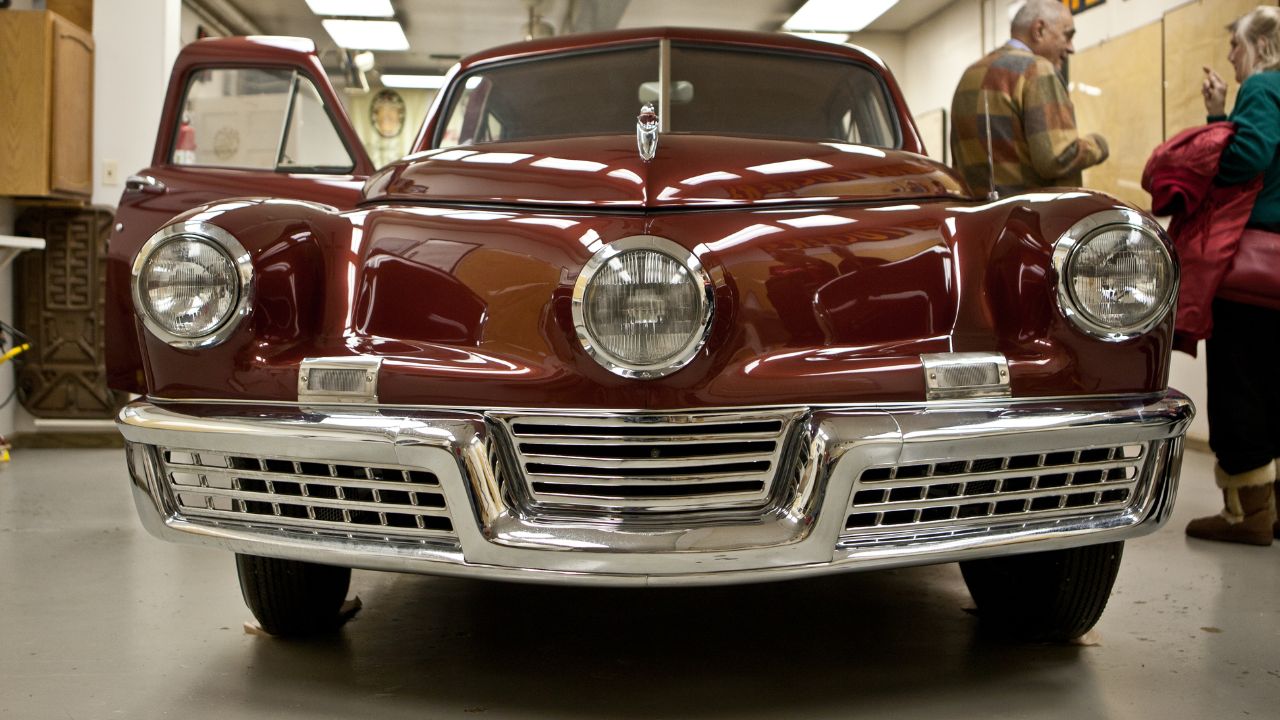
Preston Tucker’s ambitious sedan packed a rear-mounted engine and a third center headlight that turned with the steering wheel. Tucker promoted disc brakes and fuel injection, but those features did not make it into the production cars. The problem wasn’t just Tucker’s legal troubles: the car’s unconventional layout made mechanics nervous, and the $2,450 advertised base price in 1948 seemed steep for something nobody knew how to service.
A total of 51 were assembled, including the Tin Goose prototype and 50 production cars, before the company folded.
Citroën DS (1955)
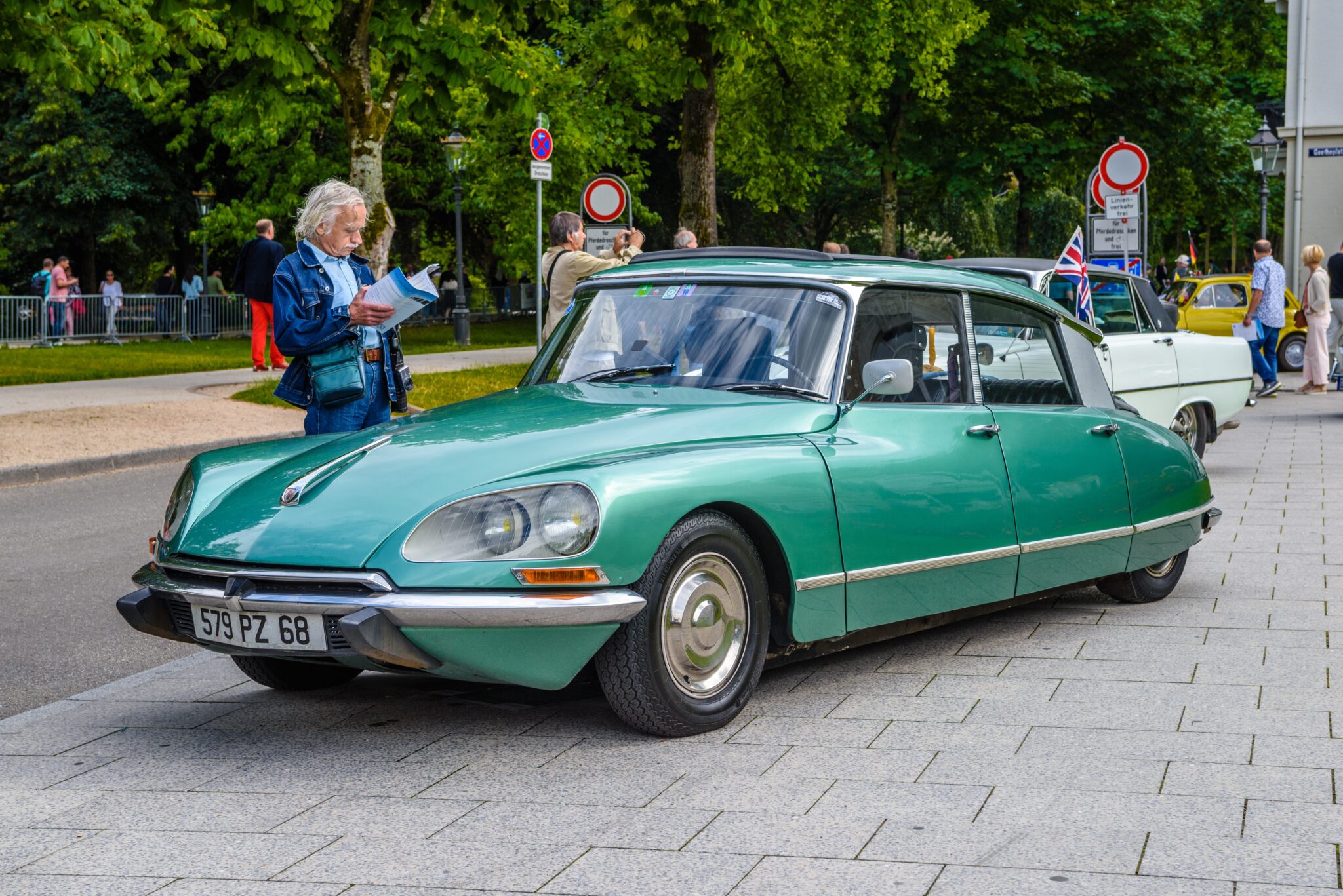
The French automaker brought self-leveling hydropneumatic suspension, semi-automatic transmission, and power steering to a car that looked like it landed from another planet. American buyers found the DS’s single-spoke steering wheel and quirky controls utterly baffling, while mechanics had no idea how to fix that revolutionary suspension system.
It was automotive genius that most people preferred to admire from a distance.
Chevrolet Corvair (1960-1969)

Chevy’s rear-engine, air-cooled compact was essentially an American Porsche 911 at a fraction of the price, but swing-axle suspension made early models genuinely tricky to handle at the limit. Ralph Nader’s “Unsafe at Any Speed” turned public opinion against it, though the 1965 redesign actually fixed most handling issues.
By then, the damage was done, and buyers fled to conventional Mustangs and Camaros.
Chrysler Turbine Car (1963-1964)

Chrysler built 50 turbine cars and ran a public user program that placed them with 203 drivers across 133 U.S. cities. The A-831 turbine engine could run on diesel, kerosene, unleaded gasoline, and JP-4 jet fuel, and Chrysler also demonstrated it on unusual fuels, including tequila, but fuel economy and noise were still major drawbacks.
Chrysler wisely shelved the project after realizing nobody wanted a car that needed runway-grade fuel flexibility.
Oldsmobile Toronado (1966-1970)

Front-wheel drive was practically witchcraft in 1966 America, where V8s belonged up front, sending power to the rear wheels. The Toronado’s sophisticated chain-driven transmission and clever packaging delivered excellent traction, but buyers couldn’t wrap their heads around a 385-horsepower personal luxury coupe without a driveshaft.
Mechanics weren’t thrilled about servicing it either, which didn’t help sales.
AMC Pacer (1975-1980)

AMC designed the Pacer around a rotary engine that never materialized, leaving them to shoehorn in a conventional inline-six that negated the car’s cab-forward efficiency. The expansive glass area and wider-than-tall proportions were supposed to feel futuristic and airy, but Americans saw a goldfish bowl on wheels.
Its 18 mpg economy during the fuel crisis didn’t help matters, despite genuinely clever interior packaging.
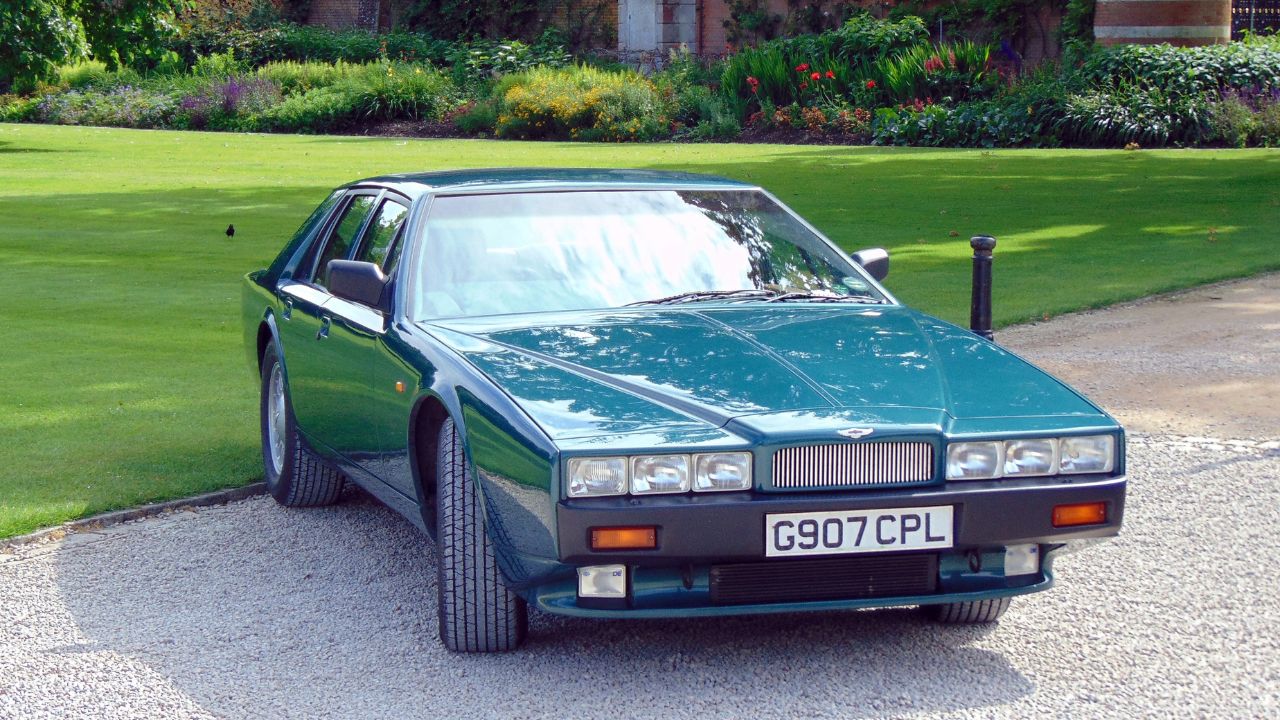
Aston Martin Lagonda (1976-1990)
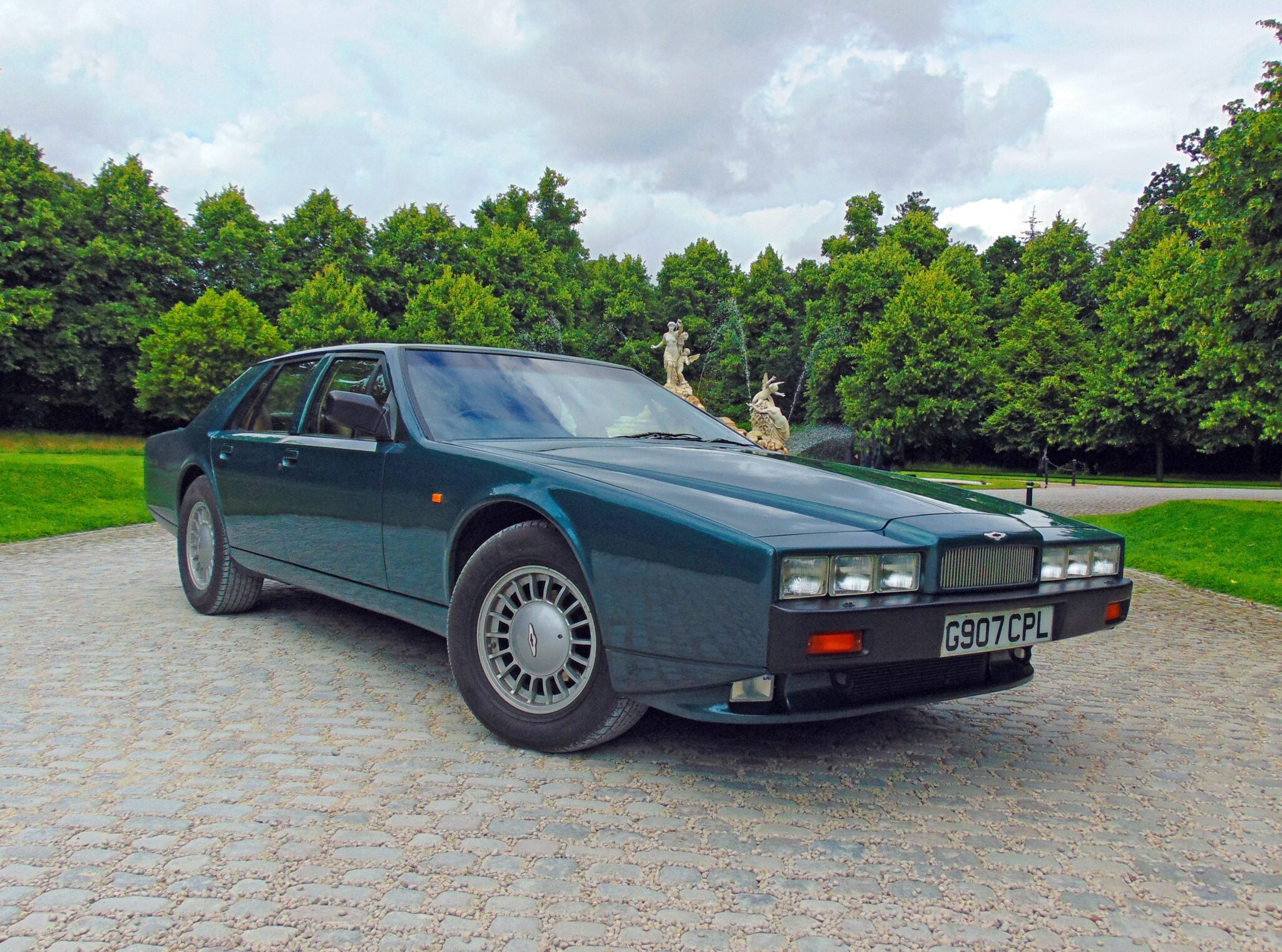
William Towns designed a wedge-shaped luxury sedan with the world’s first fully digital dashboard, cathode ray tube displays, touch-sensitive controls, and computer management in an era when most cars still had mechanical gauges. The electronics failed constantly, sometimes leaving drivers stranded or staring at blank screens.
At over $150,000 in 1980s money, owners expected British craftsmanship, not perpetual trips to the dealer for computer reboots.
Triumph TR7 (1975-1981)

The “wedge” replaced the classic TR6 with pop-up headlights, a live rear axle, and initially only a four-cylinder engine when American buyers wanted six or eight cylinders. British Leyland’s notorious quality control meant these futuristic-looking sports cars spent more time in repair shops than on winding roads.
The TR7 wasn’t mechanically complex, but its modern styling alienated traditional Triumph buyers who wanted wire wheels and walnut dashboards.
Bricklin SV-1 (1974-1975)

Malcolm Bricklin’s gull-wing-door safety sports car featured color-impregnated acrylic body panels, integrated bumpers, and no exterior door handles—you had to use an interior lever or key. The hydraulic gullwing doors frequently failed, trapping owners inside or refusing to close, while the V8 power varied by year, an AMC 360 in 1974 and a Ford 351 Windsor in 1975 and 1976, moving a car that weighed roughly 3,500 pounds.
Even at $7,490, buyers couldn’t justify the temperamental doors and 12 mpg fuel economy.
Mazda RX-7 (1978-1985, First Generation)

The Wankel rotary engine was smooth, lightweight, and revved to 7,000 rpm, but it drank oil by design and devoured fuel like a much larger engine. American buyers loved the RX-7’s balanced handling and affordable price around $6,000, but many bailed once they learned about apex seal replacements and the need to add a quart of oil every few tanks.
Rotary evangelists loved them; everyone else wanted a conventional engine.
DeLorean DMC-12 (1981-1983)

Brushed stainless steel body panels, gullwing doors, and a rear-mounted Renault V6 made John DeLorean’s sports car instantly recognizable but frustratingly compromised. The PRV engine produced just 130 horsepower, the steel body showed every fingerprint, and early production quality was dismal with sagging doors and electrical gremlins.
At $25,000 (about $85,000 today), buyers expected exotic performance, not a pretty showpiece that couldn’t outrun a Camaro.
Cadillac Seville with V8-6-4 Engine (1981)
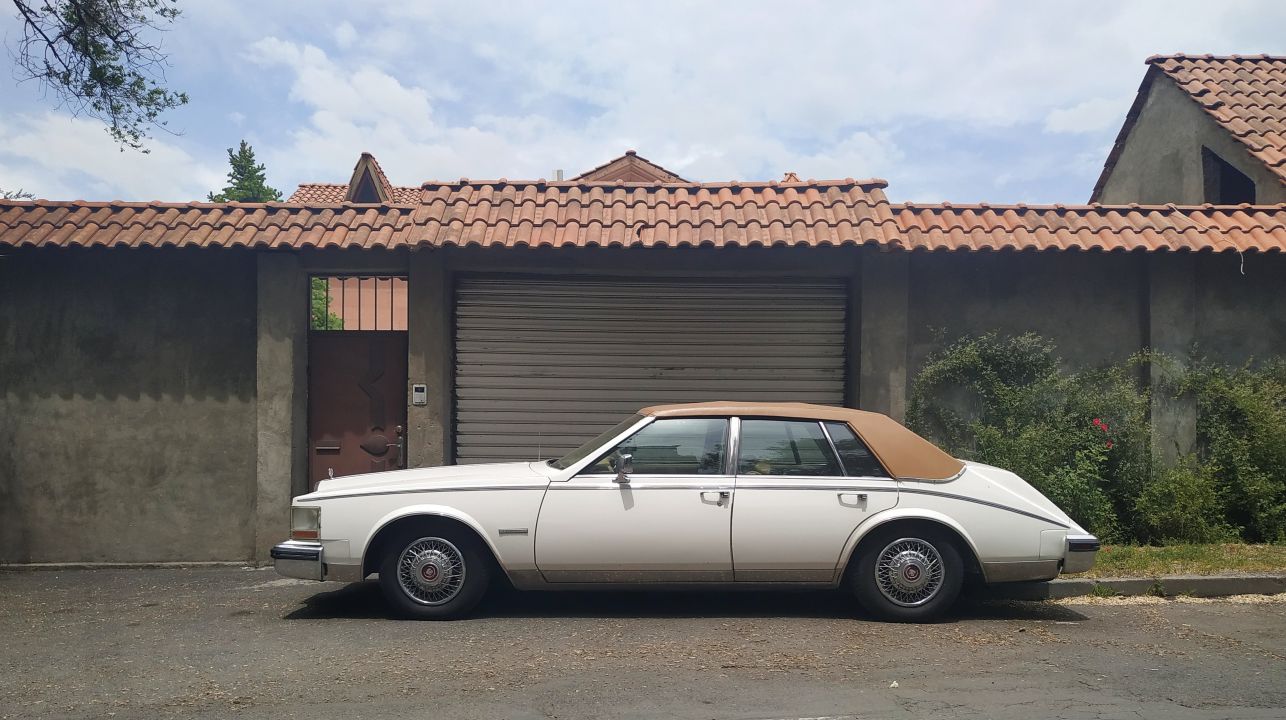
Cadillac’s cylinder deactivation system was supposed to deliver V8 power with V6 efficiency by shutting down cylinders under light loads. The primitive computer technology of 1981 couldn’t execute the concept reliably, causing rough running, stalling, and check engine lights that sent frustrated owners back to dealers repeatedly.
Most mechanics simply disabled the system and converted cars back to conventional V8 operation, admitting defeat to a good idea that arrived 20 years too early.
Conclusion

These automotive pioneers demonstrate that innovation without execution, or consumer readiness, rarely yields positive results. Whether undone by unreliable technology, unfamiliar engineering, or simply being too different from what buyers expected, each of these cars offered a glimpse of the future that contemporary audiences weren’t quite prepared to embrace.
Many of their advanced features eventually became industry standards, just not in time to save the original visionaries from commercial disappointment.