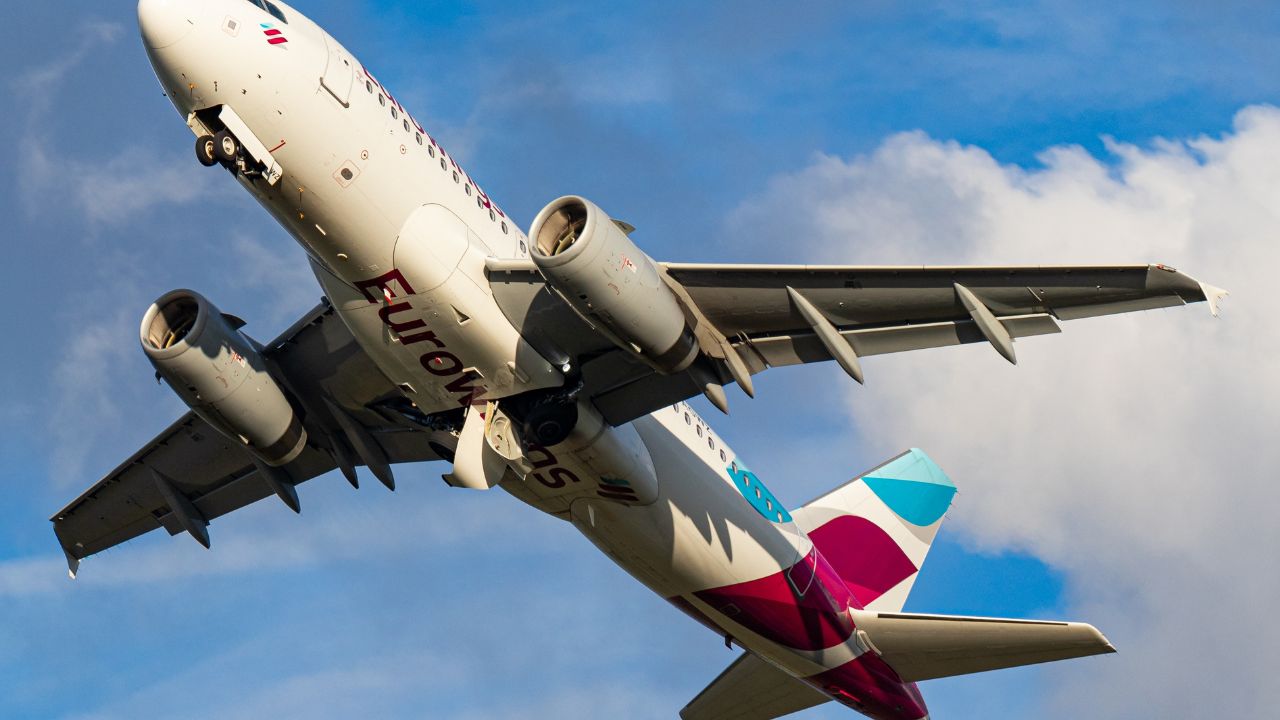
Once known for cramped seats, surprise fees, and no-frills flying, budget airlines are now stepping up their game. A growing number of low-cost carriers, including JetBlue, Vueling, Eurowings Discover, and hybrid long-haul newcomers like ZIPAIR and Norse Atlantic, are introducing business class or premium-style services. These upgrades aim to attract travelers who want more comfort without paying traditional business-class prices. Whether you’re a frequent flyer or just tired of battling for armrests and snacks, these new options could be worth the upgrade.
The line between low-cost and full-service is starting to blur. Budget carriers have realized that not all passengers are chasing the absolute lowest fare, many are happy to pay a bit more for a smoother, more enjoyable experience. As competition heats up and travelers become more selective, these airlines are finding clever ways to offer more value without losing their low-cost edge. Here’s how they’re reinventing the budget flying experience, and making it feel a lot more premium.
Bigger Seats With More Legroom
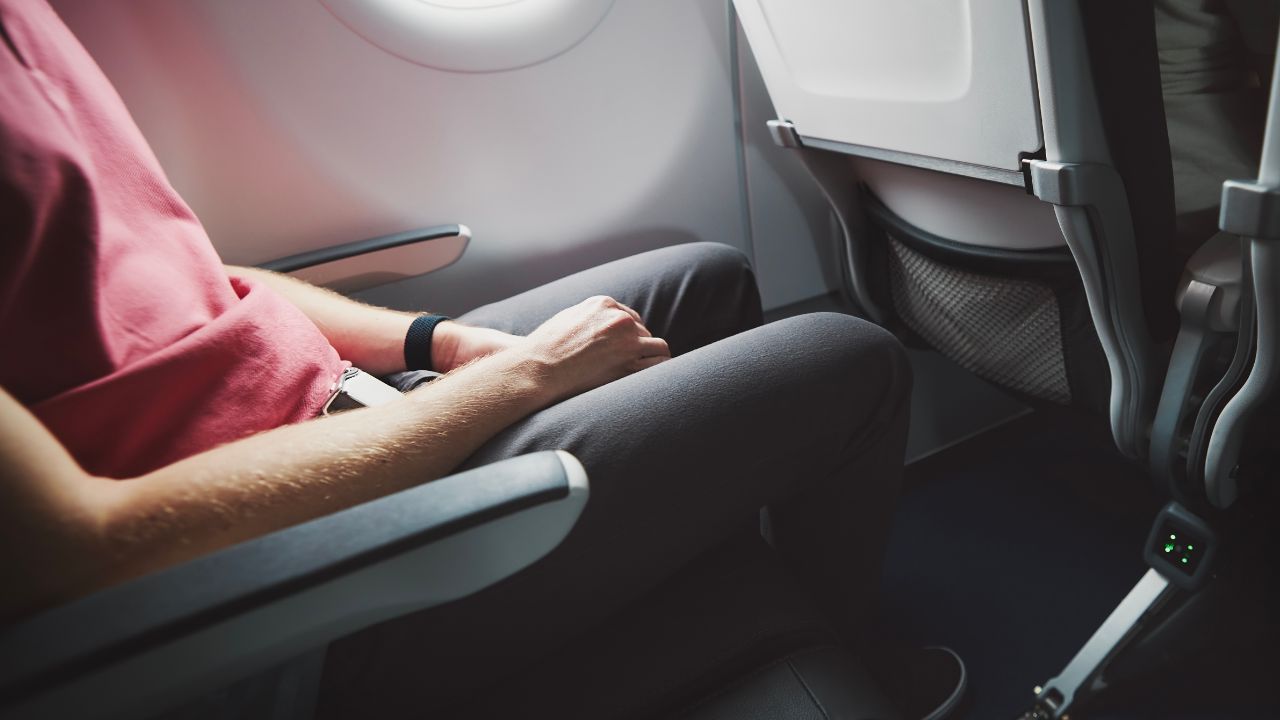
Goodbye to knee-crunching flights. Some budget airlines now offer extra-legroom rows or dedicated “premium” seats with more space to stretch out. JetBlue’s Mint class, for example, includes lie-flat seats and privacy suites, something you’d normally expect from luxury carriers. Even Ryanair and Wizz Air, while not offering a full business class, now have front-row or “XL” seating options. It’s not quite a throne, but it sure beats the back row next to the bathroom.
What’s more, these upgraded seats often come with added perks. You may get earlier boarding, more overhead bin space, or even a quieter section of the plane. For travelers who value comfort on longer flights, especially business travelers or tall passengers, these changes make a big difference. Airlines are clearly betting that better seats will bring in better revenue. So far, the bet seems to be paying off.
Priority Boarding and Fast-Track Services

Tired of standing in line and watching others breeze past? Business-class style perks like priority check-in, security fast lanes, and early boarding are becoming more common on budget airlines. Carriers like Vueling and Eurowings offer packages where you can skip the queues and settle into your seat before the rush. Some even include express baggage handling, so you’re off the plane, and at your hotel, faster.
These services, once only available on premium airlines, are now within reach on budget flights for a small upgrade fee or as part of a business fare. It’s especially handy for travelers with tight connections or those who just hate the hassle of airport crowds. The added convenience is a big plus, especially during busy travel seasons. It’s another way low-cost carriers are winning over passengers without breaking the bank.
Complimentary Meals and Drinks Onboard

Remember when budget flights meant flying hungry unless you paid $10 for a soggy sandwich? That’s changing, slowly but surely. JetBlue’s Mint service includes curated meals, cocktails, and full drink service. Other airlines are offering free snacks and drinks in their premium or business seats, bringing back a bit of the in-flight hospitality that’s been missing. It’s a welcome touch, especially on longer routes.
While not every low-cost carrier offers full dining yet, the trend is clear. Travelers want more than just a cheap seat, they want to enjoy the journey. Some carriers are partnering with chefs or offering regional specialties to make the experience stand out. The food might not win awards, but compared to dry pretzels and tap water, it’s a clear upgrade. And hey, who doesn’t love a free drink at 30,000 feet?
More Baggage Allowance Included

Budget flyers know the drill: your ticket may be cheap, but your bag isn’t. Low-cost airlines have built their business models around charging for every extra, especially luggage. But with new business class and premium tiers, more baggage is being included in the fare. This often means a full-size carry-on and checked bag, included at no extra charge. That’s a big deal for travelers who don’t want to play suitcase Tetris.
For many passengers, avoiding surprise baggage fees is a top priority. Offering generous baggage allowances is one of the easiest ways for budget carriers to add value. Some even include sports gear or oversized items in their premium packages. It’s a smart move that can turn a $40 flight into a $40 and done flight. More luggage, less stress, that’s the idea.
Lounge Access at Select Airports

Business lounges were once the sacred domain of first-class flyers and elite status holders. Now, even some low-cost carriers are unlocking those doors, for a price, or as part of their premium fares. JetBlue and ZIPAIR, for instance, offer lounge access to business-class passengers at select airports. Inside, travelers enjoy comfy seating, free Wi-Fi, food, drinks, and a calm space away from crowded terminals. It’s a game-changer for frequent travelers.
Though still limited in availability, this trend shows that budget airlines are thinking beyond the plane seat. By partnering with lounges or operating their own, they’re adding a layer of premium experience that’s hard to beat. And for passengers who face long layovers, it’s a perk that really pays off. Just imagine sipping a cappuccino in peace instead of fighting for an outlet in the gate area. Worth it? Many think so.
Flexible Booking and Better Change Policies

Flexibility used to be a luxury. On low-cost carriers, changing your ticket often meant losing your money or paying more than the flight cost in the first place. But now, many budget airlines are introducing more generous change and cancellation policies for business or premium fares. This includes free changes, same-day standby, or partial refunds. It’s a major plus for business travelers and planners alike.
Airlines like Ryanair and Volotea are experimenting with tiered fare systems that offer more wiggle room. This flexibility reduces the stress of last-minute changes, something increasingly common in today’s travel landscape. It also reflects how budget airlines are adapting to meet the needs of modern travelers. After all, peace of mind is priceless, even on a $49 ticket. And now, it’s more accessible than ever.
Tiered Pricing for Customizable Experiences

Not every passenger wants the same flying experience, and airlines are finally catching on. Many budget carriers now offer a range of fare bundles, from basic economy to full business-style perks. This à la carte approach lets travelers pay only for what they need, more space, food, flexibility, or luggage. Think of it like building your own travel experience, instead of being stuck with one-size-fits-none.
This model appeals to both price-sensitive and comfort-seeking travelers. You can fly cheap when you want, and fly smarter when you need to. By offering multiple levels of service, airlines open the door to a broader customer base, and more revenue. The days of “cheap means uncomfortable” may be numbered. And for passengers, that’s welcome news.