When you look at automotive history, most successful cars follow a pretty predictable formula: four wheels, an engine up front or in back, and styling that doesn’t make people do a double-take. But every once in a while, an engineer or designer throws the rulebook out the window and creates something that defies common sense.
The surprising thing? Sometimes these oddball experiments actually work.
BMW Isetta (1955-1962)

The Isetta entered through a single front-opening door, making it look more like a refrigerator than a car. BMW took this Italian bubble car design and somehow convinced the world that a tiny bubble car with a single front-opening door and closely spaced rear wheels, which made it look almost three-wheeled, made perfect sense for postwar Europe.
The tiny machine BMW built 161,728 Isettas between 1955 and 1962 and became one of the company’s best-selling vehicles of the 1950s, proving that practicality sometimes trumps convention.
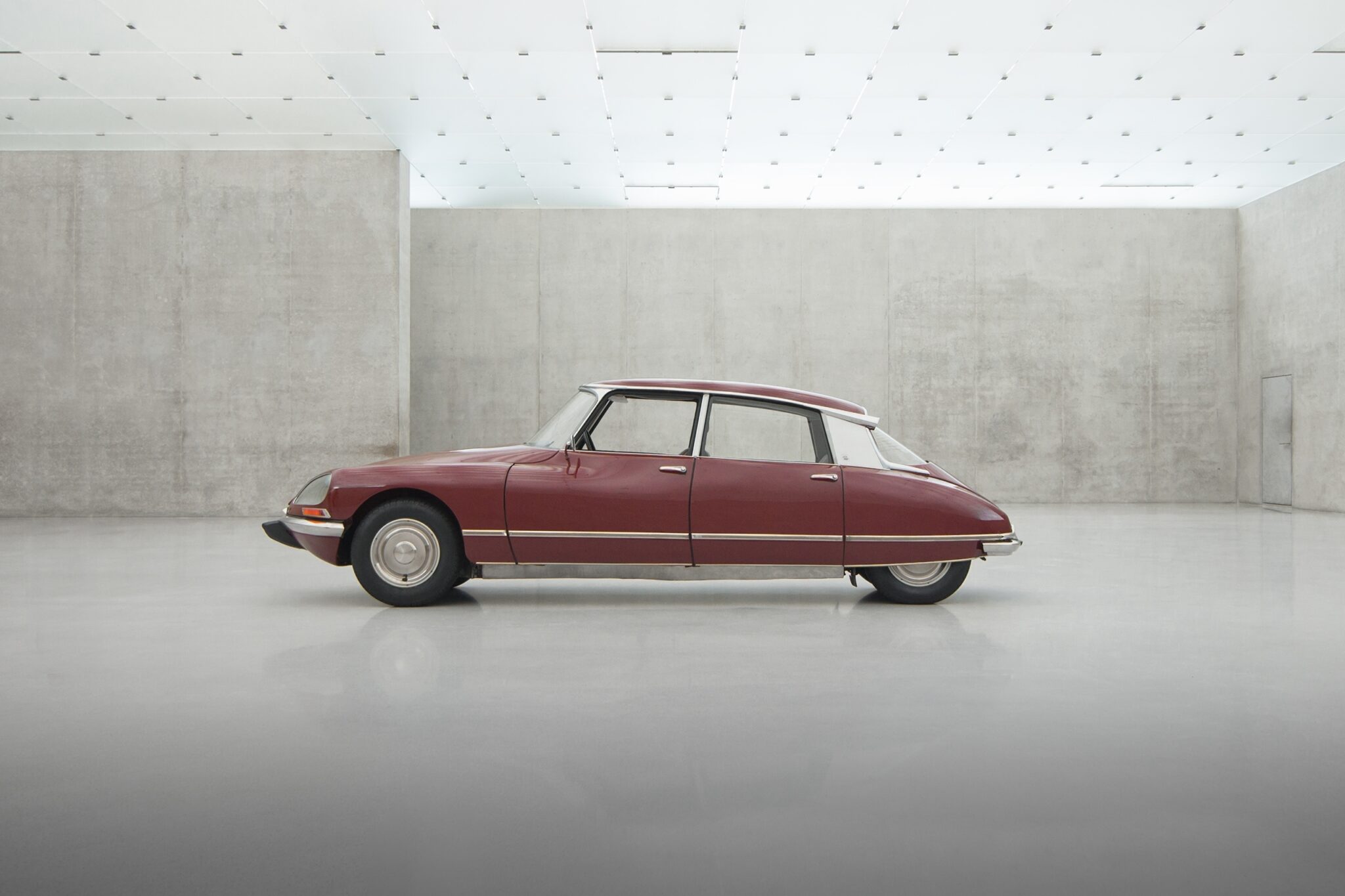
Citroën DS (1955-1975)
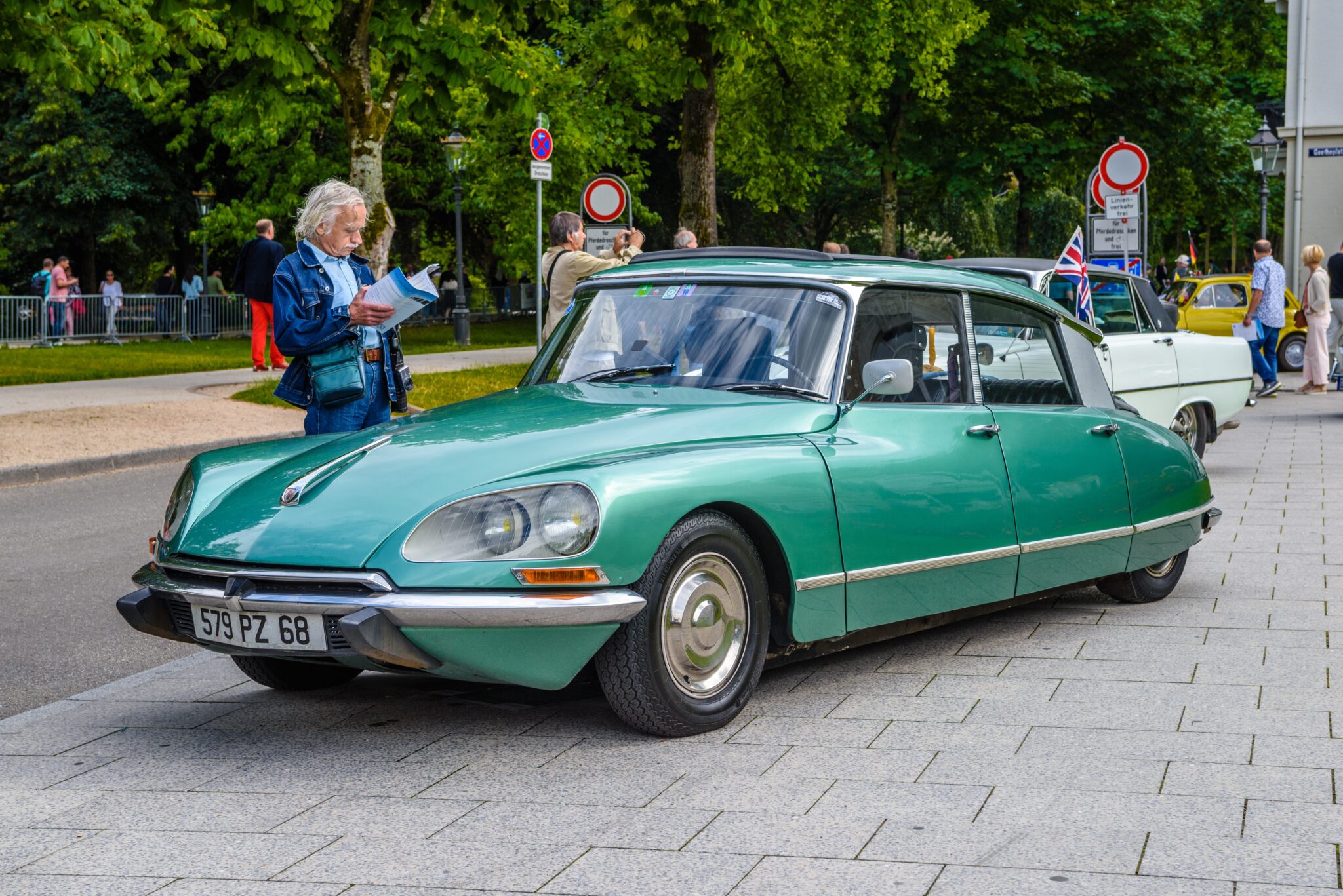
The DS looked like it had arrived from the year 2000 when it debuted in 1955, with its spaceship styling and hydropneumatic suspension that could raise and lower the car at will. French buyers mobbed Citroën’s Paris showroom on launch day, racking up 749 orders in the first 45 minutes and 12,000 by the end of the first day at the 1955 Paris Motor Show.
The car’s self-leveling suspension and advanced engineering made it a favorite of presidents and celebrities, proving that weird can absolutely be wonderful.
Pontiac Aztek (2001-2005)

The Aztek became a punchline for automotive critics with its angular, mismatched body panels that looked like they’d been designed by different teams who never spoke to each other. Yet this oddball SUV offered genuinely clever features like a built-in tent package, a cooler in the center console, and versatile cargo management that camping enthusiasts loved.
It sold just under 120,000 units in the U.S. across its run, and it found a devoted following and even got a cultural revival thanks to Breaking Bad.
Honda Element (2003-2011)

Honda basically built a box on wheels with plastic floors, suicide doors, and no pretense of style whatsoever. The Element was designed for young people who wanted to throw kayaks, bikes, and muddy dogs inside without worrying about messing anything up.
It sold roughly 325,000 units over eight years and developed such a cult following that used prices actually held steady for years after production ended.
Subaru BRAT (1978-1994)

Subaru decided to put two plastic seats in the truck bed to work around the U.S. ‘chicken tax’ on imported light trucks, creating what might be the most hilariously practical workaround in automotive history. These rear-facing jump seats came with seatbelts and grab handles, turning a compact pickup into an odd four-seater that technically qualified as a passenger vehicle.
The BRAT remained in production in various markets for roughly 16 years and became iconic in rural America, where its quirky all-wheel-drive utility made perfect sense.
Renault Avantime (2001-2003)
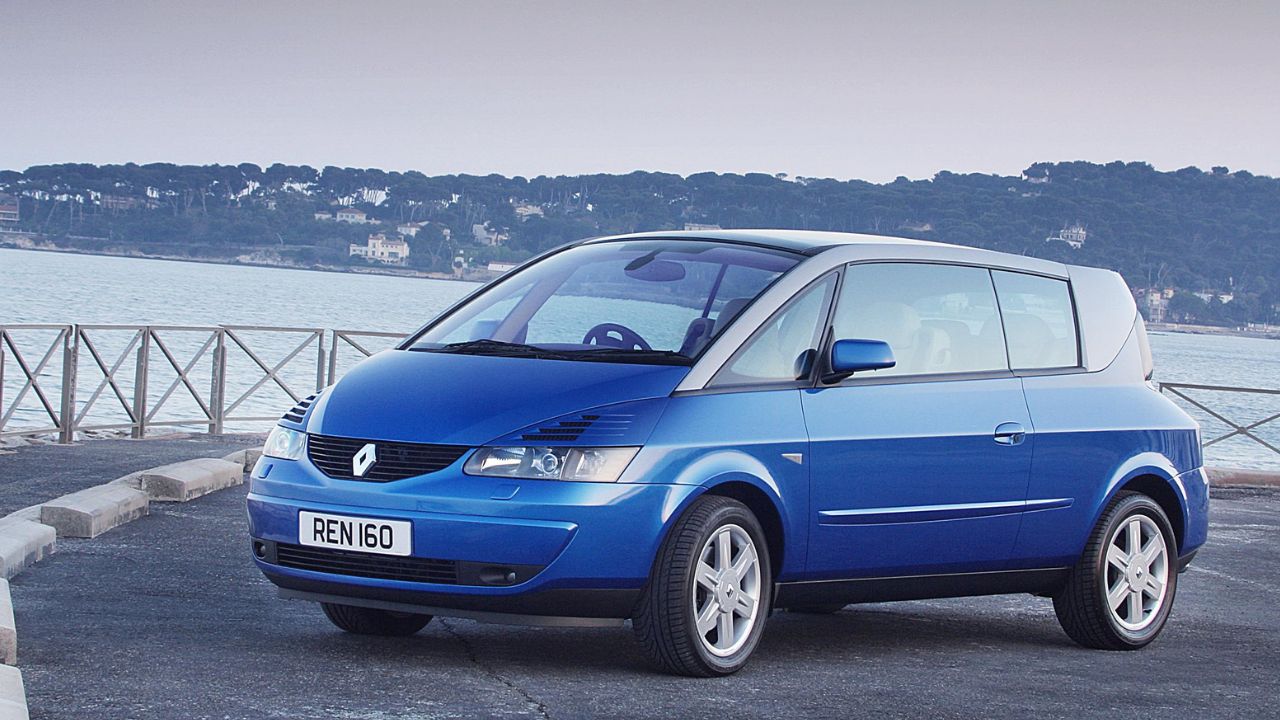
Renault created a two-door coupe minivan with a huge glass roof, targeting absolutely nobody in particular. The Avantime’s confused identity and high price tag meant only 8,557 were ever made, but owners genuinely loved the bizarre combination of minivan space and coupe styling.
It failed commercially but succeeded in proving that weird experiments sometimes create the most interesting vehicles.
Plymouth Prowler (1997-2002)

The Prowler looked like a 1930s hot rod but came with Chrysler’s 3.5-liter V6, not a V8, which should have made enthusiasts riot. Despite the power mismatch, the retro roadster’s wild styling and aluminum construction made it a hit with collectors who appreciated its art deco-meets-modern aesthetic.
Plymouth sold about 11,700 units, and they’ve become surprisingly collectible for a car that most critics dismissed as all show and no go.
Nissan Cube (1998-2019)

Nissan literally made a cube-shaped car with an asymmetrical rear window and called it a day. The intentionally boxy design maximized interior space while looking completely unlike anything else on American roads when it arrived in 2009.
While U.S. sales were modest at around 76,000 units over five years, the Cube thrived in Japan for two decades, proving that function can create its own quirky form.
Volkswagen Thing (1968-1983)

VW took a military vehicle, removed any pretense of comfort or weather protection, and sold it to civilians as a beach car. The Thing had removable doors, a fold-down windshield, and absolutely no business being sold to regular people, yet it became a cult classic in coastal areas.
Total production was over 90,000 globally, but only about 25,000 were imported/sold in the U.S. during its brief run before safety regulations ended the party, but they’re still beloved at car shows today.
AMC Pacer (1975-1980)

The Pacer was wider than it was long, creating proportions that looked wrong from every angle, like someone had stepped on a normal car. AMC designed it around a rotary engine that never materialized, forcing them to stuff in a conventional engine and awkwardly rework everything.
Despite looking like a goldfish bowl on wheels, in its first year, the Pacer sold 145,528 units, and total production ended around 280,000.
Tesla Cybertruck (2023-Present)
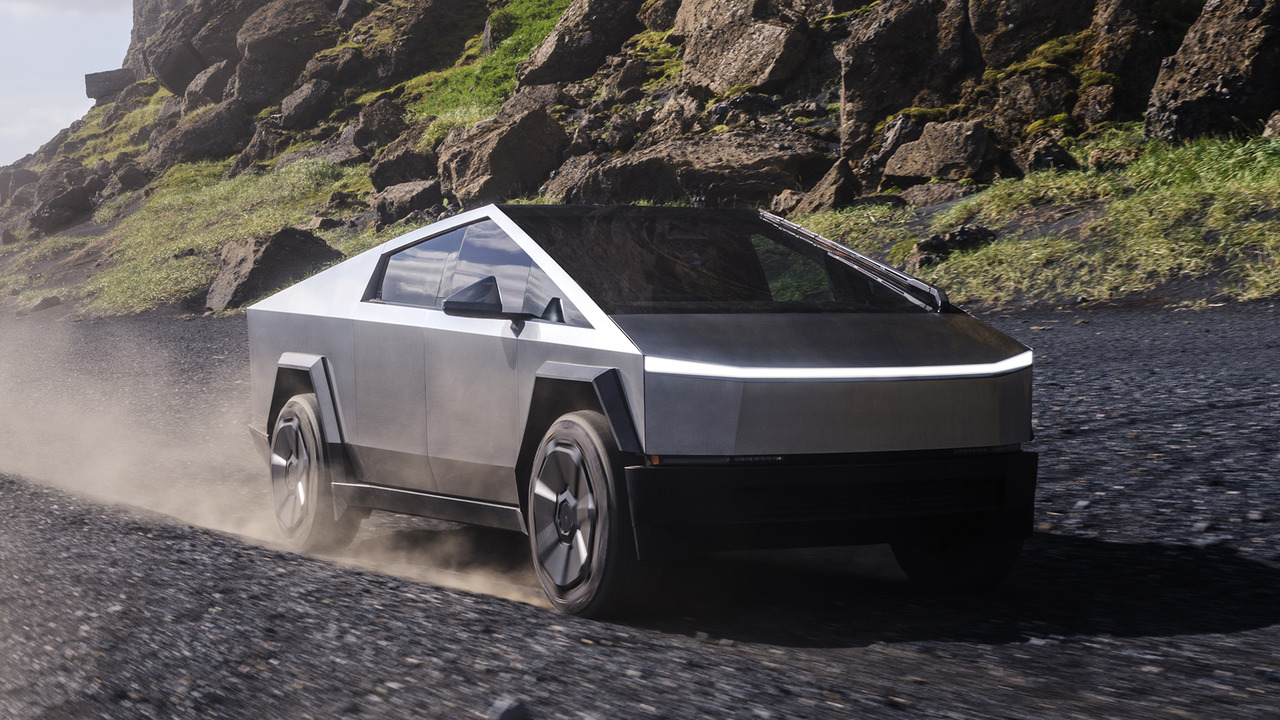
Tesla unveiled a vehicle that looked like it was rendered with early 1990s computer graphics, complete with flat stainless steel panels and sharp angles that seemed designed to fail every pedestrian safety test. Reservation counts were widely reported/estimated in the million-plus range (some trackers claimed ~2 million), but Tesla hasn’t provided a fully auditable public total despite it looking nothing like a traditional pickup.
While production has been slow and controversial, the Cybertruck proved that even in the modern era, weird sells.
Fiat Multipla (1998-2010)

Fiat stacked two rows of three seats side-by-side and wrapped the whole thing in possibly the ugliest body ever fitted to a car. The Multipla’s bulbous front end and two-tier dashboard made it look like a surprised frog, yet the interior packaging was genuinely brilliant.
Fiat built over 400,000 Multiplas, proving practicality could win buyers even with polarizing styling, proving that when it comes to practicality, people will forgive almost any styling sin.
Conclusion

These dozen oddities prove that automotive success isn’t always about following the formula. Sometimes the strangest ideas work precisely because they dare to be different, meeting needs that conventional designs completely miss.
Whether it’s extreme practicality, tax loopholes, or just pure audacity, these cars found their audience by ignoring what cars were “supposed” to be, and that’s what makes them memorable decades later.