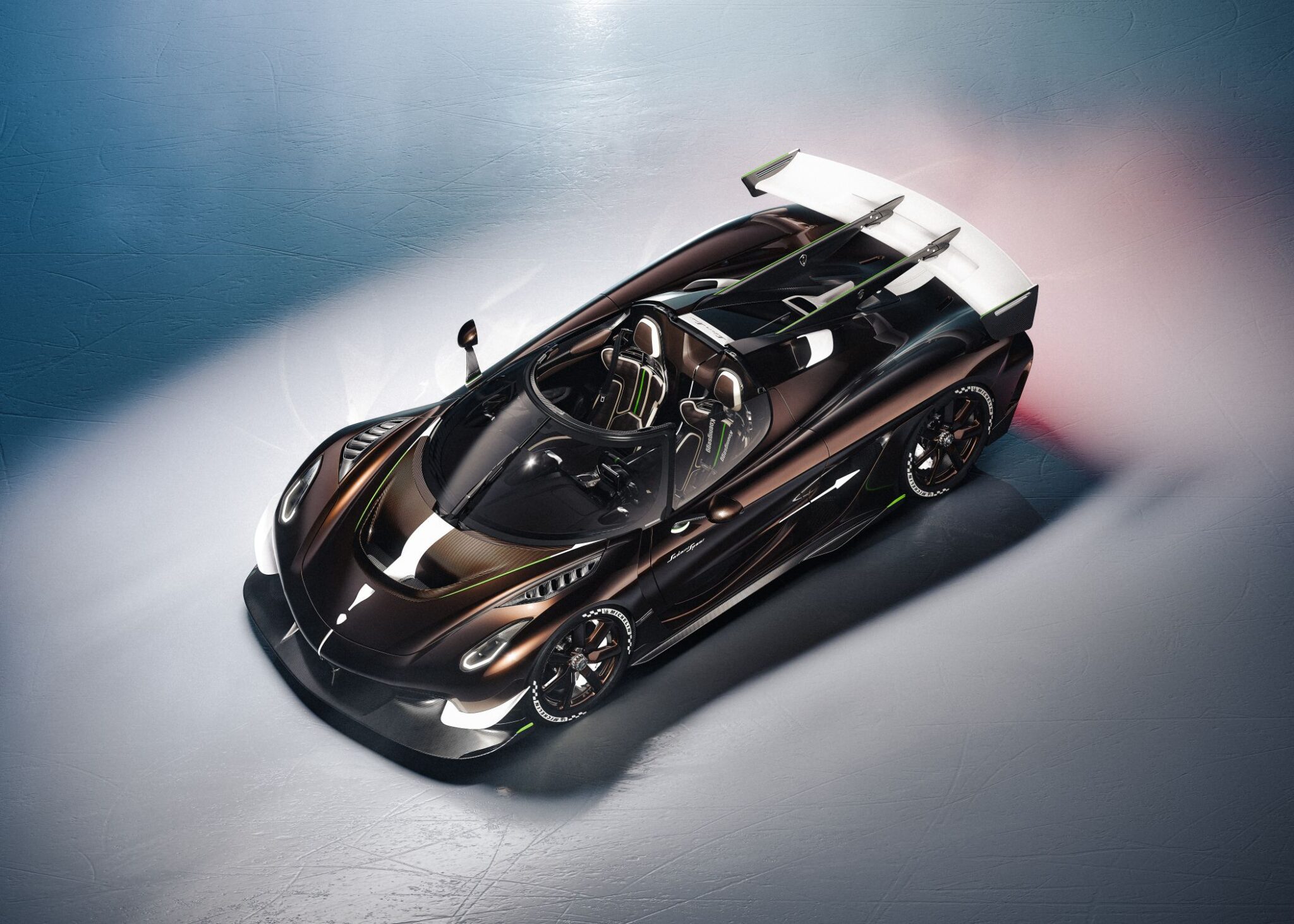
Christian von Koenigsegg built his automotive empire on a simple principle: create the most extreme, exclusive hypercars the world has ever seen. With only 250 to 300 customer cars produced over more than two decades, Koenigsegg has maintained an almost mythical status in the automotive world. So when the founder and CEO recently suggested the company might be “dabbling with the idea of maybe going up in volume, making simpler, more obtainable sports cars,” it sent shockwaves through the enthusiast community — and for good reason.
This potential pivot represents everything wrong with modern automotive thinking, where brands sacrifice their core identity in pursuit of volume and profit. Koenigsegg’s entire value proposition rests on exclusivity, cutting-edge technology, and the kind of obsessive attention to detail that’s only possible when you’re building dozens of cars per year, not thousands.
A Change to Koenigsegg’s DNA
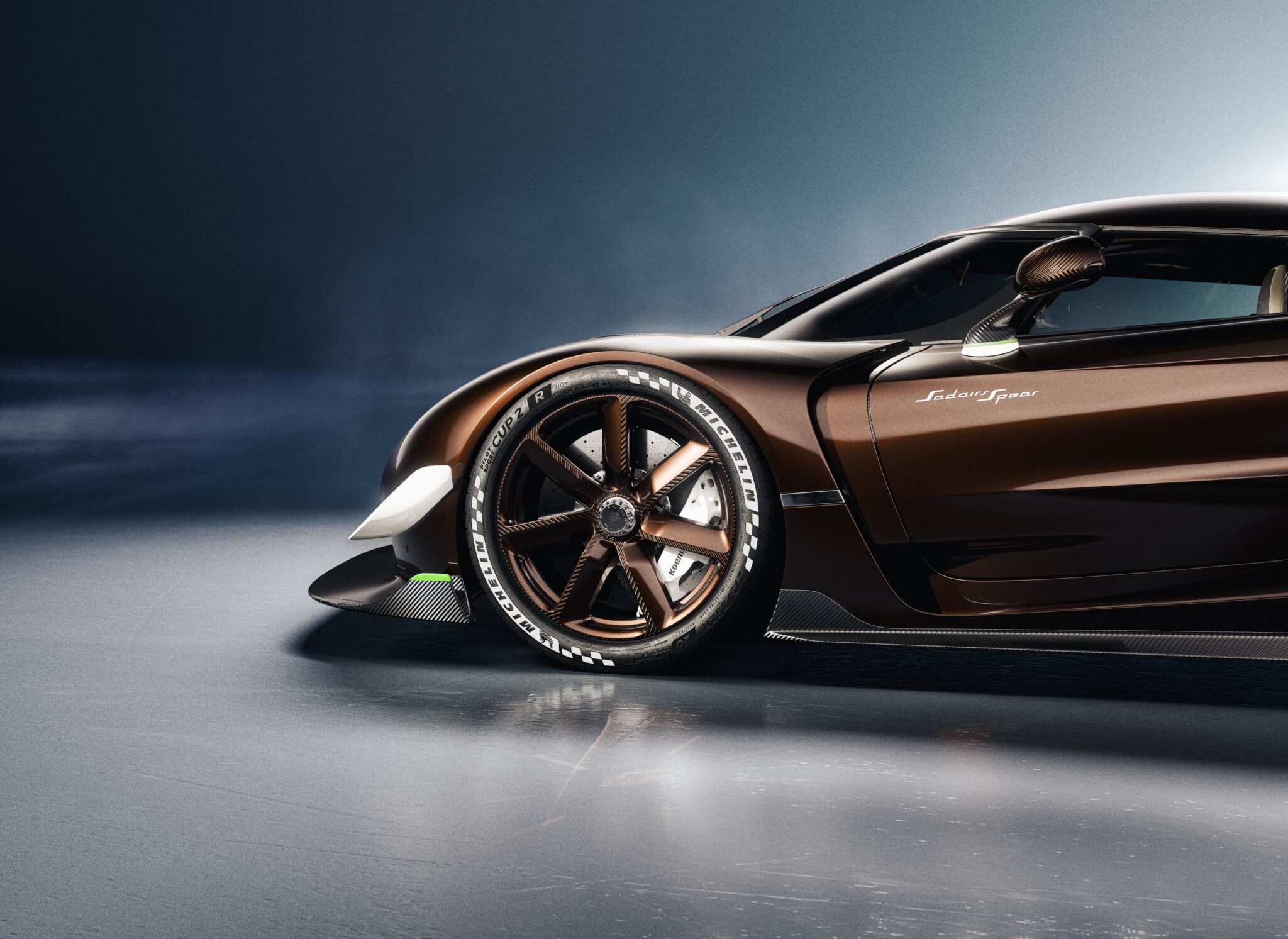
Koenigsegg’s most recent reveal, the Sadair’s Spear, carries a price tag north of $5 million. Even dropping to $1 million would represent a massive departure from the brand’s ultra-premium positioning. To achieve meaningful volume increases, Koenigsegg would need to venture into McLaren 750S or Lamborghini Temerario territory: a move that would fundamentally alter what makes a Koenigsegg special.
The automotive community’s reaction has been swift and skeptical. As one Reddit user aptly put it: “Why would they do that. Their entire model is building one off stuff and trying to sell the tech they developed. They are gorgeous cars but they do not have the engineering power or resources to do something like this.”
This observation cuts to the heart of the issue. Koenigsegg’s genius lies not in manufacturing prowess, but in their ability to push technological boundaries without the constraints of mass production. Their innovations in areas like active aerodynamics, lightweight construction, and hybrid powertrains have consistently been years ahead of the competition precisely because they can focus on perfection rather than scalability.
Another enthusiast captured the brand dilution concern perfectly: “It would definitely be a good car and I’d like to see it happen but I think it would devalue the brand too much for them to actually do it in my opinion.”
The luxury automotive landscape is littered with cautionary tales of brands that lost their way chasing volume. When exclusivity becomes accessibility, something irreplaceable is lost. Ferrari learned this lesson and has carefully managed their production numbers to maintain desirability. Lamborghini, while more prolific, still maintains clear boundaries between their “entry-level” and flagship offerings.
Koenigsegg’s strength has always been their willingness to be different. In a world where even Ferrari produces over 13,000 cars annually, Koenigsegg’s triple-digit production numbers make each car genuinely special. Their customers aren’t just buying transportation — they’re acquiring pieces of automotive art that will never be commonplace.
Could Koenigsegg Even Do It?

The engineering reality is equally challenging. As von Koenigsegg himself acknowledged to CarBuzz: “High volume is a different animal than hand-built low volume.” The infrastructure, quality control systems, and manufacturing processes required for volume production are completely different from their current artisanal approach. Building this capability would require massive investment and fundamental changes to their business model.
More concerning is the potential impact on innovation. Koenigsegg’s current model allows them to implement cutting-edge technology without worrying about cost optimization for mass production. Their Freevalve camless engine technology, their carbon fiber expertise, and their aerodynamic innovations all benefit from this freedom to prioritize performance over manufacturability.
The automotive world needs brands like Koenigsegg — companies willing to push boundaries without compromise. If they join the ranks of manufacturers chasing volume, we lose something valuable: a company that proves automotive excellence isn’t about how many cars you sell, but how exceptional each one can be.
Fortunately, von Koenigsegg seems to understand the magnitude of such a decision, noting they would need to “take it very much step by step, not to stumble.” The fact that he frames high-volume production as “just a thought for now” suggests the company recognizes the risks involved.
The smartest move for Koenigsegg would be to resist this temptation entirely. Instead of diluting their brand with volume offerings, they should double down on what makes them special: creating the most advanced, exclusive hypercars money can buy. In a world increasingly dominated by mass-market electric vehicles and autonomous driving, we need companies like Koenigsegg to remain uncompromisingly focused on the art of the automobile.
Some decisions, no matter how financially tempting, simply aren’t worth making. For Koenigsegg, maintaining their position as the ultimate automotive boutique isn’t just good business: it’s essential to their identity.