Some of us remember rolling past drive-ins and feeling our breath catch at the sight of gleaming chrome and swooping fins. In the postwar boom, designers chased the excitement of jet-age optimism, wrapping steel in flamboyant flourishes. By the late ’70s, that exuberance gave way to aerodynamic teardrops, as energy crises and environmental concerns demanded sleeker silhouettes.
This isn’t a manual on unibody construction or drag coefficients; it’s a nostalgia trip through eight car-shape revolutions. Each styling trend tells a story of cultural shifts, from Cold War bravado to disco’s disco balls and back-to-nature simplicity. Let’s cruise through history and see how form truly followed the era.
Bubble Tops (Mid ’50s)

In an era fixated on jets and space capsules, bubble roofs on GM’s Motorama concept cars gave drivers a cockpit view of tomorrow. The panoramic glass domes mirrored America’s vision of boundless possibility and mid-century futurism. Sliding behind the wheel felt like boarding a personal spacecraft.
Exaggerated Tailfins (Late ’50s)

When Cadillac and Chrysler stretched steel skyward with rocket-like fins, America was enthralled by space exploration and Cold War bravado. Those towering tailfins weren’t just style, they were declarations of postwar confidence and consumer excess. Rolling down Main Street, they felt like launching into the future.
Fastback Coupes (Mid ’60s)

As rock ’n’ roll and rebellious youth culture surged, Ford and Chevrolet embraced fastback rooflines on Mustangs and Corvettes. The steeply sloping rear ends conveyed a sense of aerodynamic prowess, matching the era’s hunger for individualism and adrenaline. These cars didn’t tiptoe through suburbia; they roared through it.
Muscle-Car Hoods & Wide Stances (Late ’60s)

With Detroit’s horsepower wars in full swing, Challenger R/Ts and Pontiac GTOs flaunted broad hoods and squat, planted stances. The bulging scoops and flared fenders weren’t subtle; they broadcast raw power and blue-collar swagger. They spoke to a generation ready to revolt, one quarter-mile at a time.
Kammback Cutoffs (Late ’60s)

European designers borrowed from aerodynamic research with abrupt ‘Kamm’ cut-off rear ends on select models, balancing reduced drag with a sporty profile. Those chopped tails balanced aerodynamic efficiency with aggressive flair, reflecting a shift toward performance sophistication.
Wedge Profiles (Early ’70s)

Inspired by aerospace and concept-car experiments, Lamborghini’s Countach and Lancia Stratos slashed through the wind with razor-sharp noses. The wedge shape symbolized the ’70s fascination with futurism and exotic escape. Parking one on the curb felt like bringing a spaceship to suburbia.
Teardrop Aerodynamics (Late ’70s)
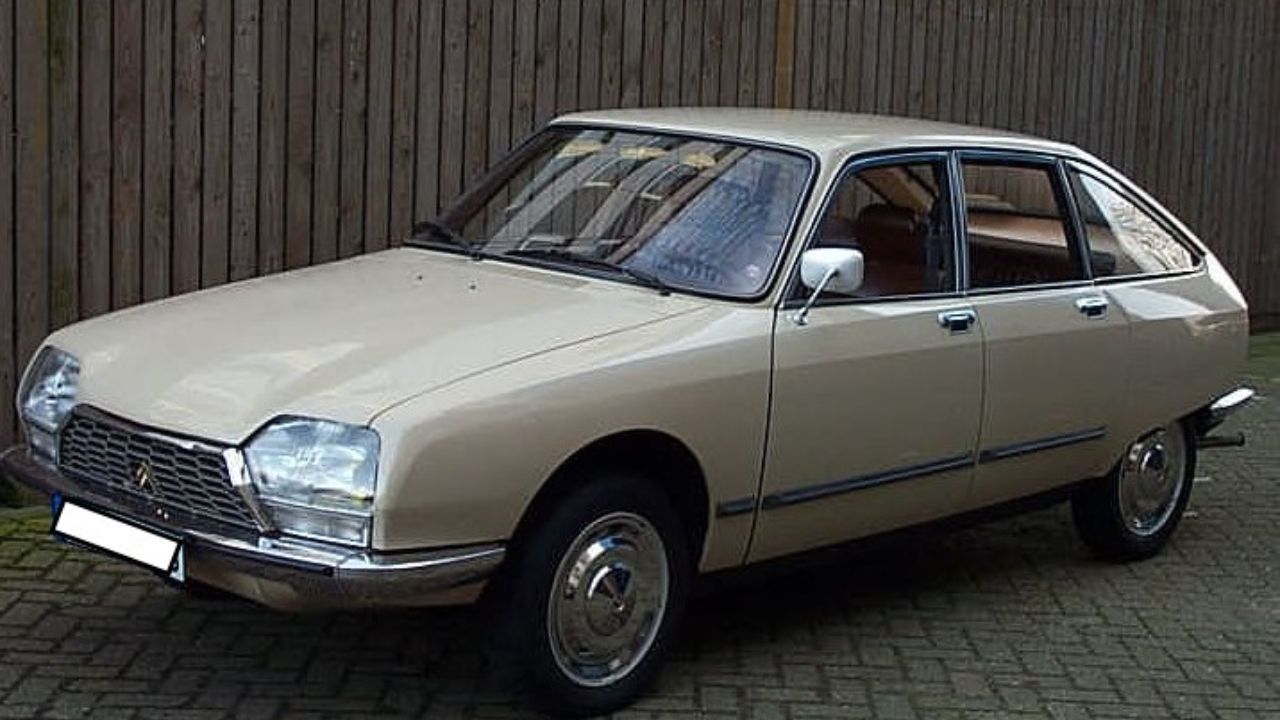
Facing oil shocks and emission regulations, automakers smoothed edges and lowered front ends, pushing production cars toward more aerodynamic silhouettes. That wind-tunnel-driven ‘aero’ look would fully mature in the early 1980s. These designs whispered efficiency over excess, reflecting a world growing more environmentally conscious. The era closed with cars that hugged the road and the planet.
Styling as a Time Capsule

From the ostentatious tailfins of the ’50s to the efficiency-driven teardrops of the ’70s, automotive shapes have always mirrored our cultural heartbeat.
Today’s designers stand on these bold shoulders, blending nostalgia with innovation. As we look back at those iconic silhouettes, we’re reminded that every era leaves its mark on the road and that great style never truly goes out of fashion.