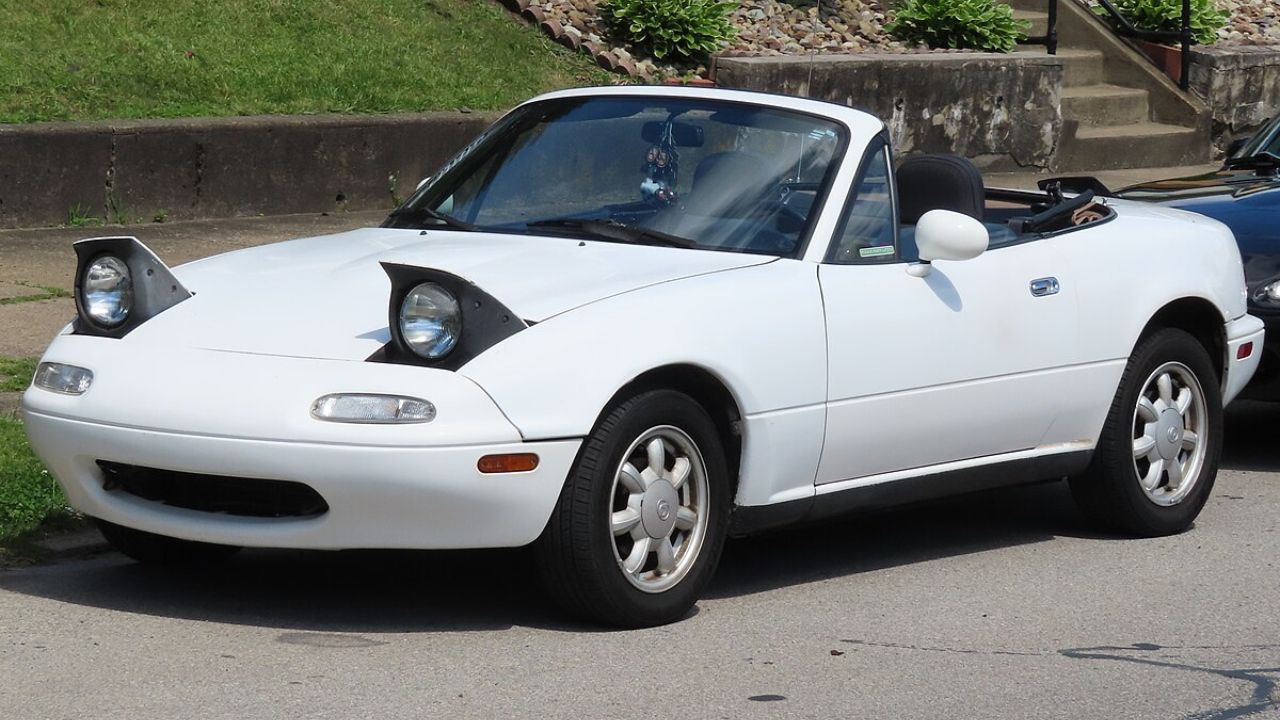
The Mazda Miata has held the crown as the automotive world’s sweetheart for decades. With its friendly face and compact proportions, it’s the adorable kitten of sports cars.
But cuteness in the car world isn’t limited to just one model, and there are plenty of other vehicles that could give the Miata a run for its money in the adorable department, although the first-generation Miata’s pop-up headlights are something special. From vintage classics to modern marvels, here are some quirky cars that might just make you reconsider what automotive cute really looks like.
Volkswagen Beetle (Original)
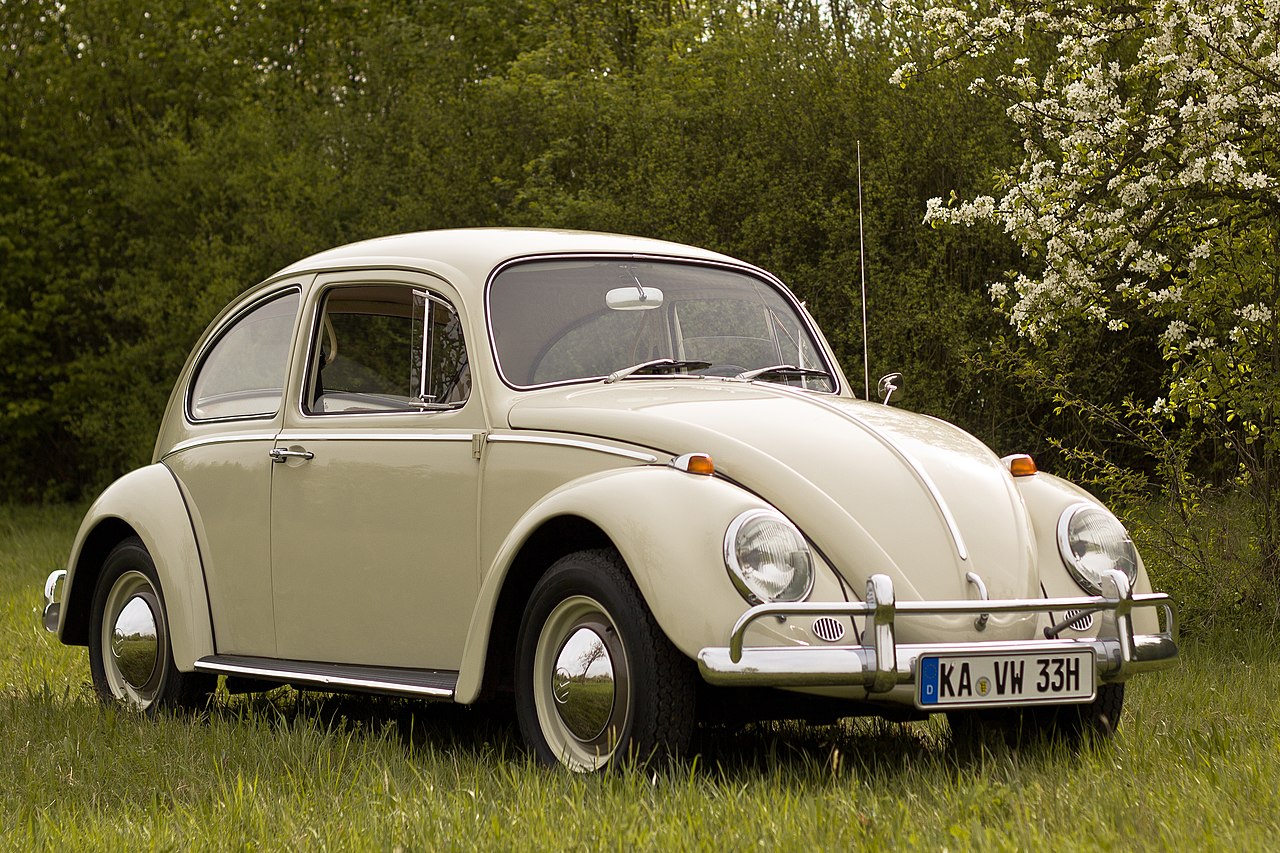
The original Volkswagen Beetle practically invented automotive cuteness with its round headlights and curved silhouette that resembled a friendly face. Its compact size and simple design made it approachable in a way that most cars of its era weren’t.
The Beetle’s charm was so enduring that it became a cultural icon, spawning movies and inspiring countless imitations. Who could ever forget Herbie!?
Fiat 500 (Classic and Modern)

Both the vintage Fiat 500 introduced in 1957 and its modern revival launched in 2007 capture that perfect blend of European sophistication and playful personality. It’s like a classier bug!
The original was tiny enough to park almost anywhere while still managing to look dignified, and the new version maintains that same cheerful demeanor with updated safety and technology. There’s something irresistibly charming about a car that looks like it’s perpetually smiling.
Mini (Original and New)

The classic Mini’s boxy proportions and rally racing heritage gave it a scrappy, underdog appeal that’s hard to resist. The modern BMW-produced Mini keeps that essential character while adding contemporary flair and customization options that let owners express their personality.
Both generations prove that being small doesn’t mean sacrificing style or fun.
Honda CR-Z

This hybrid coupe combined environmental consciousness with genuine driving enjoyment, creating something uniquely appealing in the automotive landscape. Its angular design and distinctive rear window gave it a futuristic look that somehow still felt approachable and friendly.
The CR-Z proved that eco-friendly doesn’t have to mean boring or bland.
Nissan Figaro

This retro-styled convertible was originally sold only in Japan in 1991, but it can now be legally imported into the United States under the 25-year rule, making it an instant collector’s item with its 1950s-inspired design and pastel color options.
The Figaro’s rounded forms and chrome details created a nostalgic charm that appeals to anyone who appreciates vintage aesthetics. Its limited production run only adds to its special appeal among enthusiasts.
Smart ForTwo

Love it or hate it, the Smart car’s commitment to being absolutely tiny is admirable in an age of ever-growing vehicle sizes. Its upright proportions and interchangeable body panels gave it a toy-like quality that many found endearing. Every time I see it, it looks like it’s smiling from having so much fun.
The ForTwo proved that sometimes less really can be more, especially in crowded urban environments.
Suzuki Cappuccino
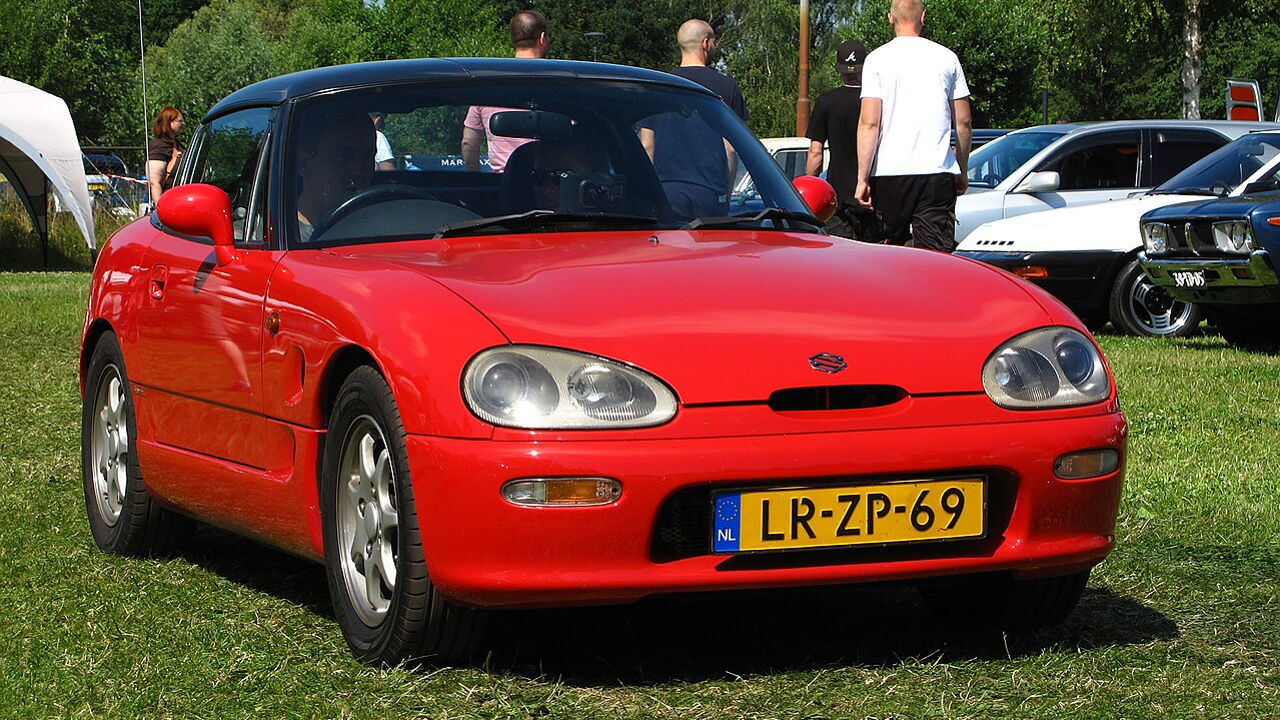
This tiny Japanese roadster took the lightweight sports car concept to its logical extreme, weighing about 1,598 pounds. It makes the Miata look brutish. Its miniature proportions and turbocharged 657cc three-cylinder kei car engine created a driving experience that was more about precision than power.
The Cappuccino showed that you don’t need big displacement to have big fun.
Toyota MR2 Spyder (Third Generation)

The final generation MR2 stripped away the complexity of its predecessors to create something pure and simple. Its clean lines and honest approach to mid-engine design resulted in a car that looked purposeful without being aggressive.
The earlier MR2s were cute, but more in a lethargic kind of way. The last generation looked like it was happy to go for a ride no matter the time.
Daihatsu Copen

This Japanese kei car combined the practicality of Japan’s strict size regulations with genuine sports car appeal. Its retractable hardtop and playful styling made it feel like a full-sized sports car that had been shrunk in the wash.
The Copen demonstrated that regulatory constraints can sometimes lead to creative solutions.
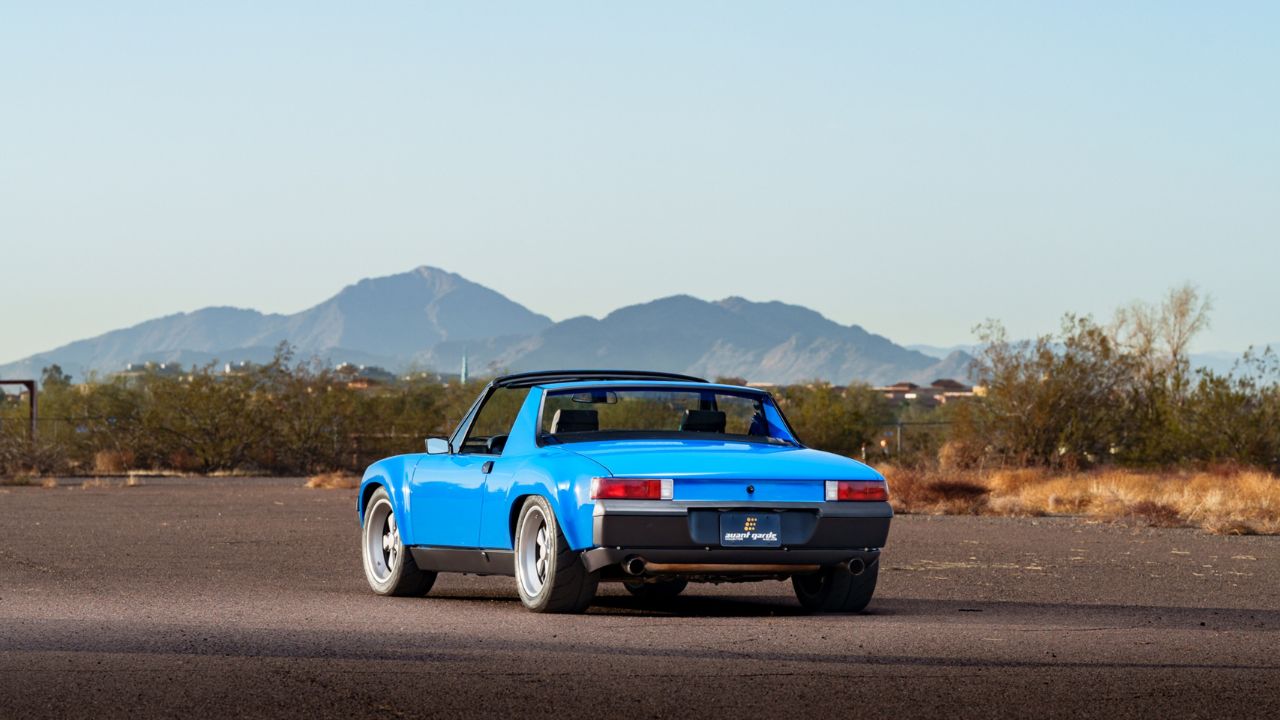
Porsche 914

Often overlooked in Porsche’s lineup, the 914’s angular design and mid-engine layout created something distinctly different from the company’s usual offerings. Its honest, unpretentious character and relatively affordable price point made it accessible to enthusiasts who might otherwise be priced out of Porsche ownership.
The 914 proved that cute doesn’t always mean round and bubbly. Sometimes it’s more about looking shocked and alert.
Conclusion
While the Miata certainly deserves its reputation as one of the most endearing cars ever made, it’s clear that automotive cuteness comes in many forms. From the original Beetle’s friendly face to the Smart car’s unapologetic minimalism, each of these vehicles brings its own interpretation of what makes a car loveable.
The best part is that cuteness in cars, like beauty, is ultimately in the eye of the beholder, and there’s room in our hearts (and garages) for more than one adorable ride.