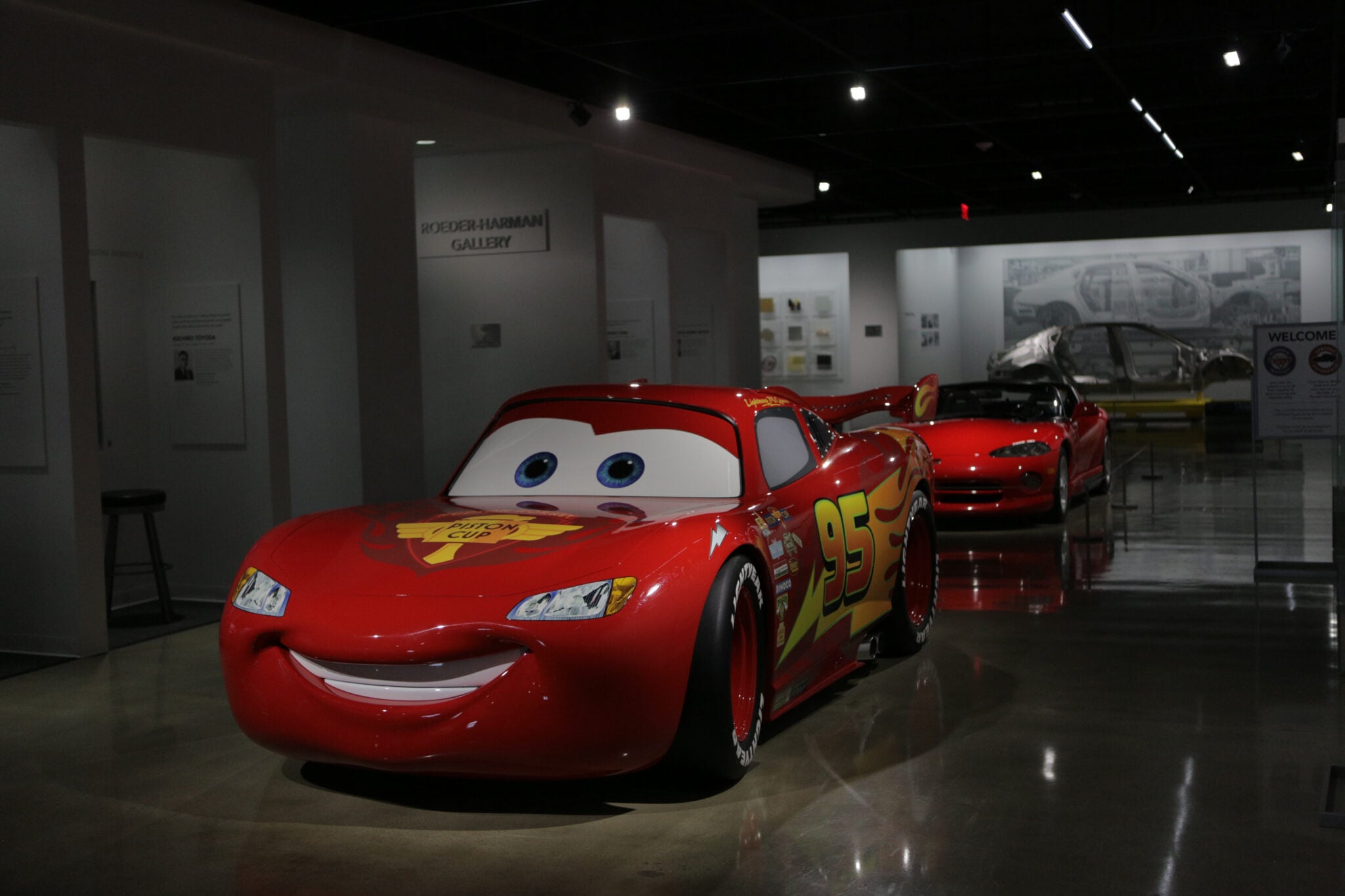
When Pixar’s Cars rolled into theaters in 2006, it wasn’t just another animated adventure: it was a love letter to automotive culture that inspired an entire generation to fall in love with cars. Director John Lasseter and his team didn’t simply imagine these characters from thin air; they drew inspiration from decades of automotive history, iconic racing legends, and the cars that defined generations of American motoring. For car enthusiasts, discovering the real-world connections behind Lightning McQueen, Mater, and the gang adds an entirely new layer of appreciation to these films.
The attention to detail in translating real automotive DNA into animated personalities is nothing short of remarkable. Every curve, every racing stripe, and every chrome detail reflects actual automotive heritage. Whether you grew up wrenching on muscle cars, following NASCAR religiously, or simply appreciate classic automotive design, the Cars franchise serves as an animated museum of motoring history that spans from the golden age of racing to modern motorsports.
Lightning McQueen: The Modern NASCAR Phenomenon
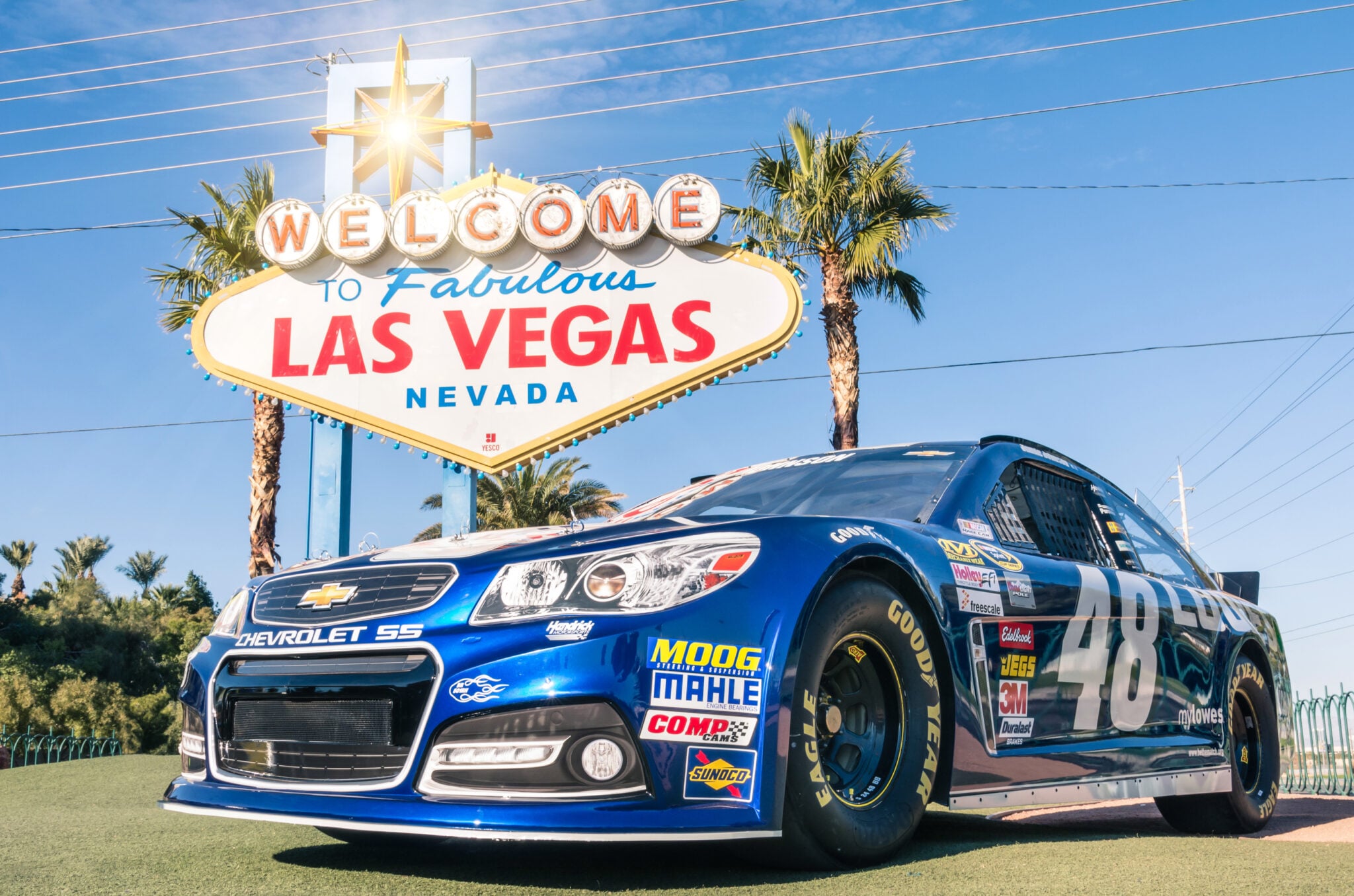
Lightning McQueen’s sleek design draws heavily from contemporary NASCAR Cup Series cars, largely a fusion of mid-2000s NASCAR stock cars, with additional cues from other American racing shapes. His aerodynamic profile, aggressive front air dam, and racing livery mirror the high-tech stock cars that thundered around ovals during NASCAR’s boom years. The character’s design team studied cars from manufacturers like Chevrolet, Ford, and Dodge, borrowing elements from each to create a generic yet distinctly American race car that could represent the sport without favoring any particular manufacturer. Fans still argue to this day which carmaker was the main inspiration for McQueen, with some pointing out that he’s likely not a Corvette, since he sounds jealous at the idea of Sally dating a Corvette at one point in the first film.
McQueen’s personality and racing style also echo real NASCAR legends, particularly drivers known for their cocky confidence and raw talent. His rookie arrogance mixed with an underlying heart mirrors the journey of many real drivers who entered the sport with swagger but learned humility through experience.
The character’s red paint scheme and number 95 were carefully chosen to stand out on screen while maintaining the authentic look of a premier racing series competitor, complete with sponsor decals and aerodynamic modifications that any NASCAR fan would instantly recognize. His signature smirk? Totally his own. Kachow!
Doc Hudson: The Fabulous Hudson Hornet Legacy

Doc Hudson represents one of the most direct real-car inspirations in the entire franchise, based on the legendary Hudson Hornet that dominated NASCAR’s early years from 1951 to 1954. The actual Hudson Hornet, with its low center of gravity and powerful straight-six engine, was an unlikely racing champion that Hudson won 27 of 34 NASCAR Grand National races in 1952, largely thanks to drivers like Herb Thomas. This real-world dominance perfectly mirrors Doc’s backstory as the mysterious three-time Piston Cup champion who vanished from racing after a career-ending crash.
The Hudson Hornet’s innovative “step-down” design, where the floor pan sat below the frame rails, gave it superior handling characteristics that made it nearly unbeatable on the track despite competing against more powerful V8 engines. Doc’s character captures this underdog-turned-champion spirit, and his dark blue paint scheme with simple racing numbers mirrors the no-nonsense aesthetic of 1950s racing liveries.
For enthusiasts familiar with early NASCAR history, seeing the Hudson Hornet get its due recognition through Doc Hudson feels like a long-overdue tribute to one of racing’s most innovative and successful early platforms. Hudson’s storyline is probably one of the most emotional in all of Pixar history (although Up takes the cake).
Mater: The Heart of Rural American Trucking
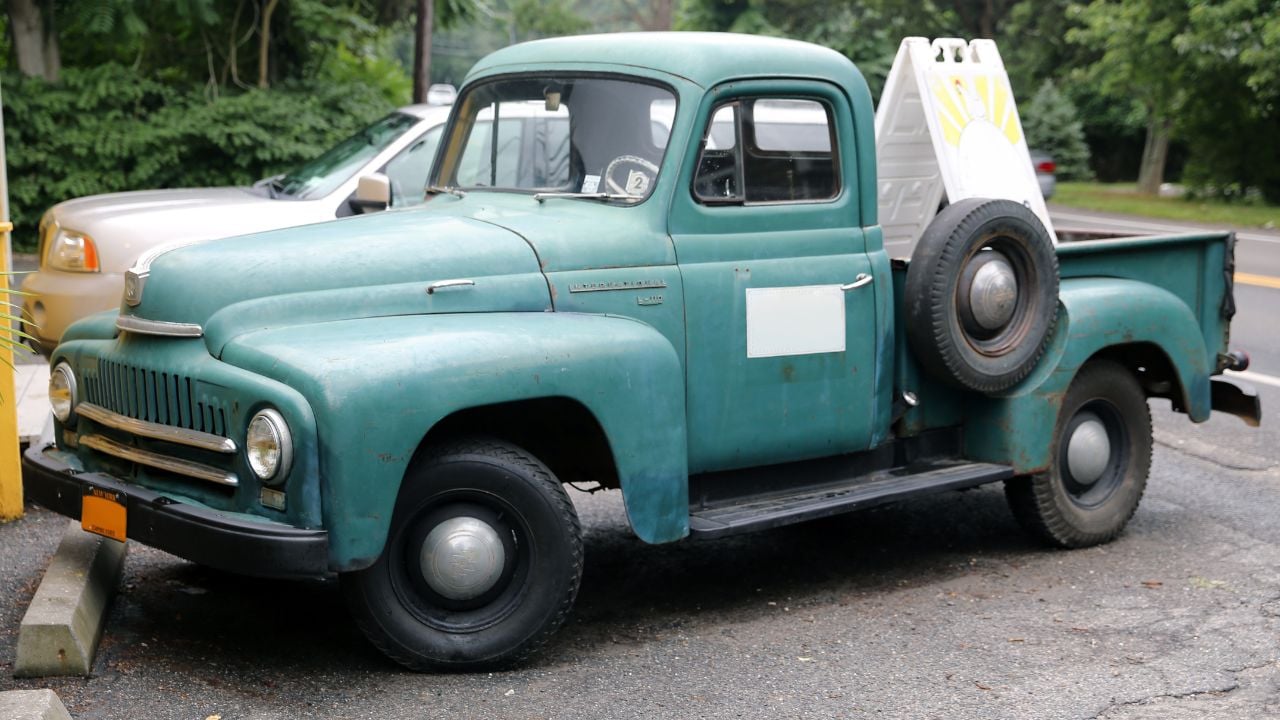
Mater’s rusty, patched-together appearance draws inspiration from countless work trucks that have served America’s heartland for decades. Reference material and tie-in guides often describe Mater as a composite influenced by a 1951 International Harvester L-series tow truck and mid-1950s Chevrolet Task Force styling, the kind of utilitarian vehicle that formed the backbone of rural American commerce and farming. The deliberately weathered appearance, with mismatched body panels and surface rust, reflects the reality of working trucks that prioritize function over form and develop character through years of honest labor.
The genius of Mater’s design lies in how it celebrates the working-class automotive experience that many enthusiasts understand intimately. Unlike pristine show cars or high-performance machines, Mater represents the vehicles that actually built America, the trucks that hauled materials, towed broken-down cars, and served as reliable transportation for hardworking people. His gap-toothed grin, formed by a missing headlight, and his endearing loyalty mirror the relationship many people have with their old, imperfect but dependable trucks that refuse to quit despite their battle scars.
Sally Carrera: The Porsche 911 Perfected
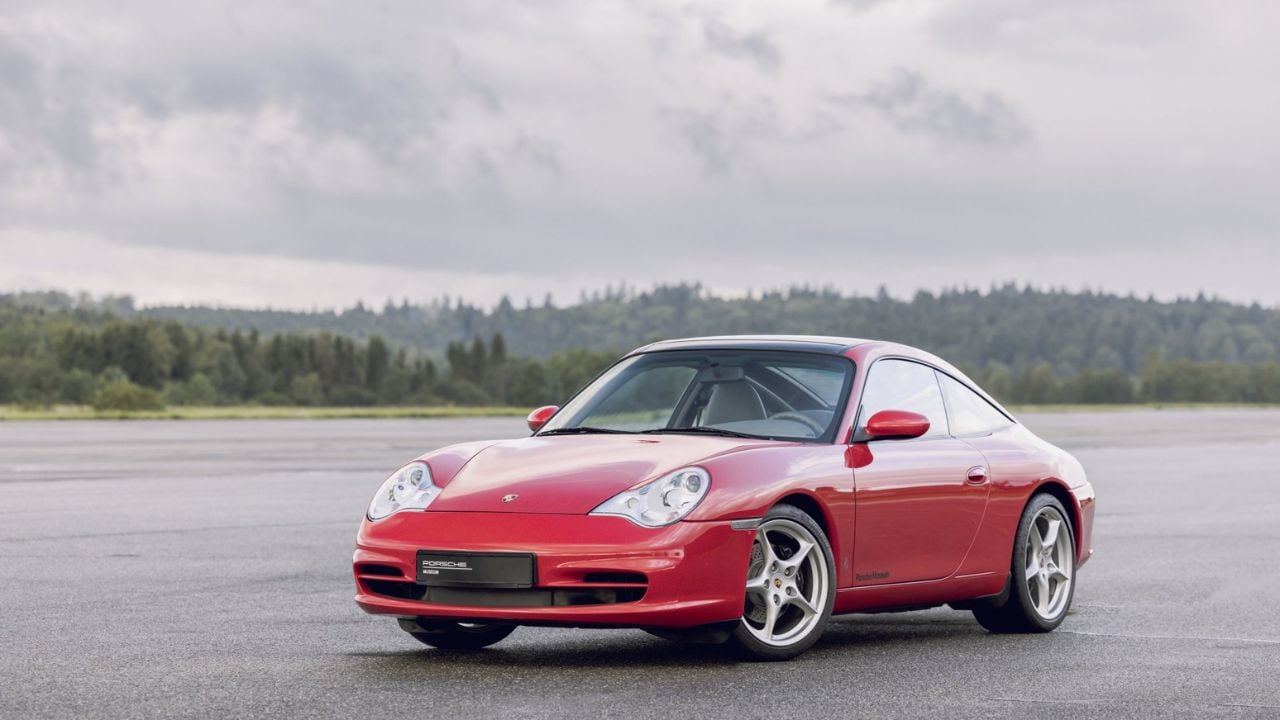
Sally’s design is unmistakably based on the Porsche 911 (996 generation), the movie version is explicitly treated as a 996-based Sally. Her sleek silhouette, distinctive headlight shape, and overall proportions capture the essence of what many consider one of the most beautiful sports car designs ever created. The choice to model a main character after a Porsche 911 was inspired, as this platform represents decades of evolutionary design refinement and has maintained its iconic profile while incorporating modern technology and performance improvements.
The character’s baby blue paint scheme and sophisticated personality perfectly match the 911’s reputation as a thinking person’s sports car: powerful and capable, but refined and approachable rather than intimidating. Sally’s role as Radiator Springs’ voice of reason mirrors how the 911 has served as the benchmark sports car that other manufacturers aspire to match. Her character development from a high-powered city lawyer to a small-town advocate reflects the 911’s versatility, equally comfortable on a race track, mountain highway, or suburban driveway.
Fillmore and Sarge: The Culture Wars on Four Wheels
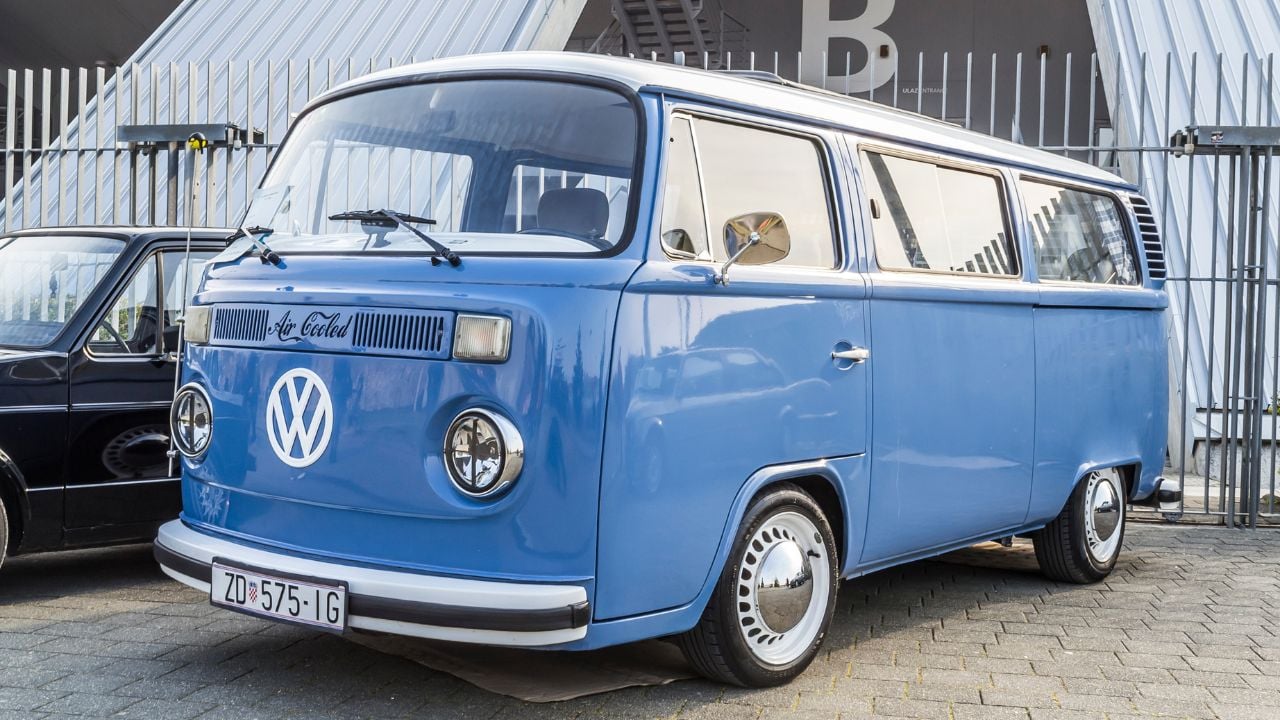
Fillmore, the peace-loving hippie van, is clearly inspired by the Volkswagen Type 2 bus (often identified as a 1960 Type 2) that became synonymous with the counterculture movement. His tie-dye paint job, flower power decorations, and laid-back personality capture the spirit of an era when the VW Bus represented freedom from conventional society. The real Type 2’s simple, reliable design and spacious interior made it perfect for road trips, communal living, and carrying the gear needed for music festivals and protest rallies.
Sarge, Fillmore’s neighbor and ideological opposite, modeled after a 1942 Willys MB military Jeep, the vehicle that helped win World War II and established the template for all future off-road vehicles. His olive drab paint, spare tire mounted on the rear, and no-nonsense military bearing reflect the utilitarian design philosophy that prioritized durability and functionality over comfort or style. The dynamic between these two characters, the anti-establishment van and the military jeep, cleverly represents the cultural tensions of their respective eras while showing how different automotive tribes can coexist peacefully in the same community.
Ramone: The Lowrider Art Movement
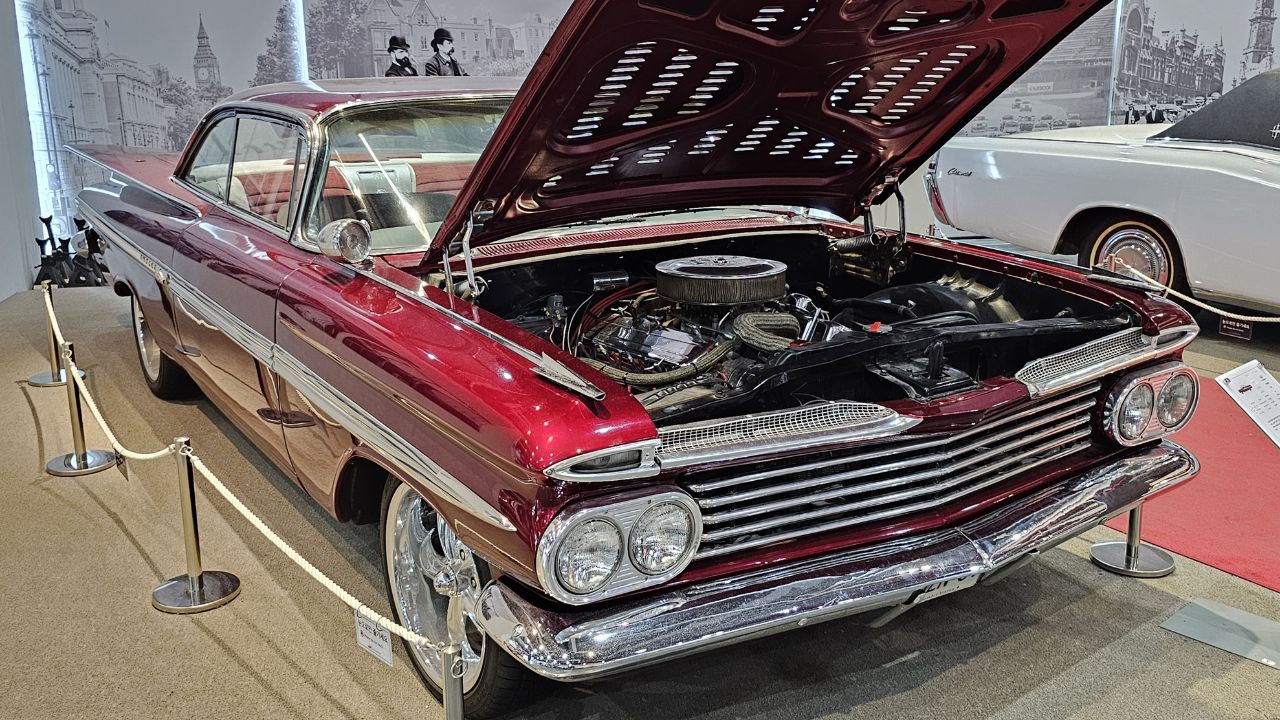
Ramone’s design celebrates the rich tradition of lowrider culture, specifically most commonly identified as a 1959 Chevrolet Impala lowrider/show car and similar models that became the canvas for automotive artistry in Latino communities. His ability to change paint schemes represents the customization culture where cars serve as personal expression, family pride, and rolling artwork. The character’s passionate dedication to his craft mirrors that of real lowrider enthusiasts, who spend thousands of hours and dollars perfecting their rides, treating each vehicle as a unique artistic statement.
The lowrider movement transformed utilitarian transportation into cultural expression, incorporating hydraulic suspension systems, custom paint jobs, and intricate interior modifications that elevated cars into mobile art galleries. Ramone’s paint booth and artistic sensibilities capture this tradition perfectly, showing how automotive culture extends far beyond performance modifications to encompass visual artistry, cultural identity, and community pride. His work on other characters throughout the films demonstrates how customization culture brings communities together and helps individual vehicles develop their own distinct personalities.
The King: Racing Royalty Inspired by Richard Petty

The King’s design pays homage to Richard Petty’s famous #43 Plymouth, one of the most recognizable paint schemes in NASCAR history. His distinctive blue and red livery, complete with the crown logo, mirrors Petty’s STP sponsorship colors that became synonymous with racing excellence throughout the 1970s and 1980s. The character’s dignified personality and veteran status reflect Petty’s reputation as “The King” of NASCAR, a driver who combined exceptional skill with genuine sportsmanship and respect for his competitors.
The King is modeled after a 1970 Plymouth Superbird, a highly modified version of the Plymouth Road Runner built for stock-car racing, represents the pinnacle of American muscle car engineering, with their aggressive aerodynamic modifications and powerful engines designed specifically for racing dominance. These cars embodied the “win on Sunday, sell on Monday” philosophy that drove manufacturers to create increasingly sophisticated performance machines. The King’s graceful acceptance of defeat in the first film mirrors the sportsmanship that real racing legends like Petty displayed throughout their careers, showing younger drivers how to compete fiercely while maintaining respect for the sport and fellow competitors.
Wingo: The Import Tuner Revolution

Wingo’s distinctive design is typically described as a fictional tuner-style composite, most often compared to shapes like a mid-’90s Mitsubishi Eclipse, a Toyota Supra, and an early-2000s Acura RSX, and other similar Japanese sport compacts that became the foundation of the import tuner movement in the 1990s and early 2000s. His bright green paint, pronounced rear spoiler (or multiple spoilers!?), and aggressive body kit modifications represent the era when young enthusiasts discovered they could transform affordable economy cars into serious performance machines through careful modifications and tuning. The character’s design captures the essence of cars featured in magazines like Import Tuner and Super Street, where creativity and technical innovation mattered more than factory horsepower numbers.
The import tuner scene that inspired Wingo represented a democratization of performance car culture, proving that you didn’t need a massive budget or American V8 power to build something fast and unique. His character reflects the ingenuity of enthusiasts who used turbochargers, nitrous oxide systems, and carefully planned modifications to extract incredible performance from engines that Detroit’s muscle car era would have dismissed as too small to matter. Wingo’s role as one of the Delinquent Road Hazards captures both the excitement and occasional recklessness of street racing culture, where young drivers pushed their modified imports to the limit on highways and back roads across America.
“There’s a Whole Lot More To Racing Than Just Winning”

The brilliance of Pixar’s Cars franchise lies not just in its stunning animation or heartfelt storytelling, but in how it serves as a celebration of automotive culture that spans generations. From Doc Hudson’s tribute to NASCAR’s pioneering era to Sally’s embodiment of sports car perfection, each character represents real vehicles that have shaped American roads and racing history. For car enthusiasts, these animated personalities serve as a bridge between past and present, honoring the machines that built our automotive heritage while introducing new generations to the joy of car culture.
The real magic happens when we recognize our own automotive relationships reflected in these characters: the loyal old truck that never lets us down (Mater), the dream car we aspire to own (Sally), or the project car that represents our personal style (Ramone). By grounding these characters in authentic automotive DNA, Pixar created more than just entertainment; they crafted a loving tribute to the machines that move us, the communities that form around them, and the memories they help us create. In a world increasingly dominated by autonomous and electric vehicles, the Cars franchise reminds us that our relationship with automobiles goes far deeper than mere transportation, it’s about freedom, personality, and speed. I am speed.