Step back in time and imagine cruising in a 1930s sedan shaped like it drove off a science-fiction set, or sliding into a 1980s cockpit that feels more like a spaceship’s command center. Across decades of automotive history, a select dozen production cars stunned buyers with styling or features far beyond their era, so far beyond that showrooms balked and magazine editors shook their heads.
These bold trailblazers often flopped initially but went on to inspire today’s design trends and tech comforts. From wind-tunnel-shaped coachwork to early electric drivetrains, each model on this list reminds us that true innovation sometimes arrives too early to win hearts at first glance.
Chrysler Airflow (1934 to 1937)

Chrysler’s Airflow was the first full-size American car designed around wind-tunnel testing rather than tradition. Its unibody construction and sleek, teardrop-shaped body slashed air resistance and improved weight balance years before aerodynamics became standard practice.
Despite total production of roughly 29,000 Chrysler Airflows from 1934 to 1937, engineers proved drag reduction could enhance stability and fuel economy. Today, restored Airflows draw adoring crowds at classic-car events for showing us how modern styling ideas began.
Tucker 48 (1948 to 1949)

Preston Tucker’s 48 emerged in postwar Chicago with a host of safety-first innovations that read like tomorrow’s headlines. A center “Cyclops” headlight that turned with the wheels improved nighttime visibility, pop-out windshields and padded dashboards foreshadowed passive safety features, and four-wheel independent suspension delivered a ride quality unheard of for its day.
According to the Swigart Museum, only 51 production cars rolled off the assembly line before financial woes shut the company down. Each remaining Tucker 48 stands as a rolling museum piece of what automotive safety could have become much sooner.
Jeep Wagoneer (1963 to 1991)

Long before luxury SUVs blanketed parking lots, Jeep’s Wagoneer blended station-wagon comfort with genuine off-road chops beginning in 1963. Its wood-grain panels and plush seating turned a four-wheel-drive rig into a family-friendly cruiser, pioneering the premium SUV segment that boomed decades later.
For nearly 30 years, the Wagoneer proved that rugged capability and creature comforts need not be mutually exclusive. Modern crossovers owe their plush cabins and versatile personas to this trailblazing icon.
Oldsmobile Jetfire (1962 to 1963)

Oldsmobile surprised the nation in 1962 with the Jetfire, one of the first turbocharged U.S. production cars. Paired with a water–methanol injection setup marketed as “Turbo-Rocket Fluid,” the compact F-85 hardtop delivered punchy power at a time when big-block V8s reigned supreme.
Buyers balked at its quirky fluid-refill routine and reliability quirks, but the Jetfire proved that forced induction could shrink engine size without sacrificing performance. Years later, turbochargers became ubiquitous, from economy cars to exotic sports machines.
Lamborghini Countach (1974 to 1990)

When the Countach debuted at Geneva in 1971, its wedge-shaped profile and scissor doors shattered every design rule in the supercar rulebook. The LP400’s razor-sharp lines and impossibly low stance felt like glimpsing a future only Gut Punch magazine posters dared to illustrate.
For 16 years, the Countach embodied unbridled automotive drama, its every curve and crease shouting ambition. Even today, exotic car designers chase the Countach’s radical spirit, ensuring it remains the ultimate poster-car muse.
Citroën SM (1970 to 1975)

Citroën’s SM brought Grand Tourer sophistication to an unexpected corner of the automotive spectrum. Under its fastback hood lay a Maserati-built V6 paired with a hydro-pneumatic suspension that provided aircraft-style ride comfort and self-leveling poise.
On versions equipped with Citroën’s directional lighting, the covered headlamps could swivel with the steering, giving both style and safety a French twist. Though fewer than 13,000 were sold, the SM’s blend of Continental luxury and daring engineering still turns heads at concours events worldwide.
Audi Quattro (1980 to 1991)

In 1980, Audi launched the Quattro as a performance coupé with permanent all-wheel drive and then used it to redefine what traction could do in rallying. The Quattro proved traction could trump horsepower on snow-packed stages and wet roads alike, making rainy commutes feel like dry-track confidence laps.
Its loud five-cylinder howl and razor-sharp handling thrilled drivers and inspired every performance-AWD car that followed. The quattro badge remains Audi’s hallmark for grip-mindset driving, a lasting tribute to its rally DNA.
Ford Taurus

When the 1986 Taurus rolled off the assembly line, it looked like a stealth fighter masquerading as a family sedan. Its rounded shape and smooth surfaces helped it achieve a drag coefficient around 0.32, impressively low for a mainstream mid-size sedan in the mid-1980s. Inside, the optional digital instrument panel and trip computer felt borrowed from a science fiction set yet worked perfectly for daily commutes.
Selling by the millions, this runaway success reshaped the midsize sedan segment and influenced nearly every mass-market brand that followed.
Chrysler Minivans (1984 to 1995)
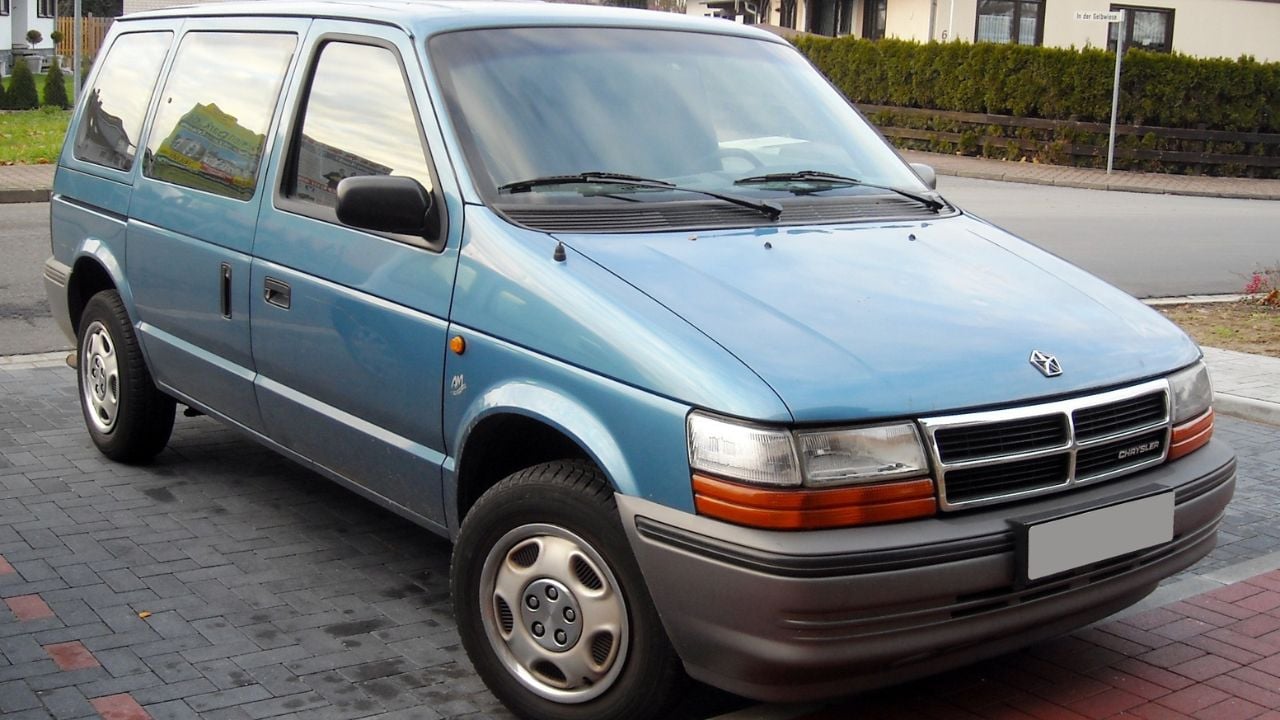
When the Dodge Caravan and Plymouth Voyager debuted for the 1984 model year, they completely reimagined family transport. Their sliding side door and flexible seating felt like living in a Transformer on wheels. A unibody front-wheel-drive layout delivered carlike handling with van-sized cargo space perfect for soccer gear and home-improvement hauls.
Millions of buyers embraced this clever box on wheels, and imitators popped up around the world. Today, every minivan and crossover traces its roots to this practical automotive revolution.
Toyota Prius (1997 to 2003)
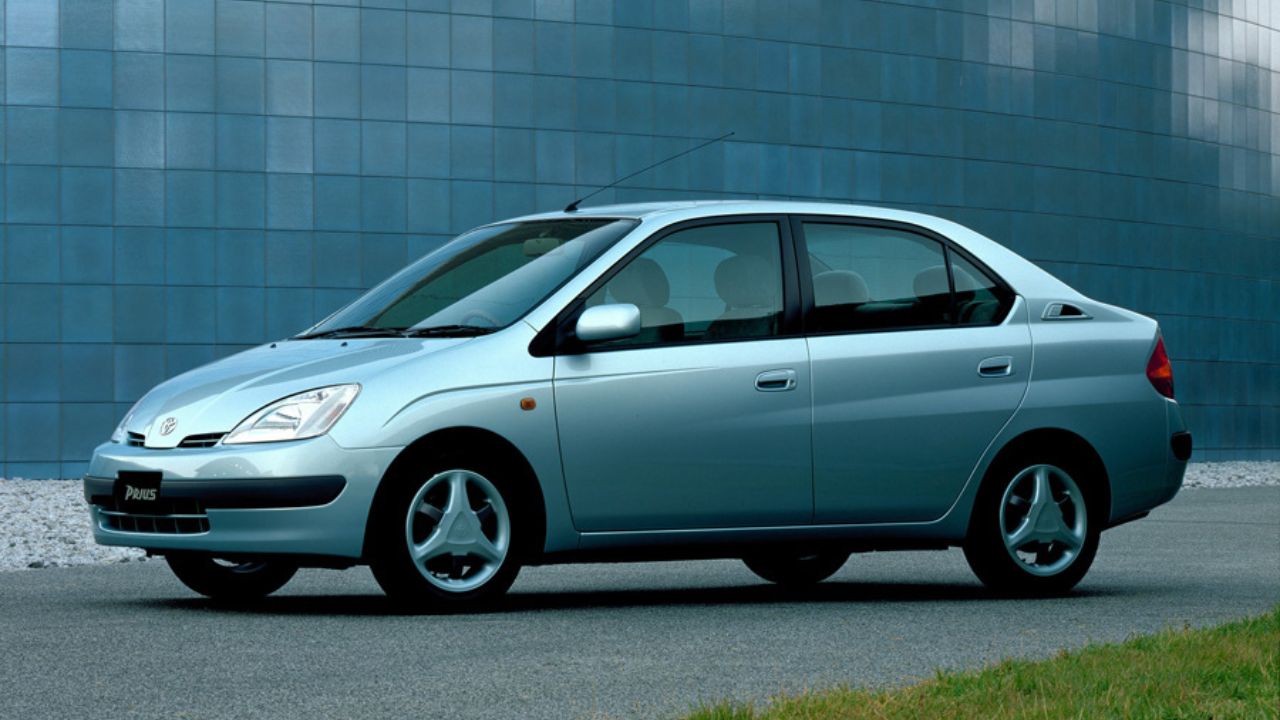
Toyota’s first-generation Prius arrived stateside in 2000 as the world’s inaugural mass-market hybrid. Pairing a gasoline engine with an electric motor and CVT gearbox, it delivered fuel economy in the low-40-mpg range under the test cycle used at the time, an astonishing figure when SUVs guzzled gas by the gallon.
Its wedge-shaped body and futuristic center dash cluster stood out in every parking lot. Now shorthand for eco-minded driving, the Prius forced every automaker to rethink fuel economy in the new millennium.
Honda Insight (2000 to 2006)

Honda’s Insight beat the Prius to U.S. showrooms by a year with a two-seat hybrid built for ultimate efficiency. An ultra-light aluminum shell and aerodynamic wizardry pushed real-world economy north of 50 mpg when most compacts barely crested 30.
Its Integrated Motor Assist system, while simple in concept, proved hybrid tech could thrill without drama. The Insight’s no-frills approach to green driving still earns respect from budget-savvy commuters and eco-enthusiasts alike.
Pontiac Aztek (2001 to 2005)

The Aztek startled buyers with its polarizing styling and modular lifestyle gear, including a built-in cooler and attachable tent. Critics snarled at its boxy panels and quirky proportions, yet the crossover’s versatility foreshadowed today’s adventure-ready SUVs. Living on as Walter White’s ride in Breaking Bad resurrected some affection, turning the Aztek from a punchline to a cult hit. Hindsight shows Pontiac gambled on an active-lifestyle niche that exploded a decade later.
Driving Innovation from Classic Designs to Modern Auto Trends

These twelve cars travel across decades and continents but share one trait: the courage to think differently and push boundaries. Whether it was the Chrysler Airflow breaking the mold in the 1930s or early hybrids like the Prius and Insight proving efficiency could be mainstream, each model challenged the status quo and left a lasting mark.
Fast forward to today, and splashy electric SUVs with screens everywhere or tiny turbocharged compacts owe their existence to these pioneers. Next time you spot a Countach or Prius at a local meet or even on screen in a classic movie cameo, remember these designs were once mocked or overlooked but grew into the blueprint for modern auto styling and tech. They prove that visionary ideas may be misunderstood at launch but often define what comes next.