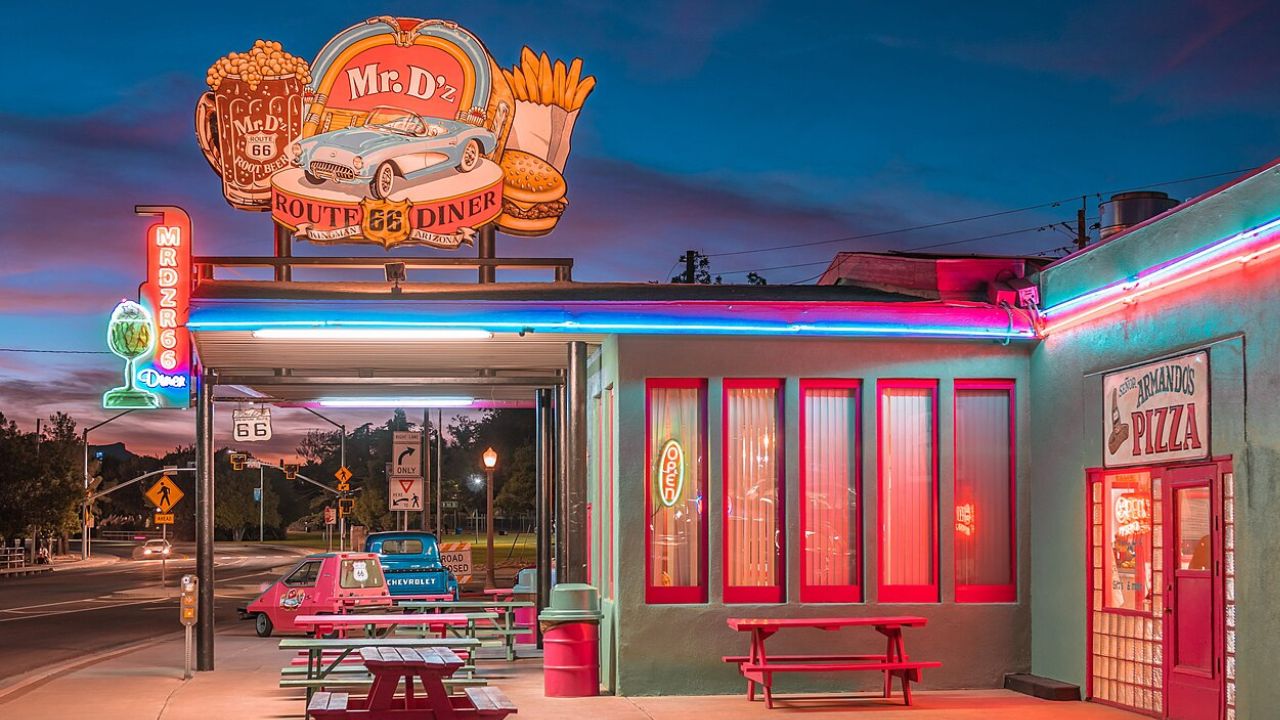

Picture this: You’re cruising down the interstate in your pride and joy — whether it’s a pristine ’67 Camaro, a well-loved F-150, or that Miata you swear can reach 90 miles per hour if the AC is off — and your fuel gauge starts giving you the stink eye. But here’s the thing about us car folks: we don’t just want gas. We want an experience. We want stories. And occasionally, we want somewhere our transmission cooler won’t overheat while we grab a decent cup of coffee.
After decades of highway miles and more questionable gas station bathrooms than we care to remember, certain stops have earned legendary status among those of us who consider horsepower a personality trait. These aren’t your run-of-the-mill pump-and-go joints. These are destinations that understand what makes us tick; places where car culture thrives, where you can actually find someone who knows the difference between a Windsor and a Cleveland, and where your ride gets the respect it deserves.
Our Roadside Legends Selection Method
Have you ever been on a cross-country road trip? If you have, you definitely know that feeling: the one where you plan out stops along the way without a care if they add a few extra hours. If you love driving, you don’t want to get home any time soon anyway. While you’re already on the road, you might as well check out gorgeous coasts, romantic sunsets, delicious diners, and iconic spots that would make for a great photo opp with your car.
The gas stations and diners on this list aren’t here because they have fast, efficient, cheap service. These are the establishments where car enthusiasts want to spend a bit of extra time: they are a destination in themselves. These are spots with longevity, loyalty, personality, and cultural significance.
We also looked at how these places fit into the broader tradition of American travel, from iconic highways to regional convenience stores that locals swear by. Every stop we chose adds value to the road trip experience, whether through food, atmosphere, history, or sheer spectacle. These are places that leave travelers with a story to share long after the journey is over.
Buc-ee’s: The Megastore of the Open Road
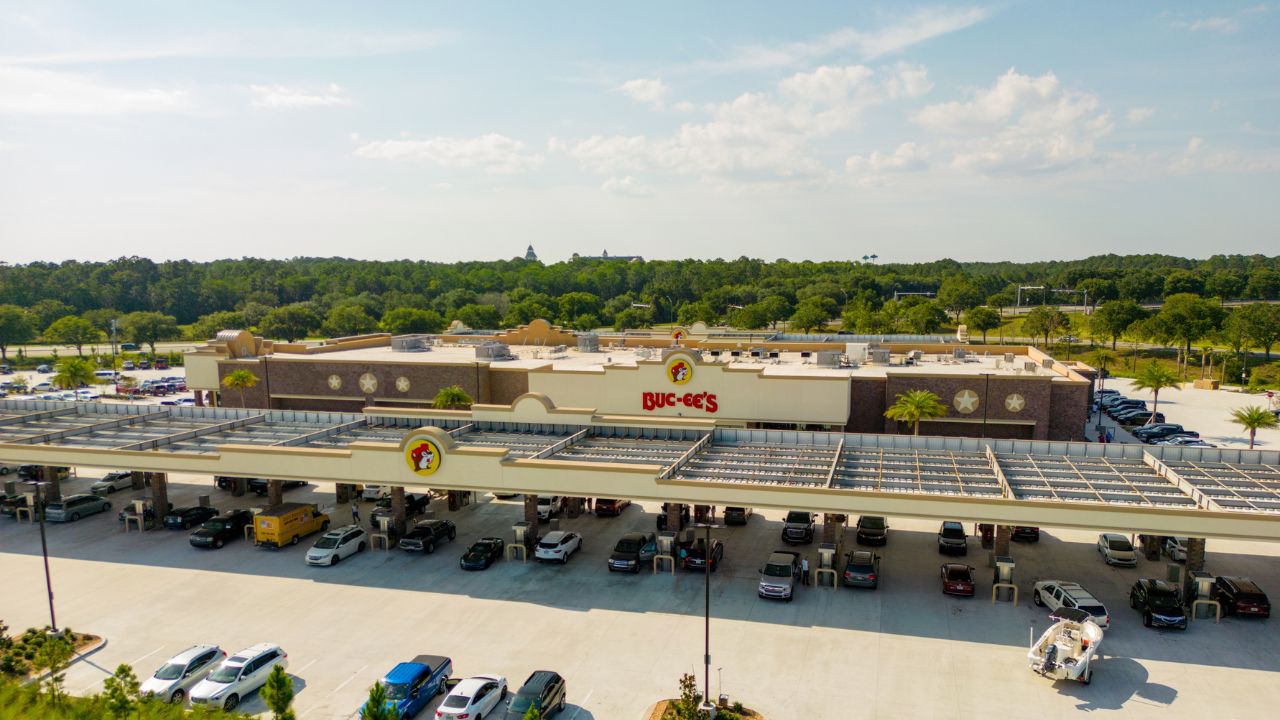
If you’ve never experienced Buc-ee’s, imagine if a gas station and a Bass Pro Shop had a baby, and that baby was raised by Disney. These Texas titans have redefined what it means to make a pit stop, and frankly, they’ve ruined us for every other travel center in America.
With locations spanning over 70,000 square feet (that’s roughly the size of 1.6 football fields for those keeping track), Buc-ee’s sells an experience. Their Amarillo location boasts 120 fueling positions, which means even if you’re pulling a 40-foot fifth wheel with your dually, you won’t be playing bumper cars trying to get to a pump. The fuel bays are designed wide enough that you could probably fit a Smart Car sideways in each lane, though we’re not sure why you’d want to.
But here’s where it gets interesting for car enthusiasts: Buc-ee’s understands that road trips aren’t just about getting from Point A to Point B. They stock everything from emergency car supplies to coolers big enough to transport a small-block Chevy (not that we’re suggesting anything). Their jerky wall — yes, an entire wall dedicated to jerky — features over 30 flavors, perfect for those long drives when you need protein but your hands need to stay on the wheel.
The restrooms deserve special mention because, let’s face it, after four hours of highway driving, you’re not exactly thrilled about using facilities that look like it was cleaned during the Carter administration. Buc-ee’s restrooms are so clean they make hospital operating rooms look sketchy. They’ve got more stalls than some small-town movie theaters have seats, and they’re maintained by a staff that clearly takes pride in their work.
And then there’s the merchandise. Buc-ee’s branded gear has become something of a status symbol among road warriors. Wearing a Buc-ee’s t-shirt to a car show is like having a secret handshake: it immediately identifies you as someone who appreciates the finer things in highway travel. Their kolaches alone are worth planning a route around, and trust us, after you’ve had their brisket sandwich, you’ll understand why people drive hundreds of miles just to stock up.
Stuckey’s: A Taste of Nostalgia on the Highway
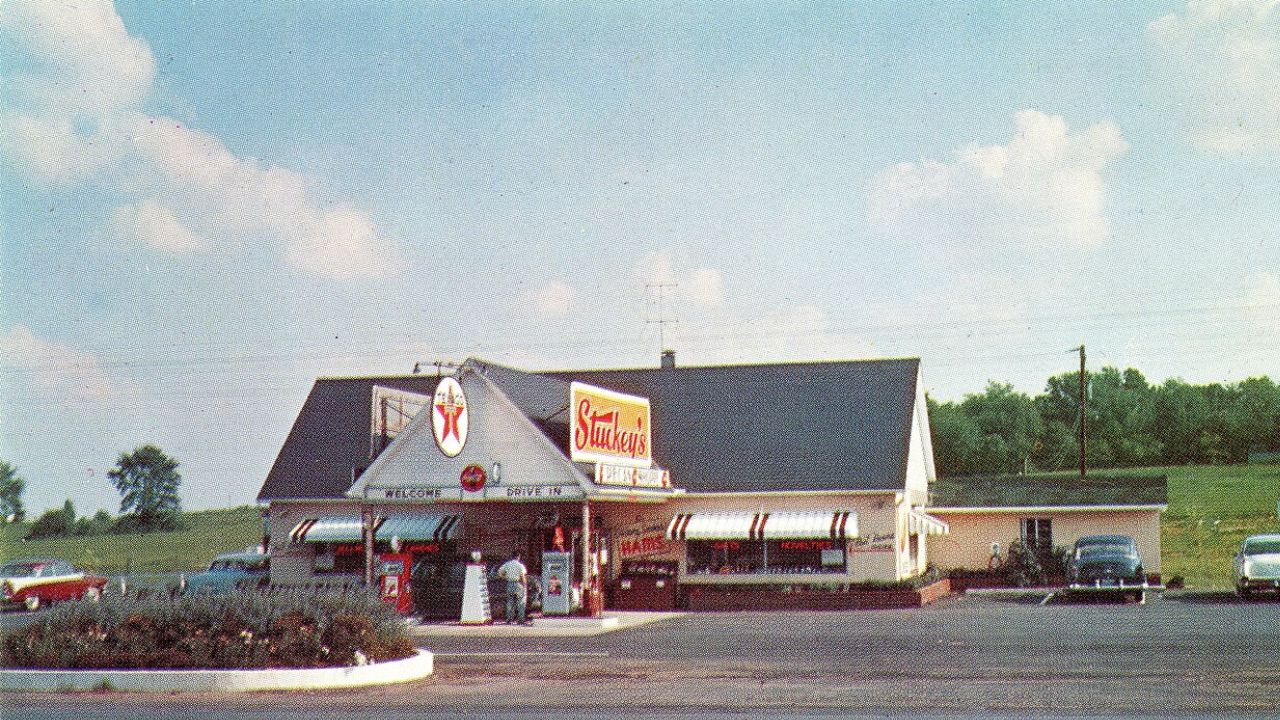
Remember when gas stations were actually service stations? When attendants wore uniforms and checked your oil without being asked? Stuckey’s remembers too, and while they may not be checking your tire pressure anymore, they’re still serving up that old-school road trip magic that made highway travel feel like an adventure rather than a chore.
Founded in 1937 by W.S. Stuckey Sr. (a man who clearly understood that pecans and highways were meant to be together), Stuckey’s became the roadside stop of choice for families loading up the station wagon for cross-country adventures. Their iconic turquoise roofs and pecan log rolls became as much a part of the American highway landscape as Burma-Shave signs and Howard Johnson’s.
Now, let’s address the elephant in the room: yes, Stuckey’s went through some rough patches. The 1980s and 90s weren’t kind to a lot of roadside institutions, and Stuckey’s was no exception. But here’s the thing about true car people — we appreciate comeback stories. And Stuckey’s comeback has been impressive, with new ownership breathing fresh life into the brand while keeping all the quirky charm that made it special in the first place.
Today’s Stuckey’s locations still embrace the wonderful weirdness that made them famous. You can still buy rubber alligators, bizarre souvenir mugs, and enough kitsch to fill a garage sale. But they’ve also upgraded where it counts. The pecan log rolls are still made fresh (and still capable of satisfying your sweet tooth for the next 200 miles), and they’ve added modern amenities without losing that distinctly American roadside character.
For car enthusiasts, Stuckey’s represents something important: the idea that the journey matters as much as the destination. In an age of GPS routing that treats every mile as an obstacle to overcome, Stuckey’s reminds us that sometimes the best part of a road trip is the unexpected stop that becomes a story you tell for years.
Route 66 Diners: Living History in Every Bite
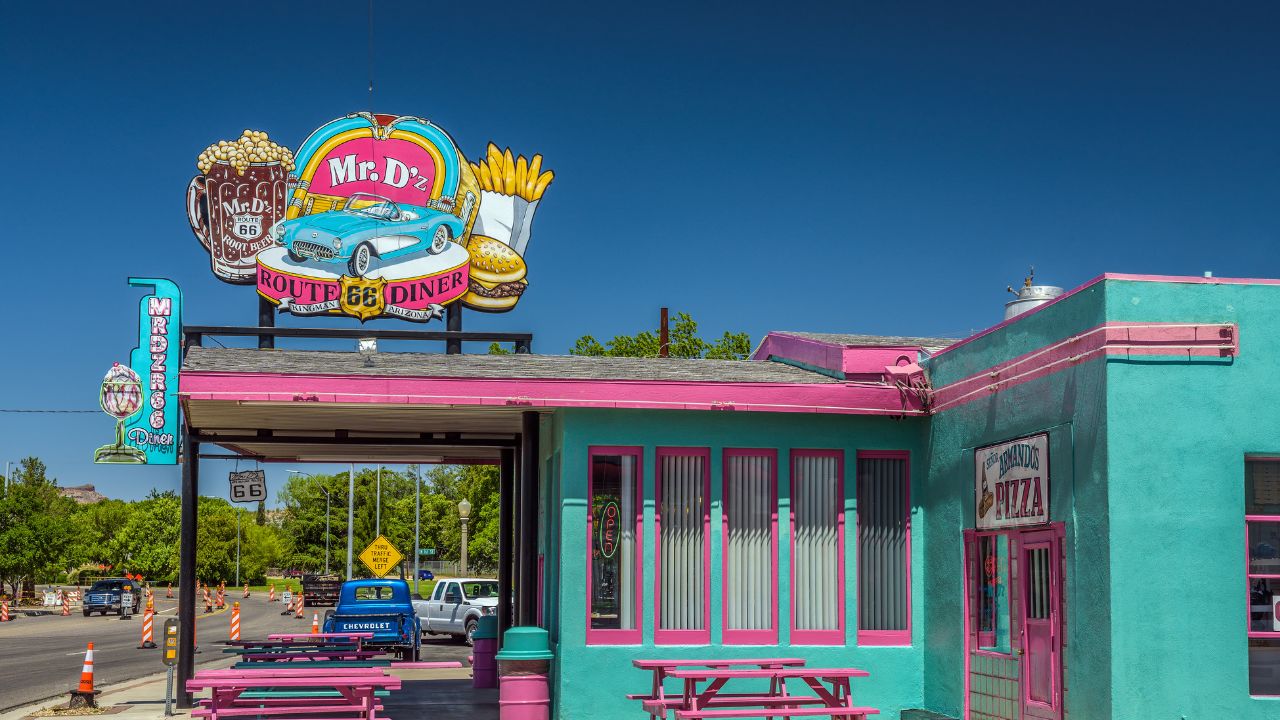
If you’re a car enthusiast who doesn’t get a little misty-eyed thinking about Route 66, check your pulse. The Mother Road is a shrine to American car culture, and its surviving diners are the sacred spaces where that culture is still alive and kicking.
These restaurants are time machines. Walk into Lou Mitchell’s in Chicago (operating since 1923) or the Route 66 Diner in Albuquerque, and you’re stepping into an era when cars were built like tanks, gas was cheap, and the journey was the whole point. The decor, such as neon signs, chrome fixtures, and checkerboard floors are artifacts from the golden age of American automobiles.
But let’s talk practical benefits for today’s car enthusiasts. Many Route 66 diners offer spacious parking lots that can accommodate everything from a lowered Corvette (watch those speed bumps) to a lifted Bronco pulling a trailer with a race car. The staff at these places have seen every make and model roll through their parking lots, so don’t be surprised if your waitress knows more about your car than the kid at the dealership service department.
The Del Rhea Chicken Basket outside Chicago has been serving fried chicken to road-trippers since 1946, and their parking lot regularly hosts impromptu car shows during busy weekends. The MidPoint Café in Adrian, Texas (the actual midpoint of Route 66), serves “ugly crust” pies that are anything but ugly, and their walls are covered with photographs of the thousands of classic cars that have made the pilgrimage.
These diners also understand something that modern fast-casual chains don’t: sometimes you need more than 20 minutes to properly enjoy a meal. After four hours of white-knuckling it through construction zones, you want to sit in a real booth, order coffee that comes in a real mug, and have an actual conversation with a human being who isn’t trying to upsell you on premium unleaded.
Wawa: A Northeastern Essential
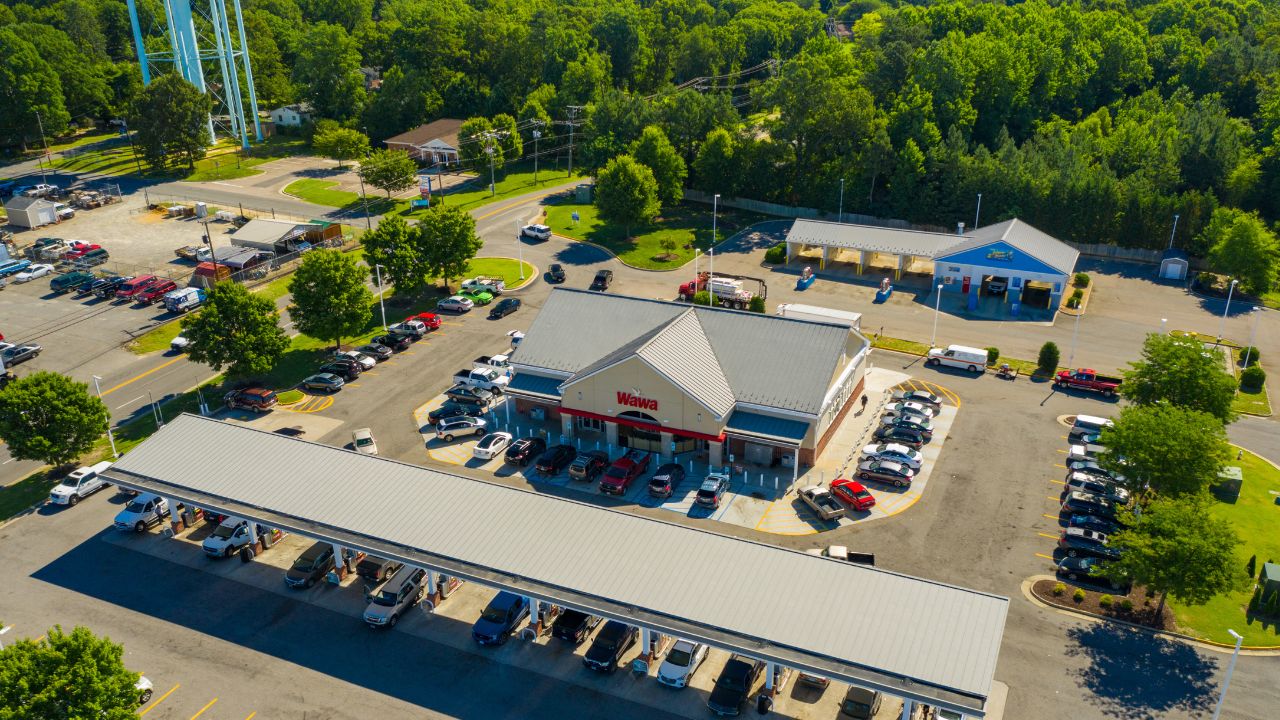
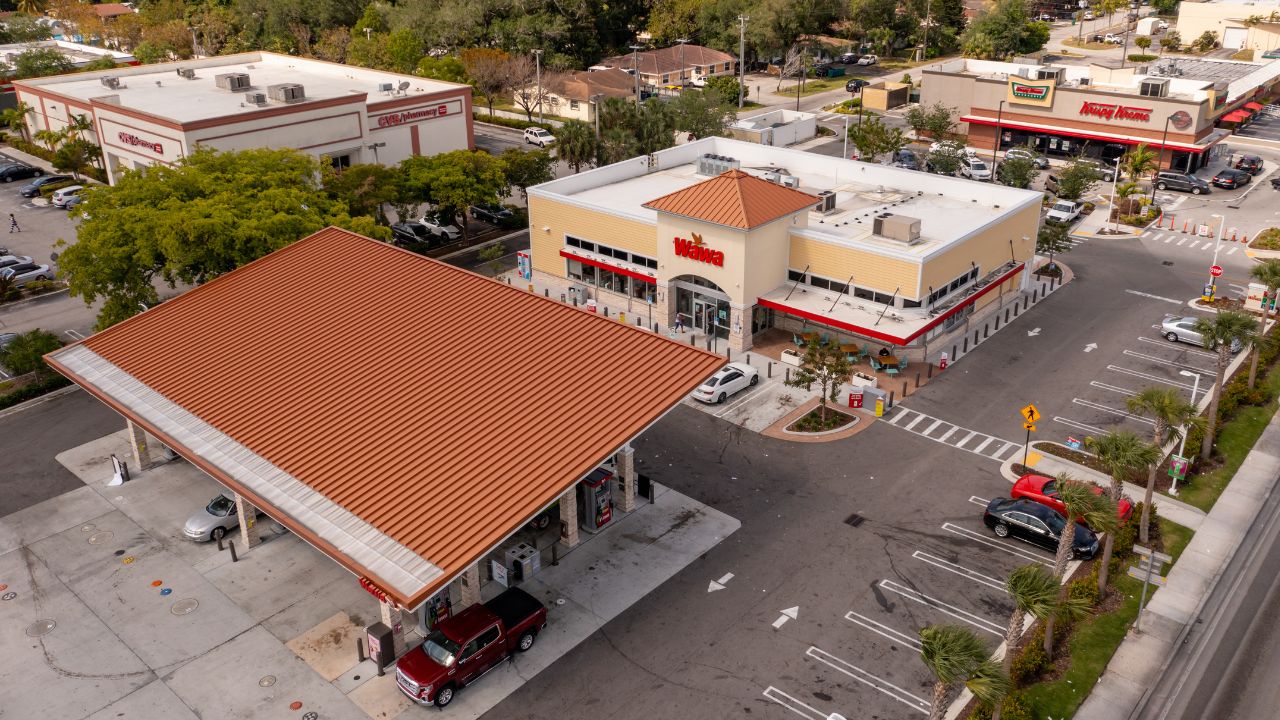
If you mention Wawa to someone from Pennsylvania, New Jersey, or Delaware, prepare for a 20-minute monologue about hoagies, coffee, and why their local Wawa is superior to all other Wawas. This isn’t just regional pride — it’s justified enthusiasm for a convenience store chain that actually lives up to the “convenience” part of its name.
Founded in 1964 as a dairy company (the name comes from the Ojibwe word for “wild goose”), Wawa revolutionized the convenience store game with innovations that seem obvious now but were radical at the time. They introduced the first computerized deli system in 1987, letting customers customize orders via touch screen decades before everyone else figured out this was the way to go.
For car enthusiasts, Wawa’s appeal goes beyond just fuel and food. Their locations are strategically placed along major highways and feature pump configurations that actually make sense: no impossible angles, no pumps wedged between concrete barriers like some sort of automotive obstacle course. Their fuel islands are well-lit, spacious enough for trucks and trailers, and maintained by people who understand that spilled diesel and sports car tires don’t mix well.
The real genius of Wawa is its food program. While other convenience stores are microwaving questionable hot dogs that have been rotating under heat lamps since the Bush administration (pick one), Wawa is making fresh hoagies to order. Their coffee program puts most dedicated coffee shops to shame, with multiple blends and seasonal offerings that actually taste like coffee instead of burned water.
The cult-like devotion Wawa inspires isn’t an accident. When you’re doing a long road trip and you see that familiar goose logo, you know exactly what you’re getting: clean restrooms, decent food, fair fuel prices, and staff who act like they’re actually happy to be there. In the world of highway travel, consistency like that is worth its weight in premium unleaded.
The Big Texan Steak Ranch: Dinner with a Challenge
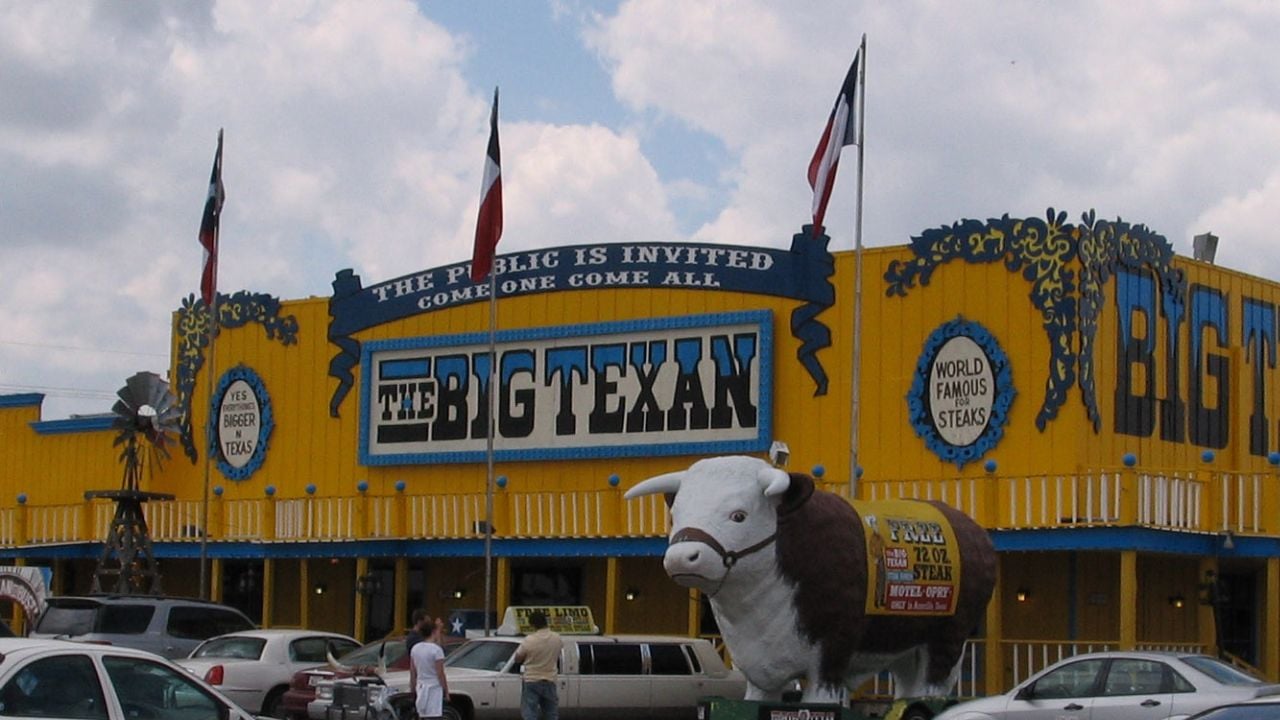
The Big Texan in Amarillo exists for one simple reason: to prove that Texas doesn’t mess around when it comes to food, entertainment, or automotive hospitality. This place has been challenging travelers to consume ridiculous amounts of beef since 1960, and somehow, it works.
The famous 72-ounce steak challenge isn’t just a publicity stunt (though it’s definitely that too) — it’s a genuine test of human determination that has attracted everyone from competitive eaters to drunk college kids to car enthusiasts trying to impress their passengers. The rules are simple: finish a 72-ounce steak, baked potato, salad, roll, and butter within one hour, and the meal is free. Fail, and you’re out about $75, plus whatever dignity you had left.
Even if you’re not interested in attempting to consume what amounts to a small calf in sixty minutes, the Big Texan understands car culture. Their parking lot can accommodate anything from a motorcycle to a motorhome, and during busy periods, it turns into an informal car show. The staff genuinely appreciates cool rides and isn’t shy about asking questions or offering compliments.
The restaurant itself is pure Texas theater, with Western décor that borders on parody but somehow manages to be charming instead of cheesy. The portions are generous even for normal orders (a regular steak here would count as large anywhere else), and the atmosphere is lively without being obnoxious. It’s the kind of place where families in minivans sit next to bikers in leather, where business travelers share tables with RV retirees, and where everyone’s united by the shared experience of watching some brave soul attempt to conquer the 72-ounce challenge.
For car enthusiasts, the Big Texan represents something important: the idea that road trips should include memorable experiences, not just efficient fuel stops. It’s a place that celebrates the bold, the outrageous, and the uniquely American tradition of doing things bigger just because we can.
Why We Keep Coming Back
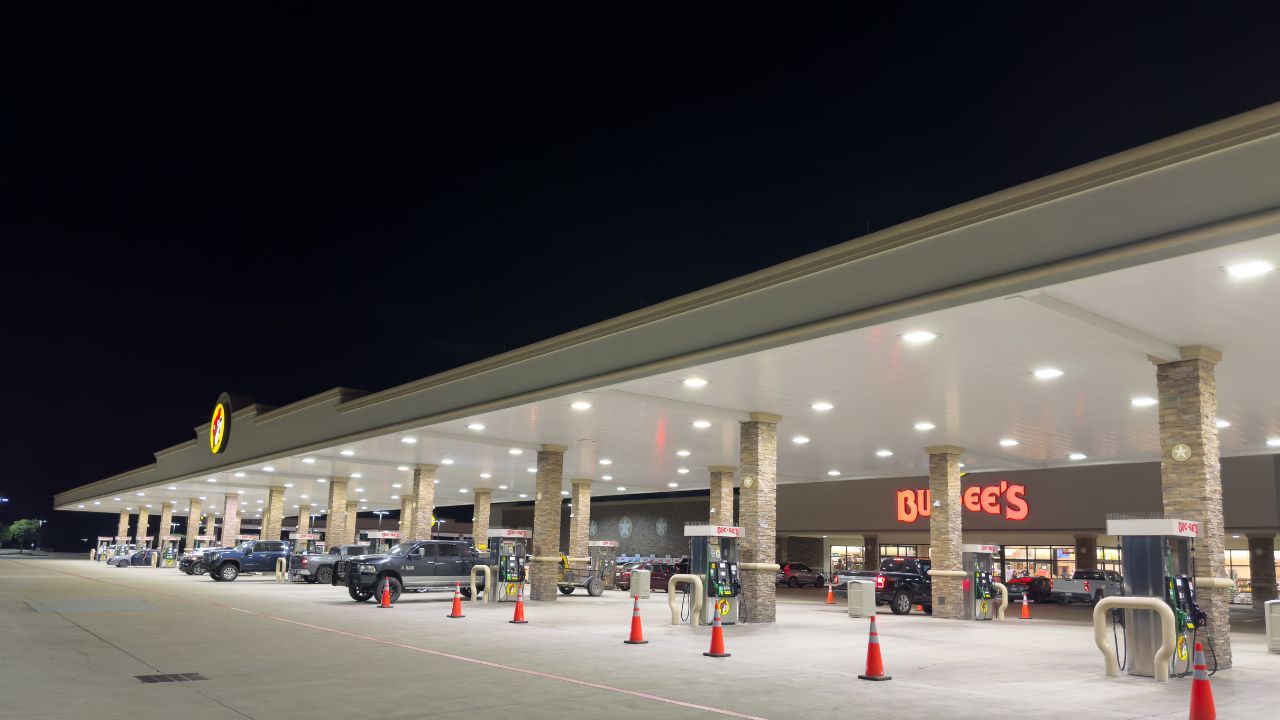
Here’s the thing about legendary roadside stops: they become part of your car’s story. That Buc-ee’s sticker on your toolbox. That photo of your Mustang parked outside a Route 66 diner. That Wawa coffee cup that’s lived in your cup holder for three years. These places don’t just serve travelers: they create memories.
In an age of GPS efficiency and electric charging stations (no judgment, electrons are the future), these stops remind us that the journey is still part of the adventure. They’re places where car culture lives, where enthusiasts gather naturally, and where your ride gets the respect it deserves from people who actually care about more than just moving product.
Every car has stories, and the best roadside stops help you collect them. Whether you’re breaking in a new engine on a cross-country shake-down run, heading to a car show with your trailer in tow, or just taking the scenic route because you finally got that carburetor dialed in just right, these stops are where those stories get better.
So next time you’re planning a road trip, don’t just plot the most efficient route. Plan some stops at places that understand what makes us car people tick. Your tank will get filled, your stomach will get fed, and your story will get a little more interesting.
After all, anybody can drive from Point A to Point B. Car enthusiasts know it’s the stops along the way that make the journey worth taking.