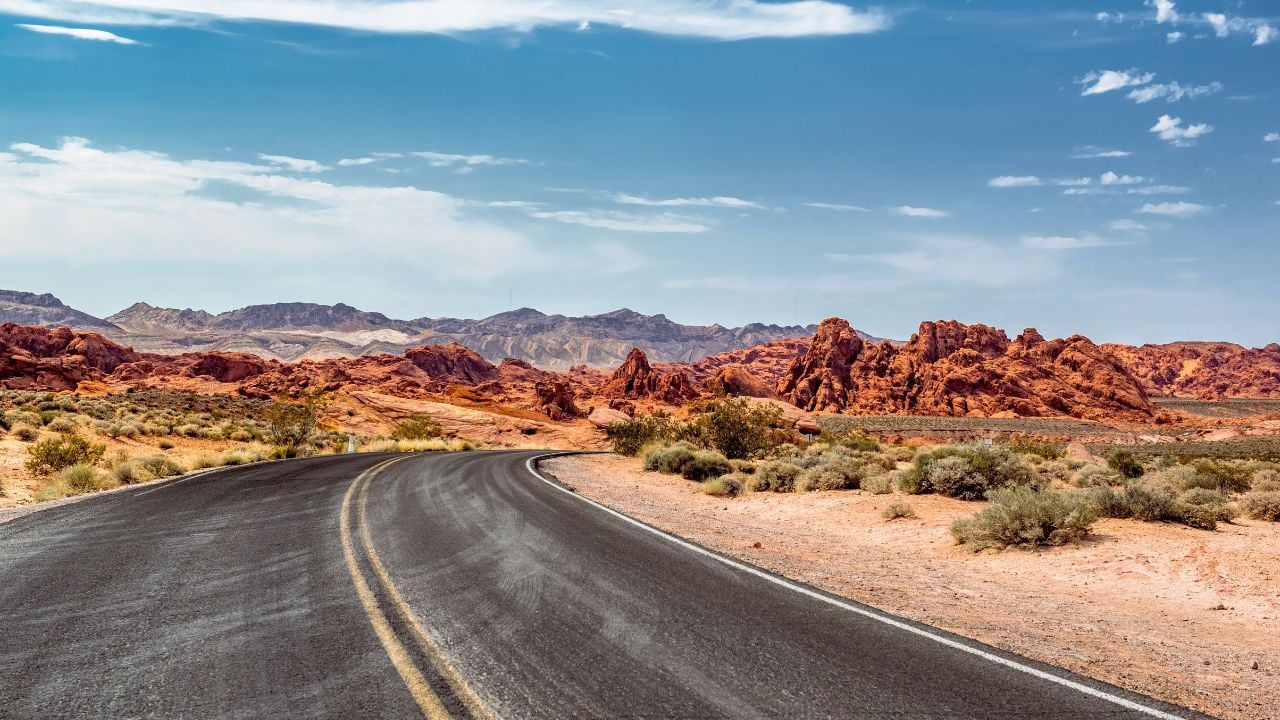
Sunlight stretches across desert highways where every mile reminds you why you bought that car in the first place: not to sit in traffic behind someone doing 45 in the left lane, but to actually drive. These are roads that reward horsepower, celebrate handling, and give your engine the workout it’s been begging for since you left the suburbs.
Desert driving combines the practical necessities of range planning and heat management with scenery so good it makes you forget about your mortgage payments. Gas stations become strategic waypoints, rest areas turn into photo ops for your ride, and small-town diners serve coffee strong enough to keep you alert through those long, hypnotic straightaways where cruise control becomes your best friend.
Each desert route delivers a perfect mix of automotive nirvana and natural spectacle, creating drives that remind you why cars were invented in the first place. For enthusiasts who remember when driving was about the journey, not just the destination, these highways offer experiences that’ll have you planning your next road trip before you’ve even made it home.
Challenging Terrains That are Worth the Trek
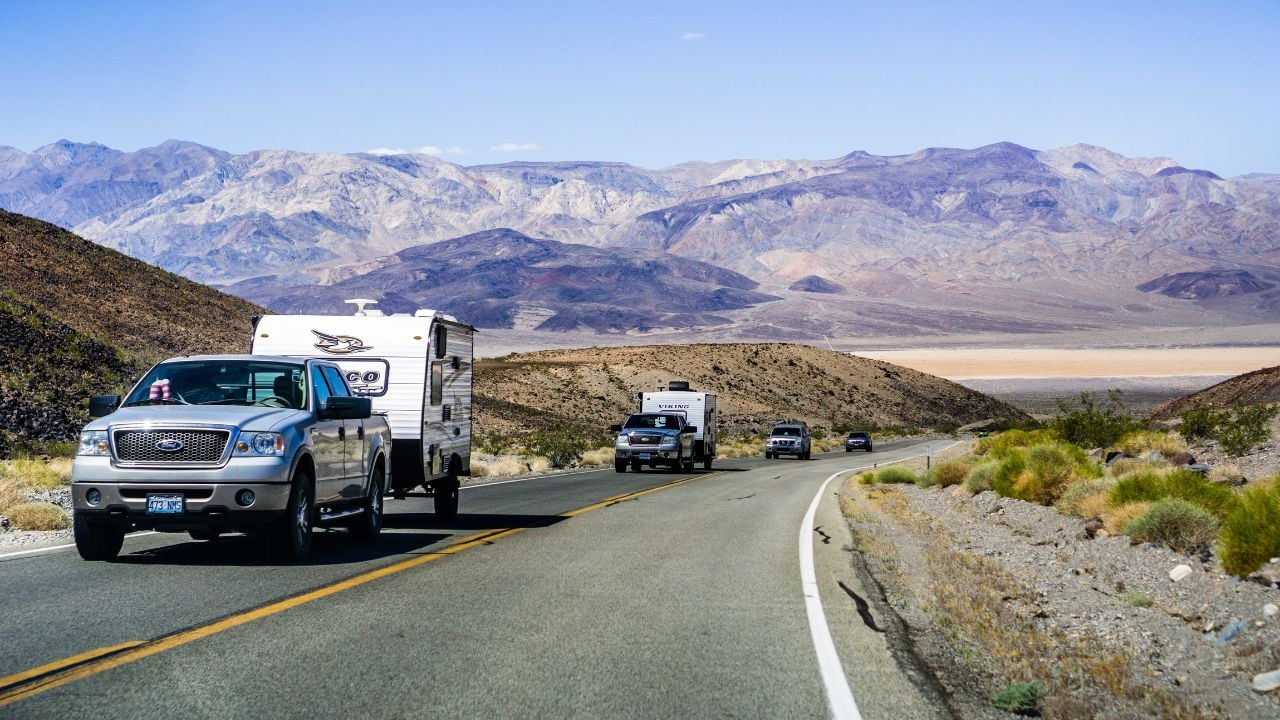
We settled on eight glorious desert drives that will bring car enthusiasts through the most iconic, beautiful, and memorable routes through the hottest, driest, and flattest stretches of land in the United States. Why eight? These are the desert routes that offer the best-of-the-best when it comes to road quality, views, and experience, while not overlapping too much.
Each of these drives offers something unique and memorable to spirited drivers.
Route 66 Through Arizona

Arizona’s stretch of Route 66 serves up classic Americana with a side of nostalgic charm that makes you wish your daily commute involved neon signs and roadside diners instead of strip malls and roundabouts. Towns like Seligman and Williams offer easy parking — a concept that apparently died somewhere around 1995 in most cities — and main streets wide enough that you don’t need a spotter to parallel park.
The Wigwam Village isn’t just Instagram bait; it’s a genuine piece of roadside architecture from when motels had personality instead of beige carpeting and continental breakfast that’s neither continental nor breakfast. Gift shops provide air conditioning and cold drinks, which your cooling system will appreciate during summer months when ambient temperatures make your engine bay feel like a pizza oven.
Long stretches between towns require fuel planning, but unlike your uncle’s fishing stories, the distances here are actually manageable. Modern interstate access points mean you’re never truly stranded, though cell service can get spotty enough to make you appreciate having an actual paper map – remember those?
Spring brings wildflowers and temperatures that won’t turn your leather seats into branding irons. The open segments create a meditative driving experience that reminds you why some of us still prefer manual transmissions and unassisted steering. This route combines wide-open throttle opportunities with enough history to justify calling it “educational” when explaining the mileage to your spouse.
Death Valley Scenic Byway, California
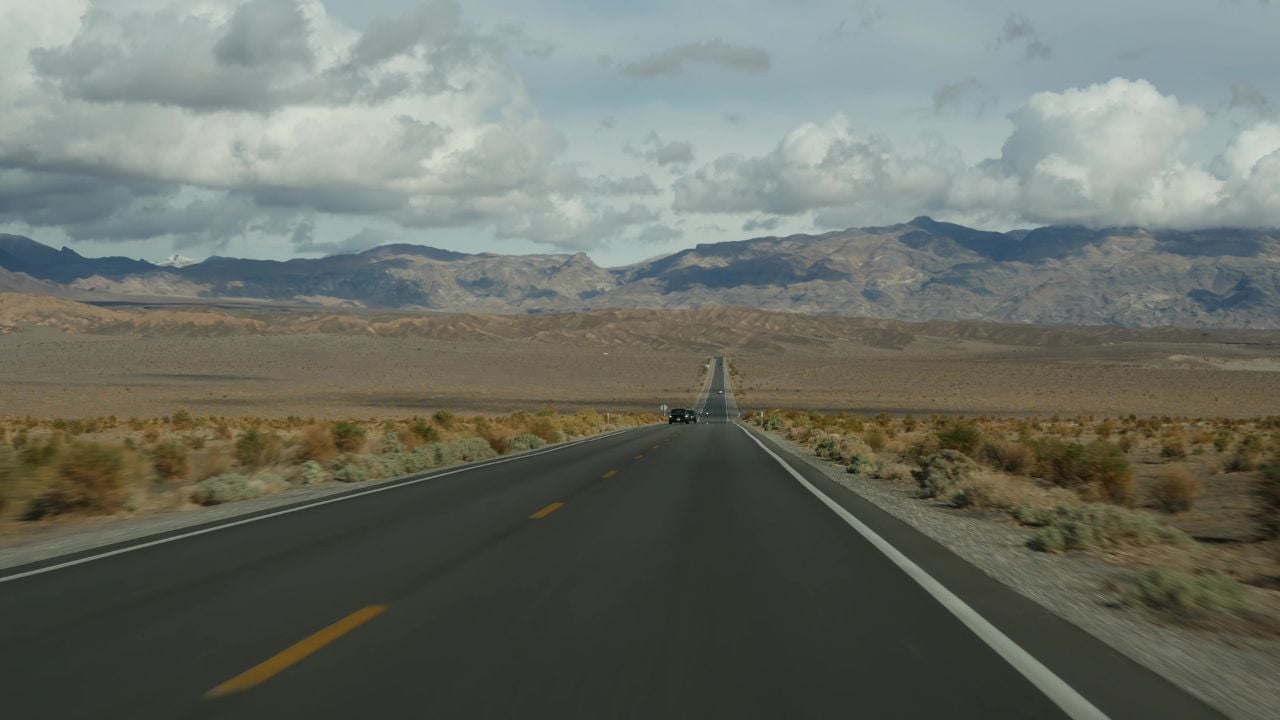
Death Valley isn’t just hot: it’s “check your coolant levels twice and pray your A/C compressor doesn’t give up” hot. But for drivers who appreciate engineering challenges, this 80-mile loop through America’s hottest, driest, and lowest national park offers terrain that’ll test every system in your vehicle while delivering views that make the potential overheating worthwhile.
Badwater Basin sits 282 feet below sea level, making it the perfect place to explain to your passengers why atmospheric pressure affects engine performance. Zabriskie Point and Artists Palette provide convenient parking areas where you can let your brakes cool down after some spirited cornering through the park’s surprisingly twisty sections.
Furnace Creek serves as mission control, offering fuel, food, and blessed air conditioning. The general store stocks coolant, oil, and other automotive essentials because Death Valley has a way of exposing every weakness in your maintenance schedule. Smart drivers start early morning or late afternoon when temperatures drop from “surface of Mercury” to merely “Phoenix in August.”
The Mesquite Flat Sand Dunes stretch like golden seas, providing photo opportunities that make your car look like it belongs in a luxury SUV commercial. Below-sea-level driving creates a surreal experience that’s part endurance test, part natural wonder. Just remember: Death Valley earned its name, so check your fluids, pack extra water, and maybe save the spirited driving for cooler climates.
Valley of Fire Highway, Nevada
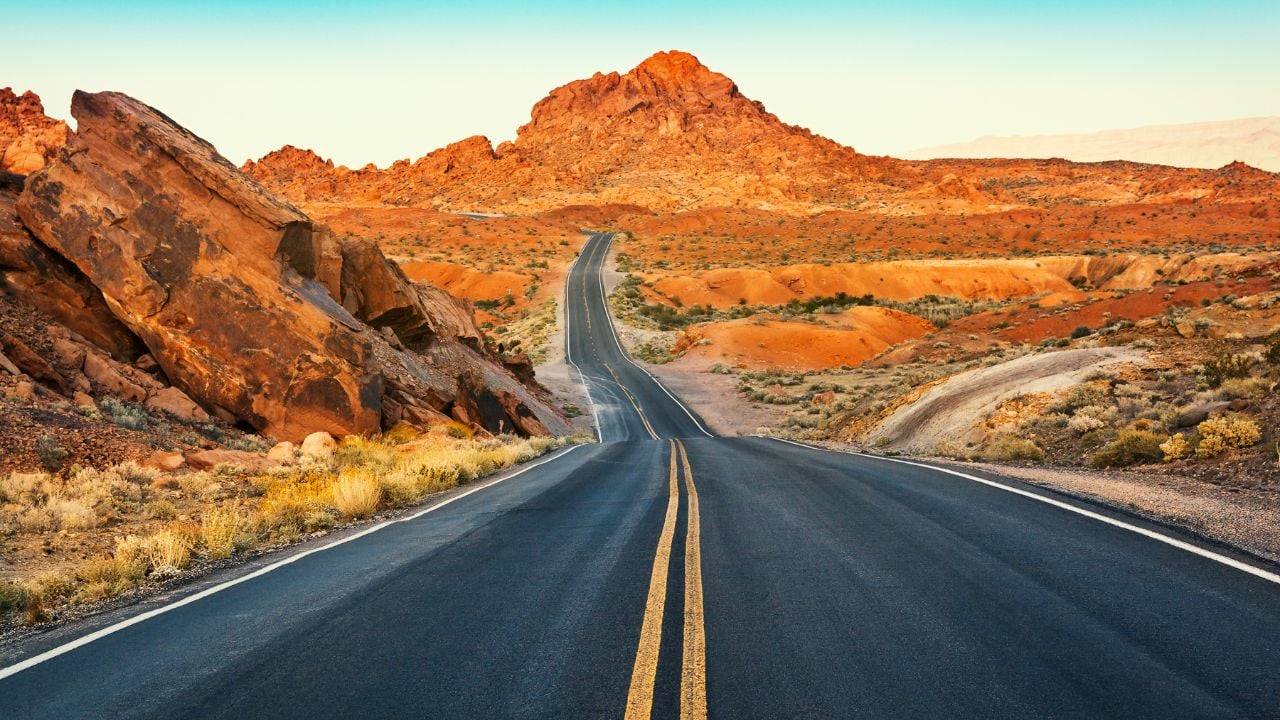
Valley of Fire Highway winds through 46,000 acres of red sandstone formations that look like someone let a toddler loose with Play-Doh and geological forces. Unlike some desert drives that test your cruise control’s endurance, this route rewards active driving with curves, elevation changes, and corners that remind you why sports cars have suspensions.
Parking areas at Elephant Rock, the Beehives, and Arch Rock provide staging areas for photography sessions and engine cool-down periods. The short hiking trails let you stretch your legs while your car’s systems return to normal operating temperatures; always important after enjoying those twisty sections at slightly above posted speeds.
Since services sit outside the park boundaries, fuel planning becomes crucial. Overton offers restaurants and supplies, plus gas prices that won’t make you question your life choices quite as much as those highway robbery stations in remote areas. The park’s wildlife includes bighorn sheep, which have better hill-climbing abilities than most crossovers but considerably worse crash test ratings.
Sunrise and sunset transform the red rocks into nature’s own light show, perfect for golden-hour photography of your car against scenery that makes every vehicle look like it belongs in a car magazine. The curved roads and dramatic backdrops create driving experiences that remind you why some of us still believe cars should be driven, not just operated.
Monument Valley Scenic Drive, Utah and Arizona

Monument Valley’s 17-mile loop road offers something increasingly rare: a scenic drive that actually requires driving skills. The unpaved sections demand respect for your suspension components and remind modern drivers that not every road was designed for mall crawlers with plastic body cladding.
The visitor center provides parking, restrooms, and the kind of sweeping views that make you understand why every Western movie and car commercial ends up here eventually. The loop road’s dirt and gravel surfaces keep speeds reasonable while delivering payoff views that justify every mile.
Guided tours are available for those who prefer not to subject their paint job to dust and small rocks, though, where’s the fun in that? The sunrise and sunset light shows transform the landscape into something that makes even a rental car look heroic. Trading posts provide snacks, drinks, and souvenirs that prove you conquered one of America’s most photogenic drives.
The silence here carries for miles: no traffic noise, no construction equipment, just wind and the sound of your engine working its way through terrain that predates every automotive manufacturer by several million years. Every stop along the route creates memories that last longer than your car’s warranty.
Joshua Tree Desert Drive, California
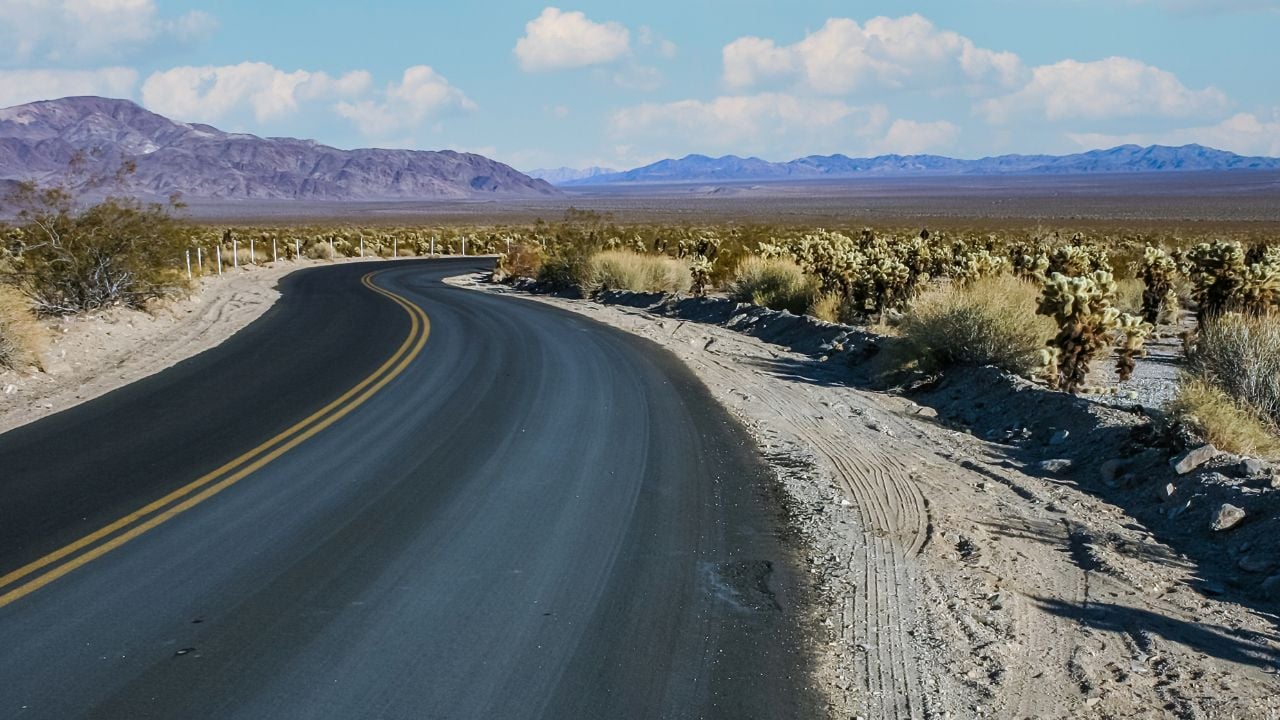
Joshua Tree National Park combines otherworldly scenery with roads that actually show respect for drivers who care about things like corner entry speeds and sight lines. The park’s 1200+ square miles of desert terrain feature smooth pavement, reasonable grades, and curves that let you appreciate why someone invented the limited-slip differential.
Visitor centers offer parking, maps, and climate-controlled spaces where you can plan your route without melting. Popular stops like Hidden Valley and Keys View fill up faster than a car meet parking lot, so early arrival ensures prime spots for both parking and photography.
The park’s Joshua trees create a landscape that looks like Dr. Seuss designed a planet, while massive boulder formations provide natural sculpture gardens that make every car photo look like concept art. Spring wildflower blooms add color to the alien landscape, and evening stargazing reminds you that light pollution isn’t mandatory for civilization.
Nearby towns provide restaurants and fuel, plus the kind of small-town service where mechanics still exist who can actually fix things instead of just running diagnostic codes. The desert roads here offer the perfect combination of challenging terrain and reliable infrastructure — like having your cake and eating it too, except the cake is made of perfect asphalt and beautiful scenery.
Big Bend Scenic Loop, Texas
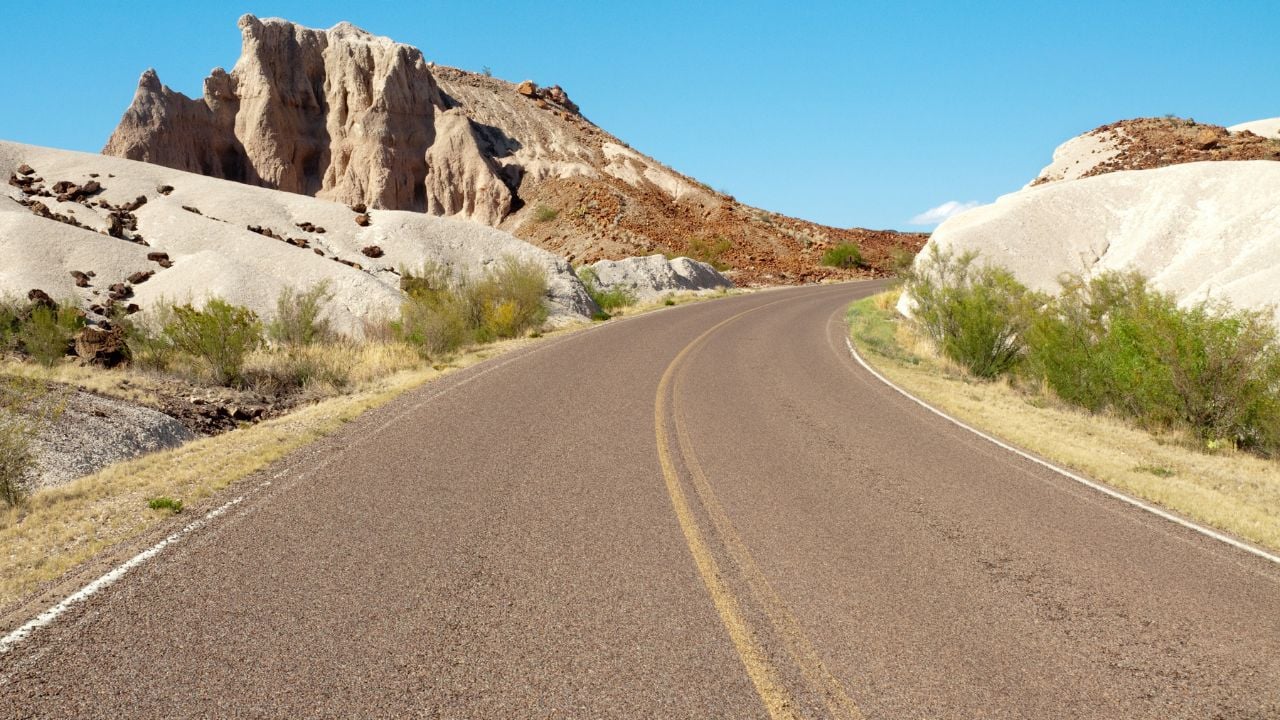
Big Bend’s 100+ mile loop through Texas desert country delivers the kind of driving that reminds you why Texans are so proud of their state: it’s not just the size, it’s the quality of roads that stretch to every horizon. Mountain backdrops and the Rio Grande provide scenery that changes character around every bend, while pavement quality that actually respects your suspension components.
Santa Elena Canyon offers riverside parking where you can walk down to the Rio Grande and contemplate international borders while your engine bay cools down. Panther Junction visitor center serves as a strategic fuel and supply stop, because “remote” in Texas means really, truly remote; not “20 minutes from Starbucks” remote.
The scenic loop covers serious distance through terrain that varies from river bottomland to mountain passes, giving your transmission a workout while delivering views that make the miles worthwhile. Terlingua provides restaurants and services with the kind of character that chain establishments gave up trying to replicate decades ago.
Bird watching adds natural entertainment to rest stops, though most of the wildlife here has better heat tolerance than your average European luxury sedan. The mountain views and desert expanses create a driving experience that captures what made road trips legendary in the first place.
White Sands Scenic Drive, New Mexico
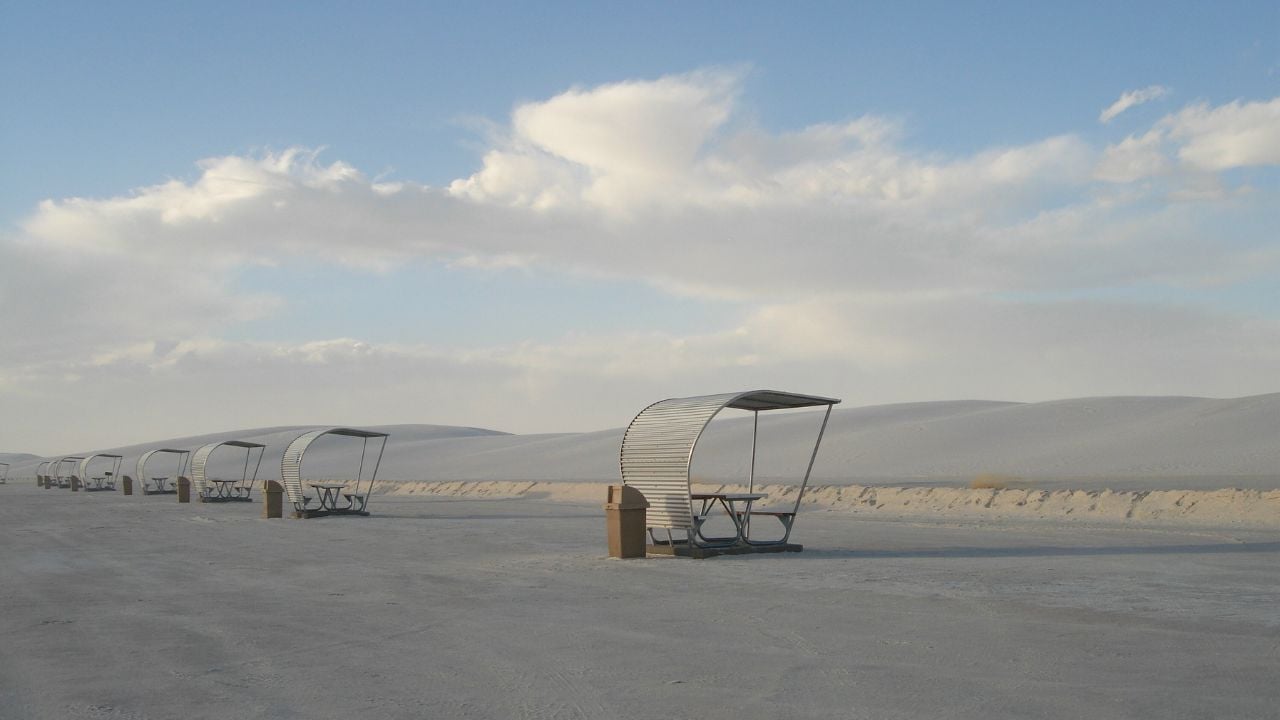
White Sands National Park features gypsum dunes that create a landscape so bright and surreal it looks like someone installed racing stripes on the entire desert. The 8-mile Dunes Drive leads through terrain that shifts and changes with every windstorm, making it nature’s own autocross course that reconfigures itself regularly.
Parking areas double as staging zones for dune activities and photo shoots where every car looks like it belongs in a luxury brochure. Picnic shelters provide shade and tables, essential when surface temperatures can literally cook an egg — or stress-test your tire compounds. The visitor center offers maps, amenities, and sled rentals for those who want to experience the dunes at speeds their insurance company would definitely not approve.
Alamogordo provides full services, including fuel, food, and the kind of mechanic shops that understand desert driving conditions. Sunset photography sessions turn the white sand into gold and lavender, creating backdrops that make every vehicle look like it just rolled off a concept car display.
The park’s unique terrain offers driving experiences that range from easy cruising to challenging conditions that remind you why four-wheel drive was invented. Stargazing opportunities after dark deliver night skies so clear that they make you question why anyone lives in cities with light pollution.
Great Basin Desert Drive, Nevada and Utah
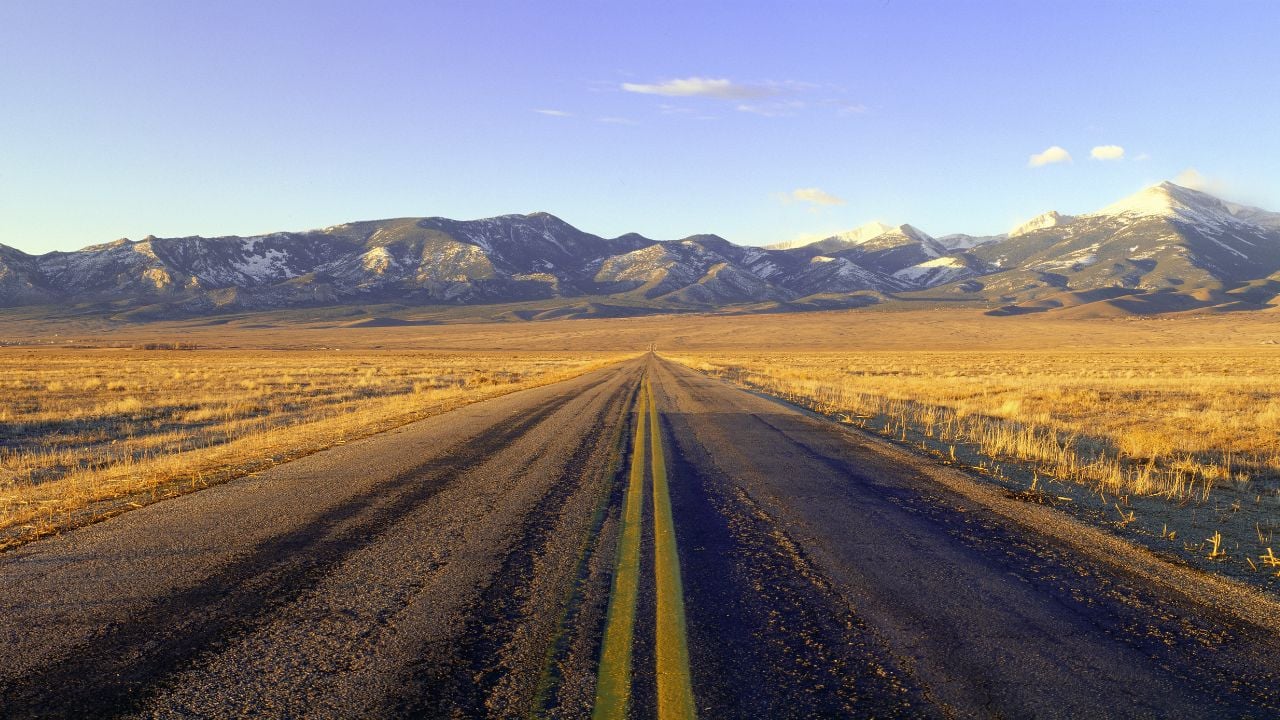
Great Basin country offers something increasingly rare in our connected world: genuine solitude, cell service deader than a manual transmission in stop-and-go traffic, and roads that stretch between horizons without a single billboard trying to sell you something you don’t need.
Small towns provide essential services spread across distances that make fuel efficiency actually matter instead of just being something to brag about at Cars and Coffee. Ghost towns offer parking and exploration opportunities where you can contemplate what happens to places when the interstate bypasses them… Spoiler alert: it’s not good for property values.
Great Basin National Park includes visitor facilities, picnic areas, and staging points for activities that don’t involve sitting in traffic, wondering why you bought a performance car to drive 12 mph through construction zones. Mount Wheeler provides dramatic backdrops, while the park’s dark skies offer stargazing so good it makes you wonder why anyone needs entertainment systems with 47 different streaming services.
Wildlife sightings add natural entertainment to rest stops, though the local antelope have better acceleration than most crossovers and significantly better fuel economy. This route rewards drivers who appreciate the journey over the destination and understand that sometimes the best automotive experiences happen when there’s nobody else around to see them.
Rolling Home from the Desert

Desert highways remind us that cars were meant for more than commuting between strip malls and sitting in driveways, depreciating. These routes offer something our daily drives rarely provide: space to actually drive, scenery worth looking at, and roads that treat cars like vehicles instead of just transportation appliances.
Rest areas and scenic overlooks become natural pit stops where you can check your fluids, admire your car’s lines against dramatic backdrops, and remember why you fell in love with driving in the first place. Small towns with real mechanics and gas stations that don’t require downloading an app to pay create the kind of road trip infrastructure that modern travel has largely forgotten.
These drives prove the desert isn’t empty: it’s full of the stuff that makes driving worthwhile: open roads, clear sight lines, and enough space to remember what your car can actually do when it’s not trapped behind someone texting their way through a school zone at 23 mph.
Every mile reminds you that the best automotive experiences happen when you combine good roads, great scenery, and the understanding that sometimes the journey really is more important than checking another destination off your bucket list. Plus, the photos of your car against these backdrops will make your garage queen neighbors deeply, deeply jealous.