Škoda’s journey began in 1895 when two cycling enthusiasts, Václav Laurin and Václav Klement, decided their local bike repair shop was overcharging for parts. Fast-forward 130 years, and their company has become the poster child for “what if we just made really good cars without the attitude?” What a plot twist. While BMW drivers were practicing their turn signal avoidance techniques and Audi owners were calculating finance payments, Škoda was busy building cars that actually made sense.
The brand survived fascist occupation, communist rule, and the questionable fashion choices of the 1970s by sticking to a simple formula: build reliable cars that don’t require a second mortgage. When the Volkswagen Group acquired Škoda in 1991, it discovered something remarkable: a company that had been producing practical, well-engineered vehicles all along, just without the marketing budget to tell anyone about them.
Remember when you first heard about Škoda and thought it was some obscure Eastern European brand that made tractors? Yeah, we all did. It turns out they were quietly building some of the smartest sedans in Europe while everyone else was obsessing over badge prestige.
Value in Every Drive

Škoda sedans became Europe’s best-kept secret; except everyone knew about them. They were the cars that taxi drivers chose when they needed something that wouldn’t break down between airport runs, the vehicles that fleet managers picked when the accountants demanded value, and the sedans that smart families bought when they realized paying extra for a German badge didn’t actually make the cup holders work better.
Here’s what made Škoda different: while other manufacturers were busy adding features nobody asked for (we’re looking at you, gesture-controlled tailgates), Škoda focused on the stuff that mattered. Enormous trunks that could swallow a small furniture store. Rear seats with legroom that made passengers wonder if they’d accidentally climbed into a limousine. Interiors that felt expensive without the expensive part.
The genius of Škoda was in the details that engineers appreciated but marketing departments ignored. Door handles that clicked with precision. Dashboard layouts that made sense to humans, not just focus groups. Build quality that meant your car would still feel solid after five years and 100,000 miles, a concept apparently foreign to some manufacturers.
These weren’t cars for people who needed to make a grand entrance. They were for drivers who appreciated getting twice the car for half the drama. Every sedan on this list earned its place through a combination of clever engineering, sensible pricing, and the revolutionary idea that cars should work properly.
ŠKoda Octavia (First Generation)

Engine Options: 1.4L I4 (75hp), 1.6L I4 (100hp), 1.8L I4 (125hp), 1.9L TDI (90-130hp)
European Launch Price: €19,000-26,000 (~$22,000-30,200)
Key Specs: 560L trunk, 2,512mm wheelbase, 5-star EuroNCAP rating
The first modern Octavia was Škoda’s “hold my drink” moment to the automotive establishment. While other manufacturers were designing trunks that could barely hold a weekend bag, Škoda engineers apparently drew inspiration from a small aircraft hangar. The result was a compact sedan with 560 liters of cargo space: more than some SUVs manage today.
Built on Volkswagen’s PQ34 platform (shared with the Golf IV), the Octavia proved that badge engineering could work both ways. Instead of taking a cheap car and slapping an expensive logo on it, Škoda took excellent German engineering and made it affordable. The 1.9L TDI engine delivered fuel economy that made Prius owners nervous — achieving over 50 mpg in real-world driving.
What really surprised buyers was the build quality. Panel gaps are tighter than a German tax collector’s schedule. Interior materials that didn’t squeak, rattle, or develop that lovely “lived-in” patina after six months. Door handles that worked like they were engineered by people who actually used cars.
The Octavia became the thinking person’s family sedan. It didn’t need chrome strips or aggressive styling to prove its worth; it simply quietly hauled families across Europe for over 200,000 kilometers without complaint. While other cars were busy being “premium,” the Octavia was busy being useful.
Škoda Superb (First Generation)

Engine Options: 1.8L I4 turbo (150hp), 2.0L I4 (115hp), 2.5L V6 TDI (163hp), 2.8L V6 (193hp)
European Launch Price: €24,000-35,000 ($28,000-40,700)
Key Specs: 3,012mm wheelbase, integrated rear door umbrellas, Twindoor trunk system
The first-generation Superb was Škoda’s declaration that executive sedans didn’t need to cost executive salaries. Built on a stretched Passat platform, it offered rear legroom that would make a BMW 7-Series owner do a double-take. The party trick was rear doors that could hide umbrellas — because nothing says “executive comfort” like staying dry while your German counterpart gets soaked.
The Twindoor system was pure engineering genius disguised as practicality. The trunk could open as either a traditional sedan or a hatchback, giving owners the flexibility of two cars in one. Try explaining that to your BMW-driving neighbor as they struggle to fit a golf bag through their traditional trunk opening.
The interior quality was surprisingly good for the price. Leather that actually felt like leather, not vinyl with delusions of grandeur. Wood trim that came from actual trees, not the leftover plastic fantastic that plagued budget cars of the era. Climate control that worked intuitively, rather than requiring a PhD in German interface design.
The 2.5L V6 TDI was the engine that converted skeptics into believers. With 163hp and massive torque, it could cruise at autobahn speeds all day while delivering diesel economy that made filling up feel almost reasonable. The ride quality was calibrated for comfort, not corner-carving heroics… Because sometimes the best driving experience is the one where passengers don’t need Dramamine.
Škoda Octavia (Second Generation)

Engine Options: 1.4L I4 (80hp), 1.6L I4 (102hp), 1.8L I4 TSI (160hp), 2.0L TDI (140-170hp), RS models up to 240hp
European Launch Price: €18,500-32,000 ($21,500-37,000)
Key Specs: 585L trunk, independent rear suspension, 5-star EuroNCAP rating
The second Octavia was what happened when Škoda’s engineers got confident. They retained everything that worked from the first generation and then improved it. The trunk grew to 585 liters; apparently, 560 wasn’t quite enough to store a small apartment’s worth of belongings.
Independent rear suspension meant the Octavia could handle like a proper European sedan, rather than bouncing around like a pogo stick on wheels. The TSI engines brought direct injection technology to mainstream prices, delivering performance that made hot hatches nervous while maintaining fuel economy that pleased accountants.
The interior design finally caught up with the engineering excellence. Gone were the last traces of Eastern European austerity, replaced by materials and build quality that could rival those of cars costing twice as much. The dashboard layout was so logical that it should have been required reading in design schools.
But the real star was the RS version. With a 2.0L turbo producing 200-240 hp (depending on the year), it delivered genuine performance car thrills in a package practical enough for daily family duty. While other manufacturers were charging premium prices for hot sedans, Škoda offered similar performance for thousands less and threw in a trunk big enough for a week’s vacation.
The second Octavia proved that evolution could be revolutionary when done right. It refined the formula without losing the essence that made Škoda special: practical intelligence at a price that didn’t require financial gymnastics.
Škoda Superb (Second Generation)

Engine Options: 1.4L TSI (125hp), 1.8L TSI (160hp), 2.0L TDI (140-170hp), 3.6L V6 (260hp)
European Launch Price: €25,000-42,000 ($29,000-49,000)
Key Specs: 3,012mm wheelbase, 595L trunk, panoramic sunroof available
The second Superb was Škoda’s challenge against the notion that luxury required a German postal code. With rear legroom measuring 157mm more than a BMW 5-Series, it turned the back seat into a first-class cabin. The Twindoor system returned, now even more refined, making it the practical choice for people who wanted both sedan elegance and hatchback versatility.
The 3.6L V6 was borrowed directly from Volkswagen’s parts bin; the same engine found in more expensive vehicles. With 260 hp and all-wheel drive available, the Superb could embarrass sports sedans at the traffic light while hauling the family dog and luggage for a two-week vacation.
Interior quality reached levels that made luxury car buyers question their life choices. Soft-touch materials everywhere fingers might wander, genuine leather that aged gracefully, and wood trim that didn’t look like it came from a 1990s computer desk. The panoramic sunroof was larger than some studio apartments, turning the cabin into an airy, premium space.
The ride quality struck that perfect European balance: comfortable enough for long highway cruises but composed enough to handle mountain roads without drama. Adaptive suspension was available on higher trims, allowing drivers to switch between comfort and sport modes depending on whether they were carrying sleeping children or late for a meeting.
What made the second Superb truly special was its ability to fly under the radar while delivering experiences that justified far higher prices. It was the sedan equivalent of finding a first-class ticket priced like coach.
Škoda Rapid

Engine Options: 1.0L MPI (75hp), 1.2L TSI (105hp), 1.4L TDI (90hp), 1.6L MPI (110hp)
Indian Market Price: $8,500-15,000
Key Specs: 2,552mm wheelbase, 460L trunk, 6 airbags available
The Rapid was Škoda’s proof that “budget” didn’t have to mean “boring” or “badly built.” Designed specifically for emerging markets, it brought European engineering standards to price points that made sense for growing economies. In India, where it found its largest audience, the Rapid competed against locally built sedans while delivering a build quality that felt distinctly European.
The 1.2L TSI engine was a masterpiece of downsizing done right. With direct injection and turbocharging, it delivered peppy performance while returning fuel economy numbers that made daily commuting affordable. The 1.4L TDI offered diesel efficiency for buyers who measured success in kilometers per liter rather than horsepower per dollar.
Interior space was cleverly maximized through smart packaging. The 2,552mm wheelbase provided rear seat room that belied the car’s compact exterior dimensions. Storage solutions throughout the cabin showed typical Škoda thoughtfulness — cup holders that actually held cups, door pockets sized for real-world items, and a center console that didn’t require contortionist training to access.
Safety equipment included six airbags and ABS as standard; features that were often optional on competitors. The body structure met European crash standards, providing protection levels that exceeded what buyers typically expected in this price range.
The Rapid represented Škoda’s ability to scale its core values across different markets and price points. It proved that good engineering, sensible design, and honest pricing could create compelling cars anywhere in the world.
Škoda Octavia (Third Generation)

Engine Options: 1.0L TSI (115hp), 1.4L TSI (150hp), 1.8L TSI (180hp), 2.0L TDI (115-184hp), RS versions up to 245hp
European Launch Price: €22,000-38,000 ($25,600-44,000)
Key Specs: 590L trunk, MQB platform, LED headlights available
The third Octavia was Škoda’s graduation to the big leagues. Built on Volkswagen’s MQB platform, it shared its bones with everything from the Golf to the Audi A3, but somehow emerged as the smartest of the bunch. The trunk capacity reached 590 liters; why stop at “enormous” when you could achieve “aircraft cargo hold”?
Technology finally caught up with Škoda’s practical ambitions. The infotainment system actually made sense, with logical menu structures and response times that didn’t require coffee breaks. Adaptive cruise control, lane-keeping assist, and automatic emergency braking became available at prices that made German premium brands look like they were engaging in highway robbery.
The engine lineup was a clinic in efficient performance. The 1.4L TSI delivered Golf GTI acceleration with diesel-like fuel economy. The 2.0L TDI offered torque figures that made towing feel effortless, while returning over 60 mpg on highway runs. Even the base 1.0L TSI provided adequate performance with thrifty consumption.
But the real party piece was the RS. With 245hp from a 2.0L turbo, it can accelerate from 0-100km/h in under 7 seconds, while still offering the practicality of a family sedan. The all-wheel drive system meant it could put its power down effectively, making it a genuine alternative to expensive German sports sedans.
Interior quality reached levels that made premium brand owners wonder what they were paying extra for. Materials felt expensive, assembly was precise, and the ergonomics were clearly designed by people who actually drove cars, not just designed them.
Škoda Superb (Third Generation)

Engine Options: 1.4L TSI (150hp), 1.8L TSI (180hp), 2.0L TSI (220hp), 2.0L TDI (150-190hp)
European Launch Price: €24,000-45,000 ($28,000-52,300)
Key Specs: 3,005mm wheelbase, 625L trunk, Simply Clever features
The third Superb was Škoda’s masterclass in how to build a luxury sedan without the luxury price tag. With 625 liters of trunk space and rear legroom that exceeded many limousines, it redefined what buyers could expect from a mid-size sedan. The “Simply Clever” features included everything from an ice scraper in the fuel door to tablet holders in the front seat backs — the kind of thoughtful details that made ownership a pleasure.
The 2.0L TSI, with 220hp, could outperform sports cars at traffic lights while delivering the kind of refined highway cruising that made long trips feel effortless. The availability of all-wheel drive meant winter driving was handled with confidence rather than prayers and snow chains.
Premium leather, real wood trim, and metal accents throughout created an atmosphere that justified prices far above what Škoda was charging. The panoramic sunroof was essentially a glass roof, flooding the cabin with light and making the spacious interior feel even more open.
Technology integration was seamless rather than gimmicky. The infotainment system responded instantly, smartphone integration actually worked, and the digital dashboard provided information without overwhelming the driver. Climate control maintained precise temperatures without constant adjustment, and the sound system delivered concert-hall acoustics.
What made the third Superb truly special was its ability to deliver genuine luxury car experiences at mainstream prices. It proved that prestige didn’t require a premium badge: just premium execution at a price that made sense.
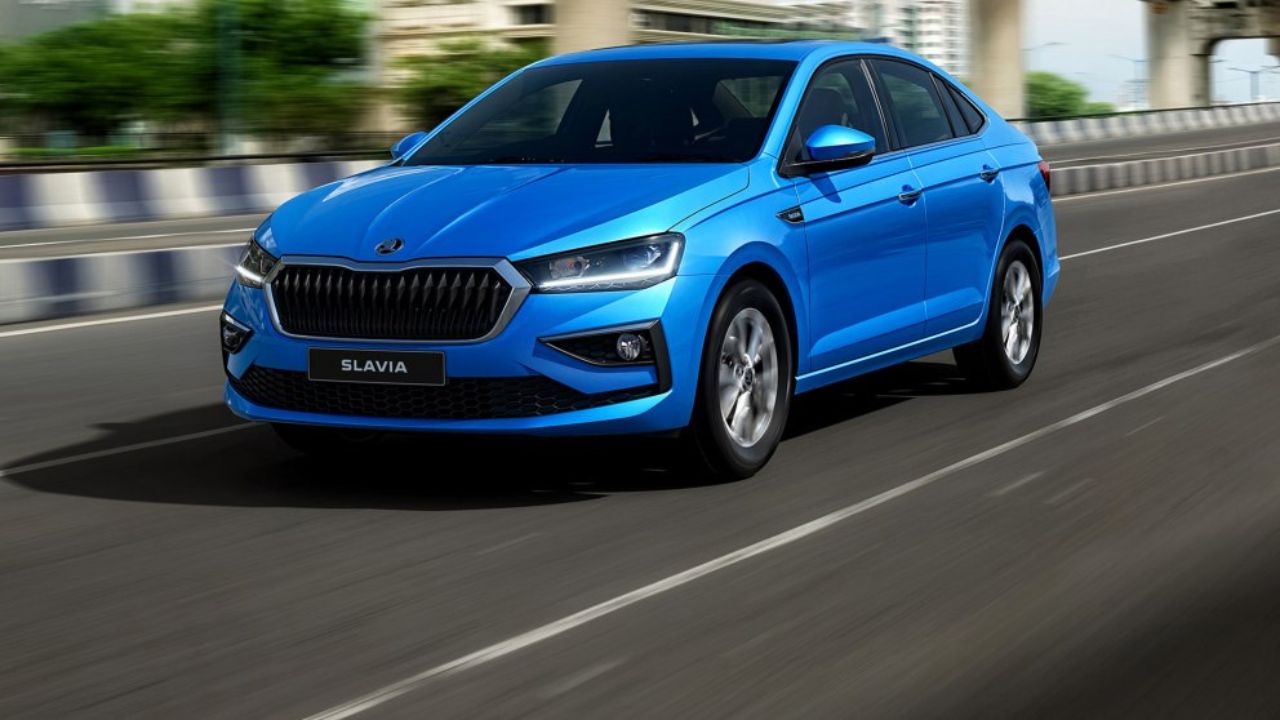
Škoda Slavia

Engine Options: 1.0L TSI (115hp), 1.5L TSI (150hp)
Indian Market Price: $14,000-20,000
Key Specs: 2,651mm wheelbase, 521L trunk, 6 airbags standard
The Slavia represents Škoda’s latest thinking on compact sedans done right. Built on the MQB-A0-IN platform specifically adapted for Indian conditions, it brings European sophistication to a market that had been underserved by truly well-engineered sedans. The name pays homage to Laurin & Klement’s early bicycles, connecting modern technology with the historic craftsmanship of their early designs.
The 1.5L TSI engine is a gem of modern engineering. With 150hp and cylinder deactivation technology, it delivers both performance and efficiency. The 7-speed DSG transmission offers smooth, quick shifts, making city driving pleasant rather than tiresome. Fuel economy figures approach 18-20 kmpl in mixed driving — impressive for a sedan with genuine performance capabilities.
Interior space management shows typical Škoda cleverness. Despite compact exterior dimensions, rear seat passengers enjoy 941mm of legroom; more than some mid-size sedans from other manufacturers. The 521-liter trunk easily swallows luggage for extended trips, while thoughtful storage solutions throughout the cabin keep daily items organized.
Safety equipment includes six airbags as standard, electronic stability control, and hill-hold assist. The body structure meets global crash standards, providing protection levels that exceed regional requirements. Features like ventilated front seats and a panoramic sunroof bring luxury touches to an accessible price point.
The Slavia proves that Škoda’s formula of intelligent design and honest pricing translates across markets and generations. It offers modern buyers the same value proposition that made previous generations of Škoda sedans successful: more car for less money, without compromising on the things that actually matter.
Škoda Octavia iV

Powertrain: 1.4L TSI + electric motor (245hp combined)
Electric Range: 60-65km WLTP
European Launch Price: €34,000-42,000 ($39,500-48,800)
Key Specs: 13kWh battery, 450L trunk, plug-in hybrid system
The Octavia iV brought electrification to Škoda’s mainstream lineup without the evangelical preaching that accompanies many hybrid launches. The plug-in hybrid system combines a 1.4L TSI engine with an electric motor for a total of 245 hp — enough to outperform hot hatches while returning fuel economy figures that make fuel station visits feel optional.
The electric-only range of 60-65km covers most daily commutes without burning a drop of gasoline. For longer trips, the system seamlessly switches between electric and hybrid modes, maintaining the refinement and performance that Octavia buyers expect.
Despite the battery pack, the trunk still offers 450 liters of space; reduced from the standard Octavia, but still more than most competitors. The rear seats remain as spacious as ever, and the ride quality maintains that perfect balance between comfort and control that makes Škoda sedans such pleasant highway companions.
Technology integration includes sophisticated energy management that learns driving patterns and optimizes the hybrid system accordingly. The infotainment system displays energy flows clearly without overwhelming the driver with unnecessary information. Predictive features use navigation data to maximize electric-only driving in urban areas.
The Octavia iV represents pragmatic electrification: advanced technology implemented thoughtfully rather than flashily. It offers hybrid benefits without hybrid compromises, maintaining the practical excellence that defines the Octavia line while pointing toward Škoda’s electric future.
Škoda Superb iV

Powertrain: 1.4L TSI + electric motor (245hp combined)
Electric Range: 55-62km WLTP
European Launch Price: €38,000-48,000 (44,000-55,800)
Key Specs: 13kWh battery, 485L trunk, executive sedan comfort
The Superb iV brought hybrid technology to Škoda’s flagship without compromising the comfort and space that define the Superb experience. The plug-in hybrid system delivers a combined output of 245hp; more than enough for confident highway merging and stress-free overtaking. Electric-only driving covers most urban commutes, while the hybrid system provides a longer range for journeys.
The battery integration is masterfully executed. Despite the 13kWh pack beneath the rear floor, the trunk still offers 485 liters of space; more than many conventional sedans. Rear passenger comfort remains exceptional, with limousine-like legroom and premium seating that makes long journeys feel effortless.
Ride quality maintains the Superb’s reputation for highway composure. The additional weight from the battery pack actually improves stability, while the electric motor provides instant torque for smooth acceleration. Sound deadening keeps road and wind noise to minimal levels, creating a serene cabin environment.
Technology features include predictive energy management that optimizes electric driving based on navigation data and learned routes. The climate control can precondition the cabin while connected to charging power, ensuring comfort without depleting the battery. Remote functions allow owners to monitor charging status and cabin temperature from their smartphones.
The Superb iV proves that electrification can enhance rather than compromise the executive sedan experience. It delivers hybrid efficiency and modern technology while maintaining the space, comfort, and value that make Superb sedans compelling alternatives to far more expensive competitors.
Škoda Octavia RS

Engine Options: 1.8L turbo (180hp), 2.0L turbo (200-245hp), 2.0L TDI (184hp), 2.0L TSI plug-in hybrid (245hp)
European Price Range: €32,000-45,000 ($37,000-52,000)
Key Specs: Sport suspension, limited-slip differential, performance seats
The Octavia RS has been Škoda’s answer to the question “What if we made a fast car that your accountant would approve of?” Throughout its various generations, the RS has delivered genuine performance car thrills while maintaining the practical excellence that defines the Octavia line. It’s proof that you don’t need to choose between fun and sensible.
Early RS models utilized a 1.8L turbo, producing 180 hp; a modest figure by today’s standards but thrilling in the early 2000s context. The combination of turbo power, sport suspension, and limited-slip differential created a sedan that could embarrass hot hatches on winding roads while still hauling families and luggage with comfort.
Modern RS variants push the formula further. The 2.0L turbo with up to 245hp provides acceleration that makes sports car owners nervous, while the optional all-wheel drive system ensures that power reaches the ground effectively. The latest plug-in hybrid RS combines 245hp total output with the ability to drive electrically in urban areas, offering performance with a conscience.
Interior appointments strike the right balance between sport and practicality. Supportive seats hold occupants during spirited driving while remaining comfortable for daily commutes. Sport steering wheels provide excellent grip and feedback without the boy-racer aesthetics that plague some performance sedans.
The genius of the Octavia RS lies in its dual personality. On weekday mornings, it’s a refined sedan that coddles passengers and maximizes fuel economy. On weekend afternoons, it transforms into a genuine performance machine that can challenge cars costing twice as much. It’s the perfect expression of Škoda’s philosophy: intelligence over ostentation, substance over style, value over vanity.
A Future Worth Considering

Škoda sedans represent something increasingly rare in today’s automotive landscape: honest engineering at honest prices. While other manufacturers chase market segments with ever-more-specialized niches, Škoda has remained focused on building cars that simply work better for less money. Their sedans don’t need marketing campaigns full of lifestyle imagery; they sell themselves to anyone who can do basic math.
The brand’s future looks equally promising. Electrification is being implemented thoughtfully, rather than frantically, with hybrid and electric models that enhance, rather than compromise, the Škoda experience. The upcoming Enyaq sedan will bring full electric power to the lineup while maintaining the space efficiency and value proposition that define the brand.
Consider this: while other manufacturers are busy explaining why their latest technology requires premium pricing, Škoda is quietly incorporating the same innovations at mainstream prices. When German brands were charging extra for basic safety features, Škoda was making them standard. When premium manufacturers treated large trunks as optional extras, Škoda made them fundamental design requirements.
The smart money has always been on Škoda. Their sedans demonstrate that intelligence, quality, and value aren’t mutually exclusive. They form the foundation of great automotive engineering. In a world full of cars that promise more than they deliver, Škoda sedans consistently deliver more than they promise.
Your next sedan purchase is a choice between paying for a badge or paying for a car. Choose wisely; the Czechs certainly have.